Tidying a Border Collie’s Hocks and Feet Only
If you’ve ever owned a Border Collie, you know the struggle: that beautiful, flowing coat, especially on the rough-coated variety, can be a magnet for every burr, twig, and speck of mud the countryside has to offer. And let's be honest, those fluffy feet, affectionately known as "grinch feet," might look charming, but they can quickly become matted, uncomfortable, and a hygiene nightmare. This guide is all about tackling that very specific challenge, giving you the know-how to keep your Border Collie’s hocks and feet tidy, healthy, and functional, without having to commit to a full-body shave.
Why Focusing on Hocks and Feet Matters for Border Collies
It’s tempting to just let their natural coat do its thing, especially if you love the rustic look of a working dog. But with Border Collies, particularly those who are active, whether on the farm, in agility, or just romping through the fields, neglecting these areas can lead to genuine problems. This isn’t just about aesthetics; it's about comfort, hygiene, and even preventing injuries.
The Practical Benefits: Hygiene and Comfort
Imagine wading through mud, burrs, or sticky seeds with long, feathery hair between your toes. That’s essentially what your Border Collie deals with if their foot hair isn't regularly trimmed. These areas are prime spots for collecting debris, which can quickly lead to painful mats. Mats aren't just ugly; they pull at the skin, causing irritation, redness, and even open sores if left unchecked. They can also hide parasites like fleas and ticks, making them harder to spot during The Weekly Once-Over a Working Border Collie Gets.
Beyond the mats, the sheer amount of extra hair can make their feet incredibly uncomfortable, especially in wet weather. Mud gets caked in, stays damp, and can encourage bacterial or fungal skin infections. By tidying up the hair around their pads and hocks, you're not just preventing these issues; you're also making your life a whole lot easier. Less mud tracked into the house, fewer burrs to pick out after every walk, and a much happier, healthier dog overall. It’s a win-win, really. You'll spend less time cleaning floors and more time enjoying your well-groomed companion.
Maintaining Performance and Preventing Injuries
For a breed as athletic and driven as the Border Collie, every small detail can impact their performance and safety. Long hair between their paw pads can significantly reduce their grip, especially on slick surfaces like wet grass, linoleum floors, or agility equipment. Think of it like trying to run in oversized slippers – they can’t get proper traction. This can lead to slips, falls, and unnecessary strain on their joints, potentially causing issues like Pad Damage on a Border Collie Working Stubble or even more serious sprains.
Similarly, the feathering around their hocks, while beautiful, can become a hazard. It can snag on undergrowth when they're working in thick cover, or get tangled during high-speed turns in agility. This can cause discomfort, break concentration, and in worst-case scenarios, lead to a stumble or fall. Tidying these areas ensures their movement is unimpeded, allowing them to move with the precision and agility they're famous for. It also makes it easier for you to perform a quick check for Cuts and Wire Injuries on a Border Collie's Legs or other minor scrapes that might be hidden by thick hair after a day's work.
Essential Tools for Tidying Hocks and Feet
Alright, let's talk gear. You don't need a professional grooming salon set-up to keep your Border Collie looking sharp and feeling comfortable. But having the right tools makes a huge difference, not just in the end result, but in making the process smoother and safer for both of you. Don't be intimidated; with a little practice, these will become extensions of your hand.
Clippers and Scissors: Choosing the Right Ones
When it comes to trimming hair, your main choices are clippers or scissors. For feet and hocks, I highly recommend having both on hand.
- Clippers: For the pads and the underside of the paws, clippers are generally safer and more efficient than scissors. You'll want a small, quiet, cordless clipper for these delicate areas. The small size makes them easy to maneuver, and the quiet operation is less likely to startle a sensitive Border Collie. Look for models designed for touch-ups or "face, feet, and sanitary" trims. They usually come with a #10 blade, which is perfect for getting a clean, short cut without going too close to the skin. If your dog is particularly nervous, practicing with the clippers turned on but not touching them, paired with treats, can make a huge difference. You can find a good range of reliable small clippers on platforms like Chewy or Amazon.
- Scissors: For trimming the hair around the edges of the paw and blending the hock feathering, sharp, blunt-nosed grooming scissors are essential. The blunt tips are a crucial safety feature, minimizing the risk of accidentally poking your dog if they suddenly move. You'll also want a good pair of thinning shears for the hocks. These scissors have one notched blade and one straight blade, allowing you to remove bulk and blend lines without creating harsh edges, giving a more natural, tidy appearance. Always invest in good quality, sharp scissors; dull blades pull hair and can be uncomfortable for your dog.
Combs, Brushes, and Other Accessories
Beyond the cutting tools, a few other items will make your grooming session much more effective and stress-free.
- Slicker Brush and Metal Comb: Before any trimming, you need to ensure the hair is free of tangles and debris. A slicker brush is excellent for getting through the thicker feathering around the hocks, while a fine-toothed metal comb is indispensable for working through the hair on the feet and checking for any hidden mats. These tools help you see exactly what you're working with and prevent the clippers or scissors from catching on a knot.
- Styptic Powder: Accidents happen, especially when working on squirming dogs. Having styptic powder on hand is a must. It quickly stops bleeding from minor nicks, giving you peace of mind. Just a tiny pinch applied to the cut with gentle pressure does the trick.
- Non-Slip Mat: A non-slip surface, like a rubber bath mat or a dedicated grooming mat, provides stability for your dog and makes them feel more secure. This can greatly reduce their anxiety and prevent them from trying to jump off your grooming table or lap.
- High-Value Treats: Positive reinforcement is key! Make grooming a pleasant experience by rewarding cooperation with their favorite high-value treats. Small, soft treats that they can eat quickly without getting distracted are ideal.
- Towel: Keep a towel handy for wiping away loose hair or for quick clean-ups.
Having these tools ready before you start will set you up for success and make the entire process more efficient and enjoyable for both you and your Border Collie.
Step-by-Step Guide to Trimming Border Collie Feet
Okay, let's get into the nitty-gritty of tidying those paws. This isn't just about hacking away at the fur; it's about a methodical approach that prioritizes your dog's safety and comfort, while achieving a neat, functional result. Remember, slow and steady wins the race, especially when you're first learning.
Preparing Your Dog and the Workspace
Preparation is half the battle when it comes to grooming, especially with a high-drive dog like a Border Collie. You want to create an environment where they feel as calm and comfortable as possible.
First, timing is everything. Don't try to groom your Border Collie when they're full of beans and ready to run a marathon. Pick a time when they are naturally calmer, perhaps after a good walk, a training session, or some Mental Work That Tires a Border Collie Faster. A tired dog is generally a more cooperative dog. You'll find that if they've had a chance to burn off some energy, they'll be much more inclined to stand or lie still for a few minutes.
Next, set up your workspace. Choose a well-lit area where you have plenty of room to move around your dog. A bathroom or kitchen counter (if your dog is small enough and safe to be on one) can work, as long as you put down a non-slip mat. This mat is crucial – it prevents slips and makes your dog feel more secure, reducing their anxiety. Gather all your tools within easy reach before you even bring your dog into the space. Having to scramble for clippers or treats mid-trim will only add to their stress. It's also a great idea to make it a positive experience from the start. Offer treats just for coming to the grooming spot, and keep a stash nearby to reward calm behavior throughout the process. This builds a positive association with grooming, which is vital for long-term cooperation.
Trimming the Pads and Between the Toes
This is often the most critical part for comfort and traction. Overgrown hair between the pads can become extremely matted, collect dirt, ice balls in winter, and reduce grip.
- Get Comfortable: Have your Border Collie lie down or stand comfortably, whichever works best for both of you. If they're nervous, you might need someone else to gently hold them or distract them with a puzzle toy. Take one paw at a time.
- Inspect and Clean: Before you even pick up a tool, use your fingers to spread their toes and inspect the pads. Look for any debris, matted hair, or small cuts. Use your metal comb to gently brush out any loose hair or small tangles. If there's a lot of mud or grime, a quick wipe with a damp cloth can help.
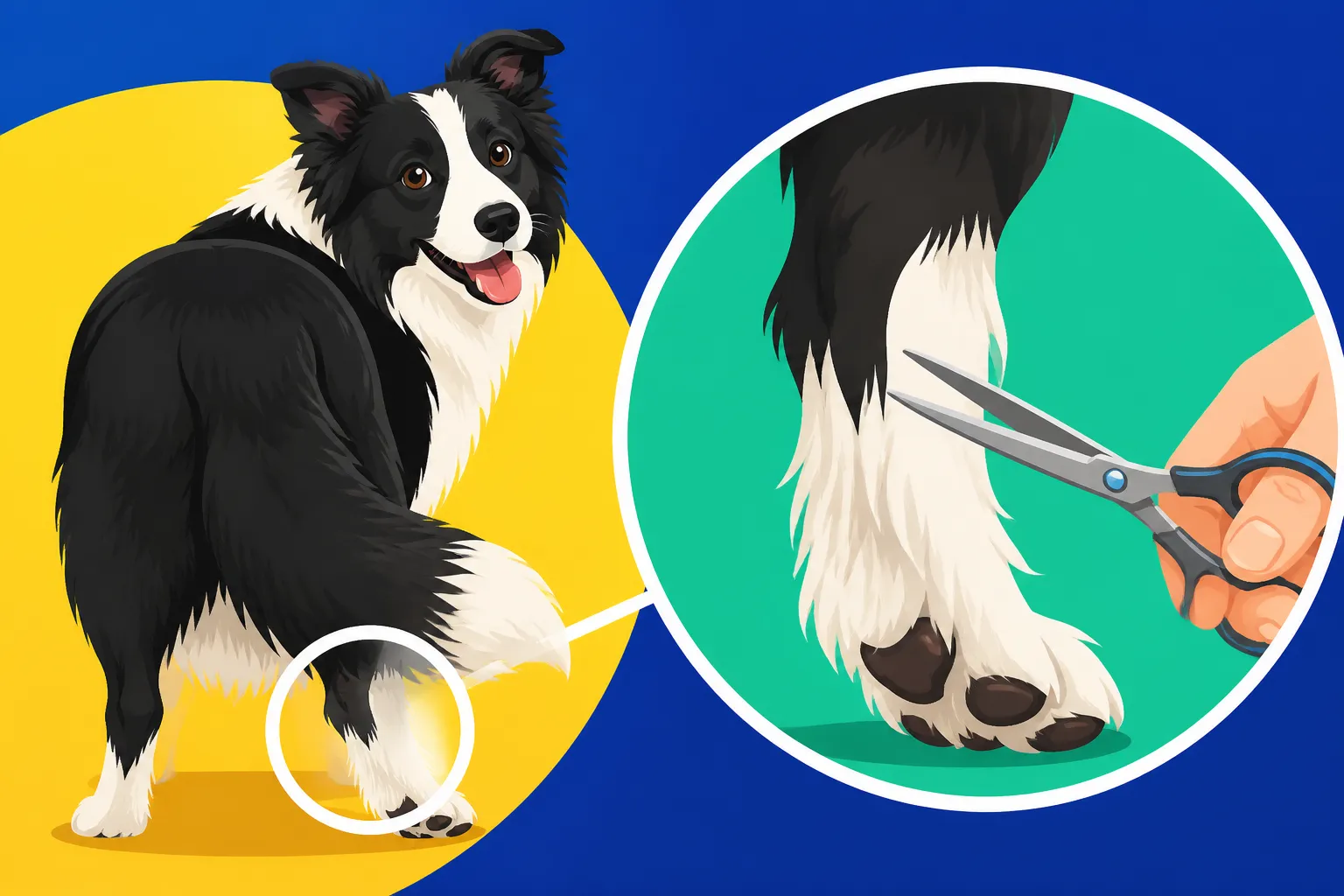
- Trim the Pads: Use your small, quiet clippers with the #10 blade. Gently hold the paw and splay the toes so you can clearly see the pads. Carefully run the clipper blade over the pads, moving with the grain of the hair, being incredibly careful not to touch the skin of the pads themselves. The goal is to get the hair flush with the pad, or even slightly shorter, so it doesn't extend beyond the pad surface. This is often where people get those "grinch feet" under control. Take your time, working in small sections. If you're nervous, lift the paw, point the clipper blade away from the pads and only cut the hair that sticks out.
- Trim Between the Toes: This is the trickiest part. The skin between the toes is very thin and easily nicked. Use only the very tip of your clippers or the blunt-nosed scissors. Spread the toes wide and carefully trim the hair that sprouts up between the pads. Always point the scissors away from the paw. You're aiming to remove the hair that protrudes, not to dig deep into the webbing. Again, go slowly, take tiny snips, and reward your dog for being patient. Remember that regular nail trimming, which influences Nail Length and How a Border Collie Turns, can also make this process easier by allowing the toes to spread more naturally.
Shaping the Foot for a Tidy Appearance
Once the pads and spaces between the toes are clean, you'll want to give the whole paw a neat, rounded look – often called a "cat foot." This improves appearance and further reduces debris collection.
- Comb the Hair Down: Using your metal comb, comb all the hair on the top and sides of the paw downwards, over the pads. This will show you exactly how much excess hair needs to go.
- Trim Around the Edge: Using your blunt-nosed scissors, carefully trim around the outline of the paw, following the natural curve. Imagine you're trimming a tiny, perfectly round circle. Hold the paw firmly but gently, angling the scissors so you're cutting parallel to the ground when the paw is placed down. You want to remove all the hair that hangs over the pads. This creates a clean line and gives the paw a much tidier appearance.
- Address the Dewclaws (if present): Many Border Collies have dewclaws on their front legs, and sometimes on their back legs. Hair can grow long around these, so gently separate the dewclaw from the leg and trim any excess hair that might get matted or catch on things. Be extra careful here, as the skin can be quite delicate.
By following these steps, you'll achieve a paw that's not only visually neat but also much more functional and comfortable for your active Border Collie. Don’t worry if it's not perfect the first time; practice makes perfect, and your dog will appreciate the effort!
Addressing the Hocks: Techniques for a Clean Look
The hocks, located on the hind legs, are another area where Border Collies, especially the rough-coated variety, can develop a considerable amount of feathering. While this long hair is beautiful, it can also be a magnet for dirt, burrs, and mats, much like the feet. Keeping them tidy is a matter of both practicality and your dog's comfort.
What Are the Hocks and Why Trim Them?
The hock joint on a dog is essentially their ankle, corresponding to our heel. It's that prominent bend in their hind leg, above the paw and below the stifle (knee). On many Border Collies, particularly those with a rough coat, you'll notice longer, feathery hair growing on the back of the hock and down towards the foot. This is part of their natural "trousers" or furnishings, similar to Feathering on a Border Collie's Front Legs.
So, why trim them?
- Mud and Debris Accumulation: Just like the feet, these longer hairs are fantastic at picking up mud, sticky seeds, and burrs. If your Border Collie is working on a farm, hiking trails, or simply running through tall grass, these hock feathers become a collection point for all sorts of natural detritus. This means more cleaning for you and more discomfort for your dog.
- Mat Prevention: The constant movement of the hocks, combined with mud and debris, makes the feathering prone to matting. Mats behind the hocks can be particularly stubborn and painful, pulling at the skin with every step.
- Reduced Visibility of Injuries: Thick, overgrown hair can obscure minor cuts, scrapes, or insect bites that might occur around the hock joint. A tidy hock allows for easier inspection during your regular health checks.
- Functionality: While perhaps less critical than the feet for grip, excessively long hock feathering can occasionally get caught or snagged, especially in dense brush, which could potentially cause a momentary imbalance or discomfort.
Ultimately, trimming the hocks is about striking a balance. You don't need to shave them bare, but reducing the bulk and length can greatly improve hygiene and comfort, especially for active dogs.
Safe Trimming Methods for the Hocks
Trimming the hocks effectively involves reducing bulk and blending the remaining hair for a natural, tidy look. You'll typically use thinning shears or clippers with a guard for this area.
- Brush Thoroughly: Start by thoroughly brushing the hock feathering with a slicker brush, followed by a metal comb. Ensure all tangles, mats, and loose hair are removed. This will give you a clear idea of the actual length and density of the hair.
- Option 1: Using Thinning Shears: This is often the preferred method for a natural, blended look.
- Comb the hair out: Comb the feathering outwards from the leg.
- Snip from the inside: Take small sections of hair and use your thinning shears to snip into the underside of the feathering, about halfway down the strand. Avoid cutting straight across the top, as this will create a blunt line.
- Blend: Continue snipping and combing, gradually reducing the bulk until the feathering looks neater and cleaner, but still natural. The goal is to thin out the dense undercoat and shorten the outer hairs without creating obvious cut lines. Focus on the hair that would drag on the ground or collect debris.
- Option 2: Using Clippers with a Guard: If your Border Collie has very thick feathering or you prefer a slightly shorter, more uniform look, clippers with a guard comb can be used.
- Choose a Guard: Select a longer guard comb (e.g., a 1/2 inch or 3/4 inch guard) to start. You can always go shorter if needed.
- Clip Downwards: With the guard attached, gently run the clippers downwards along the back of the hock, following the direction of hair growth. This will remove a consistent amount of hair, reducing bulk and creating a cleaner line.
- Blend with Scissors (Optional): If the clipper cut looks too blunt, you can use thinning shears to soften the edges and blend the clipped area into the longer hair above and below it.
Remember to take frequent breaks, praise your dog, and offer treats. The idea is to reduce the length and volume of hair that traps dirt and mats, making their hocks easier to maintain and more comfortable for them. You might find that products from Amazon like a good quality grooming table with an arm can help stabilize your dog during these sessions, making it safer for both of you.
Common Challenges and Troubleshooting
Let's face it, grooming a Border Collie isn't always a walk in the park. They are intelligent, sensitive, and can sometimes be quite particular. You're going to encounter some challenges, but knowing how to approach them can make a world of difference.
Dealing with a Wiggling or Uncooperative Dog
This is probably the most common frustration for any dog owner trying to groom at home. Your Border Collie might love you dearly, but the moment those clippers buzz or those scissors snip, they might transform into a furry, wiggling noodle.
- Start Small, Stay Short: Don't aim for a full, perfect trim in one go, especially when you're both learning. Start with very short sessions – literally 30 seconds to a minute – just touching the clippers to a paw, or doing a couple of snips. Reward heavily for even that brief cooperation. Gradually increase the duration as your dog gets more comfortable. This process, often called desensitization, is incredibly effective.
- High-Value Treats are Your Best Friend: I cannot stress this enough. Have a continuous stream of irresistible, high-value treats. Think small pieces of cooked chicken, cheese, or specialized training treats. Offer them constantly during the session, and immediately after a good moment. You want your dog to associate the grooming tools and process with delicious rewards.
- Enlist a Helper: If your dog is particularly wiggly, having a second person can be invaluable. One person can gently hold and reassure the dog, perhaps even distracting them with a lick mat smeared with peanut butter, while the other focuses on the trimming.
- Consider a Muzzle (Positive Association!): For some dogs, especially those prone to snapping or biting out of fear or frustration (like a The Border Collie Puppy That Bites Hands might do), a basket muzzle can be a safety tool. HOWEVER, it is absolutely critical that you introduce the muzzle positively, pairing it with treats and making it a good experience, never as a punishment. Your dog should be comfortable wearing it before you attempt grooming with it on.
- Tire Them Out First: As mentioned earlier, a well-exercised Border Collie is often a calmer one. A long walk, a good game of fetch, or a brain-stimulating puzzle session before grooming can help them settle down.
Remember, patience and consistency are key. Never scold or punish your dog for being uncooperative during grooming. This will only create negative associations and make future sessions even harder.
Preventing Nicks, Cuts, and Stress
The fear of hurting your dog is a legitimate one, and it's what makes many owners hesitant to do at-home grooming. But with careful technique, you can minimize these risks.
- Always Point Scissors Away from the Paw/Skin: This is a golden rule. When using scissors, always ensure the blunt tips are pointing away from your dog's skin, especially in delicate areas like between the toes. Use only the very tips of the scissors for small snips.
- Use Clipper Guards (Where Appropriate): While not ideal for paw pads, clipper guards are excellent for areas like the hocks if you're using clippers, as they prevent the blade from cutting too close to the skin.
- Stretch the Skin Taut: When using clippers, gently pull the skin taut with your free hand. This flattens the skin and helps prevent it from getting caught in the blade, especially in wrinkled areas.
- Go Slow and Take Breaks: Rushing is when mistakes happen. If your dog is getting stressed or you're feeling rushed, stop. Take a break. Let them walk around, have a drink, get some praise, and then try again in a few minutes, or even later in the day. Sometimes, it's better to do half a paw today and the other half tomorrow.
- Watch Body Language: Pay close attention to your Border Collie's body language. Are they licking their lips, yawning excessively, turning their head away, or tensing up? These are all signs of stress. If you see them, ease up, reassure them, and perhaps take a break.
- Styptic Powder is Your Backup: Keep styptic powder within arm's reach. Even with the best precautions, a tiny nick can happen. Knowing you have a quick solution for minor bleeding can alleviate some of your stress.
By focusing on these preventative measures and being mindful of your dog's emotional state, you can make the grooming experience much safer and less stressful for both of you. And remember, consistent, gentle handling is part of a comprehensive care routine, much like performing The Annual Exam a Border Collie Needs.
Maintenance and Long-Term Care
Grooming isn't a one-and-done event with a Border Collie; it's an ongoing commitment. Establishing a routine and knowing when to call in the professionals are key to keeping your dog comfortable and looking great all year round.
Establishing a Regular Grooming Routine
Consistency is truly the secret sauce when it comes to Border Collie grooming. Because their coats are designed to protect them, they also excel at collecting debris. If you wait until mats are already formed or their "grinch feet" are an undeniable issue, the process becomes much harder and more uncomfortable for your dog.
- Weekly Checks: Aim for a quick check of your Border Collie's feet and hocks at least once a week. This is an ideal time to perform a full body check, like The Weekly Once-Over a Working Border Collie Gets. Use your metal comb to gently part the hair between their toes and on the back of their hocks, looking for any developing tangles, burrs, or early signs of matting. This quick check can save you hours of work later on. If you find small tangles, brush them out immediately with your slicker brush and comb.
- Monthly Trims (or as Needed): The frequency of actual trimming will depend heavily on your individual Border Collie's coat type (Coat Length Between Rough and Smooth Border Collies), how quickly their hair grows, and their activity level. For an active dog with significant feathering, a trim of the feet and hocks every 3-4 weeks is often ideal. If their hair grows slower or they're less active, you might stretch it to every 6-8 weeks. The key is to not let the hair get so long that it becomes problematic. A good rule of thumb is to trim when you notice the hair between their pads starting to poke out significantly or when the hock feathering begins to drag or collect excessive debris.
- Integrate into Daily Life: Try to make grooming a normal, relaxed part of your dog’s routine, rather than a dreaded chore. Maybe after their morning walk, while they're relaxing, you spend five minutes brushing their feet. Or during cuddle time, you casually pick up a paw and trim a couple of stray hairs. This casual approach can help reduce their anxiety over time. Regularly brushing your Border Collie, as discussed in How Often a Rough Border Collie Needs Brushing, will also significantly reduce the amount of loose hair that can contribute to matting in these areas.
When to Seek Professional Grooming
While at-home tidying is definitely doable and encouraged, there are absolutely times when a professional groomer is the best option. There's no shame in it – sometimes, it's just what's needed for the well-being of both you and your dog.
- Overwhelm or Lack of Confidence: If you feel completely overwhelmed by the task, or you're genuinely worried about hurting your dog, a professional groomer can step in. They have the experience, specialized tools, and knowledge to handle difficult cases safely and efficiently. It's better to get professional help than to create a traumatic experience for your dog at home.
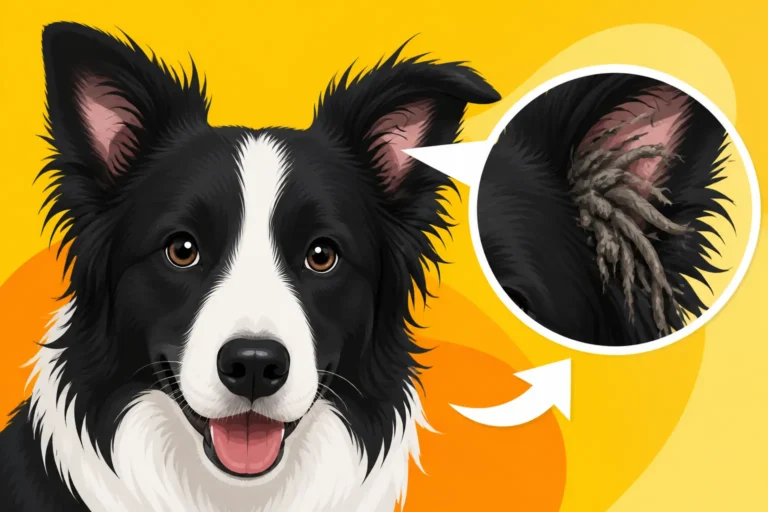
- Severe Matting: If you find significant mats around the feet or hocks that you can't comfortably and painlessly remove with a comb and brush (like some of the stubborn Mats Behind a Rough Border Collie's Ears might be), it's time for a professional. Trying to cut out tight mats with scissors at home is extremely risky and can easily result in skin cuts. Groomers have specialized tools and techniques to remove mats with minimal discomfort.
- Highly Stressed or Aggressive Dogs: For Border Collies who become extremely stressed, fearful, or even aggressive during grooming attempts, a professional groomer (especially one experienced with anxious dogs) can often achieve what you can't. They can sometimes work more efficiently, reducing the overall stress time for the dog, or use techniques you might not be comfortable with, like a professional grooming table with restraints.
- Regular Blending and Styling: While this guide focuses on practical tidying, a professional groomer can also achieve a truly seamless, show-ring quality blend on feathering if that's something you desire. They can give your Border Collie a polished look that’s hard to replicate at home.
Remember, a good groomer isn't just about making your dog look pretty; they're also checking their skin, paws, and general condition, often picking up on issues that you might miss. Many great grooming tools and products, from brushes to gentle shampoos, can be found on online retailers like Chewy and Amazon, which can help prolong the life of a professional groom or make your at-home maintenance easier between visits.
Disclaimer
This article is for general informational purposes only and does not constitute professional advice. Laws, prices and regulations vary by location and change over time. Consult a qualified professional for guidance on your specific situation.