Whether Fish Oil Helps a Border Collie’s Coat
It’s a common frustration for Border Collie owners: you look at your dog, with its magnificent coat – whether rough or smooth – and you just know it could be healthier, shinier, less prone to flaking or excessive shedding. We want our dogs to look and feel their best, and often, we hear whispers in the dog world about fish oil being the magic bullet. This guide is here to unravel the truth about whether fish oil truly helps a Border Collie’s coat, what to look for, and how to best support your dog’s skin and fur from the inside out.
Understanding Your Border Collie's Coat Needs
Border Collies are renowned for their striking coats, which are not just for show but serve crucial protective functions. From the dense double coat of a rough-coated Border Collie to the sleeker, yet still robust, fur of a smooth-coated one, their hair is designed to protect them from the elements, whether they're working sheep in damp, chilly fields or enjoying a romp in a sunny park. When that coat starts looking dull, dry, or your dog is shedding more than usual, it's natural to feel concerned and seek solutions.
The Border Collie's Unique Double Coat
Both rough and smooth-coated Border Collies possess a double coat, consisting of a soft, insulating undercoat and a coarser, protective outer coat. This structure is essential for regulating their body temperature and repelling water and dirt. The rough-coated variety boasts longer hair, especially on the mane, feathering on the legs, and a well-plumed tail, which gives them that classic, flowing appearance. This longer hair, while beautiful, can be prone to matting and collecting debris if not properly cared for. You might find yourself spending a good amount of time brushing out burrs and sticky seeds after a walk. Grooming a Rough-Coated Border Collie goes into more detail on how to tackle that.
In contrast, the smooth-coated Border Collie has a shorter, denser coat that lies flatter against the body. While it may seem lower maintenance at first glance, it still requires attention. This coat type, while shedding perhaps less dramatically in visible clumps, still sheds consistently, and the fine hairs can weave themselves into carpets and upholstery with surprising tenacity. Understanding The Smooth-Coated Border Collie and What Its Coat Needs is key to managing shedding and keeping their skin healthy underneath. Both coat types rely heavily on good internal health to maintain their luster, strength, and integrity against the environment.
Signs of a Compromised Coat: Dryness, Dandruff, Dullness
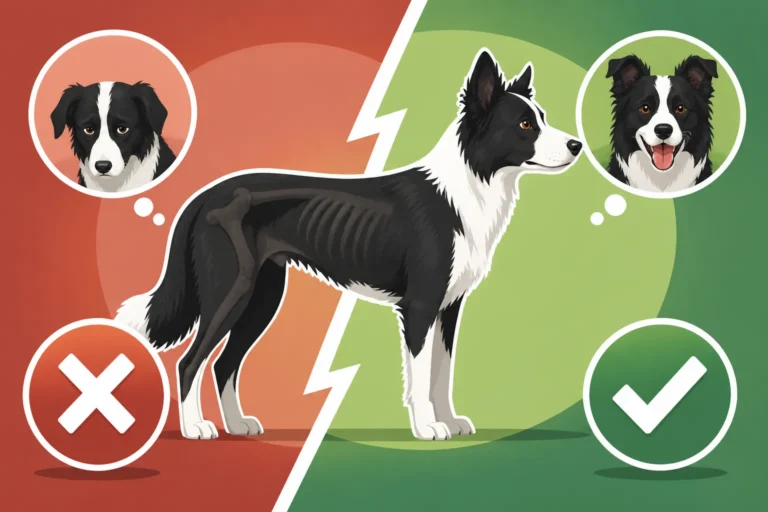
A healthy Border Collie coat should ideally be soft (especially the undercoat), shiny, and resilient, with minimal flaking of the skin. When things aren't quite right, you'll start to notice some tell-tale signs. Dryness is a big one; you might feel the coat itself is brittle or rough to the touch, rather than soft and supple. Along with dryness often comes dandruff – those frustrating little white flakes that dust your dog’s back and shoulders, sometimes visible when you ruffle their fur. This indicates dry or irritated skin beneath the coat.
Excessive shedding is another common complaint. While Border Collies are known for their seasonal "coat blows" where they shed profusely for a few weeks, persistent, year-round shedding that seems out of proportion to the season can be a sign of underlying issues. You might find yourself vacuuming constantly, with tufts of fur seeming to appear out of nowhere. Finally, a dull coat, lacking its natural sheen, is a clear indicator that something isn't quite optimal. Instead of reflecting light, the coat might absorb it, looking lackluster and lifeless. These signs aren't just cosmetic; they often point to a need for better nutritional support or an investigation into environmental factors that could be irritating their skin.
Environmental and Activity Stressors
Our Border Collies are active dogs, often spending significant time outdoors, and this lifestyle can put stress on their skin and coat. Exposure to harsh sun, wind, cold, or damp weather can strip natural oils, leading to dryness and irritation. Think of a working Border Collie out in the fields every day, exposed to all kinds of weather – their coat is constantly battling the elements. Even pet Border Collies who enjoy long hikes or trips to the dog park are exposed to various environmental challenges.
Furthermore, frequent bathing, especially with harsh shampoos, can strip the skin of its protective oils, leading to dryness and dullness. Chemical irritants in the environment, allergens, or even parasites can also take a toll. If your Border Collie has Sensitive Skin in a Border Collie, these stressors can exacerbate existing issues, leading to a vicious cycle of itching, scratching, and further damage to the coat. The sheer energy demands of a breed that can run for hours, like those mentioned in How Far a Border Collie Should Run in a Day, also means their bodies require top-tier nutrition to keep every system, including skin and coat, functioning optimally.
The Power of Omega-3s: How Fish Oil Supports Skin and Coat
So, we've identified the problem. Now, let's talk about a potential solution: fish oil. Fish oil supplements are widely praised in the canine wellness community, and for good reason. The benefits largely stem from a particular type of fat known as Omega-3 fatty acids. These aren't just good for us; they play a profound role in maintaining the health and vitality of our Border Collies too, especially when it comes to their skin and coat.
EPA and DHA: The Essential Fatty Acids
The stars of the show in fish oil are Eicosapentaenoic Acid (EPA) and Docosahexaenoic Acid (DHA). These are long-chain Omega-3 fatty acids that are considered "essential" because dogs, like humans, cannot produce them efficiently on their own. This means they must be obtained through diet or supplementation. While some plant-based oils contain Alpha-Linolenic Acid (ALA), another Omega-3, dogs struggle to convert ALA into the more beneficial EPA and DHA. Therefore, direct sources like fish oil are much more effective.
EPA and DHA are crucial components of cell membranes throughout the body, including those in the skin. They help maintain the fluidity and integrity of these membranes, which is vital for healthy skin cell function. When your Border Collie's skin cells are healthy, they form a stronger barrier against environmental irritants and retain moisture more effectively, leading to a more supple, hydrated skin and, consequently, a healthier-looking coat. These fatty acids are truly foundational building blocks for robust skin and shiny fur.
Calming Inflammation from the Inside Out
One of the most significant benefits of EPA and DHA is their powerful anti-inflammatory properties. Many skin and coat issues in dogs, such as dryness, itching, and excessive shedding, are rooted in inflammation. Whether it's an allergic reaction, environmental irritation, or simply systemic inflammation, Omega-3s can help calm the storm. They do this by modulating the body's inflammatory responses, essentially acting as natural mediators that help reduce the production of pro-inflammatory compounds.
For a Border Collie prone to Allergies in a Border Collie, fish oil can be particularly helpful in managing the skin symptoms that often accompany allergic reactions. By reducing inflammation, fish oil can alleviate itching, redness, and irritation, allowing the skin to heal and the coat to regenerate in a healthier state. This internal soothing effect not only makes your dog more comfortable but also visibly improves the quality and appearance of their fur, leading to a noticeable difference in shine and texture.
Bolstering the Skin's Natural Barrier
Beyond calming inflammation, fish oil plays a critical role in strengthening the skin's natural barrier. The skin barrier is like your dog's first line of defense against the outside world, protecting them from allergens, bacteria, and moisture loss. When this barrier is compromised, it can lead to dry, itchy skin, increased susceptibility to infections, and a dull, unhealthy coat. Think of it like a leaky roof: if the shingles are broken, the whole house is vulnerable.
The healthy fats in fish oil help to repair and reinforce the lipid layers within the skin, which are crucial for maintaining its integrity and preventing excessive water loss. A strong skin barrier means better hydration, less irritation, and a more robust foundation for healthy hair growth. This is particularly important for active Border Collies who are often exposed to dirt, dust, and varying weather conditions. With a stronger barrier, their skin is better equipped to handle these everyday challenges, leading to a consistently healthier and more vibrant coat.
Navigating Fish Oil Supplements for Your Border Collie
Now that you're convinced of the benefits, the next step is figuring out which fish oil to buy and how to give it to your Border Collie. It's not as simple as grabbing the first bottle you see; quality, source, and proper administration are all key to ensuring your dog gets the most benefit without any unintended side effects.
What to Look For in a Quality Supplement
The market is flooded with fish oil supplements, and not all are created equal. When choosing one for your Border Collie, prioritize quality and purity. Look for supplements derived from small, cold-water fish like anchovies, sardines, and mackerel, as these tend to have lower levels of mercury and other environmental toxins compared to larger, longer-lived fish. The label should clearly state the amounts of EPA and DHA per serving, not just the total Omega-3s, as these are the most beneficial components.
Certification for purity and potency is a huge plus. Many reputable brands will test their products for heavy metals, PCBs, and other contaminants. You might see terms like "molecularly distilled" or "third-party tested," which indicate a commitment to purity. Furthermore, consider the form: liquid oils are often easier to dose accurately and mix into food, while capsules can be convenient but might contain less oil per dose. Always check the expiration date, as fish oil can go rancid, losing its effectiveness and potentially causing digestive upset. Brands available on platforms like Chewy or Amazon often provide detailed product information and customer reviews, which can be helpful in making an informed choice.
Dosage Guidelines and Safe Administration
Determining the correct dosage for your Border Collie is crucial. It’s always best to consult with your veterinarian before starting any new supplement regimen, especially if your dog has existing health conditions or is on other medications. They can provide guidance based on your dog's weight, age, health status, and specific coat concerns. Generally, dosages are based on the amount of EPA and DHA, not just the total fish oil, as this varies widely between products. A common guideline might be around 100-150 mg combined EPA and DHA per 10 pounds of body weight, but again, this is a general starting point, and your vet's advice is paramount.
Start with a lower dose and gradually increase it over a week or two to allow your Border Collie's digestive system to adjust. Administering fish oil is usually straightforward; many dogs enjoy the taste of liquid fish oil mixed into their food. If using capsules, you can try hiding them in a treat or gently placing them directly into their mouth. Storing fish oil properly is essential: keep it in a cool, dark place, or even refrigerate it, to prevent oxidation and rancidity. Just as you might consider a specific diet like that offered by Ollie for high-energy dogs, pairing fish oil with a balanced, high-quality food will maximize its impact. Be mindful of potential drug interactions, especially if your Border Collie is on blood thinners or other medications. Discuss Which Drugs an MDR1 Border Collie Cannot Have with your vet, as even supplements can sometimes have unexpected effects, though fish oil is generally safe.
Potential Downsides and Considerations
While fish oil is generally safe and beneficial, there are a few potential downsides and considerations to keep in mind. The most common side effect is digestive upset, which can manifest as loose stools, diarrhea, or vomiting. This is usually mild and often resolves by reducing the dose or introducing the supplement more gradually. In rare cases, some dogs might experience increased belching or a "fishy breath," which, while not harmful, isn't always pleasant for their human companions!
Another crucial consideration is the potential for fish oil to interact with certain medications, particularly blood thinners, due to its mild anticoagulant properties. This is why veterinary consultation is non-negotiable before starting supplementation. High doses of fish oil could also theoretically lead to vitamin E depletion, so some quality supplements include vitamin E to counteract this. Furthermore, if the fish oil goes rancid, it not only loses its beneficial properties but can actually be harmful, producing free radicals. Always check the scent; if it smells overly fishy or "off," it's best to discard it. Monitoring your Border Collie's overall health and discussing any changes with your vet during their The Annual Exam a Border Collie Needs will help ensure fish oil remains a positive addition to their routine.
Beyond the Bottle: Holistic Coat Health Strategies
While fish oil can certainly be a powerful tool in your Border Collie's coat care arsenal, it's important to remember that it's just one piece of a larger puzzle. A truly radiant, healthy coat is the result of a holistic approach that addresses nutrition, grooming, and overall well-being. Thinking about your dog's coat in isolation misses the interconnectedness of their health.
The Role of a Balanced Diet
You can pour all the fish oil in the world onto a poor-quality diet and still struggle to achieve optimal coat health. A truly balanced, high-quality diet is the foundation for everything, including skin and coat. Look for dog foods that list real meat as the first ingredient and contain a good balance of fats, proteins, and carbohydrates. Avoid fillers, artificial colors, and preservatives that can sometimes contribute to skin sensitivities.
The right diet provides essential nutrients like zinc, biotin, and other B vitamins, which are vital for healthy skin and hair growth. For a highly active breed like the Border Collie, whose dietary needs can be substantial, especially for those Feeding a Border Collie That Works Two Hours a Day, a performance-oriented diet might be beneficial. If your dog is struggling with a dull coat, consider discussing their current food with your vet or a canine nutritionist. Sometimes, simply upgrading their kibble or exploring fresh food options can make a remarkable difference, complementing the benefits of fish oil beautifully.
Smart Grooming for a Healthy Sheen
Regular grooming isn't just about looking tidy; it's a vital part of maintaining a healthy coat and skin. Brushing helps distribute natural oils throughout the coat, promoting a healthy sheen and preventing dryness. For rough-coated Border Collies, daily brushing can prevent mats and tangles, which can otherwise pull on the skin and cause irritation. For both coat types, brushing helps remove loose hair, dirt, and debris, which can reduce shedding around the house and allow the skin to breathe.
During heavy shedding periods, often referred to as The Two Weeks a Border Collie Blows Its Coat, diligent brushing is even more important to help remove the dead undercoat. Bathing should be done judiciously, typically every few weeks or as needed, using a gentle, dog-specific shampoo that doesn't strip natural oils. Harsh chemicals in human shampoos can disrupt the pH balance of a dog's skin, leading to dryness and irritation. Always make sure to rinse thoroughly, as shampoo residue can also be an irritant. For persistent odor or oiliness, consider a medicated shampoo recommended by your vet.
Here's a quick comparison of healthy vs. unhealthy coat signs:
| Feature | Healthy Border Collie Coat | Unhealthy Border Collie Coat |
|---|---|---|
| Appearance | Shiny, vibrant, even color, reflects light | Dull, lackluster, patchy, faded, brittle |
| Texture | Soft, supple, resilient, smooth to the touch | Rough, dry, coarse, greasy, matted, tangled |
| Skin beneath | Clean, clear, pale pink, free from redness or irritation | Red, irritated, flaky, scaly, bumps, scabs, strong odor |
| Shedding | Seasonal "blows" with minimal year-round shedding | Excessive, persistent shedding year-round, bald spots |
| Odor | Mild, clean "dog" smell | Strong, unpleasant, yeasty, or rancid smell |
| Itching/Scratch | Minimal, occasional grooming | Frequent, intense scratching, licking, chewing |
Veterinary Consultation for Persistent Issues
If, despite your best efforts with diet, grooming, and fish oil supplementation, your Border Collie's coat issues persist or worsen, it’s time to involve your veterinarian. Skin and coat problems can be indicators of underlying health conditions that require professional diagnosis and treatment. These could range from allergies and parasitic infestations to more serious issues like fungal infections, bacterial skin infections, or even endocrine disorders such as hypothyroidism, which can cause Coat Loss in a Border Collie With Thyroid Trouble.
Your vet can perform diagnostic tests, such as skin scrapings, blood tests (like Yearly Bloodwork for a Border Collie), or allergy tests, to pinpoint the exact cause of the problem. They can then recommend appropriate medical treatments, prescribe specialized diets, or suggest other targeted supplements. For example, some skin conditions benefit from specific dietary changes or prescription medications that fish oil alone cannot address. Remember, fish oil is a supplement to support health, not a cure for underlying disease. A comprehensive approach, guided by your vet, is always the most effective path to ensure your Border Collie not only looks great but is truly healthy from the inside out.
Disclaimer
This article is for general informational purposes only and does not constitute professional advice. Laws, prices and regulations vary by location and change over time. Consult a qualified professional for guidance on your specific situation.