Testing a Lump on a Border Collie
Finding a mysterious lump or bump on your beloved Border Collie can send a wave of panic through even the most experienced dog owner. That little chill of fear, the immediate "what if" playing in your head – it's a completely natural reaction. This comprehensive guide is here to walk you through the process, from that initial discovery at home to understanding veterinary diagnostics and potential next steps, helping you navigate this worrying situation with confidence and clarity.
The Initial Discovery: When You Find a Lump
It often happens quite innocently. You’re giving your Border Collie a good scratch behind the ears, or perhaps a thorough belly rub, and suddenly your fingers brush against something unfamiliar. A lump. Your heart might do a little flip-flop. Is it new? Has it always been there? The questions start, and the worry quickly follows.
Assessing the Lump at Home
When you first discover a lump, the immediate urge might be to panic, but taking a moment to gather some basic information can be incredibly helpful for your vet. Don't press too hard or try to "fix" it, but gently feel around it. What can you tell me about this new guest?
First, consider its location. Is it on their rib cage, limb, head, or somewhere more sensitive like the groin or armpit? This can sometimes give a clue. Next, try to gauge its size. Is it tiny, like a pea, or larger, like a grape or even an egg? It's useful to compare it to something common. Can you also determine its mobility? Does it feel fixed in place, or does it move freely under the skin when you try to gently shift it? Some benign lumps, like lipomas (fatty tumors), often feel quite mobile. Then there’s the texture. Is it soft and squishy, firm but rubbery, or hard like bone? And what about warmth? Does the skin over the lump feel warmer than the surrounding areas? This could indicate inflammation or infection. Finally, and perhaps most importantly, is it painful to your Border Collie? If they flinch, whine, or snap when you touch it, that’s a significant piece of information. Try to remember when you first noticed it, and if it seems to have changed in size or character since then. A thorough check during your The Weekly Once-Over a Working Border Collie Gets can help you spot these changes early.
Knowing When to Call the Vet Immediately
While most lumps turn out to be harmless, there are definite red flags that warrant an immediate call to your veterinarian. You know your Border Collie best, and if something just doesn't feel right in your gut, always err on the side of caution. Prompt action can make all the difference, especially when dealing with potential Cancer in an Older Border Collie.
You should contact your vet without delay if the lump is growing rapidly. A sudden increase in size over days or weeks is a major concern. Any lump that appears to be painful to your dog, causing them to limp, guard the area, or show discomfort, also needs urgent attention. If the skin over the lump is red, inflamed, ulcerated, or discharging pus or blood, it could indicate an infection, an abscess that needs draining, or a more aggressive tumor breaking through the skin. Lumps that are hard and fixed to underlying bone or muscle are also concerning. Finally, observe your Border Collie’s general demeanor. If they are showing other signs of illness, such as lethargy, loss of appetite, vomiting, or difficulty breathing, alongside the lump, this is definitely an emergency. Don't wait; even a quick phone call can help your vet prioritize.
Common Types of Lumps Border Collies Get
Just like us, Border Collies can develop all sorts of bumps and lumps throughout their lives. The vast majority of these are benign and nothing to lose sleep over, but it's crucial to understand the difference. Knowing the common culprits can ease some of your initial anxiety, even if a vet visit is always the right next step for a definitive diagnosis.
Benign Bumps and Blemishes
Many of the lumps you discover on your Border Collie will turn out to be completely harmless. It's often a relief when your vet confirms it's nothing to worry about, though the initial fear is real! These non-cancerous growths are common, especially as our dogs age, and can sometimes be left alone or removed if they cause discomfort.
One of the most frequently diagnosed benign lumps is a lipoma. These are soft, fatty tumors that feel squishy and often move freely under the skin. They are usually harmless, tend to grow slowly, and are more common in older, sometimes overweight, dogs. While usually no cause for concern, if a lipoma grows very large or is in a location that interferes with movement, like in the armpit, your vet might suggest removal. Another common one is a sebaceous cyst. These occur when a sebaceous gland, which produces oily sebum, becomes blocked. They often feel firm or rubbery, can sometimes have a blackhead-like pore, and may periodically rupture, releasing a cheesy, foul-smelling substance. While messy and prone to infection, they are typically benign. Warts, or papillomas, caused by a virus, are more common in young dogs or those with weakened immune systems. They often appear around the mouth, eyelids, or feet and usually regress on their own. Lastly, histiocytomas are benign skin tumors, most often found in young dogs (under two years old) and tend to appear suddenly, grow quickly, and then disappear on their own within a few months. They can be alarming when they first appear due to their rapid growth, but usually resolve without intervention.
Malignant Concerns: What to Watch For
While we all hope for the best, it's essential to be aware that some lumps can be malignant, meaning they are cancerous. The good news is that with early detection and appropriate treatment, many types of canine cancer can be managed, and your Border Collie can still enjoy a good quality of life. This is why thorough and timely veterinary examination is paramount.
Among the more concerning lumps are mast cell tumors. These are one of the most common skin cancers in dogs and can vary greatly in appearance, sometimes mimicking benign growths. They can be anywhere on or under the skin, or even internal. What makes them tricky is that they can change size and appearance rapidly, sometimes seeming to shrink and then swell again. They can also be itchy or cause irritation. Early removal with wide margins is crucial for better outcomes. Soft tissue sarcomas are another group of malignant tumors that can arise from connective tissues like fat, muscle, and fibrous tissue. They often feel firm and fixed, though their appearance can also vary. These typically require aggressive surgical removal and sometimes radiation therapy. While not always presenting as a lump, lymphoma can cause swollen lymph nodes, which might feel like lumps in areas like the neck, armpits, or groin. If you notice generalized swelling in these areas, it warrants immediate investigation. Though less common as a superficial lump, osteosarcoma is an aggressive bone cancer. While usually deep within a limb bone, sometimes a significant swelling around a joint might be the first visual sign. Understanding these possibilities is not to scare you, but to reinforce the importance of seeking professional veterinary advice promptly.
| Lump Type | Common Location | Texture/Feel | Growth Rate | Typical Prognosis | Initial Action |
|---|---|---|---|---|---|
| Lipoma | Torso, limbs, anywhere | Soft, mobile, "fatty" | Slow | Benign, usually good | Monitor, consider removal if problematic |
| Sebaceous Cyst | Head, neck, back | Firm, rubbery, often a pore | Slow, may rupture | Benign, recurrent | Monitor, keep clean, vet for infection |
| Histiocytoma | Head, ears, limbs | Red, raised, "button-like" | Rapid, then regress | Benign, self-resolving | Vet evaluation to confirm, then monitor |
| Abscess | Anywhere, often painful to touch | Swollen, hot, soft/fluctuant | Rapid | Benign, but needs draining | Immediate vet care for drainage/antibiotics |
| Mast Cell Tumor | Anywhere, can be under skin | Variable (soft to firm), may change size | Variable, can be rapid | Malignant, guarded to good with early removal | Immediate vet evaluation & biopsy |
| Soft Tissue Sarcoma | Limbs, torso, fixed to underlying tissue | Firm, fixed | Moderate to rapid | Malignant, guarded to good with aggressive treatment | Immediate vet evaluation & biopsy |
The Veterinary Diagnostic Process
Once you’ve found a lump and made that all-important call, your vet will take over the investigation. It’s a methodical process designed to get to the bottom of what that lump is, and it usually involves a series of steps, starting with a thorough physical examination and potentially moving into more advanced diagnostics. This is where your detailed observations from home will really come in handy!
The Initial Vet Examination and Palpation
Your vet will start by doing exactly what you did at home, but with a trained, experienced touch. They’ll perform a comprehensive physical examination of your Border Collie, paying close attention to the lump itself. They’ll want to know everything you observed: when you found it, how it felt, if it's changed, and if your dog seems bothered by it. This is also a good time to discuss other aspects of your dog’s general health, perhaps referencing information about The Age a Border Collie Starts to Slow or any other changes you've noticed.
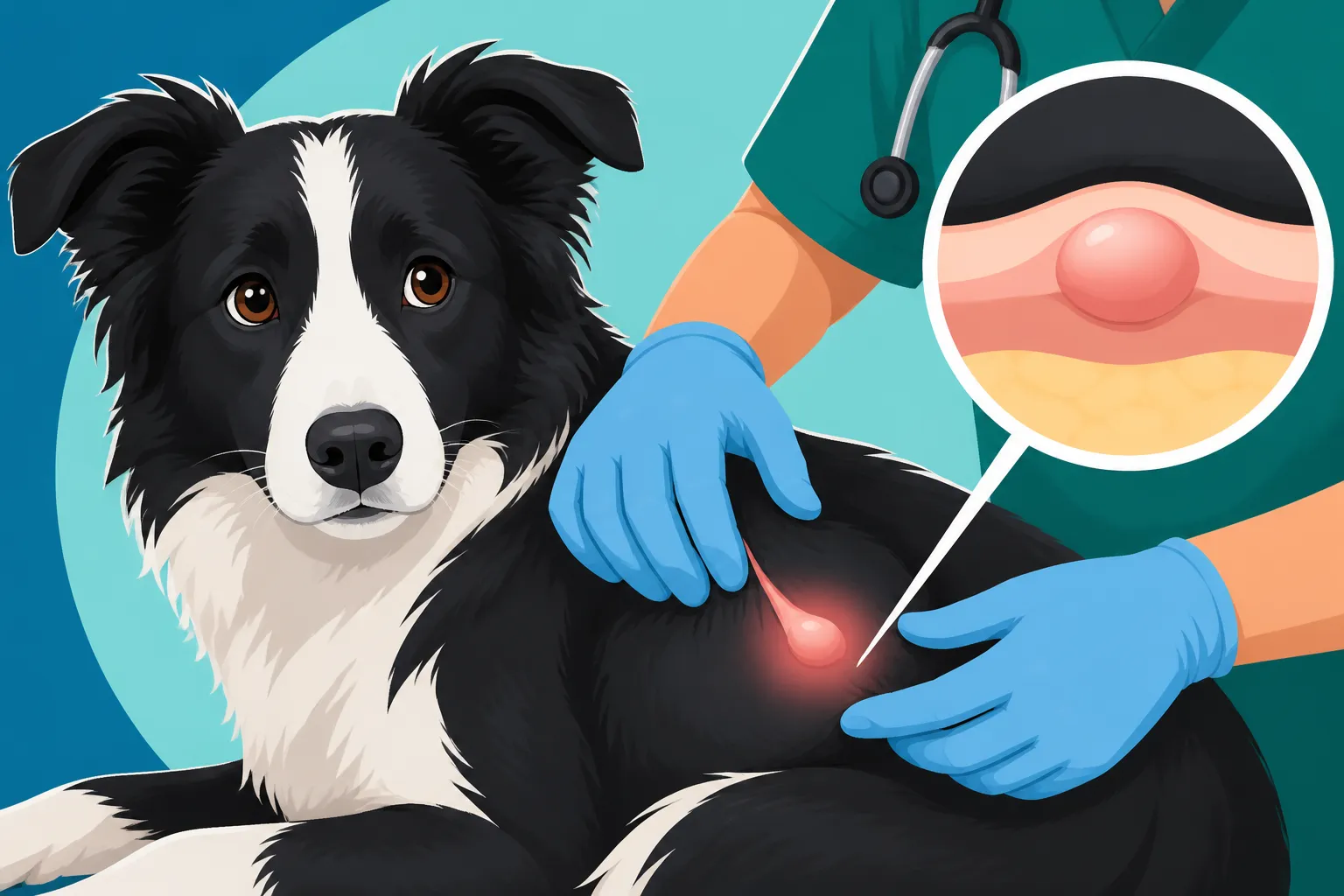
During palpation, the vet will carefully feel the lump, noting its size, shape, texture, consistency (soft, firm, fluid-filled), mobility (fixed or freely movable), and whether it appears painful to your dog. They’ll also check the surrounding skin for any inflammation, ulceration, or discharge. Importantly, they will also palpate your Border Collie's regional lymph nodes – those in the jaw, shoulders, and behind the knees – as swollen lymph nodes can sometimes indicate an inflammatory or cancerous process, especially if a lump is malignant and has spread. This initial assessment helps the vet narrow down the possibilities and decide which diagnostic steps are most appropriate.
Fine Needle Aspiration FNA and Biopsy
After the initial exam, the vet will likely recommend further testing to get a clearer picture of the lump's nature. Two common initial diagnostic tools are Fine Needle Aspiration (FNA) and biopsy. These tests help determine whether the cells making up the lump are benign or malignant.
A Fine Needle Aspiration (FNA) is often the first step because it's minimally invasive and can often be done during a regular office visit without sedation. Your vet will use a small, sterile needle to collect a sample of cells from the lump. These cells are then spread onto a slide and examined under a microscope by a veterinary pathologist. An FNA can quickly distinguish between common benign growths like lipomas or cysts and more serious issues like mast cell tumors. However, sometimes an FNA can be "non-diagnostic" or inconclusive, meaning not enough cells were collected, or the sample wasn't representative of the entire lump. If the FNA is inconclusive or suggests a more serious problem, a biopsy will likely be recommended. A biopsy involves taking a larger tissue sample. This can be a punch biopsy (a small circular core of tissue), an incisional biopsy (removing a wedge of the lump), or an excisional biopsy (removing the entire lump). Biopsies are more invasive, often requiring local anesthesia or even general sedation, but they provide a much more definitive diagnosis because the pathologist can examine the tissue architecture, not just individual cells. This can give crucial information about the type of tumor, its grade (how aggressive it is), and whether it has clear margins (meaning the entire tumor was removed). These diagnostic steps, while sometimes costly, can be essential, and knowing you have coverage from providers like Healthy Paws can certainly alleviate some of the financial stress during this uncertain time.
Advanced Imaging and Staging
For lumps that are suspected to be malignant, or if their location makes an FNA or biopsy challenging, your vet might recommend advanced imaging and "staging." Staging is the process of determining if cancer has spread to other parts of the body. This is a critical step in planning the most effective treatment for your Border Collie.
X-rays might be taken, especially if the lump is near bone or if there's concern about internal spread to the lungs. For deeper lumps or those in soft tissues, an ultrasound can provide detailed images, helping to determine the lump's depth, its relationship to surrounding organs, and if it's solid or fluid-filled. CT scans (Computed Tomography) offer even more detailed, three-dimensional images and are particularly useful for assessing tumors in complex areas like the head, chest, or pelvis, or for surgical planning. Beyond imaging, your vet will likely recommend bloodwork, including a complete blood count (CBC) and biochemistry panel, to assess your Border Collie's overall health and organ function before any treatment like surgery or chemotherapy. Checking Yearly Bloodwork for a Border Collie is a routine part of senior care, but it’s critical when dealing with a potential cancer diagnosis. All this information – from imaging to blood tests – is crucial for accurately staging the cancer. This tells the veterinary oncologist if the cancer is localized (only at the primary site) or if it has metastasized (spread) to other parts of the body. Staging directly influences the prognosis and the recommended treatment plan, moving from localized removal to more systemic approaches if the disease is widespread.
Understanding the Results and Next Steps
Receiving the results from your Border Collie's tests can be an anxious wait. Whether it's good news or bad, understanding what the pathology report means and discussing the next steps with your veterinarian is crucial for making informed decisions about your dog's health and future.
Interpreting the Pathology Report
Once the biopsy or FNA samples have been analyzed by a veterinary pathologist, a detailed report will be sent to your vet. This report is the key to understanding the lump. Your vet will go through it with you, explaining the terminology and its implications for your Border Collie.
The most important distinction in the report will be whether the lump is benign (non-cancerous) or malignant (cancerous). If it’s benign, you might get recommendations for monitoring or simple removal if it’s causing issues. If it’s malignant, the report will provide more specific details. It will identify the type of cancer (e.g., mast cell tumor, soft tissue sarcoma) and often include a grade. Tumor grading, typically from Grade I (least aggressive) to Grade III (most aggressive), helps predict how quickly the tumor might grow and spread. The report will also comment on surgical margins if the lump was completely removed. "Clean margins" mean that the pathologist found a rim of healthy tissue all around the removed tumor, suggesting all cancerous cells were likely taken out. "Dirty" or "incomplete" margins mean cancerous cells were found at the edge of the removed tissue, indicating that some cancer cells might still be present in your Border Collie and further surgery or treatment may be needed. Understanding these details empowers you to ask the right questions and participate fully in your Border Collie’s care plan.
Treatment Options Based on Diagnosis
Once you have a clear diagnosis and understanding of the pathology report, your vet, or a veterinary oncologist, will discuss the available treatment options. The approach will depend entirely on the type, location, size, and stage of the lump, as well as your Border Collie's overall health and your family's preferences.
For many localized tumors, surgery is the primary treatment, aiming to remove the entire mass with clean margins. This is often curative for benign growths and many malignant ones, especially if caught early. If surgery alone isn't sufficient, or if the cancer has spread, chemotherapy might be recommended. This involves using drugs to kill cancer cells throughout the body and can be given orally or by injection. While the word "chemotherapy" can sound scary, veterinary chemotherapy is generally much less harsh than human chemotherapy, with fewer side effects, as the goal is often to extend a good quality of life rather than achieve a complete cure at any cost. Radiation therapy is another option, using high-energy radiation to target and destroy cancer cells in a specific area. It’s often used after surgery to ensure all cancer cells are eliminated, or as a primary treatment for tumors that can't be surgically removed. In some cases, especially with aggressive cancers in older dogs showing Signs an Old Border Collie Is in Pain, palliative care might be the chosen path. This focuses on managing pain and maintaining comfort and quality of life, rather than aggressively trying to cure the disease. Discussing all options, their potential side effects, and costs can be overwhelming, but remember that pet insurance, such as a policy from Healthy Paws, can provide crucial financial support for these treatments, allowing you to focus on what’s best for your furry friend.
Monitoring and Prevention
Even after a lump has been diagnosed and treated, the journey isn't over. Regular monitoring is key, and while not all lumps are preventable, there are steps you can take to stay proactive about your Border Collie's health. You'll want to stay vigilant, keeping an eye out for any new bumps or changes to existing ones.
Continuing with regular at-home checks is vital. Get into the habit of giving your Border Collie a thorough head-to-tail pat-down weekly. Feel for any new bumps, and if you notice anything, make a note of its size, location, and date of discovery. Many owners find it helpful to keep a small journal or use an app to track these observations, even taking photos to document changes. Regular veterinary check-ups are also indispensable. Your vet can spot subtle changes you might miss and perform professional palpations. These routine visits, including The Annual Exam a Border Collie Needs, allow your vet to reassess any monitored lumps and discuss your Border Collie's overall health, diet, and lifestyle, which all play a role in their well-being. While you can't entirely prevent cancer or other lumps, maintaining your Border Collie at a healthy weight, providing a balanced diet, and ensuring they get appropriate exercise can contribute to their general health and resilience. Early detection truly is the most powerful tool we have in managing lumps, whether they turn out to be harmless or something more serious.
Disclaimer
This article is intended for informational purposes only and is not a substitute for professional veterinary medical advice, diagnosis, or treatment. Always seek the advice of your veterinarian or other qualified animal health provider with any questions you may have regarding a medical condition.