Neutering a Border Collie and Its Drive
One of the biggest concerns many Border Collie owners face, especially those with high-drive working or sport dogs, is the decision of whether or not to neuter their beloved companion. There's a persistent worry that neutering will somehow "dull" that incredible spark, that intense drive, and the very essence that makes a Border Collie so unique and capable. This comprehensive guide will delve deep into the nuances of Border Collie drive, the physiological impacts of neutering, and what you can realistically expect regarding behavioral changes, helping you make an informed decision for your dog.
Unpacking the Intricate Nature of Border Collie Drive
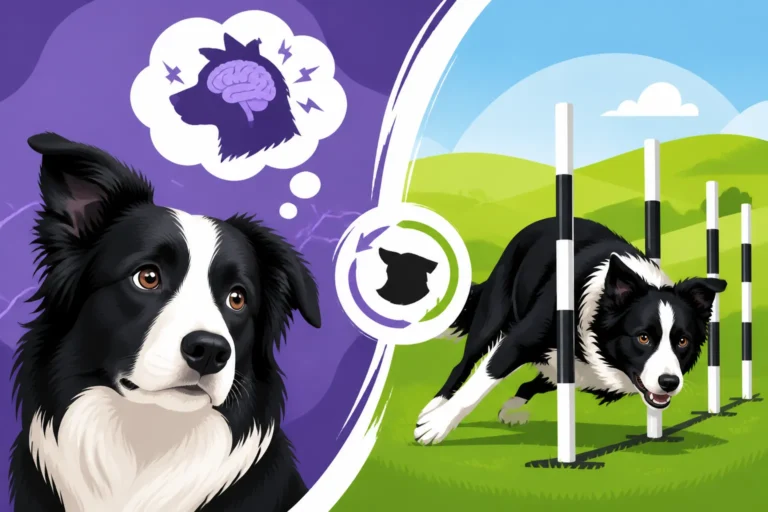
Before we can even begin to discuss how neutering might affect a Border Collie's drive, we first need to understand what "drive" truly means in this breed. It’s not just boundless energy; it's a complex tapestry of instincts, intelligence, and an insatiable desire to work. Owners often lament that their Border Collie has "too much drive," but in reality, it's often an unmet need for appropriate mental and physical engagement.
The Instinctual Nature of Drive
At its core, a Border Collie's drive is rooted in centuries of selective breeding for herding livestock. This isn't a learned trick; it's hardwired into their DNA. It manifests as intense focus, incredible responsiveness, and an almost obsessive commitment to a task. This instinctual drive is what compels them to gather, to stalk, to use their powerful "eye" to control movement. When you see a young Border Collie pup instinctively trying to "herd" your cat or the kids, you're witnessing this innate drive in action. It's truly a marvel to behold, but it also means it's not something you can simply turn off or on.
Different Facets of Border Collie Drive
Drive in a Border Collie isn't a monolithic trait; it has many expressions. You might observe:
- Prey Drive: This is the urge to chase and capture, often seen in their enthusiasm for fetching balls or frisbees, or, less desirably, chasing squirrels or cars. While often associated with hunting, in Border Collies, it's heavily modified for herding, turning into a desire to control movement rather than kill.
- Herding Drive: The quintessential Border Collie trait. This involves stalking, gathering, balancing, and controlling stock. It requires immense focus, strategic thinking, and often a level of independence from the handler.
- Work Ethic/Trainability Drive: This refers to their incredible willingness to please and their high capacity for learning. They thrive on having a job and excel in obedience, agility, and other dog sports. This "drive to work" is why many find them so rewarding to train, but it also means they require consistent mental stimulation.
- Physical Stamina and Intensity: Border Collies are built for endurance and explosive bursts of speed. Their physical drive allows them to work tirelessly for hours, covering vast distances. This is often the most visible aspect of their drive that people associate with "high energy."
Understanding these different components is vital because neutering might subtly influence some behaviors, but it's highly unlikely to erase the fundamental instinctual wiring that defines the breed's drive.
The Hormonal Connection to Drive
When we talk about neutering, we're talking about removing the primary source of sex hormones: the testes in males and the ovaries in females. These hormones, particularly testosterone and estrogen, play a significant role in a dog's development, physical attributes, and certain behaviors.
Testosterone's Role in Male Border Collies
In male Border Collies, testosterone is responsible for many "masculine" traits. It influences the development of larger muscle mass, contributes to a thicker coat, and is linked to behaviors like marking territory, roaming in search of mates, and sometimes, increased aggression or assertiveness towards other intact males. It also plays a role in confidence and general vigor.
After neutering, testosterone levels drop significantly. This reduction can lead to:
- Decreased Roaming and Marking: The urge to find a mate and mark territory often lessens considerably.
- Reduced Inter-Male Aggression: While not a guaranteed fix for all aggression, neutering can reduce hormonally-driven conflict with other intact males.
- Potential for a "Softer" Demeanor: Some owners report their neutered males become slightly less assertive or intense, though this is often more about reduced competitive drive with other males than a fundamental loss of working focus.
However, it's crucial to understand that testosterone does not create herding drive or trainability. These are instinctual and cognitive traits. While a male with very high testosterone might be harder to focus due to sexual distractions, the underlying drive to work remains.
Estrogen and Progesterone in Female Border Collies
In female Border Collies, estrogen and progesterone regulate the heat cycle and reproductive behaviors. These hormones can influence:
- Heat Cycles: Spaying eliminates heat cycles, which come with behavioral changes like restlessness, increased vocalization, attraction of intact males, and sometimes a temporary decrease in focus during training or work.
- Maternal Instincts: While less directly tied to working drive, some females develop "pseudopregnancies" after a heat cycle, which can involve nesting behaviors or a temporary shift in focus.
Spaying prevents these cycles entirely, leading to a more consistent hormonal profile. This consistency can be beneficial for working females who need to maintain peak focus year-round without the physiological distractions of a heat cycle. For many working dog handlers, avoiding a heat cycle at a crucial trial or during a busy lambing season is a significant advantage of spaying.
Behavior vs. Instinct: Separating the Two
This is where the distinction becomes critical. Neutering primarily impacts hormonally-driven behaviors and sexual instincts. It does not remove the deep-seated, genetic programming for herding, problem-solving, or the desire to learn.
Think of it this way: a Border Collie's instinct to herd is like a powerful engine. Hormones might influence how much fuel is in the tank (energy, focus on certain tasks) or what direction the driver is currently looking (towards a mate vs. towards sheep). Neutering might adjust these factors, but it doesn't remove the engine itself, nor does it fundamentally alter the dog's innate GPS for "work." The dog still has the inherent capacity and desire to work; the distractions might just be fewer.
Immediate and Long-Term Effects of Neutering on Drive
So, what can you actually expect after your Border Collie is neutered? The changes are often subtle in terms of core drive but can be quite noticeable in terms of certain behaviors.
Behavioral Changes Post-Neutering
Many owners report a general calming effect after neutering, particularly in males. This often translates to:
- Reduced Sexual Frustration: An intact male Border Collie, especially one around intact females, can be a whirlwind of distraction. Neutering removes this intense, often frustrating, sexual urge, allowing them to focus more readily on their handler and task.
- Less Roaming and Marking: The instinct to wander off in search of a mate significantly decreases, making them potentially more reliable off-leash in appropriate environments. Likewise, the incessant marking of every vertical surface often subsides.
- Decreased Reactivity: For some males, neutering can lead to a reduction in reactivity towards other intact males. This isn't a magic bullet for all dog-on-dog aggression, but it can help alleviate hormonally-driven challenges.
- More Consistent Focus in Females: Without the fluctuations of heat cycles, spayed females often exhibit more consistent behavior and focus, making them more predictable for training and competition.
It's rare for a Border Collie to suddenly "lose" its desire to work or play fetch after neutering. If anything, by removing the distractions of hormones, some dogs actually become more focused on their human and their job. The drive is redirected, not diminished.
Physical and Metabolic Considerations
Neutering also brings about physical and metabolic changes that are important to consider:
- Weight Gain Tendency: With a drop in sex hormones, a dog's metabolism can slow down, making them more prone to weight gain. This isn't a loss of drive, but if a dog becomes overweight, their stamina and willingness to work will naturally decrease. This means owners must be more vigilant about diet and exercise.
- Coat Changes: Some Border Collies, particularly rough-coated ones, may experience a change in coat texture, sometimes becoming softer or thicker. This doesn't affect drive but is a noticeable cosmetic change.
- Bone Health and Growth Plate Closure: The timing of neutering is a significant consideration. Early spay/neuter (before growth plates have closed) can delay or prevent proper closure, potentially leading to longer limbs and increasing the risk of certain orthopedic issues like hip and elbow dysplasia, or cruciate tears. This is why many veterinarians and sport dog enthusiasts now recommend waiting until a dog is fully mature, typically between 12-24 months, especially for larger or highly athletic breeds like the Border Collie. Concerns about joint health are particularly relevant for a dog whose working life depends on its soundness. You can read more about Spaying a Border Collie Early and Its Joints.
The "Softening" Myth vs. Reality
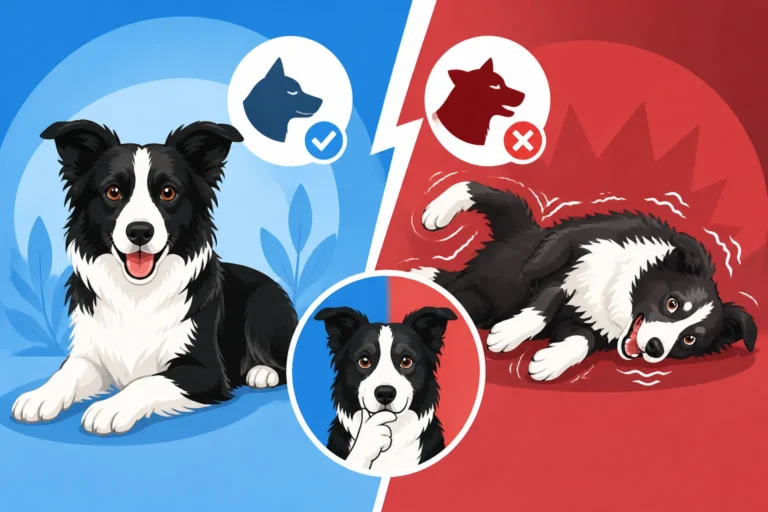
The idea that neutering "softens" a Border Collie, making them less intense or less driven, is largely a myth in terms of their core working ability. What often happens is that the hormonally-fueled restlessness and sexual preoccupation diminish, allowing the dog to channel their existing drive more effectively into productive tasks.
A Border Collie that was constantly scanning for mates, marking, or trying to escape fences might indeed seem "softer" post-neuter because those distracting, high-energy, hormonally-driven behaviors are reduced. But if that dog loved fetching a ball or working sheep before, they will almost certainly continue to love it just as much, if not more, once those other distractions are gone. True drive – the intelligence, the focus, the desire to work – is an inherent part of their personality and genetics, not solely a product of hormones.
Factors Beyond Neutering That Influence Drive
It's a mistake to attribute every behavioral shift, or perceived loss of drive, solely to neutering. Many other factors profoundly impact a Border Collie's energy, focus, and willingness to work.
Training and Socialization's Impact
Consistent, positive training and appropriate socialization are paramount in shaping a Border Collie's behavior and channeling its drive. A neutered dog that receives consistent mental and physical stimulation will maintain its drive far better than an intact dog left to its own devices.
- Early Exposure: Proper socialization as a puppy teaches them how to navigate the world calmly, reducing anxiety that can manifest as unwanted behaviors.
- Ongoing Training: Regular training sessions, whether for obedience, agility, or herding, keep their minds engaged and their skills sharp. This stimulation is vital for a breed as intelligent as the Border Collie. Without it, that incredible brain power can turn inward, creating problems like shadow chasing or obsessive behaviors. You might also be interested in Teaching a Border Collie the Herding Commands.
Age and Maturation
Just like humans, dogs change as they mature. A rambunctious 1-year-old Border Collie will naturally "settle" somewhat by the time it's 3 or 4, regardless of its spay/neuter status. The frantic, unfocused energy of puppyhood gives way to a more controlled, purposeful drive in adulthood. As Border Collies age, their physical capabilities may decline, and with it, their outward expression of drive. This is a natural part of How Long a Border Collie Lives. A dog around eight years old might start to slow down, not because of neutering, but simply due to the aging process and potential onset of conditions like osteoarthritis.
Health and Wellness
Underlying health issues can significantly impact a Border Collie's energy levels and drive. A dog in pain, experiencing metabolic issues, or dealing with chronic illness will naturally be less enthusiastic about work or play.
- Thyroid Issues: Hypothyroidism, for example, can cause lethargy and a noticeable drop in a dog's drive and work ethic. If you're noticing a sudden, unexplained decrease in energy, it's always wise to consult your vet. Read more about Why a Border Collie's Drive Drops With Its Thyroid.
- Joint Pain: Conditions like hip or elbow dysplasia, even if mild, can make running, jumping, or sustained work uncomfortable, leading to a dog that seems to have "lost" its drive but is actually just in pain. Regular vet check-ups are crucial. Pet insurance providers like Healthy Paws can be a real lifeline if unexpected health issues arise, helping cover costs for diagnostics and treatment that impact your dog's ability to work.
- Other Illnesses: Any illness that makes a dog feel unwell will affect its willingness to engage. This is why a comprehensive health panel is always a good idea. You can learn more about The Border Collie Genetic Panel and What It Screens and what breeders screen for.
Environment and Opportunity for Work
A Border Collie's drive needs an outlet. If a dog is kept in an environment where its natural instincts and intelligence are not utilized, it will become frustrated, destructive, or lethargic.
- Lack of Stimulation: A Border Collie confined to a small yard with no job will likely develop behavioral problems or appear "lazy" because its immense drive has no constructive channel.
- Inconsistent Work: Even working dogs need consistent opportunities. A sheepdog that only gets to work a few times a year might not maintain the same level of sharpness as one working daily.
A neutered Border Collie given a challenging job, consistent training, and proper exercise will almost certainly retain its incredible drive and work ethic.
Making the Neutering Decision
The decision to neuter your Border Collie is a personal one, with both pros and cons that extend beyond just drive. It's about weighing health benefits, behavioral management, and your individual circumstances.
Health Benefits of Neutering
Beyond the behavioral impacts, neutering offers significant health advantages:
- For Males: Castration eliminates the risk of testicular cancer and significantly reduces the risk of prostate problems later in life, such as benign prostatic hyperplasia (BPH) and prostatitis. It also removes the risk of certain perianal tumors.
- For Females: Spaying completely prevents uterine infections (pyometra), which can be life-threatening, and eliminates the risk of uterine and ovarian cancers. If performed before the first heat cycle, it dramatically reduces the risk of mammary cancer, which is a common and often aggressive cancer in unspayed females.
These health benefits are often a major driving force behind the decision, especially as Border Collies age. While no insurance policy covers pre-existing conditions, considering pet insurance like Healthy Paws when your Border Collie is young and healthy can help cover unforeseen medical issues in the future.
Mitigating Unwanted Behaviors
Neutering can be a highly effective tool for managing certain unwanted behaviors, particularly those driven by hormones:
- Roaming: For a breed known for its independent nature and incredible speed, reducing the urge to roam can prevent dangerous situations, like getting lost or hit by a car.
- Marking and Mounting: These behaviors, while natural, can be problematic in a household setting or social interactions. Neutering often reduces their frequency and intensity.
- Breeding Control: For pet owners, neutering is the most responsible way to prevent accidental litters and contribute to responsible pet ownership.
It's important to remember that neutering is not a magical cure-all for all behavioral issues. Aggression stemming from fear, poor socialization, or past trauma, for example, will require dedicated training and behavioral modification, not just surgery.
Ethical Considerations and Breeding
For those involved in working lines or dog sports, the decision can be more complex. Dedicated working Border Collie breeders often keep their potential breeding stock intact until they have proven their working ability and health clearances. They understand the importance of preserving the genetic traits that contribute to drive and working prowess. However, even in these circles, dogs that are deemed not suitable for breeding for various reasons (e.g., failed health clearances like Hip and Elbow Scores in a Border Collie, or not possessing the desired working traits) are often neutered.
Responsible breeding involves extensive health testing, evaluation of temperament and working ability, and a commitment to placing puppies in appropriate homes. If you are not committed to these rigorous standards, neutering your Border Collie is the most ethical choice.
Here's a quick comparison of potential outcomes:
| Feature/Behavior | Intact Male/Female (Potential) | Neutered Male/Female (Potential) |
|---|---|---|
| Sexual Drive | High, strong urge to mate, roaming, marking, heat cycles. | Significantly reduced or eliminated. |
| Focus/Distraction | Can be easily distracted by sexual cues (smells, other dogs). | Often more focused on handler and tasks due to fewer distractions. |
| Inter-Dog Behavior | Males: More prone to inter-male aggression. Females: Can be irritable in heat. | Males: Reduced inter-male aggression. Females: More consistent temperament. |
| Health Risks | Males: Testicular cancer, prostate issues. Females: Pyometra, mammary/ovarian/uterine cancers. | Eliminated or significantly reduced risks of aforementioned conditions. |
| Weight Management | Metabolism often higher, less prone to weight gain (if active). | Metabolism can slow; increased vigilance needed for diet/exercise to prevent weight gain. |
| Physical Sturdiness | Bone growth plates close naturally (if neutered later), potentially better joint development. | Early neutering can impact growth plate closure and increase risk of orthopedic issues. |
| Core Working Drive | Present, but can be overshadowed by hormonal distractions. | Present, often more effectively channeled due to reduced distractions. |
Conclusion
The fear that neutering a Border Collie will fundamentally destroy its drive is, in most cases, unfounded. The deep-seated instincts for herding, the intense desire to learn, and the boundless enthusiasm for a job are intrinsic to the breed and reside far beyond the influence of sex hormones. What neutering can do is remove many of the hormonally-driven distractions that might prevent your Border Collie from fully channeling its incredible drive into productive work.
While you might see a reduction in behaviors like roaming, marking, or sexual preoccupation, you'll likely find that their core desire to work, play, and engage with you remains vibrantly intact. In fact, for many, the decreased distractions allow their Border Collie to become an even more focused and responsive partner.
The decision is complex, involving health, behavioral management, and ethical considerations. Discuss your specific Border Collie's needs and your goals with your veterinarian to determine the best timing and approach for neutering, ensuring you support their long-term health and happiness.
Disclaimer
Please note that this article is intended for informational purposes only and does not constitute veterinary advice. Always consult with a qualified veterinarian regarding your Border Collie's specific health and care needs, especially when making decisions about surgical procedures like neutering. Every dog is an individual, and outcomes can vary.