Which Drugs an MDR1 Border Collie Cannot Have
It's truly alarming to discover that your beloved Border Collie might have a hidden genetic vulnerability, one that could turn common medications into dangerous toxins. The thought that a routine treatment could cause a severe reaction is a source of immense anxiety for any dog owner. This comprehensive guide is here to shed light on the MDR1 gene mutation, detail exactly which drugs pose a threat, and empower you with the knowledge to protect your Border Collie, ensuring their health and safety.
Unpacking the MDR1 Gene Mutation in Border Collies
The world of canine genetics can feel like a labyrinth, especially when you encounter terms like "MDR1 mutation." For Border Collie owners, understanding this specific genetic quirk isn't just academic; it's absolutely crucial for your dog's safety and well-being. It affects how your dog processes certain medications, and being unaware can have dire consequences.
What Exactly is the MDR1 Gene?
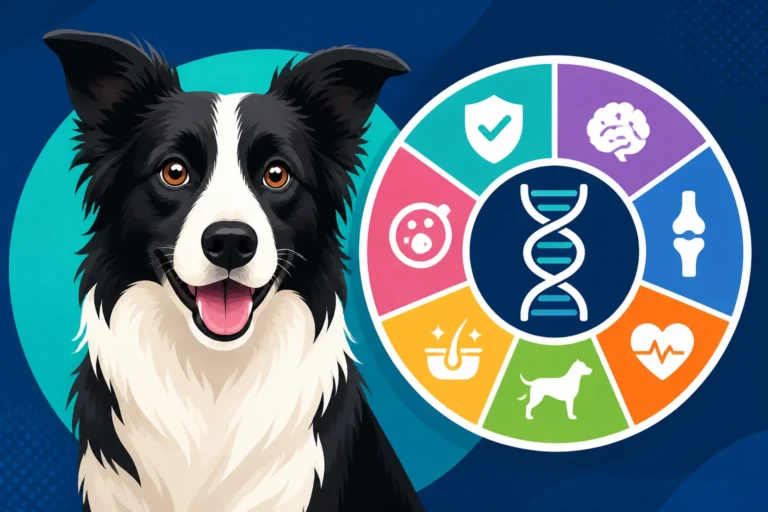
At its core, the MDR1 gene (which stands for Multi-Drug Resistance 1) is responsible for producing a vital protein called P-glycoprotein. Think of P-glycoprotein as a diligent bouncer or a biological security guard for your dog's body. Its main job is to pump certain drugs and toxins out of cells, particularly in sensitive areas like the brain, intestines, and kidneys. This protein forms a critical part of the blood-brain barrier, which is a protective shield that prevents harmful substances from entering the brain and causing neurological damage.
For a dog with a normal, healthy MDR1 gene, this system works perfectly, keeping them safe from medication overload. However, in certain breeds, including our clever Border Collies, a specific mutation in this gene can occur. This mutation means the P-glycoprotein either doesn't work effectively or isn't produced at all. This isn't a flaw in their intelligence or their working drive, but a silent genetic variation that changes how their body handles chemicals. While Border Collies are less commonly affected than some other Collie breeds, it's still a significant enough concern that reputable breeders perform genetic testing. If you're wondering how prevalent this mutation is, it's worth exploring Why Border Collies Carry MDR1 Less Than Collies.
How the MDR1 Mutation Affects Drug Metabolism
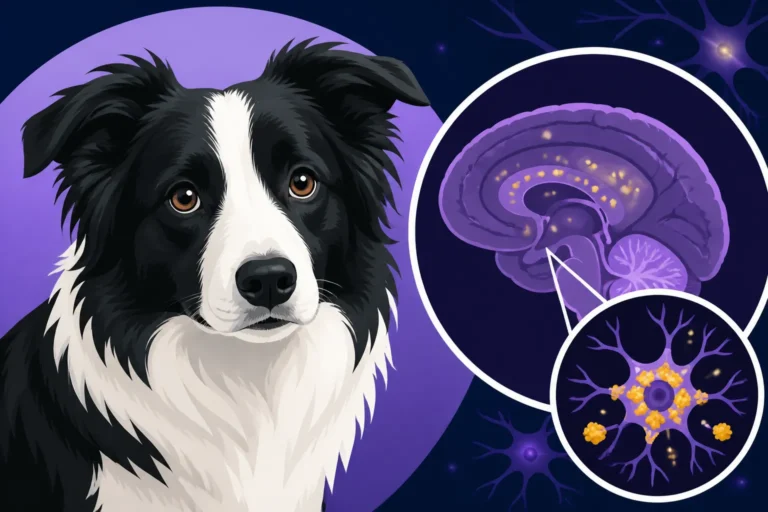
When that crucial P-glycoprotein pump isn't functioning correctly due to the MDR1 mutation, the drugs that it would normally push out of sensitive tissues are instead allowed to accumulate. The most significant concern, and often the most visible and dangerous, is when these drugs cross the blood-brain barrier. In a dog with a normal MDR1 gene, this barrier prevents many medications from reaching the brain in high concentrations. But for an MDR1-affected Border Collie, this protective mechanism is compromised.
This means that medications that are generally safe and routinely prescribed for other dogs can reach toxic levels in the brain of an MDR1-affected dog. What would be a therapeutic dose for a healthy dog becomes an overdose for your Border Collie, leading to severe and often life-threatening neurological symptoms. These symptoms can range from disorientation and tremors to seizures, blindness, coma, and even death. It’s a terrifying prospect, which is why knowing your dog's MDR1 status is arguably one of the most important pieces of health information you can have.
The Critical List: Drugs to Avoid in MDR1 Border Collies
Navigating your Border Collie's health care with an MDR1 mutation means you need to be extraordinarily vigilant about medications. There's a "red flag" list of drugs that are either outright dangerous or require extreme caution and significant dose reductions for affected dogs. It’s not just about prescription drugs; even some over-the-counter remedies can pose a risk.
Antiparasitics: The Most Notorious Offenders
When we talk about dangerous drugs for MDR1-affected dogs, antiparasitic medications, particularly those containing ivermectin, are often the first to come to mind. These drugs are formulated to kill parasites, but in an MDR1-affected Border Collie, they can become profoundly neurotoxic.
- Ivermectin: This widely used antiparasitic is the poster child for MDR1 drug sensitivity. It's found in various forms, including some heartworm preventatives and treatments for mites. When given to an MDR1-affected dog, ivermectin can cross the compromised blood-brain barrier, leading to severe neurological signs such as profound ataxia (loss of coordination), blindness, disorientation, tremors, excessive salivation, and even coma or death. Owners who have unintentionally given their MDR1-affected Border Collie ivermectin often describe a sudden, terrifying decline in their dog's health. For a deeper dive into this specific concern, check out Ivermectin and the MDR1 Border Collie.
- Loperamide: This is an opioid-derived antidiarrheal drug, perhaps better known by its human brand name, Imodium. While it's used to slow gut motility and reduce diarrhea, in an MDR1-affected dog, loperamide can also cross into the brain. At typical doses, it causes severe neurological depression, manifesting as profound sedation, decreased respiratory rate, and even coma. It can be particularly distressing because many owners might consider giving their dog a small amount for an upset stomach without realizing the grave danger. You can learn more about this specific risk in Loperamide and the MDR1 Border Collie.
It’s crucial to remember that even trace amounts or doses considered "safe" for non-MDR1 dogs can be devastating. Always read labels, and when in doubt, consult your veterinarian.
Anesthetics, Sedatives, and Pain Relievers
Beyond antiparasitics, several drugs commonly used for anesthesia, sedation, and pain management also require careful consideration for Border Collies with the MDR1 mutation. These medications don't necessarily cause the same level of acute neurotoxicity as ivermectin, but they can lead to prolonged and severe side effects because their metabolism is impaired.
- Acepromazine: A common tranquilizer used for sedation before veterinary procedures, travel, or to manage anxiety. In MDR1-affected dogs, acepromazine can lead to significantly prolonged and profound sedation, often with a delayed recovery. Dogs may appear "knocked out" for much longer than expected, making their recovery from even minor procedures a worrying ordeal.
- Butorphanol: An opioid pain reliever and sedative often used in conjunction with other drugs for anesthesia or for mild to moderate pain. Similar to acepromazine, butorphanol's effects can be greatly exaggerated and prolonged in MDR1-affected dogs, leading to extended sedation and respiratory depression. This is a concern for surgical procedures, dental cleanings, or even minor examinations requiring a calm patient.
- Other Opioids: While not all opioids are as severely affected as butorphanol, many should be used with caution, and dosages may need to be significantly reduced. The goal is to prevent excessive sedation or respiratory issues. When your Border Collie needs surgery or has an injury, it’s vital your vet is aware of their MDR1 status to make safe choices. For a comprehensive list and discussion of these types of medications, see Anesthesia Drugs an MDR1 Border Collie Should Avoid.
The challenge here lies in the fact that these drugs are staples in veterinary medicine. It's not that your dog can never be sedated or given pain relief, but rather that the choice of medication and the dosage must be meticulously tailored to their genetic status.
Other Medications Requiring Caution
The list of drugs affected by the MDR1 mutation isn't static and continues to expand as research progresses. While antiparasitics and certain sedatives are the most well-known culprits, several other classes of drugs also warrant extreme caution or avoidance in MDR1-affected Border Collies.
- Chemotherapy Drugs: Medications like Doxorubicin and Vincristine, used in cancer treatment, can have increased toxicity in MDR1-affected dogs. The P-glycoprotein pump normally helps eliminate these drugs from the body; without it, they can accumulate to dangerous levels, leading to more severe side effects, impacting bone marrow, the gastrointestinal tract, and other organs.
- Immunosuppressants: Cyclosporine, often prescribed for autoimmune conditions or organ transplants, can also be affected. Increased levels due to impaired P-glycoprotein function can lead to heightened immunosuppression and increased risk of side effects.
- Anti-nausea Drugs: Even seemingly benign medications like Ondansetron (Zofran), used to combat nausea, need careful consideration. While less frequently cited for severe adverse reactions, their metabolism can be altered, potentially leading to increased concentrations and side effects.
This ongoing research means it’s imperative to always discuss your Border Collie's MDR1 status with any veterinarian or specialist they see. The table below provides a quick reference for some of the most common drugs and drug classes affected by the MDR1 mutation. However, this is not an exhaustive list, and veterinary guidance is always paramount.
| Drug Class / Specific Drug | Primary Use | Risk for MDR1-Affected Border Collies | Typical Symptoms of Toxicity |
|---|---|---|---|
| Ivermectin | Antiparasitic | Severe neurotoxicity, potentially fatal | Ataxia, blindness, tremors, coma |
| Loperamide | Antidiarrheal | Severe neurological depression | Profound sedation, respiratory depression |
| Acepromazine | Sedative | Prolonged, profound sedation | Extended recovery, lethargy, decreased breathing |
| Butorphanol | Pain Reliever, Sedative | Prolonged sedation, respiratory depression | Extended recovery, lethargy |
| Doxorubicin | Chemotherapy | Increased toxicity (bone marrow, GI) | More severe chemotherapy side effects |
| Vincristine | Chemotherapy | Increased toxicity (neurological, GI) | More severe chemotherapy side effects |
| Cyclosporine | Immunosuppressant | Increased immunosuppression, side effects | Increased risk of infection, kidney issues |
| Ondansetron | Anti-nausea | Potential for altered metabolism/effects | Varying, but higher concentrations possible |
It bears repeating: this is a living list. New drugs are introduced, and more research is conducted regularly. Always ensure your vet has your Border Collie's full genetic health profile.
The Perilous Mechanism: Why MDR1 Dogs React Differently
It's one thing to know which drugs are dangerous, but understanding why they pose such a threat to an MDR1-affected Border Collie can help reinforce the need for vigilance. It all comes back to that compromised P-glycoprotein pump and the body's natural defense systems.
The Blood-Brain Barrier Breach
Our dogs, like us, have an incredibly sophisticated defense system protecting their most vital organ: the brain. This system is called the blood-brain barrier. It's not a physical wall, but a tightly regulated network of cells that line the capillaries in the brain, selectively allowing necessary nutrients to pass through while rigorously blocking harmful substances. The P-glycoprotein, produced by the MDR1 gene, is a key component of this barrier, actively pumping out drugs and toxins that try to sneak in.
In a Border Collie with the MDR1 mutation, this "bouncer" or "security guard" at the blood-brain barrier is either absent or defective. When drugs like ivermectin or loperamide enter the bloodstream, instead of being actively expelled from the brain tissue, they are allowed to pass through the weakened barrier relatively unchecked. This means these medications can accumulate in the brain at concentrations far higher than intended or safe. The brain, being incredibly sensitive, then suffers the consequences of this chemical overload, leading to the severe neurological symptoms we discussed earlier. It's a direct assault on the central nervous system, bypassing its natural protection.
Accumulation and Overdose at Normal Doses
The issue isn't just about drugs crossing into the brain; it's also about their overall accumulation within the body. The P-glycoprotein pump isn't only active at the blood-brain barrier; it's also present in other organs like the liver, kidneys, and intestines, playing a role in the absorption and elimination of various compounds. When this pump is compromised, these drugs are not cleared from the body as efficiently as they would be in a dog with a normal MDR1 gene.
This inefficient clearance means that even a "normal" therapeutic dose – the amount a healthy dog would receive without issue – can quickly become an overdose for an MDR1-affected Border Collie. The drug stays in their system longer, building up to toxic levels over time, or immediately reaching dangerous concentrations after administration. Imagine filling a bathtub with the drain open versus filling the same tub with a clogged drain; the water level will rise much faster in the second scenario. This drug accumulation can lead to a range of symptoms, including tremors, ataxia, disorientation, excessive drooling, seizures, and even respiratory distress or cardiac issues, depending on the specific drug involved. The danger lies in the fact that the veterinarian might administer a standard dose, completely unaware that the dog's internal processing system is fundamentally different.
Safe Management Strategies for MDR1 Border Collies
Living with an MDR1-affected Border Collie requires a proactive and informed approach to their veterinary care. The good news is that with proper management and communication, these dogs can lead full, healthy lives. It's all about awareness and having a clear plan.
Partnering with Your Veterinarian for Safe Prescribing
This is arguably the most crucial step in managing an MDR1-affected Border Collie: proactive, clear communication with your veterinary team. Do not assume your vet knows your dog's specific genetic status, especially if you're seeing a new clinic or an emergency vet. It's easy for details to get lost in medical records.
- Flag Their Records: Make sure your Border Collie's MDR1 status is prominently flagged in their veterinary records, both digitally and physically if possible. Ask the clinic staff to add an alert to their file so that every time a medication is prescribed or administered, the team is reminded.
- Carry a "Drug Alert" Card: Many owners find it helpful to carry a laminated card or a note on their phone with a list of prohibited drugs and their Border Collie's MDR1 status. This is invaluable in an emergency situation or when visiting a new vet or specialist.
- Open Dialogue: Don't hesitate to ask questions about any medication prescribed. A good vet will welcome your proactive approach. If they prescribe something, gently ask, "Is this safe for an MDR1-affected dog?" or "Are there any alternatives for MDR1 dogs?" This ensures everyone is on the same page and minimizes risk. It's your dog, and you're their advocate. If you're looking for help on how to phrase these conversations, our guide Telling a Vet a Border Collie Is MDR1 Affected offers excellent advice.
Remember, veterinarians are incredibly busy, and while they strive for perfection, a clear, consistent reminder from you can be the ultimate safeguard for your unique Border Collie.
Alternative Medications and Treatment Protocols
The existence of dangerous drugs doesn't mean your MDR1-affected Border Collie can't receive necessary medical care. It simply means that alternative, safer medications and protocols must be chosen. There are often multiple options for treating common ailments, and many of these are perfectly safe for MDR1 dogs.
- Heartworm Prevention: Instead of Ivermectin-based products, vets can prescribe alternatives like milbemycin oxime (e.g.,Interceptor Plus), moxidectin (e.g., Advantage Multi, ProHeart 6/12), or selamectin (e.g., Revolution). These active ingredients are generally considered safe for MDR1-affected dogs at their recommended doses. It's important to verify the specific active ingredient in any heartworm preventative you use. For more details on safe options, explore Heartworm Prevention for an MDR1 Border Collie.
- Flea and Tick Control: Many excellent flea and tick preventatives are available that do not pose an MDR1 risk. These include products containing fipronil, permethrin (topical only), afoxolaner (NexGard), fluralaner (Bravecto), or sarolaner (Simparica). Again, always check the active ingredients and confirm with your vet.
- Sedation and Pain Management: For procedures requiring sedation or pain relief, your vet can choose drugs like propofol, isoflurane, buprenorphine, or fentanyl, which are typically well-tolerated by MDR1-affected dogs, sometimes with minor dosage adjustments. The key is careful monitoring and selecting drugs known to be safe.
- Dosage Adjustments: For certain medications that are not strictly contraindicated but whose metabolism is affected, your vet may opt for a significantly reduced dose or a longer interval between doses. This requires a thorough understanding of the drug's pharmacokinetics in MDR1-affected individuals.
The landscape of veterinary medicine is constantly evolving, with new safe options becoming available. Don't be afraid to ask your vet about the safest alternatives for your Border Collie's specific needs.
Pet Insurance and Genetic Testing
Knowing your Border Collie's MDR1 status is the first line of defense. Genetic testing is simple, usually involving a cheek swab, and can provide definitive answers, identifying whether your dog is clear, a carrier, or affected by the mutation. This information is invaluable for life. Understanding your dog's genetic predispositions goes beyond MDR1; learning about The Border Collie Genetic Panel and What It Screens can provide a comprehensive view of potential health concerns.
Pet insurance can also play a vital role in managing the health of an MDR1-affected Border Collie, particularly if an accidental exposure occurs or if your dog requires treatments that are more complex due to their status. While prevention is key, accidents can happen. A good pet insurance policy could help cover the significant costs associated with treating drug toxicities or managing chronic conditions that require specialized, MDR1-safe medications. For example, a company like Healthy Paws, known for comprehensive coverage, could provide financial peace of mind should your Border Collie need emergency care due to an adverse drug reaction or require ongoing treatment with specific, sometimes more expensive, alternative medications. Having a policy with Healthy Paws in place before any issues arise means you can focus on your dog's recovery without the added stress of exorbitant vet bills. They understand that unforeseen events happen, and being prepared can make all the difference.
Living with an MDR1-Affected Border Collie
Having an MDR1-affected Border Collie isn't a life sentence of constant worry, but it does mean adopting a lifestyle of careful vigilance and preparedness. It’s about creating a safe environment and ensuring everyone involved in your dog’s life understands their unique needs.
Vigilance Beyond the Vet's Office
The vet's office is certainly a primary concern, but risks for an MDR1-affected Border Collie aren't confined to clinic visits. Accidental exposure can happen in everyday situations, and as a responsible owner, you need to think a step ahead.
- Household Medications: Be incredibly cautious with any human medications in your home. Even common over-the-counter pain relievers, cold medicines, or antidiarrheals could contain ingredients harmful to your dog. Keep all human drugs securely stored and out of reach. Never assume a human medication is safe for your dog without explicit veterinary advice, and even then, double-check for MDR1 contraindications.
- Other Pets' Medications: If you have other dogs or cats, their medications might be dangerous to your Border Collie. For example, if another dog in the house is on an ivermectin-based heartworm preventative, ensure they don't share bowls or lick each other after administration, or that discarded packaging isn't accessible. Administering medications to other pets should be done carefully to prevent cross-contamination or accidental ingestion by your MDR1 Border Collie.
- Environment and Exposure: Be mindful of where your Border Collie explores. If they frequently visit farms or rural areas, be aware of any livestock dewormers or pesticides that might be used, as these can sometimes contain ivermectin or similar compounds. Even licking residue off the ground could be risky. Similarly, be cautious at dog parks or public spaces where discarded items, including human medications or other dogs' half-eaten treats (which could contain hidden ingredients), might be found.
This heightened awareness isn't about paranoia, but about taking simple, consistent precautions to create a safe bubble for your sensitive companion.
Educating Others and Emergency Preparedness
Your Border Collie's well-being depends on everyone who cares for them being educated about their MDR1 status. This includes family members, pet sitters, groomers, and anyone else who might be responsible for them, even for a short time.
- Inform Caregivers: Provide anyone who cares for your Border Collie with clear, written instructions about their MDR1 status and the list of prohibited drugs. Explain the severity of the issue in simple terms. A physical "MDR1 Alert" tag on their leash or collar can also serve as a quick visual reminder to others.
- Emergency Plan: Have a clear emergency plan in place. This should include your regular veterinarian's contact information, the number for a 24/7 emergency veterinary clinic in your area, and a copy of your Border Collie's MDR1 drug list. If possible, inform the emergency clinic ahead of time about your dog's status so it's on file.
- Recognizing Toxicity: Familiarize yourself with the signs of drug toxicity in MDR1-affected dogs. These can vary but often include disorientation, incoordination (ataxia), excessive drooling, lethargy, tremors, seizures, blindness, or collapse. Knowing these signs means you can act quickly if accidental exposure occurs.
- Immediate Action: If you suspect your MDR1-affected Border Collie has ingested a dangerous drug, contact your veterinarian or the nearest emergency vet immediately. Time is critical. They may advise you to induce vomiting (though this should only be done under veterinary guidance) or to bring your dog in for urgent treatment, which might involve activated charcoal to absorb the toxin or supportive care. Having pet insurance, like a policy from Healthy Paws, can be incredibly helpful in these stressful emergency situations, ensuring you can focus solely on getting your dog the life-saving care they need without financial hesitation.
By being proactive, communicating effectively, and having a plan, you can confidently navigate the challenges of owning an MDR1-affected Border Collie. Your diligence is their best protection.
Disclaimer
This article is intended for informational purposes only and does not constitute professional veterinary advice. Always consult with a qualified veterinarian regarding any medical concerns or before making any decisions about your Border Collie's health and treatment. Drug dosages and recommendations should only be provided by a licensed veterinary professional.