Paying Seven Thousand for a Trained Border Collie
It's completely understandable to blink a few times when you first hear the price tag some highly trained Border Collies can command. Seven thousand dollars, or even more, for a dog? It sounds like a sum usually reserved for a down payment on a car, not a canine companion. But for those deeply involved in specific dog sports or working disciplines, or even those just seeking a level of reliability and skill far beyond the average pet, this figure starts to make a different kind of sense. This guide will unpack what goes into such an investment, what you’re truly getting for that kind of money, and help you decide if paying for a trained Border Collie is the right path for your unique situation.
The Compelling Reasons Behind the Investment in a Highly Trained Border Collie
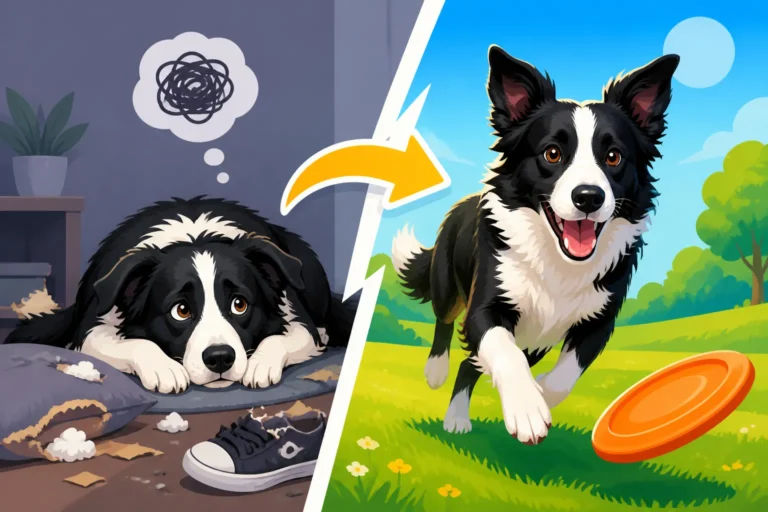
Let’s be honest, raising any puppy is a journey, and with a Border Collie, that journey is often an intense one. They are brilliant, yes, but that brilliance comes with a drive and intelligence that, if not channeled correctly, can quickly turn into a household whirlwind of mischief or obsessive behaviors. For many, the idea of skipping those challenging foundational years and bringing home a dog that already has a job description sorted is incredibly appealing.
Bypassing the Puppy Parenthood Gauntlet
Bringing home a Border Collie puppy is like adopting a tiny, fluffy rocket scientist with endless energy and a thirst for knowledge. The early months are a blur of potty training, nipping, socialization, and constant supervision. You’re teaching impulse control, basic manners, and trying to shape that incredible Border Collie brain into a functional family member. It's rewarding, absolutely, but it demands an enormous amount of time, consistency, and patience – commodities many busy individuals or families simply don't have in abundance.
A trained Border Collie allows you to sidestep this intense initial phase. Imagine welcoming a dog into your home that understands house rules, has excellent recall, walks politely on a leash, and has already moved past the destructive chewing phase. This immediate relief from puppy chaos is a huge draw for people who want the joy of a Border Collie without the full-on, intensive commitment required during its formative months. It's not just about convenience; it's about reducing the risk of developing undesirable behaviors that can arise when an intelligent, high-drive puppy doesn't get the structured guidance it needs.
Acquiring Specific, Advanced Skillsets
When we talk about a "trained" Border Collie at this price point, we're rarely talking about a dog that just knows "sit," "stay," and "come." We're talking about a highly specialized animal. This could mean a Border Collie that is expertly started on sheep, understanding the complex nuances of herding commands, outruns, and fetches. Or it might be a dog that excels in advanced agility, with a solid understanding of obstacles, sequences, and handler cues, ready to compete. Perhaps it’s a dog trained for competitive obedience, search and rescue, or even as a service animal with specific tasks.
These aren't skills learned in a weekend class. They require a dedicated professional, often with years, if not decades, of experience in that specific field. The dog has been taught not just the mechanics of an action, but the application of that action under various distractions and conditions. It's been exposed to countless scenarios, proofed its behaviors, and developed the confidence and understanding to perform reliably. This depth of training is what truly differentiates a high-priced, trained Border Collie from one with basic pet manners. You're buying a ready-made partner for a specific purpose, one that has a significant head start on its career.
The Peace of Mind a Proven Dog Offers
There's a certain peace of mind that comes with a dog that has been assessed, handled, and shaped by an experienced professional. With a puppy, you're always wondering about their potential – will they have the drive for herding? The soundness for agility? The temperament for therapy work? With a trained Border Collie, many of those questions have already been answered. The trainer can speak to the dog's temperament, its working style, its strengths, and any potential quirks.
This predictability is invaluable. You're not just getting a dog; you're getting a known quantity. For someone whose livelihood depends on a working dog, or whose passion is competitive dog sports, having a proven partner reduces significant risk and accelerates their goals. It's a guarantee (within reason, of course, as dogs are living beings) that the dog possesses the genetic predisposition and the learned skills to perform at a high level. This confidence in your dog's capabilities can save years of trial and error, potential heartbreak, and additional training expenses down the line.
Unpacking the Costs: Why a Border Collie Can Command Such a Price Tag
The "seven thousand dollar" figure isn't arbitrary; it reflects a culmination of many factors, from the dog's lineage and early health to the extensive time and expertise invested in its development. It’s a transparent reflection of quality and dedication.
The Value of Elite Breeding and Health Clearances
A significant portion of a highly trained Border Collie's value starts long before training even begins: it's in their genetics. Reputable breeders producing dogs suitable for high-level work or sport invest heavily in their breeding stock. This means seeking out dogs with proven working pedigrees, champions in their chosen field, and individuals with exceptional temperaments and sound structures.
Furthermore, responsible breeders perform extensive health clearances on both parents to minimize the risk of passing on genetic diseases. This includes tests for conditions like Collie Eye Anomaly (CEA), Trapped Neutrophil Syndrome (TNS), Neuronal Ceroid Lipofuscinosis (NCL), and screening for hip and elbow dysplasia. The upfront cost of these health screenings alone can be substantial. For example, understanding The Border Collie Genetic Panel and What It Screens and getting Hip and Elbow Scores in a Border Collie for multiple breeding dogs represents a significant financial commitment. This diligence helps ensure that the puppy starts life with the best possible genetic foundation, reducing the likelihood of expensive health issues later on and ensuring the dog has the physical and mental soundness required for demanding work. You're paying for generations of careful selection and health-conscious breeding practices, not just a random pairing.
The Depth of Professional Training and Time Commitment
This is arguably the largest component of the price. Training a Border Collie to an advanced level is not a part-time hobby; it is a full-time profession. Think about the sheer number of hours a professional trainer dedicates:
- Daily Sessions: Multiple focused training sessions each day, building on skills incrementally.
- Socialization and Exposure: Carefully planned exposure to various environments, people, and other animals.
- Specialized Skill Development: For a herding dog, this involves time on live stock, often using leased sheep and expensive facility access. For a sport dog, it means hours on agility courses, in obedience rings, or scent work fields. This isn't just about teaching commands; it's about teaching a dog to perform under pressure, understand complex sequences, and work in partnership with a handler.
- Problem Solving: Addressing individual quirks, fears, or challenges the dog might present.
- Maintenance: Continuously reinforcing learned behaviors to keep them sharp.
These aren't just hours; they're expert hours. The trainer isn't just repeating commands; they're understanding canine behavior, applying learning theory, and adapting their methods to the individual dog. When you consider the hourly rate of a skilled professional across months or even a year or two of intensive work, that seven thousand dollar figure quickly begins to look like a very reasonable wage for the depth of skill imparted. What a fully trained Border Collie sheepdog fetches really highlights the labor and expertise involved.
Ongoing Care, Nutrition, and Equipment During Development
During its training period, the Border Collie receives top-notch care, which also contributes to the final price. This includes:
- Premium Nutrition: A working Border Collie needs high-quality food to fuel its body and brain. Many trainers opt for specialized performance diets, or even fresh food options from providers like Ollie, to ensure optimal health and energy levels. This isn't just about feeding; it's about nourishing an athlete.
- Veterinary Care: Regular check-ups, vaccinations, parasite prevention, and any unexpected vet visits add up. A trainer ensures the dog is kept in peak physical condition.
- High-Quality Equipment: From specialized training collars, long lines, and agility equipment to durable toys and proper crates (which you can often find a great selection of on Chewy), the tools of the trade are an investment.
- Facility Costs: If the training involves dedicated facilities like a sheep pasture, an agility arena, or a scent detection course, the overhead for these resources is substantial.
All these ongoing costs are absorbed by the trainer during the dog's development, ensuring the dog is healthy, sound, and ready to perform.
The Trainer's Reputation, Experience, and After-Sale Support
Just like in any professional field, a trainer's reputation and experience play a huge role in their pricing. An individual who has consistently produced successful working dogs or sport champions, who has a proven track record, and who is well-respected within their discipline will naturally charge more. You're not just paying for training; you're paying for their invaluable expertise and the years they've spent honing their craft.
Beyond the initial sale, many reputable trainers offer invaluable after-sale support. This might include:
- Transition Guidance: Helping the new owner understand the dog's cues, routines, and how to maintain its training.
- Continued Mentorship: Being available for questions, offering advice on troubleshooting, or even follow-up training sessions.
- Guarantees: Some trainers offer limited guarantees regarding the dog's health or temperament, providing further peace of mind.
This ongoing relationship and access to the trainer's continued wisdom can be priceless, especially for first-time owners of highly trained working dogs.
Navigating the Purchase and Integration of Your Trained Border Collie
So, you're considering making this significant investment. What should your process look like, and what do you need to prepare for when your trained Border Collie comes home?
Due Diligence: What to Ask and Look For
When you're looking at a trained Border Collie with a substantial price tag, thorough due diligence is paramount. Don't be afraid to ask detailed questions and request proof of everything.
- Health Records: Ask for full veterinary records, including vaccination history, deworming, and the results of all genetic health clearances (e.g., The NHEJ1 Test for Collie Eye Anomaly, or a full panel for diseases like Neuronal Ceroid Lipofuscinosis in a Border Collie). Good breeders and trainers are transparent about this.
- Pedigree and Background: Understand the dog's lineage. Where did it come from? What are the parents' working or sport achievements?
- See the Dog Work: This is non-negotiable. Observe the dog working with its current trainer in the environment it was trained in (e.g., on sheep, on an agility course). Look for clear communication, responsiveness, and enthusiasm.
- Work it Yourself: If possible, and the trainer is comfortable, try handling the dog under their guidance. How does it respond to your commands?
- Ask for References: Speak to previous clients who have purchased trained dogs from this individual.
- Temperament Assessment: Beyond its working ability, observe its behavior in a relaxed setting. Is it comfortable with strangers? Other dogs? How does it settle?
Taking the time to verify all aspects of the dog's training and health will ensure you're making an informed decision.
Preparing for a Smooth Transition Home
Even the most impeccably trained Border Collie will need time to adjust to a new home, new people, and new routines. This isn't a robot you're plugging in; it's a living, feeling creature.
- Establish Routine Immediately: Dogs thrive on predictability. Set clear feeding, exercise, training, and rest schedules from day one.
- Consistent Commands: Ensure everyone in the household uses the same commands and hand signals taught by the trainer. Get familiar with them before the dog arrives.
- Safe Space: Provide a quiet, comfortable crate or bed where the dog can retreat and feel secure. Many Border Collies appreciate a den-like space.
- Managed Introductions: Introduce the dog gradually to new family members, other pets, and new environments to prevent overwhelming it.
- Patience and Understanding: There will be a "decompression period." The dog might be quieter than expected, or a bit confused. Give it grace and time to bond with you.
A smooth transition is crucial for solidifying the training and building a strong partnership.
The Ongoing Commitment: You're Still the Handler
Purchasing a trained Border Collie is an investment, not a magic bullet that makes you an instant expert. You are now the handler, and the dog will look to you for leadership and direction.
- Maintain Training: You must commit to continuing the dog's training. Practice its commands daily, engage it in its specialized work regularly, and don't let its skills rust.
- Continued Learning: Be prepared to learn from the trainer. They will likely provide a detailed handover and ongoing advice. You might even want to enroll in classes yourself to learn how to effectively handle a dog of this caliber.
- Physical and Mental Stimulation: Even trained, a Border Collie needs its daily quota of physical exercise and mental challenges. Don't assume its training means it can just "chill." It still needs Two Hours of Work a Border Collie Needs Daily or equivalent mental engagement.
- Health Monitoring: Maintain regular veterinary check-ups. Consider pet insurance from providers like Healthy Paws, especially for a high-value, working dog, as unexpected medical issues can arise, and you want to protect your investment. Keep its diet optimal with quality food, whether from Chewy or a fresh food service like Ollie, ensuring it remains in peak condition.
Is the Investment in a Seven-Thousand-Dollar Border Collie Right for You?
This is the big question. For some, it’s an absolute no-brainer; for others, it’s an expense that simply isn't justifiable. It all comes down to your personal circumstances, goals, and resources.
When the Investment Makes Sense
- Serious Competitors: If you are a dedicated handler aiming for the top in sheepdog trials, high-level agility, competitive obedience, or other demanding dog sports, a trained dog can save you years of foundational work and potentially propel you to success much faster. The value of a "started" or "finished" dog in these realms is undeniable. Whether an Epileptic Border Collie Can Still Trial is a good example of the kind of specific considerations a serious competitor might face, making a healthy, trained dog even more valuable.
- Working Farm/Ranch: For a farmer or rancher whose livelihood depends on efficient stock handling, a well-trained herding dog is an invaluable asset. It can do the work of several people and protect livestock, making the cost an investment in productivity rather than just a pet.
- Experienced Handlers with Limited Time: If you have the knowledge and skill to handle an advanced Border Collie but lack the several years needed to train one from puppyhood, buying a trained dog allows you to jump straight into the partnership.
- Specific Service/Assistance Needs: In cases where a Border Collie is being trained for highly specialized service tasks, the intensive training required by professionals can certainly warrant a higher price.
- Desire for Predictability: If you simply want a highly reliable companion with a strong foundation of good manners and an "off switch," and you have the financial means, the peace of mind can be worth the expense. However, be realistic about your ability to maintain that training.
Exploring Alternatives: Other Avenues for Getting a Border Collie That Meets Your Needs
For most people, a seven-thousand-dollar Border Collie isn't feasible or necessary. Thankfully, there are many excellent alternatives:
- A Well-Bred Puppy: For a fraction of the cost, you can acquire a Border Collie puppy from a reputable breeder who focuses on health, temperament, and working lines. While it requires the full commitment of raising and training, it's a deeply rewarding experience. Understanding What a Border Collie Puppy Costs From a Working Breeder will give you a good benchmark. You'll invest your own time and effort, but the financial outlay for the dog itself is significantly less.
- A "Started" Dog: This is a middle-ground option. A started Border Collie has had some foundational training, perhaps started on sheep or basic agility skills, but is not fully finished. These dogs usually cost less than a fully trained dog but give you a head start. You'll still need to put in significant training, but the most challenging early stages might be covered.
- Rescue Organizations: Border Collie rescues are often full of amazing dogs of all ages and training levels. Many have been surrendered because previous owners underestimated their needs. You might find a diamond in the rough that simply needs consistent training and a dedicated home. The adoption fees are typically much lower, and the rescue will often provide a thorough assessment of the dog's temperament and known history. The Border Collie Surrendered at Eighteen Months is a common scenario, and these dogs can thrive with the right adopter.
- Your Own Training: Even if you start with a puppy, there are countless resources for training a Border Collie. From local obedience classes and online courses to working with professional trainers on a per-session basis, you can build your dog's skills over time as your budget allows.
Ultimately, the decision to invest in a highly trained Border Collie is a personal one. It's a significant financial commitment, but for the right individual or family with specific needs and goals, it can be an absolutely invaluable partnership, delivering a ready-to-work or ready-to-compete canine companion of exceptional caliber.
Comparison of Border Collie Acquisition Options
| Option | Initial Cost Range | Training Level | Time Commitment for Owner | Ideal For |
|---|---|---|---|---|
| Untrained Puppy | Lower | None (basic socialization by breeder) | High (all training from scratch) | First-time Border Collie owners, those who want to shape their dog from the ground up, individuals with significant time and experience in dog training, families seeking a pet that grows with them. |
| "Started" Dog | Mid-range | Basic to intermediate (e.g., house-trained, started on specific sport/skill) | Moderate (continue and build on existing training) | Owners with some training experience, those looking for a head start in a specific discipline, people who understand Border Collie needs but want to bypass the most challenging early puppy stages. |
| Fully Trained Dog | High | Advanced to fully proficient in a specific skill (e.g., herding, agility) | Low-Moderate (maintain training, integrate into home, continued learning from trainer) | Serious competitors, working farms/ranches, experienced handlers with limited time, those seeking high predictability and specific, advanced skills immediately, individuals ready for Working Sheep With a Sight-Impaired Border Collie or similar specialized tasks. |
Disclaimer
This article is for general informational purposes only and does not constitute professional advice. Laws, prices and regulations vary by location and change over time. Consult a qualified professional for guidance on your specific situation.