The Border Collie Puppy That Bites Hands
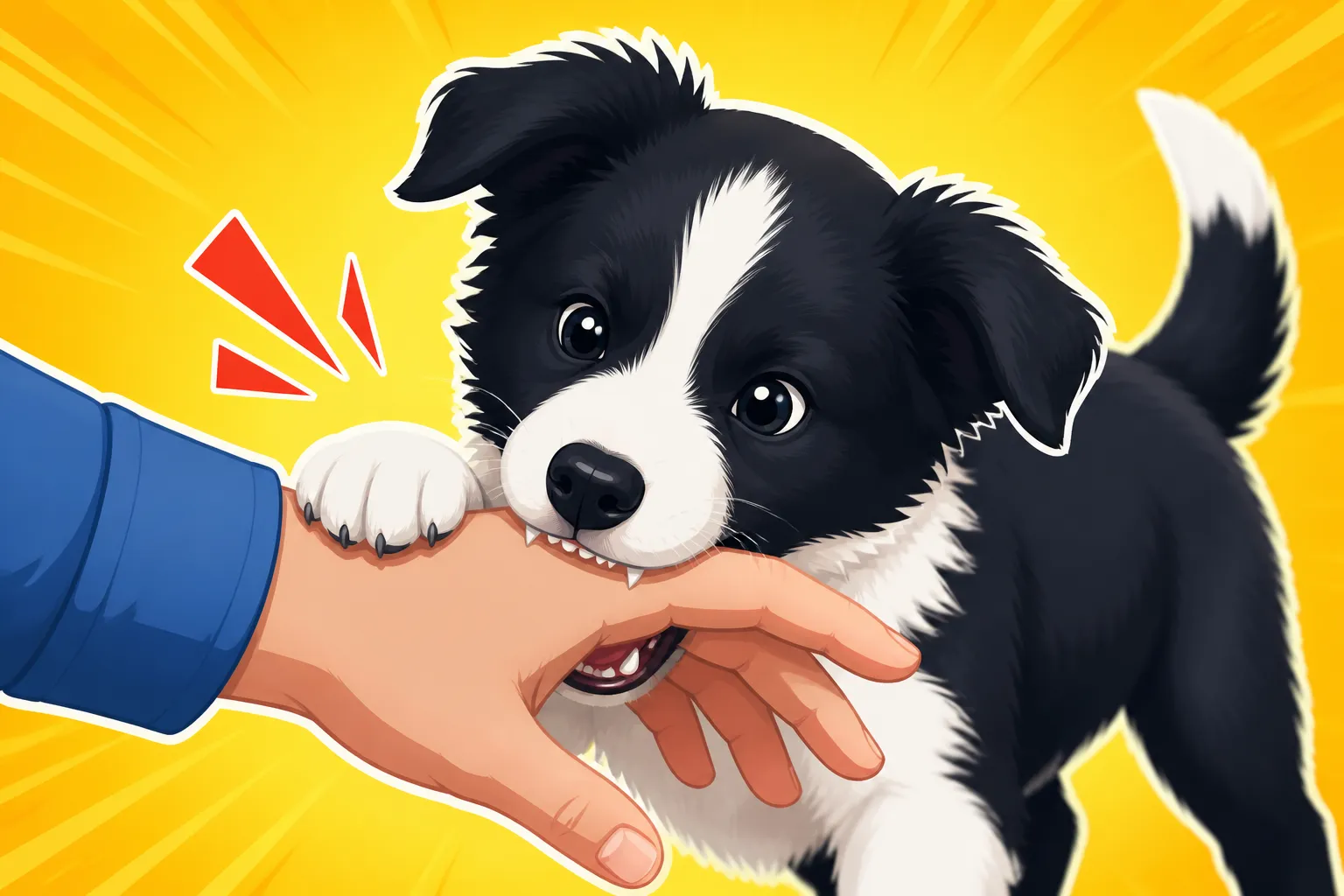
Oh, the joy of a new Border Collie puppy! Their intelligence, their boundless energy, their adorable fluff… and then, BAM! You feel those needle-sharp puppy teeth on your hand. It's a common, often painful, rite of passage for many puppy owners, especially with a breed as mouthy and driven as a Border Collie. This guide is here to walk you through why your sweet little land shark is using your hands as a chew toy and, more importantly, how to gently but firmly teach them that human skin is off-limits.
Why Border Collie Puppies Bite Hands: It's More Than Just Teething
When your Border Collie puppy nips and mouths your hands, it can be frustrating, painful, and honestly, a little alarming. You might wonder if you've got a problem dog on your hands, or if you're doing something wrong. The truth is, for most puppies, this is completely normal behavior, deeply rooted in their development and breed instincts. It’s not necessarily aggression, but rather how they explore their world, play, and communicate. Understanding the underlying reasons for this behavior is the first step in effectively addressing it.
Natural Puppy Exploration and Play
From the moment they're born, puppies use their mouths to interact with their littermates and their environment. They chew, nip, and mouth each other during play, learning about bite pressure and boundaries. It’s how they test limits, initiate games, and even express excitement. Think of it as their primary tool for gathering information about the world, much like a human baby uses their hands. When they come to live with us, our hands often become the most accessible and interesting "toy" to practice these natural behaviors on. Your fingers wiggle, your hands move – it’s dynamic and engaging, much like another puppy’s tail. This is particularly true for Border Collies, who are often born with a high drive and an intense focus, which can translate into very enthusiastic, mouth-oriented play.
Moreover, puppies don't come pre-programmed with an understanding of human skin sensitivity. In their litter, a hard nip gets a yelp from a sibling, teaching them "too hard." But humans don't yelp in quite the same way, or sometimes we inadvertently reinforce the behavior by pulling our hands away quickly, which can make the game even more exciting for a puppy. They see the movement as an invitation to continue, rather than a deterrent.
The Inevitable Ache of Teething
Ah, teething! Just like human babies, Border Collie puppies go through a period where their tiny, sharp puppy teeth are replaced by stronger adult teeth. This process usually begins around 3-4 months of age and can last until they are about 6-7 months old. During this time, their gums can become sore, itchy, and uncomfortable. Chewing provides relief, acting like a massage for their irritated gums.
Your hands, with their interesting textures and warmth, can become a prime target for this teething relief. While it's a natural urge, it's crucial to redirect this chewing to appropriate items. If your puppy is constantly seeking out your hands, it might be a clear sign that they aren't getting enough satisfying chew toys or that the ones they have aren't meeting their needs. Ensuring a variety of safe, durable chew toys is essential during this phase. You can find excellent options, from tough rubber toys to textured ropes, on platforms like Amazon, offering different levels of resistance and stimulation. Consider items that can be frozen too, as the cold can provide extra relief for sore gums.
Instinctual Herding Behaviors and "Nipping"
Border Collies were selectively bred for centuries to gather and control livestock. Their unique "eye" and intense focus are legendary, but so is their tendency to nip at the heels of animals to direct them. While your puppy isn't herding sheep around your living room (yet!), these ingrained instincts can manifest as nipping at moving feet, pants, or, yes, even hands. They are driven to control movement, and your wiggling fingers or quickly moving hands can easily trigger this deep-seated desire.
This isn't aggression; it's a hardwired behavioral pattern. It’s a natural expression of their breed identity. Recognising this instinct is important because it means that simply punishing the behavior without providing an appropriate outlet or redirection often won't work in the long term. Instead, we need to teach them what to herd and nip, and that human body parts are not on the list. Early and consistent training is key to channeling this drive into acceptable behaviors, such as playing with toys or engaging in structured training. Remember, a Border Collie wants a job, and if you don't give them one, they'll invent their own, which might include herding you around the house with their mouth!
Setting Boundaries: Teaching Your Puppy What's Off-Limits
Once you understand why your Border Collie puppy is biting, the next step is to establish clear boundaries. This isn't about crushing their spirit or stopping them from being a puppy; it's about teaching them polite ways to interact with you and the world around them. Establishing clear rules early on is especially vital for a breed as smart and quick to learn as the Border Collie, because they will learn quickly whether you intend it or not.
The Concept of Bite Inhibition
Perhaps the most crucial lesson a puppy learns is bite inhibition – understanding how much pressure their jaws can exert without causing harm. Puppies learn this best from their littermates. If a puppy bites too hard, the bitten sibling will yelp loudly and often stop playing. This teaches the biter that hard bites end the fun. We need to replicate this lesson.
When your Border Collie puppy nips too hard, let out a high-pitched "Ouch!" or "Yip!" – mimic a puppy's protest. Immediately withdraw your hand and stop all interaction for a few seconds. This is your puppy's equivalent of a time-out. If they continue to nip, you can escalate by briefly leaving the room. The goal is to consistently communicate that biting hard makes the fun stop. Your puppy will quickly connect their hard bite with the cessation of play. Over time, they will learn to moderate the pressure of their mouth. Eventually, the goal is for them to not put their teeth on human skin at all, but bite inhibition is a critical first step. It is much easier to manage a puppy that nips softly than one that clamps down hard.
Redirecting to Appropriate Chew Toys
This is where the magic happens! Every time your puppy lunges for your hand, immediately offer them an appropriate chew toy instead. Have a variety of toys readily available. When they put their mouth on the toy, praise them lavishly and maybe even offer a treat. The goal is to make the toy far more rewarding and interesting than your hand. Consistency is paramount here. Carry toys with you in different rooms of the house. If you anticipate a "pounce" on your feet or hands, be ready with a toy to offer before they even make contact.
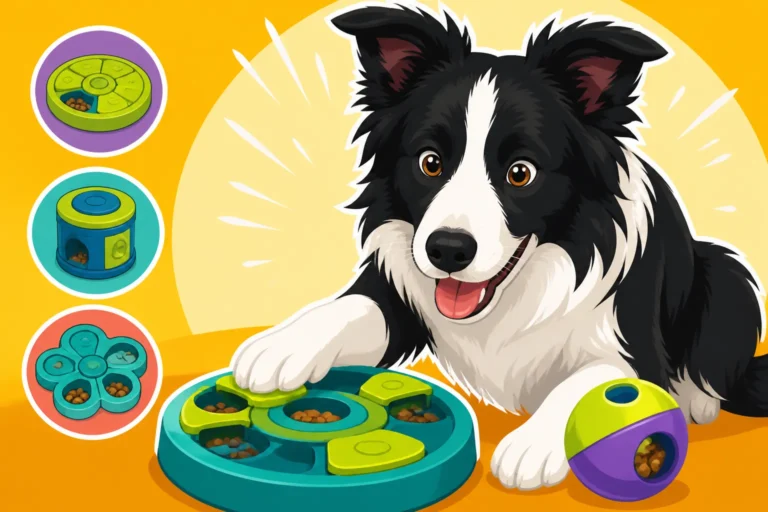
For a Border Collie, a simple squeaky toy might not be enough. They need mental engagement too. Puzzle toys filled with treats or durable fetch toys can be excellent options. Brands readily available on Amazon offer a wide range of interactive toys that can engage a Border Collie's intelligent mind and satisfy their chewing urges. Remember, the toy should be appealing enough to compete with the excitement of your moving hand. You might have to wiggle the toy, make it squeak, or even drag it along the floor to make it more enticing than your fingers. This is also a great opportunity to start teaching them the names of their toys, which can be a fun way to engage their intelligence. Teaching a Border Collie the Names of Its Toys can be incredibly enriching for both of you.
Managing the Environment and Preventing Opportunities
Prevention is a powerful tool in puppy training. If your puppy can't get to your hands, they can't practice biting them. This doesn't mean avoiding your puppy, but rather being mindful of situations where biting is likely to occur.
- Supervised Interactions: Always supervise play sessions, especially with children. Teach children to offer toys instead of their hands and to "be a tree" (stand still and ignore) if the puppy nips.
- Leash Management: During times when you can't actively engage with your puppy, keep them on a leash near you or in a puppy-proofed area. This prevents them from roaming and finding your feet or ankles irresistible.
- Enrichment: A bored Border Collie is a mischievous Border Collie. Ensure they have plenty of mental and physical stimulation. This includes structured playtime, short training sessions, and appropriate chew toys. A puppy who is mentally tired is less likely to resort to undesirable behaviors like excessive nipping. Consider What a Teething Border Collie Will Wreck Instead if appropriate outlets aren't provided.
- "No-Go" Zones: While you're actively working on polite interactions, you might want to consider temporarily limiting intense physical play that could easily escalate into hand-biting, particularly if you have a very excitable puppy.
By strategically managing their environment, you reduce the opportunities for unwanted behavior and increase the chances for successful redirection. This proactive approach sets both you and your puppy up for success.
Practical Training Techniques for Redirecting Nipping
Beyond understanding the reasons and setting boundaries, specific training techniques will help solidify the message that hands are not for biting. Border Collies are incredibly intelligent, so they will pick up on consistent rules quickly, but they will also exploit any loopholes you inadvertently create.
Short, Frequent Training Sessions
Border Collies thrive on mental work. Use their intelligence to your advantage with short, frequent training sessions focused on impulse control and appropriate mouth use. A few minutes, multiple times a day, is far more effective than one long, overwhelming session.
- "Leave It": This command is invaluable. Start by showing your puppy a treat in your hand, closing your fist. When they try to lick or nip, ignore them. The moment they back away or look at you, say "Leave It" and reward them with a different treat from your other hand. Gradually increase the difficulty, placing tempting items on the floor. This teaches them to disengage from something they want, a critical skill for a mouthy puppy.
- "Take It" and "Drop It": Teaching these commands with toys can greatly help. "Take It" encourages them to mouth an object you want them to have, and "Drop It" teaches them to release it on command. This builds control over their mouth. You can apply these to their appropriate chew toys. If they try to mouth your hand, you can immediately say "Take It" and offer a toy. This is also useful for preventing resource guarding, like when The Border Collie That Will Not Drop the Ball becomes a problem.
- Structured Play: Engage your puppy in structured games that don't involve your hands as targets. Tug-of-war is fine, but ensure you initiate and end the game, and that your puppy understands "drop it." Fetch, hide-and-seek with toys, or scent games are excellent alternatives that engage their mind and body without putting your hands at risk.
Remember, Border Collies learn incredibly fast. How Few Repetitions a Border Collie Needs to grasp a concept is often astonishing. Leverage this by being consistent and clear in your commands.
Involving the Whole Family in Consistency
One of the biggest challenges in training a puppy, especially a clever Border Collie, is ensuring everyone in the household is on the same page. If one person allows hand-biting (even inadvertently) while another strictly prohibits it, your puppy will become confused and inconsistent in their behavior. They'll quickly learn that "rules are optional" depending on who they're interacting with.
Hold a family meeting and decide on a unified approach. Discuss:
- The chosen "Ouch!" sound.
- The immediate cessation of play or withdrawal technique.
- The designated appropriate chew toys.
- The commands being used (e.g., "leave it," "drop it").
It’s crucial that children are also taught how to interact safely and consistently. Small children, with their erratic movements and high-pitched voices, can inadvertently egg on nipping behavior. Teach them to offer toys, not hands, and how to calmly disengage if the puppy nips. If you have younger children, consider having puppy-free zones or using gates to separate them when direct supervision isn't possible. Consistency from every family member creates a predictable environment where your Border Collie puppy can learn and thrive without confusion.
When to Seek Professional Guidance
While puppy nipping is normal, there are times when it might escalate beyond typical puppy behavior or when you feel overwhelmed. If you've diligently applied these techniques for several weeks and see little to no improvement, or if the biting seems unusually intense, frequent, or is accompanied by other concerning behaviors (like growling or snapping without provocation), it might be time to call in a professional.
A certified professional dog trainer or a veterinary behaviorist can observe your puppy's behavior firsthand, identify any underlying issues, and provide a tailored training plan. Sometimes, what seems like excessive nipping could be a sign of deeper anxiety, overstimulation, or even frustration. They can offer insights into The Age a Border Collie Starts Testing You and how to navigate those periods. Online puppy training programs, like those offered by BAXTER & Bella, can also provide structured guidance and support, often with access to trainers for personalized advice, which can be a lifeline for new puppy owners grappling with these challenges. Don't view seeking help as a failure; view it as an investment in a happy, well-adjusted future with your Border Collie.
Table: Puppy Nipping Causes and Solutions
Here's a quick overview of common reasons your Border Collie puppy might be biting and effective strategies to counter them:
| Cause of Nipping | Description | Effective Solutions |
|---|---|---|
| Exploratory/Play Biting | Puppy uses mouth to explore, initiate play, and test boundaries. | Mimic puppy yelp ("Ouch!"), withdraw attention; Redirect to appropriate toys; Practice "Leave It" command. |
| Teething Discomfort | Sore gums from erupting adult teeth; seeking relief through chewing. | Provide a variety of suitable chew toys (frozen, textured); Ensure constant availability; Praise toy chewing. |
| Herding Instinct | Hardwired breed trait to nip at moving objects/heels for control. | Redirect to herding balls or flirt poles; Avoid encouraging nipping at feet/clothes; Channel into structured play. |
| Over-stimulation/Fatigue | Puppy is overtired or over-aroused, leading to frantic nipping. | Enforce "nap times" in a quiet crate; Manage exciting play to prevent over-arousal; Provide calm mental enrichment. |
| Lack of Bite Inhibition | Puppy hasn't learned appropriate pressure (biting too hard). | Consistent "Ouch!" and withdrawal of attention for hard bites; Gradually aim for no skin contact. |
| Attention Seeking | Puppy has learned nipping gets a reaction (even negative attention). | Ignore the nip (turn away); Reward calm behavior; Ensure sufficient positive attention at other times. |
This table serves as a quick reference, but remember that many of these factors can overlap. A holistic approach combining redirection, consistent boundaries, and plenty of appropriate mental and physical stimulation is always the most effective.
Long-Term Success: Building a Harmonious Relationship
Bringing a Border Collie puppy into your home is a commitment to their incredible energy and intelligence. Navigating the nipping phase is just one part of building a strong, respectful bond with your new companion. With the right approach, patience, and consistency, you'll transform that little land shark into a well-mannered, cherished member of your family.
Beyond the Puppy Stage: Ongoing Training and Management
While puppy nipping is a temporary phase, the lessons learned during this time lay the groundwork for your Border Collie's future behavior. Consistent training doesn't stop once the puppy teeth are gone. Border Collies thrive on mental challenges and purposeful activities. Continuing to engage their minds through obedience training, trick training, or dog sports can prevent boredom-induced behaviors and reinforce good habits. Consider exploring activities like agility, flyball, or even continued herding lessons (if appropriate for your dog and access to stock is available). Trick Training a Border Collie Indoors can be a fantastic way to bond and provide mental exercise, even on rainy days.
Even as they grow, remember that Border Collies are highly sensitive and intelligent. They will test boundaries and try to figure out what they can and cannot get away with. Maintaining clear rules, providing plenty of appropriate outlets for their energy, and continuing with positive reinforcement training will ensure they remain polite and well-adjusted. Just like you might continue to refine your own skills, your Border Collie will benefit from ongoing learning and engagement.
The Importance of Exercise and Mental Stimulation
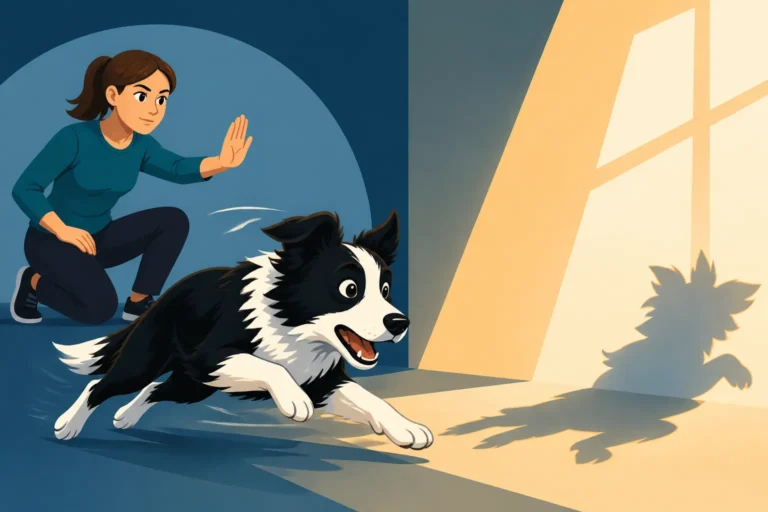
A tired Border Collie is often a good Border Collie. This breed needs significant physical exercise and mental stimulation to be truly content. Simply letting them run in the yard for an hour isn't enough; they need a job to do. Without adequate stimulation, that intense Border Collie drive can manifest in undesirable ways, including excessive nipping, destructive chewing, or compulsive behaviors like A Border Collie That Chews Itself When Bored or chases shadows.
Incorporate daily walks, runs, or structured play sessions like fetch or disc dog. Beyond physical exertion, challenge their minds with puzzle toys, scent work, or learning new commands. Teaching them new tricks or even complex sequences can be just as tiring as a long run. A mentally stimulated Border Collie is less likely to feel the need to "create" their own entertainment, which often involves using their mouth on things they shouldn't. This breed's legendary intelligence, where How Many Words a Border Collie Can Learn is a testament, means they are always eager to learn, so harness that natural curiosity productively.
Celebrating Progress and Building Trust
Finally, remember to celebrate every small victory. Every time your puppy chooses a toy over your hand, every time they offer a soft mouth instead of a hard nip, that's progress! Positive reinforcement – praise, treats, and enthusiastic encouragement – is the most effective way to shape a Border Collie's behavior. They want to please you and thrive on your approval.
Building trust with your Border Collie puppy means they learn that you are a reliable source of guidance, safety, and fun. They learn that listening to you leads to good things. Through patient, consistent training during the nipping phase, you're not just stopping an unwanted behavior; you're building the foundation for a lifetime of companionship based on mutual understanding and respect. It's a journey, and there will be ups and downs, but the intelligent and loyal spirit of your Border Collie will make it all worthwhile.
Disclaimer
This article is for general informational purposes only and does not constitute professional advice. Laws, prices and regulations vary by location and change over time. Consult a qualified professional for guidance on your specific situation.