Traffic, Livestock and a Young Border Collie
Bringing a young Border Collie into your life is an adventure, but it often comes with a unique set of challenges. One of the most common frustrations for owners is witnessing their intelligent, driven companion fixate on moving objects—be it passing cars, bicycles, or even neighborhood livestock—with an intensity that can be both bewildering and dangerous. This comprehensive guide is here to help you understand why your young Border Collie fixates on traffic and livestock, and crucially, how to safely and effectively manage these powerful instincts to ensure a harmonious life together.
Understanding the Border Collie's Instinct to Herd
The Border Collie is a marvel of canine engineering, bred over centuries to work sheep with incredible precision and focus. This deeply ingrained herding instinct, while invaluable in its intended context, can become a real headache—or even a hazard—when unleashed on the wrong targets in our modern world.
The Deep-Seated Drive
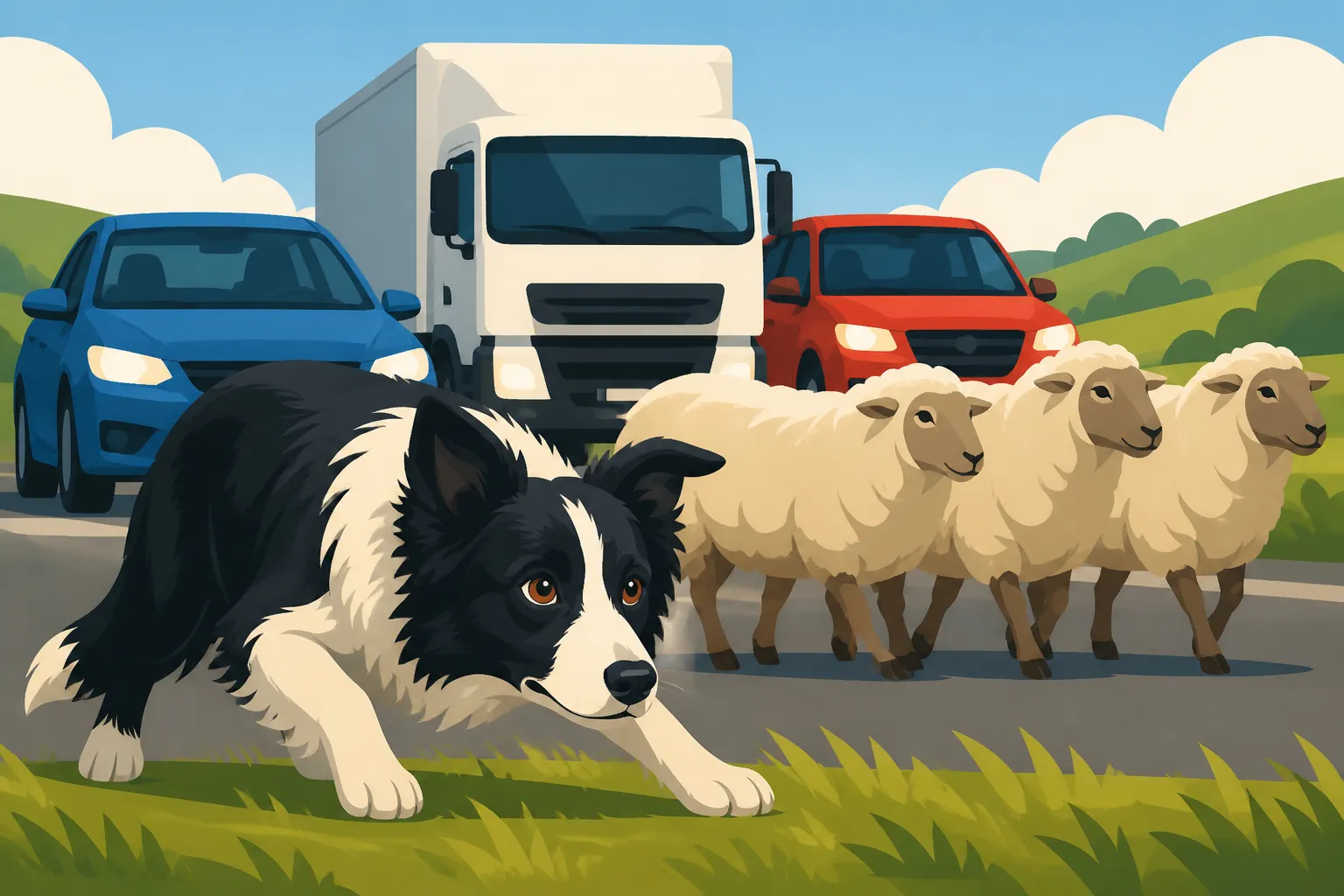
Imagine a dog whose entire ancestral line has been meticulously selected for a single purpose: to control and move livestock. That's your Border Collie. This isn't just a playful chase; it's a genetic blueprint, a profound drive to gather, influence, and respond to movement. They're hardwired to observe, stalk, and direct, using what's known as "the eye"—that intense, fixed gaze that can seemingly hypnotize a flock of sheep. This instinct is what makes them phenomenal working dogs and incredible athletes in dog sports, but it's also what makes them prone to misinterpreting other moving objects as sheep that need to be "worked."
This powerful instinct doesn't develop overnight; it's often present from a very young age, even in puppies who have never seen a sheep. They might try to "herd" your children, the vacuum cleaner, or even you as you move around the house. It's not malice; it's just their innate programming seeking an outlet. Recognizing this core motivation is the first step in understanding why traffic and livestock become such potent triggers.
Misdirected Instincts: Why Traffic and Livestock Become Targets
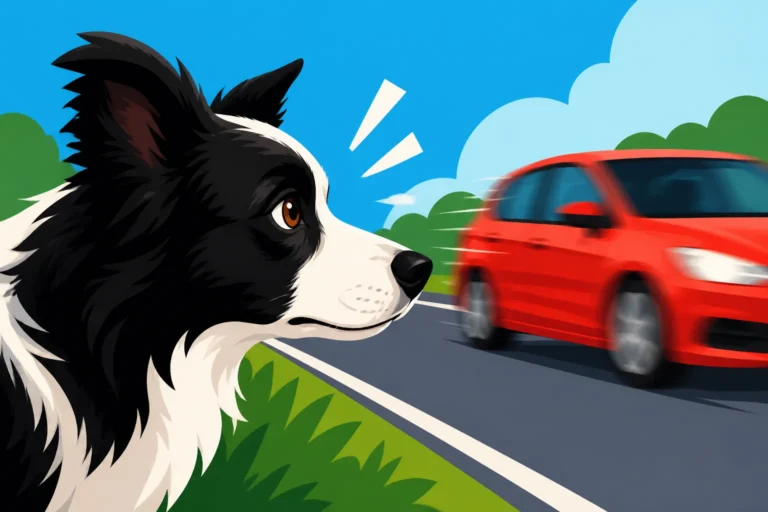
To a young Border Collie, a bicycle whizzing past isn't just a bike; it's a fast-moving object that needs to be brought under control. A car speeding down the road is like a stray lamb bolting from the flock. The rapid, unpredictable motion, combined with the dog's innate desire to impose order, creates a powerful urge to chase, nip, and redirect. This drive isn't about aggression; it's about control. They see an object moving away from them, and their instinct tells them to "fetch it up" or "head it off." This behavior can escalate quickly, turning a casual walk into a tug-of-war with a determined, focused dog.
The same principle applies to livestock they encounter. While some Border Collies are bred from lines with less intense herding drive for pet homes, many still carry that deep-seated desire. A neighbor's chickens, a herd of cows in a field, or even local deer can all become "sheep" in the mind of a young Border Collie. Without proper guidance and training, this can lead to stress for both the dog and the animals involved, and potentially serious consequences for the owner. It's crucial to understand that their brain is literally screaming "Go!" when these triggers appear, and it's our job to teach them a different, safer response.
Training Foundations for a Safe Young Border Collie
Successfully managing a young Border Collie's herding instincts, especially around high-stimulus environments like traffic and livestock, hinges on building a strong foundation of obedience and impulse control. This isn't about suppressing their nature, but rather about channeling it appropriately and giving them the tools to make good choices.
Prioritizing a Rock-Solid Recall
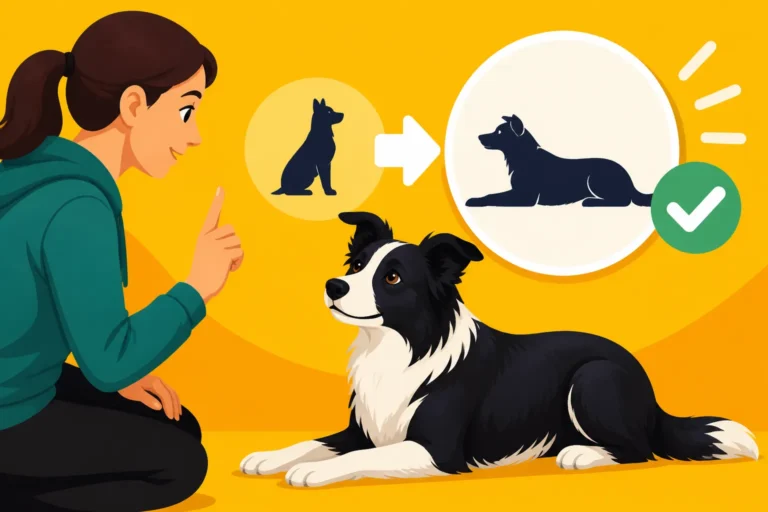
If there's one command every Border Collie owner needs to master, it's the recall. A reliable "Come!" or "Here!" isn't just convenient; it's a lifesaver. For a young Border Collie with its head full of herding dreams, the ability to instantly disengage from a compelling distraction—be it a squirrel, a cyclist, or a distant sheep—and return to you is paramount. This command must be built on trust and positive reinforcement, making coming back to you the most rewarding option available.
Start recall training in a quiet, distraction-free environment, making it a fun game with high-value treats and enthusiastic praise. Gradually introduce more distractions, always setting your dog up for success. Use a long line, perhaps a 30-foot one from Amazon, in securely fenced areas to practice calling your dog back before they have a chance to fixate on something. When your Border Collie is in that "zone," focused intensely on a moving object, it can feel like you're invisible. That's why consistent practice across many different scenarios is key to Building a Border Collie Recall Against Moving Things. You want their response to be automatic, not a choice they have to ponder in the face of temptation.
Impulse Control and Boundary Training
Beyond recall, teaching your Border Collie impulse control is vital. Commands like "leave it," "wait," and "stay" are your best friends. These teach your dog that not every moving thing is theirs to pursue and that sometimes, restraint is rewarded. Start with simple exercises, like asking them to "leave it" with a piece of kibble on the floor, gradually increasing the difficulty and duration. This skill directly translates to ignoring a passing car or staying calm when a horse trots by.
Boundary training can also be incredibly useful. Teaching your Border Collie that certain areas are "off-limits" or that they must remain behind a certain line (physical or invisible) provides structure and predictability. This might involve using baby gates in your home, teaching them to stay on their mat when visitors arrive, or establishing a perimeter in your yard. Consistency is the magic word here; every family member needs to be on board, reinforcing the same rules every time. This helps your Border Collie learn to pause and look to you for guidance rather than acting purely on instinct.
Leash Training and Controlled Exposure
Before even contemplating off-leash freedom in areas with traffic or livestock, a young Border Collie needs impeccable leash manners. A dog that pulls frantically towards every stimulus is not only difficult to control but also reinforces the idea that pulling gets them closer to their "prey." Invest time in teaching a loose-leash walk using positive reinforcement. If your Border Collie is particularly strong or easily distracted, tools like a front-clip harness or a head halter can offer better control without causing discomfort, allowing you to guide their attention more effectively.
Controlled exposure is about gradually introducing your Border Collie to potential triggers in a safe, managed way. This means starting at a distance where they can observe traffic or livestock without becoming over-aroused, and rewarding calm, neutral behavior. Avoid situations where your dog is likely to fail by lunging or barking excessively. Short, positive exposures are much more beneficial than long, stressful ones. The goal is to habituate them to these stimuli as part of the everyday background, rather than something exciting that demands their full herding attention.
Managing Encounters with Traffic
The intense focus and drive that make Border Collies exceptional working dogs can become a grave liability when directed towards traffic. Preventing them from chasing cars, bicycles, and even joggers is not just about convenience; it's about life and death.
The Dangers of Roadside Herding
A Border Collie fixated on a car or bicycle is a dog in a highly aroused state. Their ears might be pinned, their body low, their eyes locked on the moving target. In this state, their impulse to "work" that object overrides almost everything else, including their own safety. They can dart into traffic, oblivious to oncoming vehicles, leading to devastating accidents. The consequences are dire for the dog, the owner, and potentially the driver involved. This isn't merely naughty behavior; it's a primal drive pushing them into extreme danger.
Beyond cars, many young Border Collies will try to "herd" bicycles, skateboards, runners, or even children on scooters. They might dart out, bark, or even nip at wheels or heels in an attempt to turn or stop the moving object, just as they would a recalcitrant sheep. This can cause falls, injuries, and serious liability issues for the owner. It’s a frightening experience for anyone being “herded” by a powerful, intense dog, regardless of the dog’s intentions. It's important to recognize that for a Border Collie, this behavior feels inherently rewarding, making it particularly difficult to break without consistent intervention. This is a common struggle for owners, and many wonder A Border Collie Fixated on Passing Cars what steps they can take.
Training Protocols for Busy Areas
The key to managing roadside herding is a combination of prevention, desensitization, and counter-conditioning. Firstly, prevention: until you have a rock-solid recall and impulse control, your Border Collie should never be off-leash in an unfenced area near roads or potential traffic. Use a secure leash and harness, like a sturdy H-style harness you might find on Amazon, that prevents escapes and gives you maximum control. For those dogs that really struggle, consider a head halter, which allows you to redirect their head and therefore their focus away from the trigger.
Secondly, desensitization and counter-conditioning:
- Start from a distance: Find a spot where traffic is visible but far enough away that your Border Collie notices it but doesn't react intensely. This might be across a large field or even inside your car with the window cracked.
- Reward calm observation: Every time a car or bike goes by and your dog remains calm—even if it's just a fleeting moment of neutrality—mark that moment with a clicker or a verbal "Yes!" and immediately reward with a high-value treat. The goal is to change their emotional response from "chase!" to "Oh, a car! That means I get a yummy treat from my human."
- Gradually decrease distance: Over many sessions and days, slowly move closer to the road or trail. Only move closer when your dog is consistently calm at the current distance. If they start reacting, you've moved too fast; go back a step.
- Practice "watch me" and "leave it": When a vehicle approaches, ask for a "watch me" command to refocus their attention on you. If they begin to fixate, give a "leave it" command and redirect them with a treat or a toy in the opposite direction.
- Vary locations: Once they are doing well in one spot, try other roadsides with different levels of traffic. Consistency and patience are paramount. This process takes time, sometimes weeks or months, but it's essential for their safety. You are teaching your dog to override their powerful instinct with a learned, safe behavior.
Managing Encounters with Livestock (and Wildlife)
While some Border Collies are destined for the working farm, many live in suburban or rural settings where incidental encounters with livestock or wildlife are common. Managing these interactions safely is crucial for everyone involved.
Respecting Livestock: Safety First
The sight of sheep, goats, or even chickens can ignite a strong, undeniable urge in a young Border Collie. However, an untrained Border Collie “working” livestock can quickly turn into a dangerous situation. Unlike a seasoned working dog that knows how to move stock calmly and respectfully, a young, untrained dog might chase, nip, or relentlessly harass animals. This can cause extreme stress, injury, or even death to livestock, particularly pregnant ewes or young animals. From a legal standpoint, this can lead to severe financial penalties or even the destruction of your dog in some areas.
It's vital for owners to understand the difference between a controlled, purposeful herding instinct and an uncontrolled, predatory chase. The latter is unacceptable and dangerous. Even if your Border Collie has "good intentions" to gather, their lack of skill and control can easily harm the animals. It's a fundamental responsibility of a Border Collie owner to ensure their dog does not worry or injure livestock. Many articles, such as What Happens If a Border Collie Worries Sheep, delve into the serious consequences of allowing this behavior.
Controlled Introduction to Stock
If you have aspirations for your Border Collie to work livestock, or simply want them to be safe around it, a controlled introduction under expert supervision is non-negotiable. Don't just throw your dog into a field with sheep and hope for the best. This can create bad habits, instill fear in the sheep, and even injure your dog.
The best approach is to seek out a local herding instructor or a facility that offers "instinct tests" or introductory herding lessons. These environments typically use calm, experienced sheep and a controlled round pen, allowing a qualified instructor to guide your dog's natural instincts. They can teach you how to read your dog's body language, how to apply basic commands like "walk up" and "lie down" in the context of stock work, and how to encourage appropriate "eye" and movement. This structured environment helps channel their drive productively and safely. This is where a resource like Herding Lessons and Clinic Prices for a Border Collie can be incredibly helpful in finding appropriate training.
Preventing Unwanted Herding of Wildlife
Beyond managed livestock, young Border Collies often find themselves drawn to local wildlife—deer, rabbits, squirrels, or even neighborhood cats. These animals also represent fast-moving targets that can trigger the herding response. While perhaps not as legally precarious as harassing a farmer's sheep, chasing wildlife can still lead to lost dogs, encounters with cars, or dangerous situations for both your dog and the wild animals.
Strategies for prevention include:
- Secure Fencing: Ensure your yard has a fence high enough to deter jumping and secure enough to prevent digging under. Many Border Collies can easily clear standard four-foot fences.
- Leashed Walks: Until your Border Collie has an absolutely flawless recall in high-distraction environments, keep them on a leash when walking in areas where wildlife is present. A long line can offer a bit more freedom in a safe, open space while still maintaining control.
- Strong "Leave It": Continue to practice and proof your "leave it" command with increasing distractions. This command is invaluable for breaking their focus on a rabbit bolting across a field.
- Alternative Outlets: Provide plenty of appropriate mental and physical exercise to meet their needs. A Border Collie whose mind and body are satisfied is less likely to create its own (unwanted) entertainment by chasing wildlife. Enrichment activities like scent work, puzzle toys, and agility can be excellent ways to channel their energy. Sometimes, a Border Collie will engage in behaviors like Stopping a Border Collie Chasing Shadows and Light or even Why a Border Collie Cannot Stop on Its Own if their natural drives aren't being met or properly managed.
Tools and Resources for Success
Managing a young Border Collie's intense drives requires the right tools and a supportive network. You don't have to navigate this journey alone!
Essential Training Equipment
Having the right gear makes a world of difference in your training efforts and your dog's safety. Here's a rundown of items every Border Collie owner should consider:
- Long Lines: A 15- to 30-foot long line is indispensable for practicing recall and giving your dog a sense of freedom in safe, open spaces while you maintain control. Brands like Kong or Ruffwear offer durable options, easily found on Amazon.
- Sturdy Leashes and Harnesses: A comfortable, well-fitting harness (like a front-clip harness) provides better control than a collar alone and discourages pulling. Choose a leash made from strong, durable material that can withstand the strength of a determined Border Collie.
- High-Value Treats: For a breed as intelligent and driven as the Border Collie, motivation is key. Reserve their absolute favorite treats (small pieces of cooked chicken, cheese, or specialized training treats) for critical commands like recall and "leave it."
- Clicker: A clicker can be an incredibly precise and effective tool for marking desired behaviors at the exact moment they occur, aiding in clear communication during training.
- Puzzle Toys and Enrichment: These dogs need mental stimulation as much as physical exercise. Interactive puzzle feeders and brain games can help tire them out mentally and provide appropriate outlets for their problem-solving abilities. You can find a vast array of these on Amazon too.
- Secure Crates/Kennels: A crate can be a valuable tool for teaching impulse control, providing a safe den, and managing situations when you can't actively supervise your young Border Collie.
| Training Situation | Recommended Equipment | Training Strategy |
|---|---|---|
| High Traffic Areas | Front-clip harness, sturdy leash | Desensitization, "watch me" exercises, high-value treats, short exposures at increasing proximity. |
| Near Livestock/Wildlife | Long line, secure fence, head halter (if needed) | Controlled introductions (with expert), "leave it" command, strong recall, management through physical barriers. |
| General Impulse Control | Clicker, puzzle toys, high-value treats | "Stay," "wait," and "leave it" commands practiced in varied environments, mental enrichment. |
| Recall Practice | Long line, recall whistle, high-value treats | Start in low-distraction, make it a fun game, gradually add distractions, always reward immediate return. |
Professional Guidance and Training Programs
Sometimes, despite your best efforts, you might feel overwhelmed by your Border Collie's intense instincts. That's perfectly normal, and it's a sign that it's time to seek professional help. A certified professional dog trainer (CPDT-KA) or a behaviorist who has experience with herding breeds can provide invaluable guidance. They can assess your dog's specific behaviors, help you develop a tailored training plan, and teach you advanced techniques for managing their drive.
Look for trainers who use positive reinforcement methods and who understand the nuances of Border Collie behavior. Many areas have local herding clubs that offer classes and workshops, even for pet Border Collies. These can be fantastic resources for understanding their innate abilities and channeling them safely. Online training platforms can also be a convenient option. For example, some programs, like those offered by BAXTER & Bella, provide comprehensive online instruction that can be accessed from home, offering a structured curriculum that covers everything from basic obedience to advanced impulse control, which is crucial for a breed as intelligent as the Border Collie. Don't hesitate to reach out; investing in professional guidance is an investment in a happier, safer future for both you and your Border Collie.
Remember, a young Border Collie's journey into a well-behaved adult is a marathon, not a sprint. With patience, consistency, and the right approach, you can successfully navigate their powerful instincts and enjoy a truly rewarding partnership with your intelligent companion.
Disclaimer
This article is for general informational purposes only and does not constitute professional advice. Laws, prices and regulations vary by location and change over time. Consult a qualified professional for guidance on your specific situation.