Whether a Border Collie Chills Standing Between Runs
It’s a scenario many Border Collie owners know all too well: your dog has just put in a fantastic, high-energy run, whether it’s on the sheep pasture, an agility course, or a long, demanding hike. They’re panting, exhilarated, and then they stop, waiting for the next command or a well-deserved break. The question quickly arises: are they actually getting chilled just standing there, or is their active metabolism keeping them comfortable? This guide will dive deep into understanding how Border Collies regulate their body temperature and, more importantly, how to ensure they stay warm and safe between those intense bursts of activity.
Understanding Your Border Collie's Thermoregulation
Our Border Collies are magnificent athletes, bred for endurance and intense bursts of energy. Their bodies are incredibly efficient machines, but they also experience significant changes in core temperature during and after work. It’s not simply about the air temperature; it's about the physiological shifts happening within their powerful frames.
The Working Dog's Body Temperature Fluctuations
Think about yourself after a strenuous workout. You're hot, your heart is pounding, and you're sweating. Your Border Collie experiences something similar. During intense physical activity, their muscles generate a huge amount of heat. This elevates their core body temperature significantly, often well above their resting temperature. Their primary method of cooling down is panting, which evaporates moisture from their tongue and respiratory tract, and vasodilation, where blood vessels near the skin surface expand to release heat.
However, the moment that intense activity stops, the heat generation from muscles drastically reduces. The body still has an elevated core temperature, but the rapid cooling mechanisms continue, sometimes too efficiently for the ambient conditions. If the air is cool, or worse, windy and damp, that sudden drop in heat production combined with ongoing heat loss can lead to them getting chilled surprisingly quickly. It’s not just about being cold, it’s about the rate of temperature change their body is experiencing. You might think, "They were just working, they must be boiling hot!" but that perception can be misleading moments after they stop moving.
Coat Types and Their Insulating Properties
Border Collies come in two primary coat types: rough (long-haired) and smooth (short-haired). Both types possess a double coat, which is crucial for insulation. The outer coat, or guard hairs, repels water and dirt, while the dense, soft undercoat provides the bulk of the insulation.
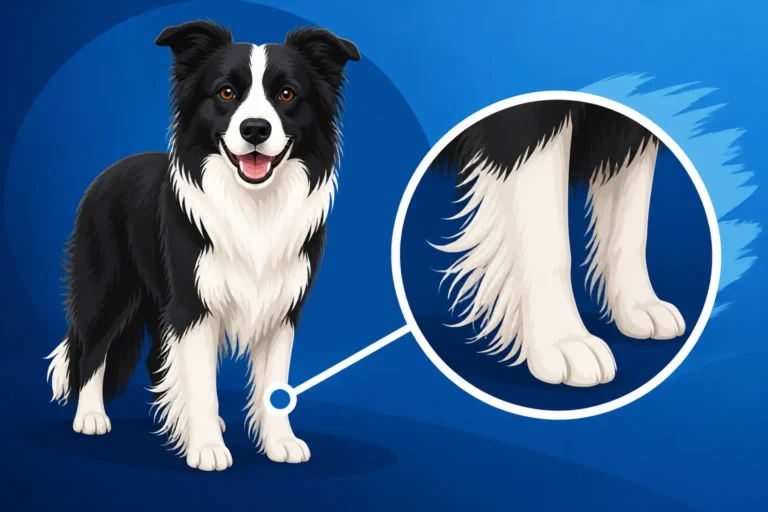
A rough-coated Border Collie, with its longer hair and dense undercoat, generally offers better protection against cold, wind, and dampness. The length of the hair creates an air buffer that helps trap body heat. However, this same coat can hold more moisture if it gets wet, and if not dried properly, that moisture can wick away heat, making the dog colder than if they were dry. The feathering on their legs and belly, while beautiful, can also get wet and become a conduit for cold if not managed.
Smooth-coated Border Collies, while still having a double coat, have much shorter guard hairs. This means less physical barrier against the elements. They can cool down faster when active, which is a benefit in hot weather, but they can also get chilled more rapidly when inactive, especially if there's a breeze or dampness. While some owners prefer the smooth coat for ease of cleaning, it often means providing more external warmth, like a coat or blanket, when they're resting after work in cooler conditions. The Rough and Smooth Border Collie Coats explores these differences further.
Environmental Factors: Wind, Humidity, and Ambient Temperature
The actual air temperature is only one piece of the puzzle when it comes to your Border Collie chilling out. Wind chill is a huge factor. A brisk breeze can strip away body heat much faster than still air at the same temperature, especially from a dog that has just stopped working and is panting to cool down. Imagine standing outside after a shower; a slight breeze feels much colder than if the air were still. Your Border Collie feels this even more acutely.
Humidity also plays a role. In high humidity, the evaporative cooling from panting is less efficient, making it harder for your dog to dissipate heat when working. Conversely, in low humidity, that evaporative cooling is very effective, sometimes too effective when they stop, contributing to a quicker chill. Damp conditions, whether from rain, dew, or wet ground, are particularly problematic. A wet coat loses its insulating properties, and contact with cold, wet surfaces can rapidly draw heat away from your dog's body. These combined factors mean that a seemingly mild day can still lead to a chilled dog if the conditions are windy and damp, especially when transitioning from high-intensity work to rest. A Border Collie Working in Winter Conditions goes into more detail about how to manage cold weather.
Recognizing the Signs of Being Chilled
It’s not always obvious when your super-driven Border Collie is starting to feel the cold. They often have such a strong work ethic that they'll push through discomfort. Learning to read the subtle cues is essential for their well-being.
Subtle Indicators of Cold Stress
Before outright shivering, your Border Collie might show more subtle signs that they're getting cold. One common indicator is a change in posture: they might start to hunch their back, tuck their tail tightly between their legs, or stand with their legs drawn closer to their body, trying to minimize exposed surface area. Their movements might become a little stiff or less fluid than usual, not necessarily from fatigue, but from muscle tension as their body tries to conserve heat. You might also notice them trying to seek shelter behind you, a vehicle, or any available windbreak.
Their coat, particularly on a rough-coated dog, might appear slightly ruffled or "puffed up" as the piloerection reflex kicks in, attempting to trap more air for insulation. Their ears might feel cool to the touch, and their gums might appear a little paler than normal, indicating reduced blood flow to the extremities as their body prioritizes warming vital organs. It's easy to dismiss these as normal post-work behaviors, but if observed in conjunction with cool temperatures or wind, they're important signals that your dog needs some warmth. Pay attention to their general demeanor; a slightly subdued or less alert look can also be a hint.
Overt Symptoms and When to Act
If the subtle signs are missed, or if conditions are particularly harsh, your Border Collie will move into more overt symptoms of being chilled or even hypothermic. The most obvious is sustained shivering. This is an involuntary muscle contraction designed to generate heat. While a quick shiver after a splash in cold water might be normal, persistent shivering, especially when not actively wet, is a clear warning sign.
Other strong indicators include lethargy, a reluctance to move, or a noticeably slower pace. Their muscles might feel rigid or tense. Their paws and ears will be very cold to the touch. In more severe cases, their breathing might become shallow, and their heart rate could slow. They might whine or vocalize discomfort, which is unusual for many stoic Border Collies. If their gums or tongue start to look bluish or gray, that's an emergency, indicating a serious lack of oxygen and severely impaired circulation. At this point, immediate and active warming is necessary, and veterinary attention should be sought, as severe hypothermia can be life-threatening. Recognizing these signs quickly allows you to intervene before a simple chill turns into a dangerous situation.
Practical Strategies for Keeping Your Border Collie Warm Between Runs
Being prepared is key, especially if you're out training or competing. Preventing a chill is far easier and safer than trying to warm up an already cold dog.
The Importance of Post-Work Cool Down and Drying
After a demanding session, your Border Collie's body is still working hard, even if they're standing still. A proper cool-down is paramount. Don't just stop their activity abruptly. Gradually decrease the intensity of their work for a few minutes before bringing them to a full stop. This allows their heart rate to slow naturally and helps prevent blood from pooling in their extremities. During this cool-down phase, keep them moving gently to prevent a sudden drop in muscle heat generation.
Once the cool-down is complete, the next critical step is thorough drying, especially if they are wet from sweat, dew, rain, or a water break. Use absorbent towels to rub them down, paying special attention to their belly, chest, and the feathering on their legs and tail. For rough-coated dogs, getting deep into the undercoat is vital. A quick rub isn't enough; you need to remove as much moisture as possible. If you have access to a force dryer, it can be incredibly effective at drying them quickly and getting right down to the skin, even helping to fluff up their coat for better insulation. Removing moisture prevents evaporative cooling from continuing unchecked, which is a major culprit in dogs getting chilled. Bathing a Border Collie That Works in Mud talks about thorough drying after getting wet.
Gear and Equipment for Heat Retention
Having the right gear on hand can make all the difference. For dogs resting between runs, especially in cool or cold weather, a warm dog coat or blanket is indispensable. There are many excellent options designed specifically for active dogs, often made with water-resistant outer layers and warm fleece linings. When selecting a coat, look for one that covers their chest and belly well, as these areas can lose heat rapidly. Brands like Ruffwear or even generic options found on Amazon or Chewy offer a range of well-designed coats that are easy to put on and take off.
For smooth-coated Border Collies, a coat is almost non-negotiable in cold conditions, but even rough-coated dogs can benefit from extra insulation, particularly if they're older or have a thinner build. A simple fleece blanket or an old towel can also be draped over them while they're crated or resting. Using a raised bed or a thick mat in their crate can also prevent heat loss to cold ground. Cooling Coats and Vests for a Border Collie often also discusses warming options. Don't forget their transport crate; lining it with warm, dry bedding can create a cozy space for them to recover without getting cold.
Nutritional Support for Temperature Regulation
While gear provides external warmth, proper nutrition helps your Border Collie generate internal heat and maintain overall body health, which contributes to better thermoregulation. Working Border Collies burn a tremendous amount of calories. If their diet isn't providing enough energy, their body will struggle to maintain its core temperature, making them more susceptible to feeling chilled.
A high-quality performance dog food with adequate protein and fat content is crucial. These macronutrients provide the fuel for muscle activity and maintaining body heat. Consult with your vet or a canine nutritionist to ensure your dog's diet is appropriately balanced for their activity level. Brands like Ollie or other reputable performance dog food brands often offer formulas tailored for active dogs. Don't forget hydration; a well-hydrated dog is better able to regulate its body temperature. Always have fresh water available. The Calorie Load a Working Border Collie Burns and Feeding a Border Collie on a Performance Diet offer excellent insights into canine nutrition.
Avoiding Common Mistakes
Even experienced Border Collie owners can sometimes make assumptions that put their dogs at risk of getting chilled. Being aware of these common pitfalls can help you protect your active companion.
The Myth of "Always Tough" Working Dogs
It's tempting to think that because Border Collies are historically working dogs, bred for the rugged conditions of the Anglo-Scottish border, they are inherently "tough" and immune to feeling cold. While they certainly possess remarkable endurance and a dense double coat, this doesn't mean they are impervious to environmental stressors, especially when transitioning from high-energy output to rest. This myth often leads owners to underestimate the need for post-work care.
A dog that's been working hard, even in what seems like mild weather, is still susceptible to a rapid core temperature drop once the activity stops. Their drive to work can also mask discomfort, meaning they won't necessarily tell you they're cold until they are significantly chilled. Assuming they'll "just be fine" because of their breed history can be a dangerous oversight. Always err on the side of caution and provide warmth if there's any doubt, especially if conditions include wind, dampness, or simply cool air after intense exercise. What a Border Collie Does With Its Whole Day highlights the intense nature of their work.
Overlooking the Individual Dog's Needs
Just like people, every Border Collie is an individual. What one dog tolerates comfortably, another might struggle with. Factors such as age, overall health, body fat percentage, and even individual coat density can affect how well a dog handles temperature changes. A young, robust, heavily coated Border Collie might indeed handle a short break in cool weather better than an older, leaner dog with a less dense coat, or one recovering from an injury.
For instance, an older Border Collie might have a slower metabolism and poorer circulation, making them more prone to getting chilled. A dog with an underlying health condition, such as a thyroid issue, might also struggle with temperature regulation. The Border Collie That Stays Sound Into Its Teens discusses age-related changes. It's crucial to observe your dog and learn their specific tells for discomfort. Don't rely solely on general breed characteristics. If your dog shivers easily, seeks warmth, or seems stiff after a short rest, those are cues unique to them that you must heed, regardless of what other Border Collies might do. Customizing your approach to their specific needs ensures they remain healthy and comfortable throughout their working life.
Here's a quick comparison of common chilling signs and preventative measures:
| Indicator Category | Signs of Chilling | Preventative Measures |
|---|---|---|
| Physical Cues | Shivering, hunched posture, tail tucked, stiff movement, cold ears/paws, pale gums, puffed coat | Gradual cool-down, thorough drying, warm coat/blanket, elevated bed |
| Behavioral Cues | Lethargy, reluctance to move, seeking shelter, subdued demeanor, whining | Keep moving during cool-down, provide mental stimulation, ensure adequate nutrition |
| Environmental | Wind, damp ground/air, sudden temp drop after intense work | Use windbreaks, avoid sitting on cold/wet surfaces, provide insulated crate/bedding |
Disclaimer
This article is for general informational purposes only and does not constitute professional advice. Laws, prices and regulations vary by location and change over time. Consult a qualified professional for guidance on your specific situation.