Holding a Border Collie Puppy Back Before a Year
It's a common, heartbreaking scenario: you bring home that fluffy, energetic Border Collie puppy, brimming with drive, and you want to give them the world. But pushing them too hard, too fast, can lead to serious, lifelong orthopedic problems. This guide will walk you through why it's crucial to "hold back" your Border Collie puppy for their first year and how to manage their boundless energy safely, ensuring a healthy, sound future.
Understanding the Delicate Growth Plates in Border Collie Puppies
When you look at your bouncy Border Collie puppy, you see boundless energy and a seemingly indestructible spirit. It’s easy to forget that beneath that fluff and enthusiasm, their skeletal system is very much a work in progress. Their bones are not fully formed and hardened like an adult dog's, making them incredibly vulnerable to injury from excessive or inappropriate activity. Understanding this delicate stage is paramount to their long-term health.
What are Growth Plates and Why are They So Important?
Growth plates, medically known as epiphyseal plates, are areas of cartilage located near the ends of long bones in growing animals. Think of them as the "factories" where new bone tissue is produced, allowing the bones to lengthen as your puppy grows from a tiny bundle of fluff into a sleek, agile adult. These plates are softer than the calcified bone that surrounds them and are therefore much weaker and more susceptible to injury. Unlike mature bone, which is quite resilient, these cartilaginous areas can be easily damaged by impact, twisting, or repetitive stress. A fracture or injury to a growth plate can disrupt normal bone growth, potentially leading to deformities, lameness, or even permanent joint problems that could sideline a promising sport or working dog before they even start. For a breed as athletic as the Border Collie, whose entire life revolves around movement and agility, protecting these growth plates is non-negotiable.
The timing of growth plate closure varies slightly by breed and individual dog, but generally, most growth plates in Border Collies don't fully close and harden into solid bone until they are around 12 to 18 months old. Some larger bones or those in areas like the elbow or knee might close a bit later. During this entire period, your puppy is at risk. It’s not just about bone length, either; these plates are critical for the correct formation and alignment of their joints. Any uneven or premature closure can throw off the delicate balance of a joint, leading to lifelong issues. This is why the common advice to "hold back" a Border Collie puppy before a year, or even longer, isn't just a suggestion—it's a critical piece of their early care, especially if you plan for them to have a demanding working or sport career.
The Stages of Bone Development in a Growing Border Collie
A Border Collie puppy's skeletal development isn't a single event but a gradual process. From birth, their bones are lengthening and widening, with various growth plates in their legs, spine, and other areas developing at different rates. Initially, much of a puppy's skeleton is cartilage, which gradually calcifies into bone. This process is complex, involving hormones, genetics, and nutrition. Rapid growth spurts can make puppies even more susceptible, as their bones are lengthening quickly, and the surrounding soft tissues (muscles, tendons, ligaments) might not always keep pace.
The first six months are a period of very rapid growth, where the structural integrity of their future skeleton is largely determined. While their energy might seem boundless, their internal architecture is still incredibly soft. After six months, the growth rate may slow slightly, but the closure of growth plates continues steadily. By around 12 months, many, but not all, growth plates will have fused. However, some deep growth plates, particularly those contributing to the elbow or hip joints, can remain open longer. For this reason, many experienced Border Collie owners and breeders advocate for a cautious approach to exercise well past the one-year mark, often until 15 to 18 months, or even two years, especially when it comes to high-impact activities. This extended period of caution helps ensure that the joints are fully mature and robust enough to withstand the rigors that a Border Collie's active life will demand. It's a commitment to their longevity, safeguarding against future problems like Hip Dysplasia in a Border Collie That Runs All Day or Elbow Dysplasia and the Border Collie Forelimb.
The Hidden Dangers of Too Much Activity Too Soon
It's tempting to think that because Border Collies are renowned for their energy and athleticism, a puppy should be encouraged to run and jump to its heart's content. Unfortunately, this couldn't be further from the truth. The very characteristics that make them such incredible dogs—their speed, agility, and intensity—also make them highly susceptible to injury during their formative months. Pushing a young Border Collie into strenuous activities before their skeleton is fully mature is like asking a construction worker to build a skyscraper on a foundation of wet cement.
Common Orthopedic Issues Linked to Early Overexertion
Prematurely engaging a Border Collie puppy in high-impact or repetitive exercises is a direct pathway to a host of debilitating orthopedic conditions. One of the most talked-about is hip dysplasia, where the hip joint doesn't form correctly, leading to a loose, grinding joint. While genetics play a significant role, environmental factors like excessive exercise on immature joints can exacerbate or even trigger the severity of the condition. Similarly, elbow dysplasia, a complex condition involving several developmental abnormalities in the elbow joint, can be worsened by activities that put stress on the front limbs, such as jumping from heights or constant pounding. Hip and Elbow Scores in a Border Collie are done on adult dogs for a reason—to ensure the growth plates are closed and the joints are fully formed before evaluation.
Beyond the major dysplasias, you also have to consider conditions like Osteochondritis Dissecans (OCD), where cartilage fails to develop properly and separates from the underlying bone, most commonly in the shoulder, elbow, or knee. This can lead to pain, lameness, and the need for expensive surgery. Even seemingly minor sprains or strains in puppies can have long-lasting effects if they involve soft tissues around developing growth plates. Forcing a puppy to engage in activities like long-distance running, intense agility drills, or repeated jumping before their growth plates are fused places undue stress on these delicate structures. The cumulative microtrauma can set the stage for chronic inflammation, pain, and premature arthritis, greatly diminishing their quality of life and potentially ending a working or sport career before it even begins.
The Long-Term Consequences You Might Not See Until Later
The insidious thing about over-exercising a Border Collie puppy is that the most severe consequences often don't show up immediately. A puppy might seem fine, even thrive on the activity, only for chronic issues to emerge years later. That seemingly minor limp after a long hike or a session of intense fetch might be a red flag you're missing, only to manifest as debilitating arthritis when your dog is four or five years old, far too young to be experiencing such pain. Owners often reflect on past activities, wondering if they did too much.
When you push a puppy too hard, you're essentially borrowing from their future health. The wear and tear on their immature joints and soft tissues can lead to premature degenerative joint disease. This means that by the time your Border Collie should be in the prime of their working or sport life, they might be experiencing significant pain, stiffness, and reduced mobility. They might need ongoing medication, special diets, or even costly surgeries to manage conditions that could have been mitigated with proper early care. Imagine having to retire a highly driven Border Collie from stock work or agility at age six because of chronic joint pain—it's a heartbreaking reality many owners face. The goal during puppyhood isn't just to get them tired; it's to foster strong, healthy development that supports a lifetime of activity, rather than jeopardizing it. This is why resources like Impact Work Before a Border Collie Turns Two strongly caution against early strenuous activity.
Structuring Safe and Beneficial Exercise for Young Border Collies
Given their incredible drive and energy, it can feel like a Herculean task to keep a Border Collie puppy from overdoing it without turning them into a bored, destructive nuisance. The key is balance: providing enough physical activity to satisfy their needs and encourage healthy muscle development, but always within the safe limits of their developing skeleton. Remember, it's about controlled, appropriate movement, not endless, high-impact exertion.
Appropriate Play and Controlled Movement
The best exercise for a young Border Collie puppy involves self-directed, low-impact activities on soft, forgiving surfaces. Think short, gentle walks on grass or dirt trails, allowing them to sniff and explore at their own pace. The old adage of "five minutes of exercise per month of age" is a good guideline for structured walks. So, a four-month-old puppy might get two 20-minute walks spread throughout the day, not one continuous hour. The focus should be on engagement and mental stimulation, not distance or speed. Free play in a securely fenced yard with soft ground is also excellent. Let them trot, canter, and interact with safe toys or a well-socialized, calm adult dog.
Supervised play sessions, whether alone or with other dogs, should be kept relatively short, perhaps 10-15 minutes, several times a day, rather than one long, exhausting romp. Encourage varied movements—short bursts of running, turning, stopping, and sniffing—but intervene if play becomes too rough or involves excessive jumping and hard landings. If they have a tendency to zoom and slide, try to manage the environment to prevent injuries. Remember, their minds are working hard even during these low-key activities, processing new smells, sounds, and social cues. This type of controlled, moderate movement helps build muscle tone and coordination without jarring delicate growth plates.
Avoiding High-Impact and Repetitive Activities
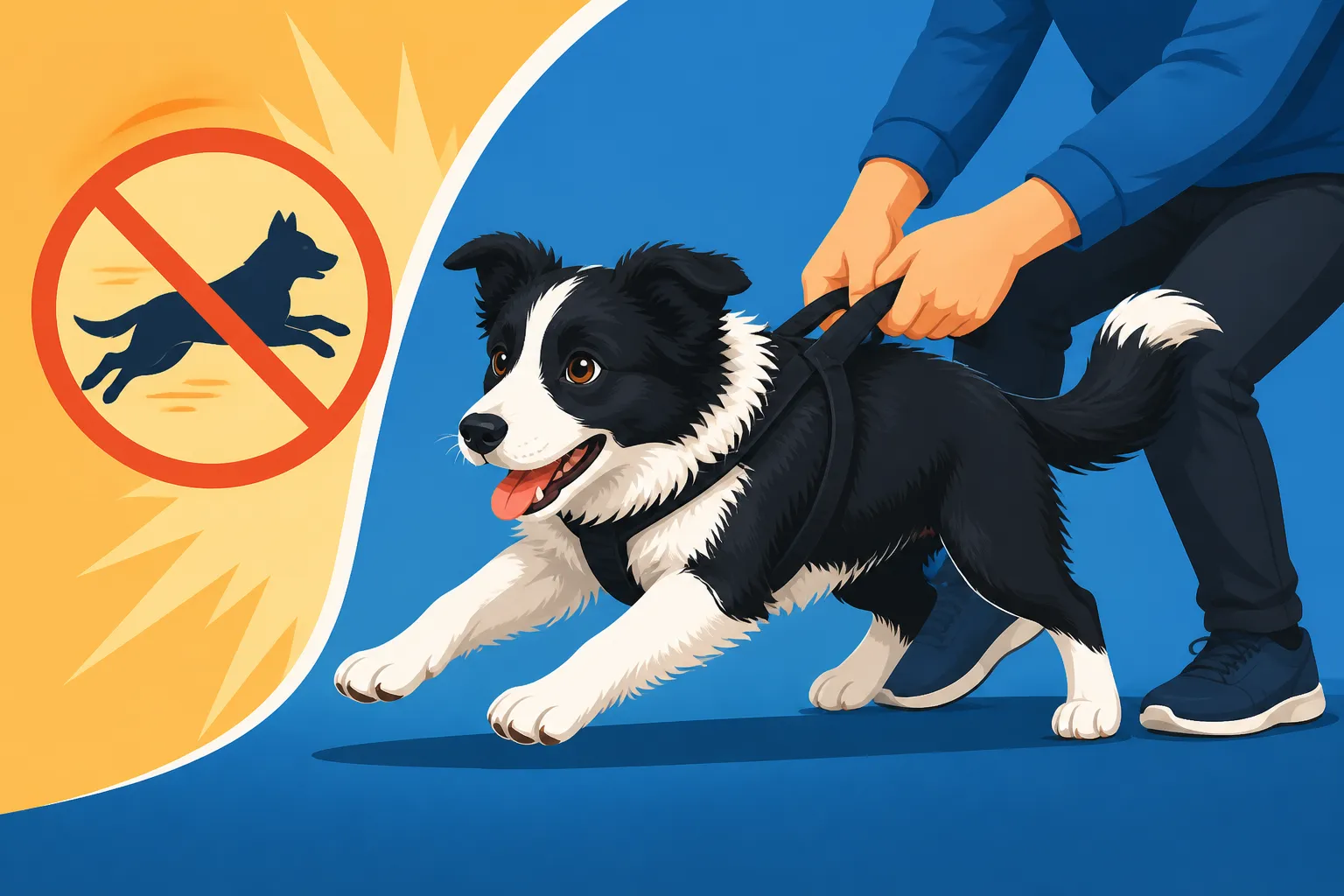
This is where many well-meaning owners go wrong. High-impact activities are anything that puts significant concussive force on their joints. This includes jumping on and off furniture, repetitive stair climbing, and certainly jumping obstacles in agility training. These actions place extreme stress on still-developing joints and can lead to growth plate fractures or joint malformation. Similarly, intense, repetitive activities like endless games of fetch with a ball or disc, or jogging alongside a bicycle for long distances, should be avoided entirely before your Border Collie is at least 12-18 months old, ideally even longer. Running a Young Border Collie on Concrete is another big no-no, as hard surfaces amplify the impact on their joints.
Even if your puppy seems to enjoy these activities, their enthusiasm doesn't mean their body is ready. Border Collies are so driven that they will often push past the point of pain or fatigue, especially when a toy or a task is involved. It's your responsibility as their guardian to set appropriate limits. Resist the urge to participate in formal agility training, intense flyball, or long herding sessions. These sports are designed for physically mature dogs. Waiting until their growth plates are fully closed not only protects their physical health but also helps prevent burnout or injury that could impact their ability to perform in these sports later in life. Think of it as an investment in their future athletic career and overall well-being.
Here’s a simple table to illustrate appropriate versus risky activities for Border Collie puppies:
| Activity Type | Appropriate for Puppies (Under 12-18 months) | Risky/Inappropriate for Puppies (Under 12-18 months) |
|---|---|---|
| Walking/Running | Short, sniffy walks on grass/dirt (5 min per month of age rule) | Long-distance running, jogging beside a bike, forced running on hard surfaces |
| Play | Free play in a soft, secure yard; short, supervised puppy play with calm dogs | High-intensity fetch/disc for extended periods, jumping off high objects/furniture |
| Training | Basic obedience, trick training, scent work, puzzle games | Formal agility, flyball, dock diving, intense herding lessons, repetitive jumping |
| Surfaces | Grass, dirt, sand, rubber mats | Concrete, asphalt, slippery floors (wooden/tile) |
| Stairs | Avoid where possible; if unavoidable, carry or use ramp | Repetitive stair climbing |
| Leash Work | Loose-leash walking, short duration | Constant pulling, quick changes in direction on leash |
Channeling That Border Collie Drive Through Mental Work
One of the biggest challenges for Border Collie owners is managing their puppy's incredible mental and physical energy. If you can't physically exhaust them with high-impact activities, how do you keep them from becoming bored, destructive, or even neurotic? The answer lies in their brilliant minds. Border Collies are bred to think, problem-solve, and work closely with their handler. Tapping into this innate intelligence through mental stimulation is not only safe for their growing bodies but also crucial for their behavioral development and satisfaction.
Engaging Their Minds Without Stressing Their Bodies
Mental exercise is arguably more tiring for a Border Collie than physical exercise, and it has the added benefit of being entirely safe for their developing joints. Puzzle toys are an absolute godsend for Border Collie puppies. Fill them with kibble or treats and let your pup figure out how to get the rewards. Brands like Chewy and Amazon offer a fantastic array of interactive toys, from simple treat-dispensing balls to complex multi-stage puzzles. These toys keep their brains engaged, their problem-solving skills sharp, and their energy focused on a constructive task. You might find a good Kong filled with peanut butter or wet food, frozen solid, can keep a puppy occupied for a surprising amount of time.
Scent work is another phenomenal way to engage a Border Collie's mind and nose without putting any stress on their body. Start simply by hiding treats around a room or in a designated area and encouraging your puppy to find them. As they get better, you can increase the difficulty, making them search for specific objects or in more complex environments. Basic obedience training, too, is a form of mental work. Teaching cues like "sit," "stay," "down," and a reliable recall, even in a distraction-free environment, requires focus and cognitive effort. These short, positive training sessions not only build a strong bond between you and your puppy but also lay the foundation for a well-behaved adult dog. Remember, a mentally tired Border Collie is often a calmer, happier Border Collie. Consider looking at Mental Work That Tires a Border Collie Faster for more ideas.
Structured Training Sessions and Socialization
Structured training sessions, kept short and positive, are vital for a Border Collie puppy. Their capacity to learn is incredible, as anyone who knows about How Many Words a Border Collie Can Learn will attest. Five to ten minutes of focused training, several times a day, is far more effective than one long, tedious session. Focus on shaping good behaviors, rewarding calm responses, and teaching them how to settle. This isn't just about obedience; it's about teaching them self-control and how to exist in our human world. These early lessons are critical in preventing common Border Collie issues later, such as excessive barking or herding unwanted objects or people.
Socialization is another crucial aspect of development that doesn't necessarily require physical exertion. Safely exposing your Border Collie puppy to a variety of sights, sounds, smells, people, and other calm, vaccinated dogs during their critical socialization window (roughly 8-16 weeks) is essential for developing a well-adjusted adult. Puppy classes, especially those focused on positive reinforcement and controlled play, can be excellent for this. Ensure the class emphasizes appropriate play and that the instructors are knowledgeable about puppy development and safe exercise limits. The goal is to build confidence and positive associations with the world around them, ensuring they grow into a resilient and adaptable companion, rather than one prone to fear or reactivity.
Observing Your Puppy for Signs of Overexertion or Discomfort
Even with the best intentions and careful management, it's easy to miss subtle cues that your Border Collie puppy might be overdoing it. Their high pain tolerance and immense drive mean they'll often push themselves past what's healthy. It's your job to be their advocate, keenly observing their behavior and movement for any indications that their developing body is struggling. Early detection of issues can prevent minor problems from escalating into chronic conditions.
Subtle Clues That Your Puppy is Doing Too Much
Border Collies are masters at masking discomfort, especially when they're excited about a task or play. You might not see an obvious limp after a long walk, but there are more subtle signs. Pay close attention to changes in their gait: perhaps a slight hesitation when rising, a shorter stride, or a bunny-hop when running, especially with their hind legs. Watch them walk away from you – does their tail carriage seem off, or are their hips swaying more than usual? Observe them after a period of rest, especially first thing in the morning or after a nap. Do they seem stiff, reluctant to stretch, or take a few extra moments to get going? Are they licking at their joints or paws more than usual?
Sometimes, a change in personality can be a clue. An overly tired or sore puppy might become more irritable, withdraw from interaction, or even nip more frequently. They might be less enthusiastic about activities they usually love, or conversely, become frantic and unable to settle due to underlying discomfort. Keep a journal of their activity levels and any observed changes, no matter how small. This can help you identify patterns and provide valuable information if you need to consult a veterinarian. Trust your gut; if something feels "off" about your puppy's movement or demeanor, it's worth investigating.
Knowing When to Seek Veterinary Advice
If you notice persistent stiffness, lameness that lasts longer than a few hours, swelling around a joint, or any vocalization of pain when touched, it's definitely time to call your veterinarian. Don't wait, hoping it will resolve on its own. Early intervention is key to managing potential orthopedic issues in puppies. When you speak to your vet, be prepared to discuss your puppy's daily routine, including all forms of exercise, play, and diet. Mention any changes in behavior, appetite, or energy levels. It’s also important to tell your vet specifically that you're concerned about growth plate injuries or developmental orthopedic issues due to the breed's predispositions and active nature.
Your vet may perform a physical examination, gently palpating joints and assessing range of motion. They might suggest diagnostic imaging, such as X-rays, to get a clearer picture of their bone and joint health. While x-rays of very young puppies may not show definitive signs of issues like hip or elbow dysplasia, they can reveal early indicators or rule out acute injuries. Be honest about your puppy's activity level. Sometimes, the best "treatment" is simply enforced rest and a strict reduction in activity for a period, allowing their body time to heal and develop properly. This kind of careful management, guided by professional advice, is essential for a Border Collie puppy's optimal growth.
Supporting Optimal Growth Through Nutrition and Management
Beyond carefully managed exercise, two other pillars are crucial for your Border Collie puppy's healthy development: appropriate nutrition and a safe home environment. These elements work in tandem to support strong bones, healthy joints, and overall well-being, helping to mitigate some of the risks associated with their rapid growth and inherent athleticism.
The Role of Diet in Joint and Bone Health
Feeding a Border Collie puppy isn't just about giving them enough calories; it's about providing the right balance of nutrients to support their unique growth curve. The biggest mistake many owners make is overfeeding, especially with foods that are too high in calories or have an improper calcium-to-phosphorus ratio. Rapid growth, often fueled by excess food, puts undue stress on developing joints and can exacerbate conditions like hip and elbow dysplasia. Look for high-quality puppy food specifically formulated for medium to large breeds, as these diets are typically designed to promote a slower, more controlled growth rate, which is ideal for Border Collies. Brands like Ollie, known for its fresh, human-grade ingredients, or popular options available on Chewy, offer formulations tailored to developmental needs.
Always follow the feeding guidelines on the food package, adjusting as needed based on your puppy's body condition. You should be able to feel their ribs easily without seeing them protruding, and they should have a discernible waist. Avoid supplementing with extra calcium or vitamins unless specifically instructed by your vet, as imbalances can be just as detrimental as deficiencies. Quality food provides everything they need. For more detailed information on feeding during this crucial period, you might find Feeding a Border Collie Puppy Through Fifteen Months and How Much a Border Collie Puppy Should Weigh useful. Maintaining a lean body condition throughout puppyhood is one of the most proactive steps you can take to protect their joints.
Environmental Management for Growing Pups
Your home environment plays a significant role in protecting your Border Collie puppy's developing joints. Slippery floors, such as hardwood, laminate, or tile, can be surprisingly hazardous. Puppies playing on these surfaces often splay their legs, leading to unnecessary strain on their hips and elbows. Consider using runners, area rugs, or anti-slip socks, especially in high-traffic areas where your puppy plays or rests. Providing orthopedic beds or supportive resting places can also give their growing bodies a much-needed break from hard surfaces.
Stairs are another common concern. While a few trips up or down might not be immediately damaging, repetitive stair climbing, especially for young puppies, puts considerable stress on their hips, knees, and elbows. If you live in a multi-story home, consider carrying your puppy up and down stairs until they are at least six months old, or install baby gates to limit access. As they get older, supervise their use of stairs, encouraging a slow, controlled pace rather than bounding. Remember, every little bit of careful management helps to safeguard those precious, developing joints and ensures your Border Collie grows into a robust, healthy adult ready for a lifetime of activity.
Disclaimer
This article is for general informational purposes only and does not constitute professional advice. Laws, prices and regulations vary by location and change over time. Consult a qualified professional for guidance on your specific situation.