Whether a TNS Border Collie Puppy Reaches Adulthood
It’s a heart-wrenching question no prospective Border Collie owner, or any dog lover for that matter, ever wants to ask: can a TNS Border Collie puppy really make it to adulthood? The devastating reality of Trapped Neutrophil Syndrome (TNS) casts a long shadow over the joy of bringing a new puppy home, leaving families grappling with the most profound uncertainty about their beloved companion's future. This comprehensive guide aims to shed light on what TNS means for a Border Collie puppy's journey, exploring the genetic intricacies, the challenging prognosis, and the ethical considerations involved.
Understanding Trapped Neutrophil Syndrome in Border Collies
Trapped Neutrophil Syndrome, or TNS, is a profoundly serious genetic disorder that tragically affects Border Collies. It’s not just a minor ailment; it’s a condition that compromises a puppy's very ability to fight off infection, leaving them incredibly vulnerable from a young age. For any family welcoming a Border Collie into their lives, understanding this condition is crucial, especially if they haven't thoroughly vetted the puppy's lineage.
What Exactly is TNS?
At its core, TNS is an inherited immunodeficiency disorder. Imagine your puppy's immune system as an army, with neutrophils as its frontline soldiers, tasked with seeking out and destroying invading bacteria and fungi. In a TNS-affected Border Collie, these crucial neutrophil cells are produced in the bone marrow as they should be, but they get "trapped" there. They mature but are unable to effectively migrate into the bloodstream and tissues where they are desperately needed to combat infection. It’s like having an army ready to fight, but they can't leave the barracks. This leaves the puppy severely immunocompromised, meaning even common bacteria or mild infections can quickly become life-threatening. The body simply cannot mount an adequate defense.
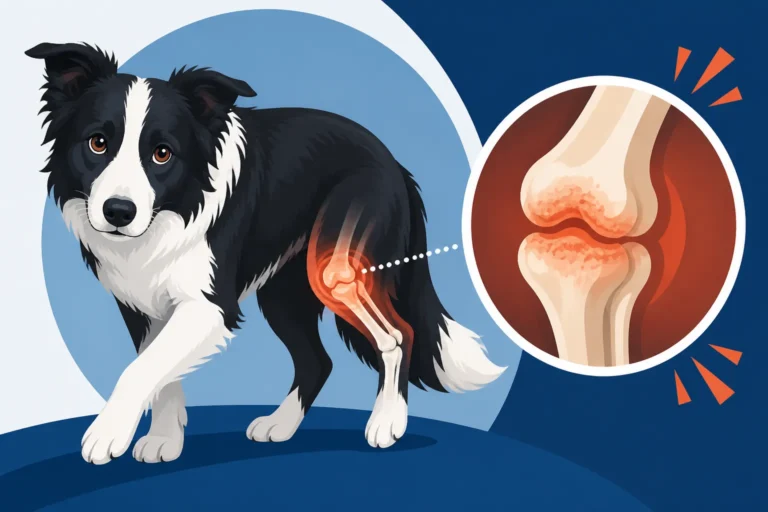
This underlying cellular dysfunction means that TNS puppies are born with an inherent disadvantage. While they might appear perfectly normal at birth, the constant barrage of pathogens they encounter daily—just like any other puppy—overwhelms their non-functional immune system. The failure of these essential white blood cells to reach the sites of infection leads to chronic, recurring, and often severe bacterial infections that stubbornly resist treatment. These infections can manifest anywhere: in the skin, respiratory tract, digestive system, and even deep within organs, often leading to sepsis or overwhelming systemic illness.
How TNS is Diagnosed in Puppies
Diagnosing TNS typically begins with a combination of observed clinical signs and genetic testing. Often, puppies affected by TNS will start showing signs of illness within their first few weeks or months of life, usually between 4-8 weeks of age, right around the time they'd normally be leaving their littermates for their new homes. These signs can be subtle at first but quickly escalate. They might present as persistent infections, such as skin lesions that don't heal, respiratory problems like recurring pneumonia, or chronic diarrhea. Affected puppies often fail to thrive; they might be smaller than their littermates, seem lethargic, and struggle to gain weight, despite a good appetite.
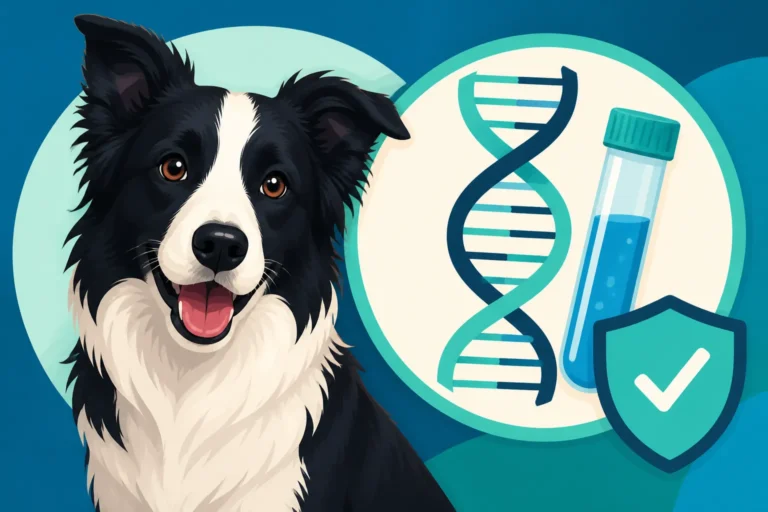
Veterinarians, alerted by these recurring, often severe infections that don't respond well to standard antibiotics, might suggest a complete blood count (CBC). A CBC in a TNS puppy would likely show a significantly elevated white blood cell count (leukocytosis), particularly high numbers of neutrophils in the blood. This might seem counterintuitive since the problem is a lack of functional neutrophils, but it's actually the bone marrow overproducing these trapped cells in a desperate attempt to compensate for the perceived shortage in the tissues. This high number of "trapped" but useless cells is a tell-tale sign. The definitive diagnosis, however, comes from a genetic test. A simple cheek swab or blood sample can be sent to a specialized laboratory to identify the specific genetic mutation responsible for Trapped Neutrophil Syndrome in Border Collie Litters. This test can confirm whether a puppy is genetically affected, a carrier, or clear.
The Genetic Basis: Carriers and Affected Puppies
TNS is inherited in an autosomal recessive pattern. What this means, in plain language, is that a puppy must inherit two copies of the defective gene—one from its mother and one from its father—to be affected by the disease. If a puppy inherits only one copy of the gene, it will be a "carrier." Carriers do not display any symptoms of TNS themselves because their single healthy gene copy is sufficient to produce enough functional neutrophils. They live perfectly normal, healthy lives. However, they carry the potential to pass the defective gene on to their offspring.
The critical implication here for breeders is that two seemingly healthy carrier parents can produce affected puppies. When two carriers are bred together, statistically, each puppy in the litter has a 25% chance of being affected with TNS, a 50% chance of being a carrier, and a 25% chance of being completely clear of the gene. This is why The Border Collie Genetic Panel and What It Screens for TNS, along with other genetic conditions, is absolutely indispensable for responsible breeding. Without this testing, breeders are essentially rolling the dice, unknowingly perpetuating this devastating disease within the breed. It underscores the importance of breeders understanding Carriers, Affected and Clear on a Border Collie Panel before any mating takes place, as it directly impacts the health and welfare of future generations.
The Lifespan and Prognosis of a TNS Affected Border Collie Puppy
This is where we address the most difficult question head-on: the likelihood of a TNS Border Collie puppy reaching adulthood. The truth is often heartbreaking, but understanding it is vital for both breeders and prospective owners.
The Harsh Reality: Survival Rates
To put it plainly, it is extremely rare for a Border Collie puppy affected by Trapped Neutrophil Syndrome to reach adulthood. The overwhelming majority of TNS-affected puppies succumb to the disease within their first few months of life, typically before they are six months old. Some might not even make it past a few weeks. The reason for this grim prognosis lies in the fundamental flaw of their immune system; their bodies simply cannot adequately fight off the constant assault of bacteria and fungi they encounter in the world.
These puppies are perpetually fighting one infection after another, often multiple infections simultaneously. Even with intensive veterinary care, including broad-spectrum antibiotics, intravenous fluids, and supportive therapies, their underlying immune deficiency means that treatments are often only temporarily effective, if at all. The battle is a losing one, as their body cannot provide the natural, sustained immune response required for long-term health. The constant illness takes a massive toll on their tiny bodies, leading to rapid deterioration, chronic pain, and ultimately, organ failure or overwhelming sepsis. It's a testament to the severity of What TNS Does to a Border Collie Puppy that survival past puppyhood is an exceptional rarity, reserved for only the most mildly affected, or those receiving extraordinary, often unsustainable, levels of medical intervention.
Early Symptoms and Progression
The early symptoms of TNS are unfortunately quite debilitating and persistent, starting typically in the first few weeks of life. Owners might initially notice that their puppy is just "not right" compared to its littermates. They may be smaller, lethargic, or have a dull coat. The most common signs, however, revolve around recurring infections. Puppies might develop persistent skin infections, manifesting as red, crusty patches, pustules, or hair loss that doesn't clear up with standard treatments. They might have chronic ear infections that recur shortly after being treated. Respiratory symptoms, like coughing, wheezing, and difficulty breathing, often signal pneumonia, which can quickly become severe.
Gastrointestinal issues are also common, including chronic diarrhea, vomiting, and a general failure to gain weight or thrive, despite a healthy appetite. This ongoing battle with infection saps their energy and nutrient reserves, leaving them weak and malnourished. As the disease progresses, these infections become more frequent, more severe, and more difficult to treat. The puppy's body is in a constant state of inflammation and stress, leading to a diminished quality of life. Even when a specific infection is cleared, another one often crops up quickly, trapping the puppy in a cycle of illness that prevents normal growth and development. The emotional and financial toll on owners attempting to nurse these puppies can be immense, as they watch their beloved pet suffer despite their best efforts.
Managing the Symptoms, Not Curing the Disease
It's crucial to understand that there is currently no cure for Trapped Neutrophil Syndrome. Any treatment offered is purely symptomatic and supportive, aimed at managing the recurring infections and alleviating the puppy's discomfort. This often involves aggressive and prolonged courses of antibiotics, sometimes combinations of different antibiotics, to try and combat the bacterial onslaught. Pain management, anti-inflammatory medications, and supplements to support overall health may also be prescribed.
However, because the underlying problem is a genetic defect in the immune system, these treatments are essentially temporary fixes. They don't address the root cause, which means the puppy remains vulnerable to future infections. Some veterinarians might explore more advanced therapies, like granulocyte colony-stimulating factors (G-CSFs) to try and stimulate neutrophil production, or even considering bone marrow transplants in extremely rare and experimental cases, though the latter is incredibly complex, costly, and with a very low success rate in TNS. For most TNS-affected puppies, the goal becomes managing their comfort and quality of life for as long as possible, but the prognosis remains incredibly poor. The decision to continue treatment often becomes an ethical one, balancing the puppy's suffering against the slim chance of sustained improvement. It's an agonizing position for any owner to be in.
Ethical Breeding Practices and Preventing TNS
The existence of diseases like TNS underscores the immense responsibility that comes with breeding Border Collies. Ethical breeding isn't just about producing beautiful or talented dogs; it's fundamentally about ensuring healthy, sound lives for future generations.
The Role of Genetic Testing for Breeders
Genetic testing is not merely a recommendation for Border Collie breeders; it is an absolute necessity, a non-negotiable step in responsible breeding. Before any breeding pair is even considered, both prospective parents should undergo comprehensive genetic screening, including a specific test for TNS. This simple, non-invasive test—often just a cheek swab sent to a specialized lab like Optimal Selection or Embark—can definitively identify whether a dog is clear, a carrier, or affected by the TNS gene. When breeders conscientiously conduct Which DNA Tests a Border Collie Breeder Should Have Run, they gain invaluable information that allows them to make informed decisions that protect the health of their future litters.
Ignoring these tests is not only irresponsible but, frankly, unethical. Breeders who skip genetic screening are essentially breeding blind, unknowingly risking the health and well-being of every puppy they produce. Puppy buyers should always feel empowered to ask a breeder for proof of genetic testing, especially for TNS and other common Border Collie ailments. A reputable breeder will not only readily provide these results but will also be able to explain what they mean for the puppy you are considering. This transparency is a hallmark of ethical practice and a clear indicator of a breeder's commitment to the breed's health. You should always feel comfortable Asking a Border Collie Breeder for Test Results for peace of mind.
Making Informed Breeding Decisions
Once genetic test results are in hand, breeders can make truly informed decisions to prevent TNS. The ideal scenario is to breed two "clear" dogs together, ensuring that 100% of their offspring will also be clear of the TNS gene. However, sometimes a breeder might have a valuable dog—perhaps an exceptional working or sport dog—who is a TNS carrier. In such cases, the ethical decision is to breed that carrier dog only with a dog that is proven "clear." This pairing will statistically produce a litter with 50% clear puppies and 50% carrier puppies, but critically, no affected puppies.
This strategy allows a breeder to safely utilize important genetics while systematically working to reduce the prevalence of the carrier gene in their lines over time. It's a long-term commitment that prioritizing health over expediency. What is absolutely unacceptable, from an ethical standpoint, is breeding two TNS carriers together, as this carries a 25% risk of producing affected puppies that face a bleak future. Responsible breeders understand that their decisions have profound consequences, not just for individual puppies, but for the genetic health of the entire Border Collie breed. Their commitment to health testing and making smart breeding choices is what slowly, but surely, eradicates these devastating diseases.
Supporting Breeders Committed to Health
For anyone looking to bring a Border Collie puppy into their home, supporting breeders who prioritize health testing is paramount. This isn't just about avoiding TNS; it's about endorsing a standard of care that benefits the entire breed. When you speak to a breeder, inquire specifically about their health testing protocols. Do they test for TNS, Collie Eye Anomaly (CEA), Hip and Elbow Dysplasia, and other conditions common in Border Collies? A reputable breeder will be proactive in discussing these tests, explaining their results, and demonstrating their commitment to the health of their puppies.
They should be able to show you documentation from recognized laboratories where they Where to Send a Border Collie Cheek Swab for genetic panels. Furthermore, ethical breeders often have clauses in their contracts about what happens if a puppy develops a genetic health issue. Your choice of breeder directly impacts not only the health of your own future companion but also the future direction of the breed. By choosing a responsible breeder, you are casting a vote for health and integrity, helping to reduce the incidence of debilitating conditions like TNS in Border Collies for generations to come.
Living With a TNS-Affected Puppy (If They Survive Early Stages)
While reaching adulthood is rare, some TNS puppies, typically those with a milder expression of the gene or under extraordinary care, might survive beyond the initial critical weeks. However, "survival" for these puppies means a life of ongoing medical management and constant vigilance.
Daily Care and Veterinary Support
For the rare TNS-affected puppy that makes it past the most acute early stages, daily life becomes an intricate dance of meticulous care and constant medical intervention. These puppies will require an exceptionally clean environment to minimize exposure to pathogens, as their immune system remains severely compromised. This means rigorous cleaning protocols, limiting their exposure to other animals or crowded public spaces, and often, indoor living to control their environment. Their diet needs to be carefully managed to support their fragile health, often requiring high-quality, easily digestible foods and supplements to boost their nutritional intake.
Veterinary support becomes a constant, almost daily, aspect of their lives. Regular check-ups are essential to catch any budding infections early. Owners must be vigilant for even the slightest sign of illness—a cough, a patch of red skin, a slight change in appetite—as these can quickly escalate into life-threatening conditions. Prophylactic antibiotics might be used in some cases, or long-term, low-dose antibiotics to try and keep infections at bay, though this carries its own risks of antibiotic resistance. The veterinarian becomes a true partner in care, guiding owners through complex treatment regimens and helping them manage the inevitable ups and downs of a chronically ill puppy. It's an all-encompassing commitment, demanding significant time, emotional energy, and financial resources.
Quality of Life Considerations
This is perhaps the most difficult aspect of caring for a TNS-affected puppy that defies the odds and lives beyond a few months. When is life truly "good" for a puppy constantly battling infections, frequently on medication, and potentially experiencing chronic pain or discomfort? Owners must honestly assess their puppy's quality of life. Are there more good days than bad? Is the puppy able to engage in typical puppy behaviors, even if limited, like playing, eating enthusiastically, and interacting with the family? Or is the puppy mostly lethargic, in pain, and constantly struggling?
The decision to continue treatment, or to consider humane euthanasia, is an intensely personal and agonizing one. It requires putting the puppy's welfare above human desires to keep them alive. Consulting with the veterinarian, who can provide an objective assessment of the puppy's condition and prognosis, is crucial. Support groups for owners of chronically ill pets can also offer invaluable emotional understanding during such a challenging time. It’s a profound responsibility to ensure that any additional time given to a TNS puppy is time of genuine quality, not just prolonged suffering.
The Financial Realities of Ongoing Care
Caring for a TNS-affected Border Collie puppy, especially one that requires continuous veterinary intervention, comes with significant financial implications. The costs can be astronomical, far exceeding The Annual Border Collie Budget Nobody Plans For for a healthy dog. We're talking about repeated vet visits, diagnostic tests, specialized medications, emergency care, and potentially round-the-clock supportive therapies. A single course of antibiotics might be manageable, but chronic, recurring infections demand continuous treatment, leading to bills that quickly climb into the thousands.
This is where planning ahead with robust pet insurance can offer a lifeline. Companies like Healthy Paws are designed to help alleviate the financial burden of unexpected and ongoing veterinary expenses. For a TNS puppy, a comprehensive insurance plan, if obtained before diagnosis, could help cover the costs of countless consultations, prescriptions, and potential hospitalizations. While it doesn't solve the emotional toll, knowing that you can afford the best possible care for your beloved companion without bankrupting your family can be an enormous relief. However, it's vital to note that most pet insurance policies, including those from Healthy Paws, have waiting periods and pre-existing condition clauses, meaning you typically cannot insure a dog after they've been diagnosed with a condition like TNS and expect coverage for that specific ailment. This reinforces the importance of responsible breeding and proactive screening.
Here's a brief overview of the typical progression and care for a TNS-affected Border Collie puppy:
| Age/Stage | Typical Symptoms | Prognosis & Interventions | Quality of Life |
|---|---|---|---|
| Birth – 4 Weeks | Appears normal; possibly smaller than littermates | Undiagnosed; often asymptomatic initially | Generally good; potential for subtle failure to thrive |
| 4 – 12 Weeks | Recurrent skin infections, pneumonia, diarrhea, lethargy, poor weight gain | Diagnosis usually made (genetic test, CBC); aggressive antibiotics, supportive care | Highly variable; frequent illness, discomfort, struggles to play. Most do not survive this period. |
| 3 – 6 Months | Persistent, severe infections; organ damage, sepsis | Intensive, costly veterinary care; possible experimental therapies; euthanasia often considered | Poor; chronic illness significantly impairs development and enjoyment of life. Very few survive past 6 months. |
| Beyond 6 Months | Extremely rare to survive; if so, lifelong immune deficiency, recurrent infections | Continuous, specialized medical management; focus on comfort and symptom control | Severely compromised; constant vigilance and medical support required; high risk of relapse. |
Disclaimer
The information provided in this article is intended for general informational purposes only and does not constitute veterinary advice. While we strive to provide accurate and up-to-date information, individual circumstances may vary. Always consult with a qualified veterinarian or veterinary specialist for any health concerns or before making any decisions related to your pet's health or treatment.