Whether Border Collie Breeders Absorb Testing Costs
Bringing a Border Collie into your home is an exciting prospect, but the initial sticker shock of a well-bred puppy can leave many aspiring owners wondering exactly what they're paying for. A common frustration is trying to understand how breeders factor in all the necessary health screenings and genetic tests, and whether those significant costs are simply "absorbed" or passed directly on. This guide will delve into the economics of responsible Border Collie breeding, explaining the essential health tests involved and how their costs ultimately impact the price you pay for a healthy, happy puppy.
The Foundation of Responsible Border Collie Breeding: Health Testing
Before a responsible breeder even considers mating two Border Collies, a significant investment in health testing has already taken place. This isn't just a nicety; it's a critical component of ensuring the health and longevity of the puppies and the breed as a whole. Think of it as preventative medicine for future generations. These tests are designed to screen for genetic conditions known to affect Border Collies, helping to prevent the passing on of diseases that can cause immense heartache and financial strain for future owners.
Genetic Panel Tests: Peeking Into the DNA
Modern veterinary science has given us incredible tools, and genetic panel tests are at the forefront for purebred dogs. Border Collies, like many breeds, are predisposed to certain inherited conditions that can be identified through DNA analysis. Reputable breeders run these panels on their breeding stock to ensure they are not unknowingly propagating serious health issues.
For example, conditions like Collie Eye Anomaly (CEA), Trapped Neutrophil Syndrome (TNS), Neuronal Ceroid Lipofuscinosis (NCL), and Imerslund-Gräsbeck Syndrome (IGS, or Cobalamin Malabsorption) can all be identified through DNA tests. The Border Collie Genetic Panel and What It Screens explains these in detail. A responsible breeder will test their dogs to know if they are clear, carriers, or affected for these conditions. If a dog is a carrier for a recessive disorder, it can still be bred, but only to a dog that is clear, ensuring no affected puppies are produced. This proactive approach saves future owners from the devastating experience of watching a puppy develop a severe, untreatable genetic disease. Carriers, Affected and Clear on a Border Collie Panel elaborates on the importance of understanding these classifications.
Orthopedic Screenings: Hips, Elbows, and Beyond
Beyond genetic diseases, structural integrity is paramount for an active breed like the Border Collie. Hip and elbow dysplasia are common orthopedic conditions in many large, active breeds, and Border Collies are no exception. These conditions involve abnormal development of the hip or elbow joints, leading to pain, lameness, and ultimately, arthritis.
To combat this, breeders typically have their breeding dogs X-rayed and evaluated by veterinary orthopedic specialists. Organizations like the Orthopedic Foundation for Animals (OFA) or PennHIP provide standardized scoring systems to assess the quality of a dog's hips and elbows. These screenings are usually done once the dog is at least two years old, to ensure their skeletal maturity. A breeder choosing to breed dogs with excellent or good hip scores significantly reduces the risk of these issues in their puppies, even if it doesn't eliminate it entirely. You'll want to ask to see these certifications when considering a puppy. Hip and Elbow Scores in a Border Collie provides more context on these evaluations.
Eye Examinations: Protecting Vision
While some eye conditions are covered by genetic panels (like CEA), others require direct examination by a veterinary ophthalmologist. Progressive Retinal Atrophy (PRA), for example, is a group of degenerative eye diseases that can eventually lead to blindness. Regular eye examinations by a board-certified veterinary ophthalmologist, often referred to as "CERF" or "OFA Eye Certification," are crucial.
These exams check for a wide range of inherited eye diseases, not just the ones with available DNA tests. They are typically performed annually on breeding dogs to catch any late-onset conditions before a dog is bred again. Imagine the heartbreak of adopting a puppy only to find out it will slowly lose its sight. These regular checks are part of a breeder's commitment to avoiding such scenarios. The Eye Exam a Border Collie Puppy Gets at Six Weeks highlights an important early screening.
The Economics of Health Testing: Who Pays What?
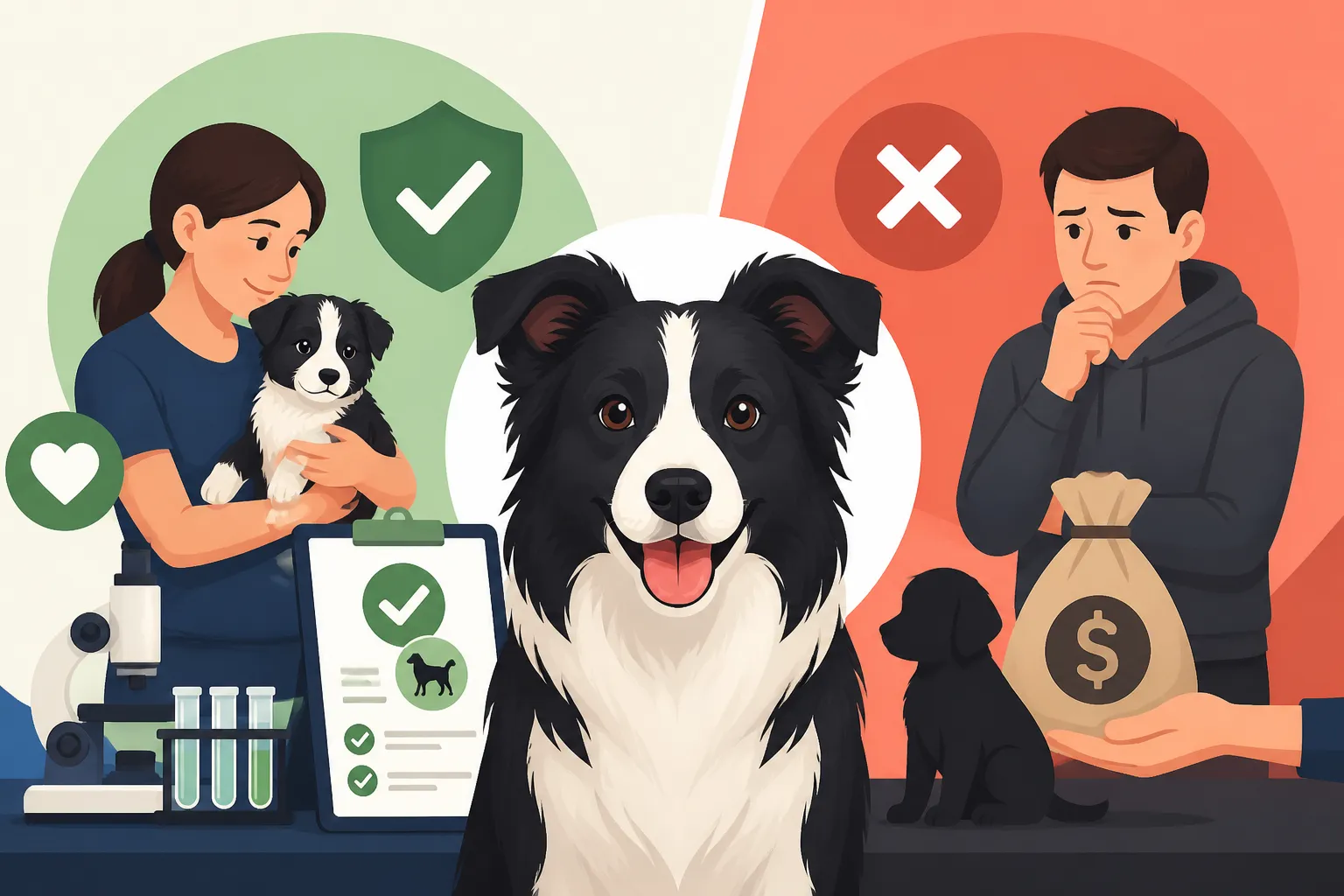
This is where the rubber meets the road. While the phrase "breeders absorb testing costs" might conjure an image of a hidden expense, in reality, these costs are an integral part of responsible breeding and are factored into the overall price of a puppy. They're not a separate add-on, but rather part of the investment that goes into producing a healthy, well-socialized Border Collie.
The Breeder's Investment: A Breakdown of Costs
Let's be clear: health testing is expensive. Each genetic test can range in price, and a full panel covering multiple conditions quickly adds up. Then you have the veterinary costs for X-rays and specialist consultations for hip and elbow scoring. Eye exams are recurring annual expenses. When you factor in the cost of stud fees (if the male is not owned by the breeder), quality food, vaccinations, deworming, microchipping, and general care for the pregnant dam and then the litter, the costs multiply rapidly.
Consider a breeder who meticulously tests their dogs. They might spend hundreds, if not thousands, on comprehensive health screenings for just one breeding pair. This is before the costs associated with the actual breeding, whelping, and raising of a litter even begin. This substantial upfront investment is precisely what distinguishes a reputable breeder from a backyard breeder who skips these vital steps to save money, often at the future expense of the puppy buyer.
Puppy Price: Reflecting Quality and Responsibility
So, are these costs "absorbed"? Not in the sense that the breeder magically makes them disappear. Instead, they are incorporated into the puppy's purchase price. When you see a Border Collie puppy from a reputable breeder listed at a certain price point, that price reflects the significant investment made in the parents' health, temperament, and care, as well as the care of the litter. You are, in essence, paying for peace of mind – the reduced risk of inheriting serious, expensive, or heartbreaking health issues.
| Health Test Category | Examples | Purpose for Breeder | Impact on Puppy Buyer |
|---|---|---|---|
| Genetic Panel | CEA, TNS, NCL, MDR1, IGS | Identifies carriers/affected dogs to prevent passing on genetic diseases | Reduced risk of inherited disease, peace of mind, potentially lower future vet bills |
| Orthopedic | Hip & Elbow X-rays (OFA/PennHIP) | Screens for dysplasia, promoting sound structure | Lower risk of joint issues, improved mobility, reduced chance of expensive surgeries |
| Eye Exams | CERF/OFA Eye Certification (annual) | Checks for various inherited eye conditions (e.g., PRA, cataracts) | Reduced risk of vision problems or blindness, early detection of issues |
| Cardiac | OFA Cardiac Echo/Auscultation | Screens for inherited heart conditions | Lower risk of heart disease |
| Thyroid | OFA Thyroid | Screens for autoimmune thyroiditis | Reduced risk of thyroid dysfunction later in life |
When you purchase a puppy from a breeder who can provide verifiable health clearances for their breeding stock, you are benefiting directly from their commitment to these tests. It's not a hidden fee; it's the cost of responsible breeding. This often includes initial vaccinations and deworming for the puppy itself, which are also significant veterinary expenses. You'll likely receive a puppy that has had its first vet check-up and possibly microchipping, adding to its initial health care.
The True Cost of a "Cheap" Puppy
It's tempting to look for a Border Collie puppy at a lower price point. However, these "bargains" often come from breeders who have skipped essential health testing. The money saved upfront can quickly be dwarfed by vet bills down the line if your puppy develops a genetic condition or severe dysplasia. A diagnosis of epilepsy, for example, can lead to a lifetime of medication and specialist visits. Epilepsy in a Border Collie Between One and Five explores this reality.
While there are always unexpected health issues that can arise with any living creature, choosing a puppy from health-tested parents significantly minimizes the risk of preventable inherited diseases. This is why many experienced Border Collie owners will tell you that a well-bred puppy, though more expensive initially, is often the more economical choice in the long run. When considering the lifetime cost of ownership, a healthy dog is invaluable.
The Value Proposition for Puppy Buyers
Understanding that health testing costs are interwoven into the puppy's price helps shift perspective from "extra cost" to "essential investment." For a breed as active and intelligent as the Border Collie, a sound body and mind are critical for them to thrive in any role, whether as a working dog, an agility star, or a beloved family companion.
Peace of Mind and Predictability
The primary benefit for a puppy buyer is peace of mind. Knowing that both parents were screened for common genetic and orthopedic issues means you're bringing home a puppy with the best possible genetic start. While no breeder can guarantee a dog will never have a health issue, they can significantly reduce the likelihood of known inherited problems. This predictability allows you to plan for a long, healthy life with your Border Collie, rather than facing the constant worry of potential unseen health problems.
It also means that if your dog does develop a health issue later, it's less likely to be one of the devastating, early-onset genetic conditions that responsible breeding aims to eliminate. This can also influence decisions about pet insurance. While Insuring a Border Collie Against Epilepsy and Joints is important for every owner, having parents with good health clearances can sometimes (though not always directly) reflect on the overall health profile of the dog.
Supporting Ethical Breeding Practices
By purchasing from a breeder who transparently shares health clearances and explains their testing protocols, you are directly supporting ethical breeding practices. These breeders are committed to the welfare of the breed, not just making a quick profit. They invest time, money, and effort into ensuring the health and temperament of their dogs. This commitment extends beyond just the physical health; it often includes careful socialization of puppies, appropriate nutrition (perhaps even recommending brands like Chewy for supplies or Ollie for high-quality food), and ongoing support for puppy owners.
Ethical breeders are passionate about their dogs and want to see them go to homes where they will be cherished and well-cared for. They see the health testing as part of their duty, a non-negotiable step in producing healthy puppies that will enrich the lives of their new families for years to come.
Long-Term Savings and Happiness
While the initial cost of a health-tested Border Collie puppy might seem higher, consider the potential long-term savings. The cost of diagnosing and treating a severe genetic disorder or a debilitating case of hip dysplasia can quickly run into thousands of dollars, far exceeding the difference in price between a well-bred puppy and a "bargain" puppy. Surgeries for joint issues, ongoing medication for conditions like epilepsy or IGS, and specialized veterinary care can become a significant financial burden.
Furthermore, the emotional toll of dealing with a chronically ill dog can be immense. Investing in a puppy from health-tested parents is an investment in your future happiness and the well-being of your canine companion. It gives you the best chance for a full, active life with your Border Collie, allowing you to enjoy all the wonderful traits this incredible breed has to offer without being constantly weighed down by preventable health crises. Remember that a Border Collie can live a good long life, and How Long a Border Collie Lives delves into what contributes to their longevity.
Disclaimer
This article is for general informational purposes only and does not constitute professional advice. Laws, prices and regulations vary by location and change over time. Consult a qualified professional for guidance on your specific situation.