Testing a Border Collie for CEA, TNS and CL
Bringing a new Border Collie into your life, or even planning a litter, comes with a mountain of hopes and dreams for a healthy, vibrant companion. But alongside that excitement often sits a knot of worry, especially when you start seeing acronyms like CEA, TNS, and CL popping up in breeder conversations or online forums. It can feel like a secret language, full of potential pitfalls, leaving you wondering if you're doing enough to protect your dog. This guide will cut through the confusion, explaining what these genetic conditions are, why testing for them is so vital, and how you can navigate the testing process to ensure your Border Collie has the best possible start and a long, healthy life.
Decoding the Alphabet Soup: CEA, TNS, and CL Explained
Before we dive into the nitty-gritty of testing, let's break down these three conditions. Understanding what each one entails is the first step to appreciating why genetic screening is such a cornerstone of responsible Border Collie ownership and breeding. These aren't just abstract concepts; they represent real challenges for dogs and their families.
Collie Eye Anomaly (CEA)
Collie Eye Anomaly, or CEA, is a congenital eye disease that primarily affects collies and related breeds, including our beloved Border Collies. It's a developmental condition, meaning it's present from birth, and it can manifest with varying degrees of severity. The root of the problem lies in the abnormal development of parts of the eye, specifically the choroid, which is the layer of blood vessels and connective tissue beneath the retina.
In mild cases, you might hear terms like "choroidal hypoplasia" (CH), where the choroid is thinner than it should be. A dog with mild CH might show no signs of vision impairment and live a completely normal life, with the defect only discovered during a routine eye exam. However, CEA can also lead to more serious issues. Sometimes, the abnormal development causes colobomas, which are essentially "holes" or pits in the optic disc or surrounding retina. These can range from small, innocuous defects to large ones that severely impact vision or even lead to retinal detachment, causing partial or complete blindness in the affected eye. Imagine your dog having blind spots or, worse, losing vision completely, all due to something they were born with. It's a heartbreaking thought, and that's why early detection through testing is so crucial, especially for puppies. What a Choroidal Defect Means in a Border Collie is an excellent resource if you want to delve deeper into the specifics of these eye abnormalities.
Trapped Neutrophil Syndrome (TNS)
Trapped Neutrophil Syndrome, or TNS, is a much more severe and often fatal inherited immune deficiency. Neutrophils are a type of white blood cell that plays a critical role in the immune system, fighting off infections. In dogs affected by TNS, these neutrophils are produced in the bone marrow but get "trapped" there and can't be released into the bloodstream in sufficient numbers to fight infection effectively. It's like having an army of soldiers ready to fight, but they can't get out of the barracks.
Puppies with TNS often appear normal at birth, but symptoms usually begin to show between four and eight weeks of age. They become highly susceptible to recurrent bacterial infections, especially in the gums, skin, and bones. These pups struggle to thrive, often appearing smaller and weaker than their littermates. They might have chronic diarrhea, persistent fevers, and recurring skin sores that just won't heal. Despite aggressive antibiotic treatment, their immune system simply can't keep up, and sadly, most affected puppies do not survive past a few months of age. It's a devastating condition for both the puppy and the family, watching a young dog fight a losing battle against every common bug. What TNS Does to a Border Collie Puppy provides more detailed insights into the heartbreaking reality of this syndrome.
Ceroid Lipofuscinosis (CL)
Ceroid Lipofuscinosis, often just called CL, is a progressive, neurodegenerative lysosomal storage disease. Lysosomes are like the recycling centers of a cell, breaking down waste products. In dogs with CL, there's a deficiency in an enzyme needed to break down certain fatty waste materials (lipofuscins). These waste products then accumulate in cells, particularly in the brain, leading to a build-up that damages neurons. Think of it like a clogged drain in your house – eventually, everything backs up and causes damage.
Symptoms of CL typically appear later than TNS, usually between 1.5 and 2 years of age, though they can sometimes manifest earlier or later. Initial signs might be subtle changes in behavior or personality, such as anxiety, aggression, or confusion. As the disease progresses, dogs develop neurological symptoms like loss of coordination (ataxia), tremors, seizures, and vision impairment. Their gait might become wobbly, they might struggle with stairs, or seem disoriented. Eventually, the disease leads to severe neurological dysfunction and is ultimately fatal. It's an incredibly challenging disease to manage, as you witness your once vibrant and intelligent Border Collie slowly decline. The Age CL Symptoms Start in a Border Collie discusses the typical onset of this distressing condition.
The Indisputable Importance of Genetic Testing
Now that you understand the severity of these conditions, it becomes clear why genetic testing isn't just a suggestion; it's a fundamental responsibility for anyone involved with Border Collies. This isn't just about identifying sick dogs; it's about responsible breeding, planning for the future, and safeguarding the health of the entire breed.
Preventing Inherited Diseases in Future Generations
The most powerful reason to test is to prevent these diseases from being passed on. CEA, TNS, and CL are all inherited conditions, meaning they are passed down from parent to offspring. They are typically inherited in an autosomal recessive pattern. This means a dog must inherit two copies of the faulty gene (one from each parent) to be "affected" and show symptoms. Dogs with only one copy of the faulty gene are called "carriers." They don't show symptoms themselves, but they can pass the gene on to their puppies.
Without testing, a breeder might unknowingly breed two carrier dogs together. In such a pairing, statistically, 25% of the puppies would be affected, 50% would be carriers, and 25% would be clear. This is a devastating outcome that could be entirely avoided with simple genetic screening. Imagine the pain of raising a litter only to discover some puppies are destined for a short, sickly life or a slow, agonizing decline. Genetic testing gives breeders the power to make informed decisions, ensuring they only breed dogs that, when paired, will not produce affected offspring. This foresight is critical for the long-term health and integrity of the Border Collie breed. The Border Collie Genetic Panel and What It Screens details the range of genetic issues that can be screened for.
Peace of Mind for Pet Owners and Breeders
For prospective pet owners, knowing that your puppy's parents have been genetically screened and are clear of these diseases offers incredible peace of mind. It means you're far less likely to face the emotional and financial heartache of an affected puppy. You can focus on the joys of puppyhood, training, and building a bond, rather than worrying about insidious genetic conditions lurking beneath the surface. When you're looking for a puppy, always ask the breeder for proof of genetic testing. Reputable breeders will be transparent and proud to share their results.
For breeders, genetic testing is a hallmark of integrity and ethical practice. It protects their reputation, yes, but more importantly, it ensures they are producing healthy, sound puppies. It allows them to understand the genetic makeup of their breeding stock, making strategic decisions about pairings that reduce the risk of passing on undesirable traits. It's an investment in the future of their kennel and the breed as a whole. Knowing you've done everything in your power to prevent suffering is invaluable.
| Condition | Primary Impact | Typical Onset | Inheritance Pattern | Severity | Preventative Action |
|---|---|---|---|---|---|
| CEA (Collie Eye Anomaly) | Eye Development, Vision | Congenital (from birth) | Autosomal Recessive | Mild to Severe (can cause blindness) | Genetic testing of parents |
| TNS (Trapped Neutrophil Syndrome) | Immune System, Infection | 4-8 weeks of age | Autosomal Recessive | Severely debilitating, often fatal | Genetic testing of parents |
| CL (Ceroid Lipofuscinosis) | Neurological Function | 1.5 – 2 years of age | Autosomal Recessive | Progressive, ultimately fatal | Genetic testing of parents |
Navigating the Testing Process for Your Border Collie
So, you're convinced that genetic testing is the way to go. Excellent! Now, let's talk about how to actually get it done. The process is surprisingly straightforward, especially with modern advancements, but knowing what to expect can ease any anxieties you might have.
Collecting the Sample: It's Easier Than You Think
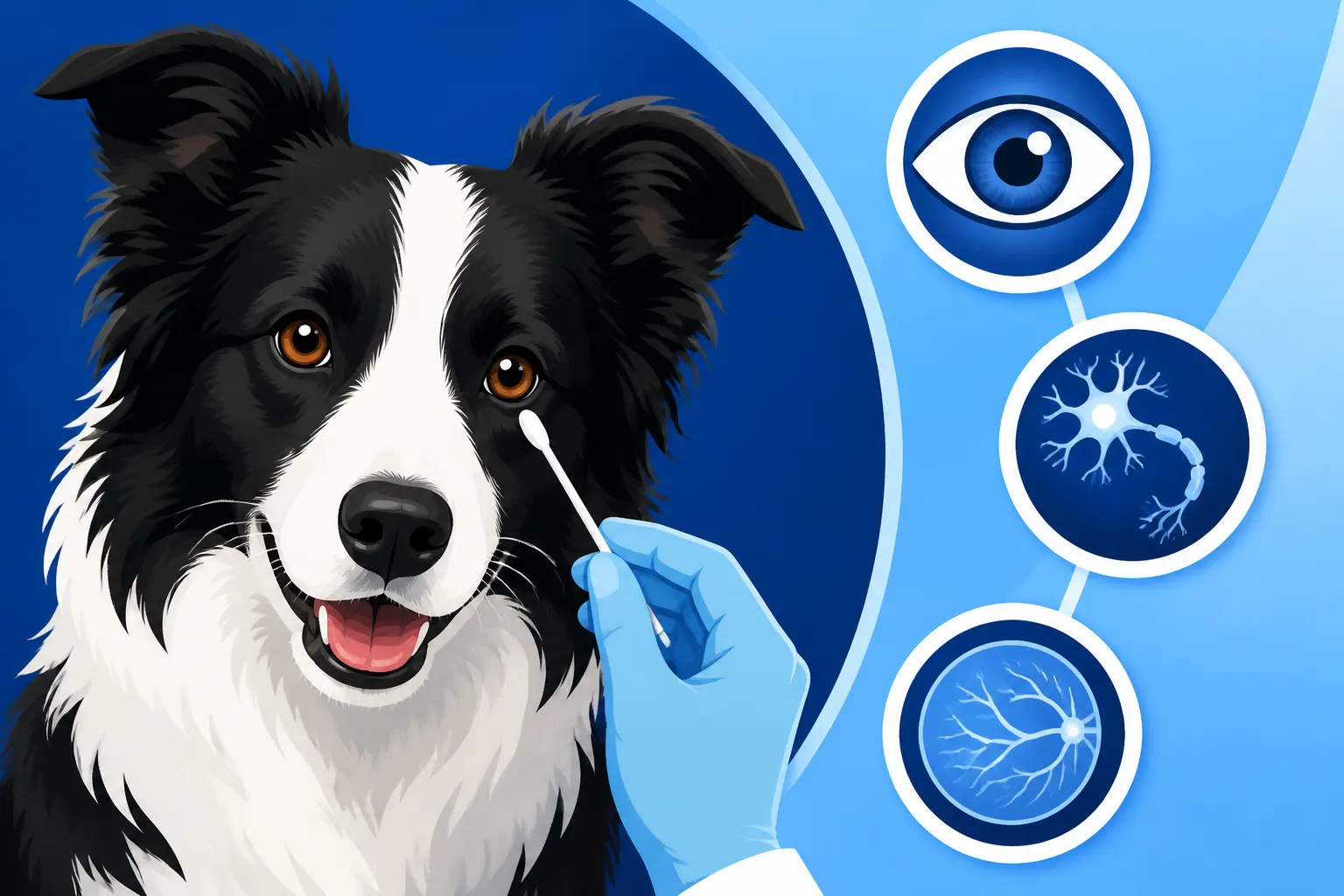
The most common and easiest method for collecting a DNA sample for genetic testing is a buccal swab, often called a cheek swab. This is completely non-invasive and can usually be done right at home without a trip to the vet, although your vet can certainly assist if you prefer. Most genetic testing labs will send you a kit containing sterile swabs, instructions, and return packaging.
To collect the sample, you simply rub the sterile swab firmly on the inside of your dog's cheek and under their tongue for about 10-20 seconds. The goal is to collect cells, not saliva, so a good firm scrape is important. Make sure your dog hasn't eaten or drunk anything for about 30 minutes prior, and keep them away from other dogs in the household during collection to avoid cross-contamination. Many owners find it easiest to do this when their dog is relaxed, perhaps after a quiet walk or a cuddle session. Once collected, you'll air-dry the swab (usually for a few minutes) and then place it in the provided packaging. It really is that simple, and it saves you and your dog a potentially stressful vet visit if you're comfortable doing it yourself. Where to Send a Border Collie Cheek Swab offers practical advice on choosing a lab and sending off your samples.
Choosing a Reputable Genetic Testing Laboratory
This is a critical step. Not all labs are created equal, and you want to ensure the results you receive are accurate and reliable. Look for laboratories that specialize in canine genetic testing and are well-regarded within the dog breeding and health communities. Some popular and reputable options include laboratories like Optimal Selection (powered by Wisdom Panel) or Embark Veterinary. These labs often offer comprehensive genetic panels that test for many conditions beyond just CEA, TNS, and CL, giving you an even fuller picture of your dog's genetic health.
When researching labs, check for:
- Accreditation: Do they adhere to recognized quality standards?
- Experience: How long have they been performing canine genetic tests?
- Comprehensive Panels: Do they offer a panel that includes all the conditions relevant to Border Collies?
- Clear Reporting: Will the results be easy to understand?
- Customer Support: Can you contact them if you have questions about the process or your results?
The cost of these tests can vary, but generally, a full panel is a worthy investment. Remember, you’re paying for accuracy and peace of mind. While specific prices can fluctuate, a full Border Collie genetic panel is usually a few hundred dollars. This is a small price compared to the potential veterinary bills and emotional toll of managing a genetically inherited disease later on.
The Waiting Game: How Long Until Results?
Once you've sent your sample off, the waiting game begins. Most laboratories typically provide results within 2 to 4 weeks, though this can vary depending on their current workload and the specific tests ordered. Some labs might offer expedited services for an additional fee if you're in a hurry.
During this time, try to be patient. It's natural to feel anxious, especially if you're a breeder waiting on critical information for a breeding decision, or a pet owner simply curious about your dog's genetic blueprint. Most labs will notify you via email when your results are ready and provide an online portal where you can access and download them.
Interpreting Test Results and Planning for the Future
Getting those results can feel like opening a report card. But don't worry, understanding them is quite straightforward, and knowing what to do next is the most important part.
Understanding "Clear," "Carrier," and "Affected"
Genetic test results for recessive conditions like CEA, TNS, and CL will typically fall into one of three categories:
- Clear: This is the ideal result! A "Clear" dog has two normal copies of the gene and does not carry the mutation for the disease. They cannot develop the disease, nor can they pass the faulty gene on to their offspring. This is great news, as it means your dog is genetically free of that particular condition.
- Carrier: A "Carrier" dog has one normal copy of the gene and one copy of the faulty gene. These dogs typically do not show any symptoms of the disease themselves because the normal gene copy provides enough healthy protein. However, they can pass the faulty gene on to approximately 50% of their offspring. For pet owners, a carrier status usually means your dog will live a completely normal life. For breeders, it means careful consideration of breeding partners to ensure they are clear of the same mutation.
- Affected: An "Affected" dog has inherited two copies of the faulty gene (one from each parent). These dogs will develop the disease and pass a copy of the faulty gene to 100% of their offspring. This is the result breeders are trying to avoid, and it's why testing is so important. If your pet receives an "affected" result, it's crucial to consult with your veterinarian to discuss monitoring, management, and potential treatment options for the condition.
Carriers, Affected and Clear on a Border Collie Panel goes into more detail about what these classifications truly mean in a breeding program.
Implications for Pet Owners
If you're a pet owner and your dog tests clear for these conditions, congratulations! You can breathe a sigh of relief on these fronts. It doesn't mean your dog is immune to all health issues, of course, but it removes a significant worry.
If your Border Collie is a carrier, don't panic. As mentioned, carrier dogs are typically healthy and will not develop the disease. Your vet might advise you to keep this information on file, especially if you ever need to share your dog's health history with another vet or if, for some unforeseen reason, you had to rehome them. It's just good information to have.
If your dog tests as affected, this is obviously the most challenging result. It means your dog will likely develop or is already developing symptoms of the condition. In this scenario, your immediate next step is to consult with your veterinarian. They can help you understand the prognosis, discuss any available treatments, and help you prepare for managing the condition. For example, a dog affected with CL will require ongoing neurological support. You might also want to look into options like pet insurance, such as what Healthy Paws offers, to help manage potential future veterinary costs, though remember that pre-existing conditions are generally not covered. It's a tough road, but knowing allows you to provide the best possible care.
Implications for Breeders
For breeders, genetic test results are paramount. If a dog tests clear, they can be bred with confidence, knowing they won't pass on that specific faulty gene.
If a dog is a carrier, they can still be responsibly incorporated into a breeding program, but only if they are bred to a dog that is clear for the same mutation. This pairing will produce a litter where, statistically, 50% are clear and 50% are carriers, but none will be affected. The puppies from such a pairing would then also need to be tested to determine their individual status before they are bred. This careful selection prevents the birth of affected puppies while allowing valuable genetics from carrier dogs to continue in the gene pool. Which DNA Tests a Border Collie Breeder Should Have Run delves deeper into the responsible testing protocols for breeders.
A dog testing as affected should absolutely not be used for breeding. Their offspring would all be carriers at best, and if bred with another carrier or affected dog, would produce affected puppies. Responsible breeding means removing affected dogs from the breeding pool to protect the health of the breed.
The Bigger Picture: Beyond Just These Three
While CEA, TNS, and CL are incredibly important, remember that genetic testing panels for Border Collies often cover many more conditions. This comprehensive approach gives you an even more detailed genetic profile for your dog. Understanding all these results can help you proactively manage your dog's health and make informed decisions about their lifestyle and nutrition. For instance, knowing if your dog has certain sensitivities might lead you to explore specialized diets, perhaps even tailored options like those offered by Ollie, to support their overall well-being. Or, for general supplies and food, resources like Chewy offer a wide range of options to support your Border Collie's health needs. It's all about gathering as much information as you can to be the best advocate for your amazing canine companion.
Disclaimer
This article is for general informational purposes only and does not constitute professional advice. Laws, prices and regulations vary by location and change over time. Consult a qualified professional for guidance on your specific situation.