Whether Summer Trials Are Too Hot for a Border Collie
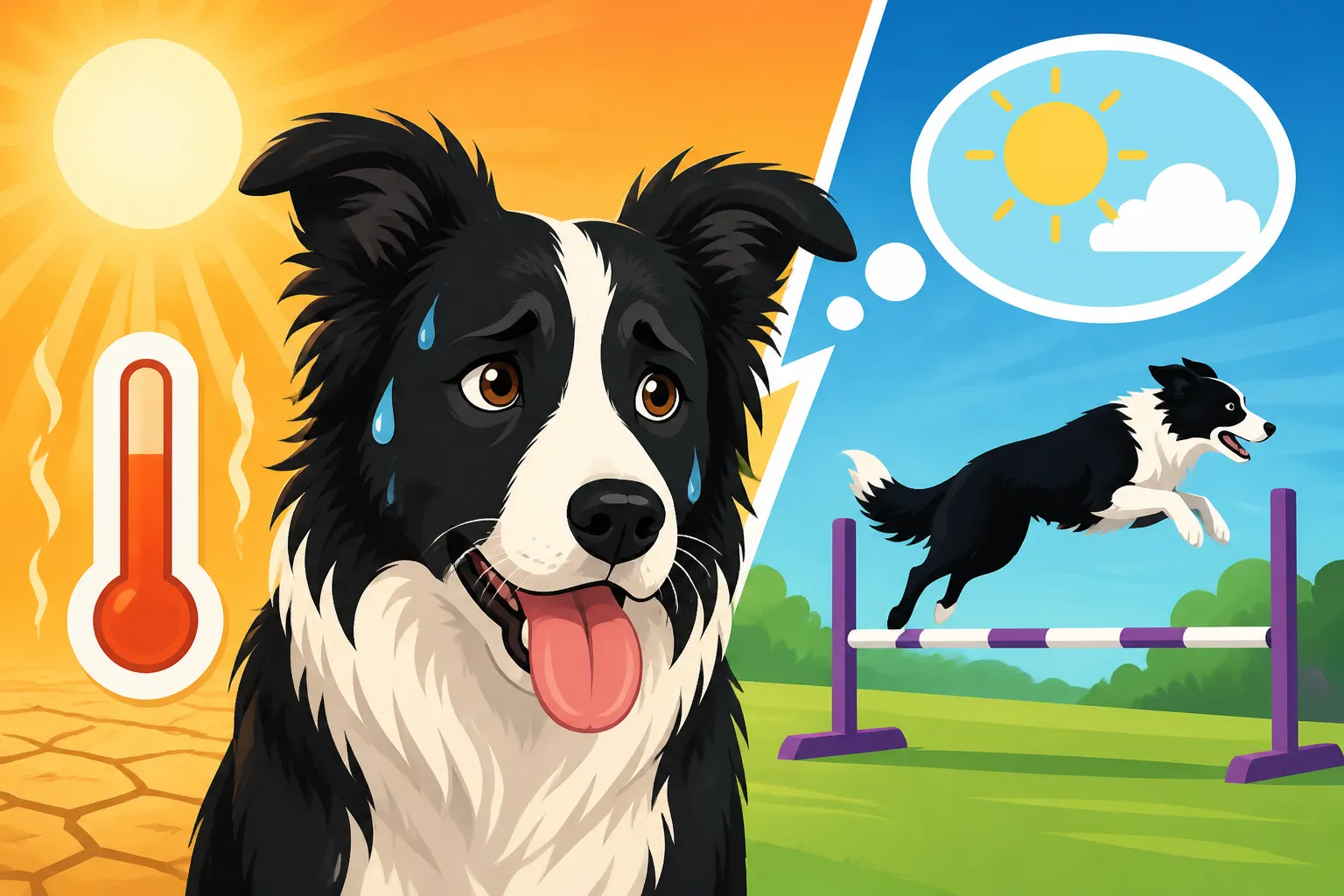
The summer trial circuit can be absolutely exhilarating, a real highlight for many Border Collie handlers and their amazing dogs. But let's be honest, that joy often comes with a persistent worry gnawing at the back of our minds: is it simply too hot for our dedicated partners to perform safely? It's a valid concern that every responsible owner grapples with, and this guide is here to help you navigate the tricky balance between competition and canine well-being when the mercury rises.
Understanding the Risks of Heat for a Working Border Collie
Our Border Collies are magnificent athletes, bred for endurance and a relentless work ethic. This incredible drive, while one of their most celebrated traits, can also be their biggest vulnerability when it comes to heat. They are often so focused on the task at hand – whether it's gathering sheep, weaving through agility poles, or catching a disc – that they will push themselves far beyond what's comfortable or even safe, ignoring their body's signals to slow down. It’s not just about the ambient temperature; it's a complex interplay of factors that can quickly lead to dangerous overheating.
Why Border Collies Are Particularly Vulnerable
Unlike us, dogs don't sweat efficiently through their skin. Their primary cooling mechanisms are panting and radiating heat through their paw pads. A Border Collie, especially one with a dense double coat, can find these methods quickly overwhelmed, particularly when engaged in strenuous activity. Think about a sheepdog trial in an open field under a blazing sun. Your dog is running hundreds of yards, making quick turns, and exerting immense mental and physical energy. This isn't just a leisurely jog; it's high-intensity work. Their internal temperature can spike rapidly, and because they are so tuned into our commands and their job, they might not show obvious signs of distress until they are already in a critical state. Their natural desire to please and their genetic wiring to work can tragically override self-preservation instincts.
We also have to consider their metabolism. A working Border Collie's body is a furnace, generating a significant amount of heat just from muscle activity. If that heat can't dissipate quickly enough, it builds up. This is precisely why we see cases of Heat Stroke in a Border Collie That Kept Working even when the air temperature might not seem astronomically high to us. It’s the combination of exertion, environmental heat, and insufficient cooling that creates a perfect storm for a Border Collie.
Recognizing the Early Warning Signs of Overheating
It's crucial to be a vigilant observer, always looking for subtle cues that your Border Collie is struggling. Early signs are often missed because they can seem like normal post-work behavior. Heavy panting after a run is typical, but is it excessive? Is your dog's tongue unusually wide, flat, and dark red? Is their breathing shallow and rapid, almost frantic, even after a few minutes of rest? They might start looking for shade more persistently, even if it means breaking focus for a second.
As overheating progresses, you might notice a change in their gait – perhaps a bit wobbly or uncoordinated. Their eyes might appear glazed, and their gums could become very red or even bluish as circulation is affected. Drooling excessively, thickening saliva, or even vomiting and diarrhea are serious indicators. Some Border Collies might even develop what looks like mental dullness or confusion. If you see any of these more advanced signs, especially if they appear suddenly, it's an emergency. Don't wait; act immediately to cool your dog and seek veterinary attention. The sooner you intervene, the better the chances of a positive outcome.
Assessing the Environment: Is it Too Hot for Your Border Collie?
Deciding whether to compete or train on a hot day isn't a simple "yes" or "no" based on a single temperature reading. It requires a holistic assessment of several environmental factors combined with your specific dog's condition. Every Border Collie is an individual, and what one can tolerate, another might not. Ignoring these nuances can lead to real trouble.
More Than Just Temperature: Humidity and Ground Heat
The number on the thermometer is just one piece of the puzzle. Humidity plays an enormous role in how effectively your Border Collie can cool itself through panting. When the air is saturated with moisture, evaporation from their mouth and respiratory tract becomes much less efficient. A 75°F day with 90% humidity can be far more dangerous than an 85°F day with low humidity. Always check the heat index, which accounts for both temperature and humidity. Many weather apps now provide this crucial detail.
Then there's the ground temperature. Have you ever tried walking barefoot on asphalt in the summer? It's scorching! Imagine your Border Collie's paw pads absorbing that heat for extended periods during trials. Dark surfaces like asphalt, gravel, or even dry dirt can reach temperatures significantly higher than the ambient air, effectively cooking their paws and contributing to overall body temperature elevation. Always do the "seven-second rule": if you can't hold the back of your hand on the ground for seven seconds, it's too hot for your dog's paws. Look for grassy areas or provide paw protection if the ground is unavoidable. Even if the air feels okay, the ground can be dangerously hot.
Individual Factors: Age, Coat, Fitness, and Acclimation
Your Border Collie's individual characteristics are paramount in this decision. A young, fit dog with a short coat might handle a warm day better than an older dog, a dog with a denser rough coat, or one that's not accustomed to working in heat. Puppies and senior dogs are generally more susceptible to heat stress. A dog that has The Border Collie That Stays Sound Into Its Teens might still need extra consideration as they age. Does your dog carry a bit more weight than is ideal? Extra insulation makes cooling harder. Is your dog on any medication that might affect their ability to regulate temperature? Always discuss this with your vet.
Acclimation is another key factor. A Border Collie that has been gradually exposed to warmer temperatures and is fit for the season will fare better than one suddenly thrown into a hot trial after a cool spring. If you're traveling from a cooler climate to a hotter one for a trial, give your dog a few days to adjust if possible, and scale back their intensity during those initial days. You know your dog best; listen to your gut. If you have any doubt, err on the side of caution. Their health is more important than any ribbon.
Strategies for Keeping Your Border Collie Safe at Summer Trials
So, you've assessed the situation, and you've decided to go to the trial, or perhaps you're just training on a warm day. The good news is there are many proactive steps you can take to mitigate the risks and help your Border Collie stay as cool and comfortable as possible. This isn't just about reacting to problems; it's about prevention and smart management.
Pre-Trial and During-Trial Cooling Measures
Preparation is key. Start well before the trial day. Ensure your Border Collie is properly hydrated in the days leading up to the event, not just on the day itself. Portable water bottles and collapsible bowls are non-negotiable at any summer event. Offer water frequently, even if they don't seem thirsty. Some handlers add a splash of low-sodium broth to water to encourage drinking, or even freeze broth in Kongs for a cool treat. Consider offering a fresh food diet like Ollie for a few days before and during the trial, as it often has higher moisture content than kibble.
At the trial itself, prioritize shade above all else. If you don't have natural shade, bring a pop-up canopy or a large umbrella. Cooling vests and damp towels can be incredibly effective. Soak a towel in cool (not ice-cold) water and drape it over your dog's back and chest, focusing on major blood vessels. There are excellent cooling coats and vests available on platforms like Amazon and Chewy that use evaporative cooling technology. I always have a spray bottle of water for a quick spritz on their belly and armpits, too. Remember, you're trying to aid their natural cooling processes. Cooling Coats and Vests for a Border Collie can make a huge difference in their comfort level.
Hydration and Nutrition on Hot Days
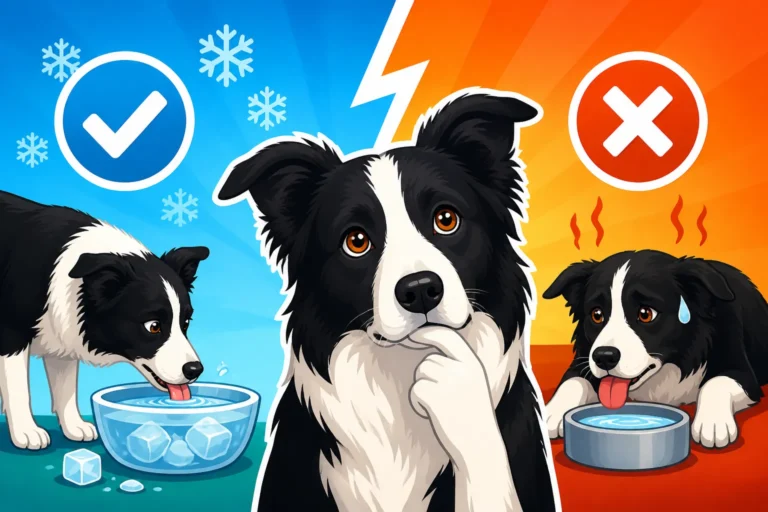
Adequate hydration is critical. It's not enough to offer water; you need to ensure they drink it. Some dogs are too excited or stressed at trials to drink readily. Try making it more appealing or offering it in a quiet, shaded spot away from the action. Electrolyte solutions designed for dogs can be helpful, but always introduce them gradually at home first to ensure your dog tolerates them well. Avoid giving large amounts of plain water right after intense exercise, as it can sometimes lead to stomach upset; small, frequent offerings are better.
When it comes to food, adjust their feeding schedule. Avoid feeding a large meal right before or immediately after intense work in the heat. Their body is working hard to cool itself and digest food simultaneously, which can be an extra strain. Many handlers opt for smaller, more frequent meals, or even skip a meal altogether if the heat is extreme and their dog's appetite is suppressed. A performance diet designed for active dogs will already be balanced, but on hot days, focus more on fluid intake. You don't want to compromise their energy, but you also don't want to overstress their system.
Here's a quick overview of some essential cooling gear for trials:
| Gear Type | Description | Key Benefit | Where to Find |
|---|---|---|---|
| Cooling Vest | Specialized vests that absorb water and slowly evaporate, drawing heat away from the dog. | Sustained cooling for the torso and major arteries | Pet supply stores, Amazon, Chewy |
| Cooling Mat | Gel-filled or water-activated mats that provide a cool surface for resting. | Helps dissipate heat when resting | Pet supply stores, Amazon, Chewy |
| Portable Fan | Battery-operated fans for crates or shaded rest areas. | Increases air circulation, aids evaporative cooling | Hardware stores, Amazon |
| Insulated Water Bottle | Keeps water cold for extended periods. | Ensures access to cool water all day | Sporting goods stores, Amazon |
| Collapsible Bowl | Easy to carry and use for frequent water offerings. | Convenience for on-the-go hydration | Pet supply stores, Amazon, Chewy |
| Shade Canopy | Pop-up tent or large umbrella for creating shaded rest areas. | Direct sun protection, lowers ambient temperature | Sporting goods stores, home improvement stores |
When to Say No: Prioritizing Your Border Collie's Well-being
This is perhaps the hardest part for competitive handlers, but it's the most crucial. Sometimes, despite all the preparations and precautions, the conditions are simply too extreme, or your dog isn't feeling 100%. Knowing when to pull out of a class, skip a day, or even stay home altogether is the mark of a truly responsible owner. It's about prioritizing your Border Collie's long-term health and happiness over any short-term competitive gain.
Making the Tough Call to Withdraw or Stay Home
It’s easy to get caught up in the excitement of a trial, the travel, the camaraderie, and the desire to perform. But your dog doesn't care about ribbons; they care about you and the joy of working. If the heat index is soaring, if there's no adequate shade, or if you notice your dog lagging even before their run, it's okay to say no. Trust your instincts. A day that feels "a bit warm" to you might be genuinely dangerous for your intense Border Collie. Consider the long-term implications of pushing your dog too hard. Heat stroke can have lasting effects on organs like the brain, kidneys, and liver, potentially shortening their working life and overall lifespan. What Ends a Border Collie's Working Life often involves cumulative stress or acute injuries that could have been avoided.
It's also important to advocate for your dog. Don't feel pressured by other competitors or event organizers. Your dog is your responsibility, and you are their voice. If you see signs of distress in your own dog or another, speak up. The trial environment should always prioritize canine safety. If an organizer isn't providing adequate water stations, shaded rest areas, or adjusting schedules for extreme heat, that's a red flag.
The Long-Term Impact of Heat Stress and Sport
Pushing a Border Collie through extreme heat doesn't just risk acute heatstroke; it can contribute to chronic issues. Repeated episodes of overheating can put a strain on their cardiovascular system and lead to exhaustion that takes days, not hours, to recover from. Over time, this kind of stress can make them more susceptible to other health problems or worsen existing conditions. We want our Border Collies to have long, fulfilling working lives, and that means protecting them from preventable harm. Think about how many years you want to enjoy your dog's partnership. One trial isn't worth jeopardizing a decade of health.
Remember that Sport Injuries a Border Collie Picks Up can also be exacerbated by fatigue from heat. When a dog is tired, their coordination and muscle control can be compromised, leading to missteps, strains, or even more serious injuries like cruciate tears. A dog recovering from an injury also needs extra consideration in the heat, as their body is already under stress. Making informed, conservative decisions about working your Border Collie in the summer heat is a true testament to your bond and commitment to their well-being.
Disclaimer
This article is for general informational purposes only and does not constitute professional advice. Laws, prices and regulations vary by location and change over time. Consult a qualified professional for guidance on your specific situation.