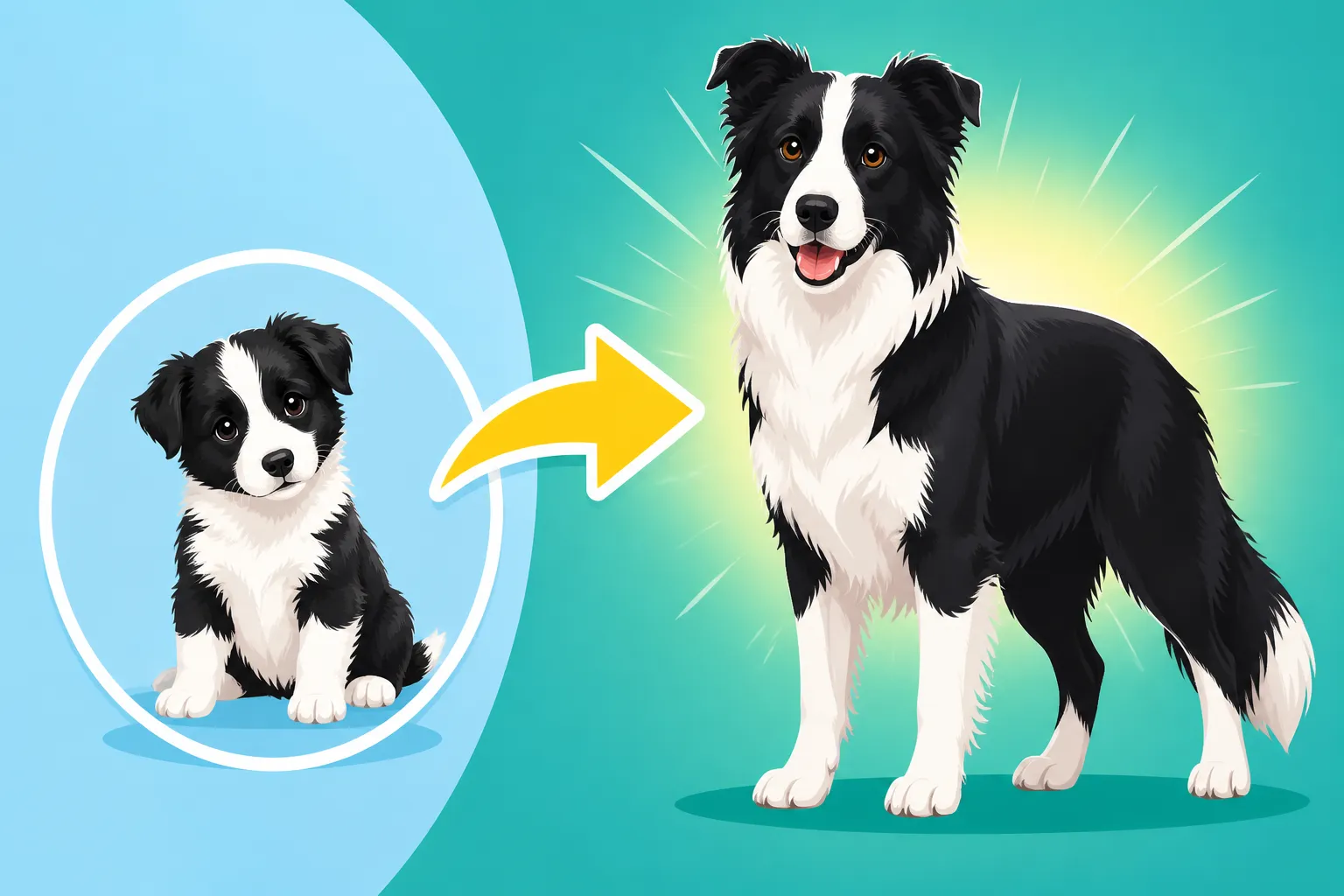
When a Border Collie Reaches Its Adult Size
Watching a Border Collie puppy grow is a whirlwind of boundless energy, daily discoveries, and a constant shifting of proportions! One day they're a tiny fluffball, the next they're a lanky adolescent, and it's easy to wonder when, exactly, they'll settle into their magnificent adult form. This guide will walk you through the fascinating growth journey of your Border Collie, detailing what to expect and when, so you can confidently nurture them into a healthy, full-grown companion.
The Stages of Border Collie Growth: From Fluffy Puppy to Lean Adult
The growth of a Border Collie isn't a straight line; it's a dynamic process with distinct phases, each bringing its own set of developmental milestones. Understanding these stages can help you manage their exercise, nutrition, and overall care, ensuring they develop into a robust adult. It’s truly incredible how fast they transform, seeming to add an inch or a pound overnight in those early months.
The Explosive First Six Months: All Legs and Energy
The first six months of a Border Collie's life are characterized by explosive growth. Your puppy will seem to double in size almost before your eyes, gaining height and length at an astonishing rate. During this period, their skeletal system is developing rapidly, which is why proper nutrition is absolutely critical. They need a diet formulated for large-breed puppies to support this rapid growth without over-accelerating it, which can be detrimental to their developing joints. You might find yourself constantly adjusting their harness or collar as they stretch out.
This is also a time when you need to be mindful of exercise. While Border Collies are renowned for their energy, too much high-impact, repetitive activity on still-developing bones can lead to future orthopedic issues. Think short, controlled play sessions rather than long runs or intense agility training. We want strong, healthy bones and joints for their future, which means sometimes holding them back when their enthusiasm would have them going all day. Remember, patience in these early months pays dividends down the line. You can learn more about managing this phase in Holding a Border Collie Puppy Back Before a Year.
Adolescent Lurch: Six to Twelve Months of Awkwardness and Brains
As your Border Collie moves past six months, their growth might start to slow a little in terms of sheer height, but they're still very much in a development phase. This period, often stretching from six to twelve months, is their adolescence, and they can look a bit awkward – all legs and sometimes a slightly too-small head for their body. They might still be growing, but it's less about the rapid upward trajectory and more about filling out and refining their proportions.
Beyond physical changes, this is a huge period for mental development. Their brains are wiring, and they're learning at an incredible pace, sometimes testing boundaries as any teenager would. While their weight gain might not be as dramatic as in the first few months, it's often more about building lean muscle rather than just growing bone. They're transitioning from a puppy body to something closer to an adult physique, but they're certainly not done yet. You’ll be amazed at how their intelligence seems to explode during this time.
Filling Out and Maturing: One to Two Years and Beyond
For most Border Collies, their full adult height is typically reached around 10-12 months of age. So, if you're measuring their standing height at the shoulder, by their first birthday, they're probably as tall as they're going to get. However, "fully grown" isn't just about height. They will continue to fill out, broadening in the chest, deepening in their musculature, and generally maturing in their overall build. This process can continue until they are 18 to 24 months old, and sometimes even a little beyond for very active dogs who are constantly building and refining their physical condition through work or sport.
During these later stages, their body condition becomes paramount. A lean, athletic build is ideal, reflecting their heritage as a working dog. While they might not be gaining inches, they are certainly gaining substance and definition. You’ll see their puppy fat disappear, replaced by powerful, well-defined muscle. Many owners find that their Border Collie truly comes into its own physically during this phase, transforming from a gangly youngster to a graceful, powerful athlete.
What Influences a Border Collie's Final Stature?
While the general growth timeline is fairly consistent, the exact size and weight your Border Collie reaches can be influenced by several factors. It's not just a guessing game; there are real elements at play that determine their final majestic form.
The Genetic Blueprint: What Their Parents Pass On
The most significant factor determining your Border Collie's adult size is genetics. Just like in humans, puppies inherit their potential size from their parents and even their grandparents. If both parents are on the smaller side of the breed standard, you can generally expect their offspring to follow suit. Conversely, if the parents are larger, your puppy will likely grow to a similar stature. This is why a reputable breeder will be transparent about the size and build of their breeding stock. They should also be able to tell you about the general size of previous litters.
There can also be subtle differences between working lines and conformation (show) lines. Working Border Collies are bred primarily for their herding ability, intelligence, and stamina, often resulting in a leaner, more athletic build that prioritizes agility over bulk. Conformation lines, while still intelligent and active, might adhere to a breed standard that sometimes permits a slightly heavier bone structure or a more substantial appearance. However, the core athleticism should always remain. When researching What the AKC Standard Says a Border Collie Is, you might notice some nuances in desired physical traits.
The Fuel for Growth: Nutrition and Its Impact
Beyond genetics, nutrition plays an absolutely vital role in how your Border Collie grows and develops. Feeding a high-quality, balanced diet specifically formulated for puppies is crucial, especially during those rapid growth phases. It's not about how much food you give them, but the quality and balance of nutrients within that food. Overfeeding, particularly with diets too rich in calcium, can lead to orthopedic problems by causing bones to grow too quickly or unevenly. Conversely, underfeeding can stunt growth and prevent them from reaching their full genetic potential.
Consult your veterinarian for specific dietary recommendations. There are many excellent brands available through retailers like Chewy, and even fresh food options like Ollie that can provide tailored nutrition. The goal is steady, consistent growth, not rapid weight gain. Monitoring your puppy's body condition score is more important than rigidly adhering to package guidelines, as individual metabolic rates vary. For insights into adult dietary needs, check out Feeding a Border Collie That Works Two Hours a Day.
Spay/Neuter Timing and Growth Plate Closure
The timing of spaying or neutering can also impact a Border Collie's final size, particularly their height. Bones grow from areas called growth plates, which are soft cartilage at the ends of long bones that eventually harden and close. Sex hormones (estrogen and testosterone) play a role in signaling these growth plates to close. When a dog is spayed or neutered early, before these hormones have had a chance to work their magic, the growth plates may remain open longer. This can result in a dog growing taller than they would have otherwise, often with slightly longer limbs and a more gangly appearance.
While many factors contribute to the decision of when to spay or neuter, it's worth discussing the potential impact on skeletal development with your vet. There's an ongoing conversation in the veterinary community about the optimal timing, balancing the benefits of sterilization with the potential effects on joint health and growth. This is a complex topic, and you can delve deeper into it with articles like Spaying a Border Collie Early and Its Joints.
The Numbers: Typical Adult Size and Weight Expectations
So, what does "adult size" actually look like for a Border Collie? While there's always individual variation, there are generally accepted ranges that can give you a good idea of what to expect for your fully grown companion.
Height and Weight Ranges for a Mature Border Collie
A typical adult Border Collie is a medium-sized dog, built for agility and endurance rather than brute strength. Here are some general ranges for their height (measured at the shoulder) and weight:
| Trait | Males (Approximate) | Females (Approximate) |
|---|---|---|
| Height | 19-22 inches (48-56 cm) | 18-21 inches (46-53 cm) |
| Weight | 35-50 pounds (16-23 kg) | 30-45 pounds (14-20 kg) |
It's important to remember that these are guidelines. You'll find individuals slightly outside these ranges who are perfectly healthy and sound. The key is their overall proportion and athleticism. A Border Collie should always appear well-balanced and capable of sustained work. Breeders often refer to The Height and Weight a Border Collie Standard Sets as a guide for what is considered ideal for the breed.
When we talk about The Weight Range a Border Collie Standard Allows, it's crucial to understand that a lean, fit weight is preferable to a heavy one. You should be able to feel their ribs easily, but not see them prominently without pressure. Their waist should be evident when viewed from above, and they should have a clear tuck-up from their rib cage to their flanks.
The Distinction Between Working and Show Lines in Size
While both working and show lines adhere to the core Border Collie characteristics, there can sometimes be subtle differences in size and build, largely due to the differing selection pressures. Working lines are bred with performance in the field as the absolute priority. This often leads to dogs that are perhaps a touch lighter in bone, incredibly athletic, and often fall squarely within the middle to lower end of the weight spectrum for the breed, optimizing for speed, stamina, and agility. Their build is all about efficiency and function.
Show lines, while still valuing intelligence and athleticism, are also selected to conform closely to a written breed standard, which describes an ideal appearance. This can sometimes result in dogs that are slightly heavier boned or more substantial in overall build, though this is not always the case and certainly not to the extreme seen in some other breeds with a pronounced working/show split. Ultimately, regardless of the line, a healthy, fit Border Collie of appropriate size for its structure and sex is always the goal. The most important thing is that the dog is sound, healthy, and capable of the work or activities it was bred for.
Monitoring Your Border Collie's Journey to Adulthood
Watching your Border Collie grow is a journey, and you'll want to ensure they're developing healthily every step of the way. Active monitoring, combined with professional guidance, is key to catching any potential issues early.
Keeping Tabs on Your Puppy's Development
Beyond just admiring how much bigger they've gotten, there are practical ways to track your Border Collie's development. Regular weigh-ins are a good idea, especially in the first year. You can use a home scale, or your vet will do this at routine appointments. Keeping a little log of their weight and even height (shoulder height is easiest) can be fascinating and also provide valuable data for your vet if any concerns arise. Many owners love taking monthly photos, placing their puppy next to the same object, to truly visualize the growth.
Remember to consider How Much a Border Collie Puppy Should Weigh at various stages. Steady, incremental gains are what you're looking for, not huge jumps or sudden plateaus, unless they're nearing their adult size. Don’t hesitate to discuss any rapid changes or worries with your veterinarian. They’ve seen countless puppies grow and can offer reassurance or advice.
Recognizing Healthy Development and Potential Red Flags
A healthy Border Collie puppy should be energetic, curious, and have a good appetite. Their growth should be consistent, and they should maintain a lean body condition without appearing too thin or overly chubby. You want to see strong, straight limbs and a fluid gait. Regularly check their paws and joints.
However, sometimes issues can arise. If your puppy seems unusually lethargic, loses their appetite, has a poor coat condition, or develops a limp, it's time to contact your vet. Growing pains, known as panosteitis, can occur in rapidly growing puppies, causing shifting lameness. While often self-limiting, it still warrants a vet visit. More serious issues like Signs a Border Collie's Hips Are Sore can also manifest during puppyhood or adolescence, and early detection is always beneficial. Trust your gut; if something feels off, get it checked out.
The Crucial Role of Your Veterinarian
Your veterinarian is your most valuable partner in monitoring your Border Collie's growth and ensuring their long-term health. Regular puppy check-ups and subsequent annual exams aren't just for vaccinations; they're opportunities for your vet to assess your dog's overall development. They can palpate joints, discuss diet, advise on appropriate exercise levels for their age, and address any concerns you might have about their size or growth rate.
Vets can also provide guidance on preventative care, such as parasite control and dental hygiene, which contribute to overall well-being and healthy development. They can interpret growth plate status through X-rays if needed and discuss genetic predispositions that might affect growth or joint health down the line. Don't hesitate to lean on their expertise throughout your Border Collie's journey to adulthood and beyond.
Disclaimer
This article is for general informational purposes only and does not constitute professional advice. Laws, prices and regulations vary by location and change over time. Consult a qualified professional for guidance on your specific situation.