Whether Too Much White Is a Problem in a Border Collie
A mostly white Border Collie can attract worried questions at the vet, from neighbors, or even from a breeder: Is the coat color unhealthy, and does it mean the dog cannot be shown? In most cases, white markings are simply part of the breed’s natural variety. This guide explains what a white-heavy coat can mean, when hearing or skin checks are sensible, and how color differs from health.
What “too much white” means on a Border Collie
White markings are normal in the breed
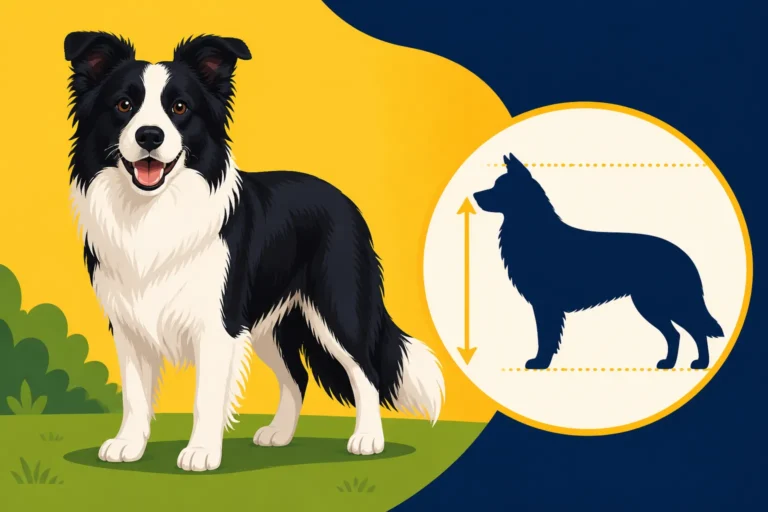
Border Collies come in many colors and patterns, and white commonly appears on the face, neck, chest, legs, and tail tip. A familiar black-and-white dog is only one version of the breed; other dogs have different base colors with white markings, and the amount of white can vary between littermates.
There is no single visual line that turns a normally marked Border Collie into an unhealthy one. One dog may have a narrow blaze and a modest collar, while another has white extending over much of the body. A mostly white coat can look unusual, but appearance alone does not tell you whether the dog is healthy, can hear well, or has the temperament you want.
If you are comparing coat patterns, The Colors a Border Collie May Be offers a wider look at the range. The key point is that white coverage is one part of the dog’s appearance, not a diagnosis.
Show preferences are not the same as health rules
Breed standards are written for judging dogs in a show ring. The Border Collie standard used by the American Kennel Club allows a range of colors but says white should not predominate. That can affect how a dog is evaluated in conformation classes. It does not mean that a white-heavy dog is automatically sick, a poor companion, or unsuitable for every activity.
Working registries and show organizations may have different purposes and rules, so check the requirements of the specific organization if registration or competition matters to you. A dog’s eligibility for a particular event is separate from whether it can enjoy an active life as a pet, sport dog, or working dog. For more on this distinction, see Why a Mostly White Border Collie Cannot Be Shown.
| What you notice | What it may mean | What to do |
|---|---|---|
| White blaze, chest, collar, socks, or tail tip | Common Border Collie markings | No special action based on color alone |
| White covers a large part of the coat | A coat pattern that may be outside some show preferences | Ask the relevant organization about its rules; assess health separately |
| White coat plus difficulty responding to sound | Hearing trouble is possible, but color cannot confirm it | Ask your veterinarian about a hearing assessment |
| White areas with exposed pink skin | Less natural pigment may leave some skin more vulnerable to sun | Ask your veterinarian about practical sun protection |
| Merle pattern as well as white markings | A separate coat pattern that deserves careful breeding discussion | Review the parents’ health and genetic information |
Does a white-heavy coat mean a Border Collie may be deaf?
Coat color is a clue to ask about, not a hearing test
In dogs, certain patterns involving reduced pigment have been associated with a higher likelihood of congenital hearing problems. That association does not mean every white-marked dog is deaf, or that every deaf dog has a mostly white coat. White fur by itself cannot confirm a hearing problem, and a dog that seems not to respond may be distracted, asleep, anxious, or focused on something else.
Pay attention to how the dog responds in ordinary situations. Does it notice a familiar voice when it cannot see the person? Does it startle when someone approaches from behind, or sleep through sounds that usually wake other dogs? These observations can help you describe what you are seeing, but they are not a substitute for an examination. Deafness in a Border Collie explains more about possible signs and causes.
BAER testing can check hearing more directly
If a puppy’s hearing is uncertain, ask the veterinarian whether a BAER test is appropriate. BAER testing measures the brain’s response to sound and can help assess hearing in each ear. It is especially useful when a puppy is too young for reliable everyday observations or when a breeder wants a clearer answer than casual listening can provide. BAER Testing a Border Collie Puppy describes what the test involves.
For a pet owner, it is reasonable to ask the breeder what hearing checks have been done and whether any hearing concerns have appeared in the family. You can also ask for records rather than relying on statements like “the puppy seems fine.” For broader questions about inherited conditions, Which Test Results a Border Collie Breeder Should Show and The Border Collie Genetic Panel and What It Screens can help you understand what health information a panel may, and may not, provide. A genetic panel does not replace a hearing assessment.
If your dog is deaf or has hearing loss, that does not automatically rule out a good quality of life. It does mean training and safety may need adjustments: use clear visual cues, keep the dog securely contained, and avoid relying on an off-leash recall near roads or livestock. A veterinarian can help you plan for the individual dog rather than making assumptions from its coat.
White markings, merle, and responsible breeding
White and merle are different coat features
White spotting and merle are not interchangeable terms. White describes areas of the coat with little or no visible pigment; merle describes a mottled pattern that affects pigmented areas. A dog may have white markings, a merle pattern, both, or neither. Because the patterns can occur together, it is easy to attribute a concern to “too much white” when a separate inherited pattern may also be relevant.
Merle deserves particular attention in breeding conversations because breeding two merle-patterned dogs can increase the chance of puppies with serious sensory problems. That is a separate issue from simply having white on the coat. If a dog is merle, learn how the pattern appears in its family and ask what health and genetic information is available. Merle Border Collies and What It Means and Whether Two Merle Border Collies Should Be Bred cover those questions in more detail.
Ask for specific records, not just reassurance
When choosing a puppy, it is fair to ask about the parents’ health, hearing, coat patterns, and any relevant screening. A responsible breeder should be able to explain what tests were performed, what the results mean, and where the limits are. If a breeder tells you that a puppy is healthy because it is “just white,” or claims that a coat pattern guarantees a problem, ask for clarification and discuss the concern with a veterinarian.
For an existing dog, there is no need to pursue genetic testing solely because the coat has a lot of white. Testing is most useful when it answers a specific question, informs a breeding decision, or helps a veterinarian assess a suspected condition. A visible coat pattern alone does not tell you which test is useful.
Caring for a white-heavy Border Collie
Check exposed skin without treating every white patch as fragile
White fur does not necessarily mean the skin underneath is exposed or unusually sensitive. The areas worth noticing are patches where the skin is pink and less protected by pigment or hair, especially if the dog spends long periods in strong sun. The nose, ear edges, and thinly coated areas may need particular attention, depending on the individual dog.
Ask your veterinarian what sun protection is appropriate before applying a product. Dogs may lick substances from their coat, and products made for people are not automatically suitable for pets. If your veterinarian recommends dog-safe sunscreen, check the label and use it as directed. Chewy is one place owners may look for pet-care supplies, but product suitability still depends on the ingredients and your veterinarian’s advice.
A practical routine can be simple: provide shade, avoid leaving the dog in direct sun for long stretches, and check exposed skin for persistent redness, crusting, or sores. If you order supplies through Chewy or another retailer, read the product information rather than choosing based on a “natural” or “sensitive skin” label alone. Contact your veterinarian if a skin change does not settle or looks painful.
Keep the dog’s needs ahead of its color
A white-heavy Border Collie needs the same foundations as any other Border Collie: suitable exercise, mental enrichment, rest, preventive veterinary care, and safe management around traffic and livestock. Color should not distract from the bigger questions when choosing a dog. Consider the dog’s temperament, health history, energy level, and the kind of daily routine your home can offer. The Kind of Home a Border Collie Settles In can help you think through that fit.
If you already live with a white-heavy Border Collie, you do not need to defend the dog’s appearance or assume that every health concern is color-related. Notice changes, ask clear questions, and make decisions based on examination and reliable records. Chewy may be convenient for routine supplies, but hearing concerns, unusual skin changes, and breeding questions are best taken to a veterinarian or qualified breeder—not answered by coat color alone.
Disclaimer
This article is for general informational purposes only and does not constitute professional advice. Laws, prices and regulations vary by location and change over time. Consult a qualified professional for guidance on your specific situation.