Why Border Collies Carry MDR1 Less Than Collies
It’s a common misconception that all dogs in the "Collie" family share the exact same genetic vulnerabilities, especially when it comes to the dreaded MDR1 gene mutation. Many Border Collie owners, or those considering bringing one into their lives, worry about this drug sensitivity, often because they’ve heard heartbreaking stories from Rough Collie or Australian Shepherd owners. This fear is completely understandable; the thought of unknowingly giving your beloved dog a medication that could harm them is terrifying. This guide is here to unravel the truth, explaining why Border Collies, despite their name, are generally less affected by the MDR1 mutation than their Collie cousins, and what you, as an owner, need to know to keep your dog safe.
Understanding the MDR1 Gene Mutation
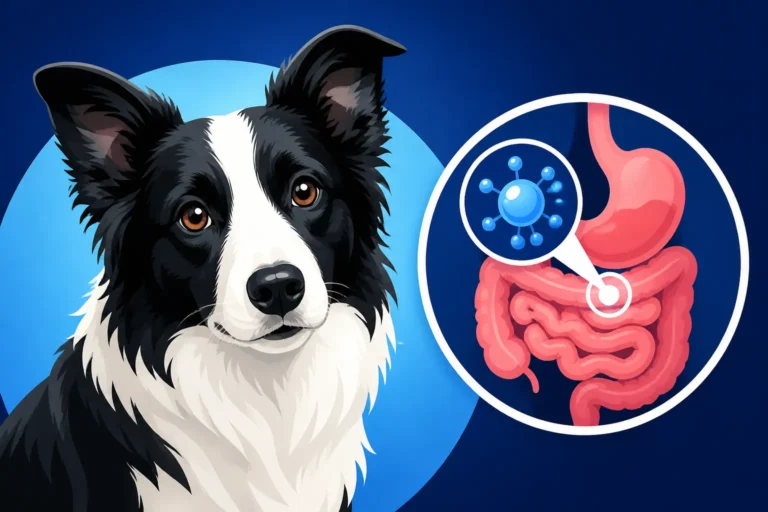
The MDR1 gene, properly known as Multi-Drug Resistance 1 (or ABCB1 in some scientific circles), plays a critical role in a dog's body. It's responsible for producing a protein called P-glycoprotein, which acts like a protective gatekeeper, especially in the brain. Think of it as a bouncer for the blood-brain barrier, kicking out certain drugs and toxins before they can enter the central nervous system and cause damage. When this gene is mutated, that gatekeeper isn't doing its job properly, leading to a build-up of drugs that should have been cleared.
What is the MDR1 Gene and Its Impact?
For dogs with a functional MDR1 gene, P-glycoprotein efficiently pumps out a wide range of drugs, preventing them from reaching toxic levels in sensitive areas like the brain, spinal cord, kidneys, and intestines. But when a dog inherits two copies of the mutated gene (one from each parent, making them "affected"), this pumping action is severely impaired or non-existent. Even dogs with one copy of the mutated gene (carriers) can sometimes show increased sensitivity, though typically less severe than affected dogs. The impact can range from mild side effects like lethargy or vomiting, to severe neurological issues such as seizures, tremors, blindness, coma, and even death if the wrong medication is given at a standard dose. It’s a silent threat that can lurk undetected until a critical situation arises.
Common Symptoms of MDR1 Sensitivity
The symptoms a dog exhibits if given a problematic drug can vary widely depending on the specific medication, the dosage, and the individual dog's genetic status (carrier vs. affected). However, neurological signs are often the most alarming and prevalent. Owners might notice their dog suddenly becoming disoriented, bumping into things, or struggling with coordination, displaying a wobbling gait a collapsing Border Collie shows. Muscle tremors, excessive drooling, lethargy, or a sudden change in behavior like extreme anxiety can also be indicators. In severe cases, dogs might experience seizures, collapse, or enter a comatose state. These reactions usually appear within hours of drug administration, though some can be delayed. Recognizing these signs promptly is crucial, as immediate veterinary intervention is often necessary to try and clear the drug from their system and provide supportive care. This is a situation where knowing your dog’s genetic status can quite literally be a lifesaver, allowing your vet to avoid problematic medications entirely.
The Historical Divergence of Collie Breeds
To understand why Border Collies carry MDR1 less than other collies, we need to take a step back in time and look at the origins and breeding philosophies that shaped these distinct breeds. While they share the "Collie" moniker, their paths diverged significantly, influencing their genetic makeup.
Tracing the Ancestry of Collies and Border Collies
The term "collie" historically referred to a type of sheepdog found throughout Scotland and northern England. These were working dogs, bred for their herding ability, intelligence, and stamina, rather than their appearance. The ancestors of both modern Border Collies and the Rough and Smooth Collies were these landrace working dogs. However, their development took different turns.
The Border Collie, as we know it today, gained prominence through selective breeding focused almost exclusively on working ability. Key figures like Old Hemp, born in Northumberland in 1893, are credited with laying the foundation for the modern Border Collie breed, emphasizing his quiet, intense "eye" and superior herding instinct. The International Sheep Dog Society (ISDS), founded in 1906, further solidified this focus, registering dogs based on their working merit rather than their looks. This intense focus on a relatively small, highly effective working population meant that while certain desirable traits were amplified, genetic diversity in some areas might have been reduced, but crucially, the MDR1 mutation was not a widespread issue in these founding lines.
In contrast, the Rough and Smooth Collies developed more for companionship and show ring appeal, particularly from the Victorian era onwards. While they retained some herding instincts, their breeding became more diverse and included outcrosses to other breeds in their early history to achieve specific aesthetic qualities like long coats and noble heads. This broader and sometimes less rigidly performance-focused breeding history, involving different founder populations and more varied genetic contributions, led to the MDR1 mutation becoming far more prevalent within these specific lines. This divergence in breeding goals and the choice of foundation stock is a major reason for the differing MDR1 prevalence rates we see today.
Breeding Practices and Genetic Bottlenecks
The story of the MDR1 gene's differing prevalence is deeply intertwined with breeding practices and the concept of genetic bottlenecks. A bottleneck occurs when a population undergoes a drastic reduction in size, and the surviving individuals carry only a fraction of the original genetic diversity. If a founder dog within that smaller population happens to carry a specific gene mutation, that mutation can become disproportionately common in subsequent generations.
For Border Collies, the breed’s foundation was incredibly focused on performance. The emphasis was on dogs that could work, not necessarily on those with the most diverse genetic profile. While this did create some genetic bottlenecks, fortunately, the key foundation sires of the Border Collie, like Old Hemp, were largely free of the MDR1 mutation. Their offspring, in turn, passed on a predominantly clear genetic line for this particular gene. Breeders prioritizing proven working ability over other factors inadvertently kept the MDR1 frequency low.
On the other hand, for breeds like the Rough Collie, the move towards conformation showing and establishing a distinct breed type involved different founder dogs and sometimes less stringent health screening in the early days. If even a few influential early individuals carried the MDR1 mutation, and these dogs were extensively bred to establish the "look" of the breed, the mutation would rapidly spread through the gene pool. This kind of selective breeding for appearance, rather than the rigorous performance testing that defined the Border Collie, created a different kind of bottleneck where the MDR1 mutation found a foothold and became highly concentrated in those populations.
Prevalence Rates: Border Collies vs. Other Collies
When we look at the numbers, the difference in MDR1 prevalence between Border Collies and other Collie-type breeds becomes strikingly clear. It’s not just a subtle variation; it’s a significant statistical gap that highlights their distinct genetic histories.
Current Statistics on MDR1 in Border Collies
Thankfully, Border Collies have a significantly lower prevalence of the MDR1 mutation compared to many other herding breeds. Current research and extensive genetic testing data suggest that the percentage of Border Collies carrying even one copy of the mutated gene is quite low, often cited as being in the single digits, typically around 1-5%. The number of affected individuals (carrying two copies) is even smaller. This low rate is a testament to the careful breeding practices focused on health and working ability throughout the breed's history, even if they weren't explicitly screening for MDR1 until relatively recently. It’s important to remember that "low prevalence" doesn't mean "zero risk," which is why testing is still highly recommended for all Border Collies, especially if you plan on breeding them or if they'll require various medications throughout their lives. This small percentage means that while the risk is less, it's not entirely absent, and awareness remains key. For more on ensuring your dog is healthy, you might be interested in The Border Collie Genetic Panel and What It Screens.
Higher Rates in Rough and Smooth Collies, Australian Shepherds
In stark contrast, other Collie breeds and related herding dogs show alarmingly high rates of the MDR1 mutation. Rough and Smooth Collies, for example, have one of the highest prevalence rates, with estimates suggesting that as many as 70-75% of individuals carry at least one copy of the mutated gene, and a significant portion of those are affected (homozygous for the mutation). This means that a vast majority of these dogs are either carriers or affected, putting them at substantial risk if not managed carefully.
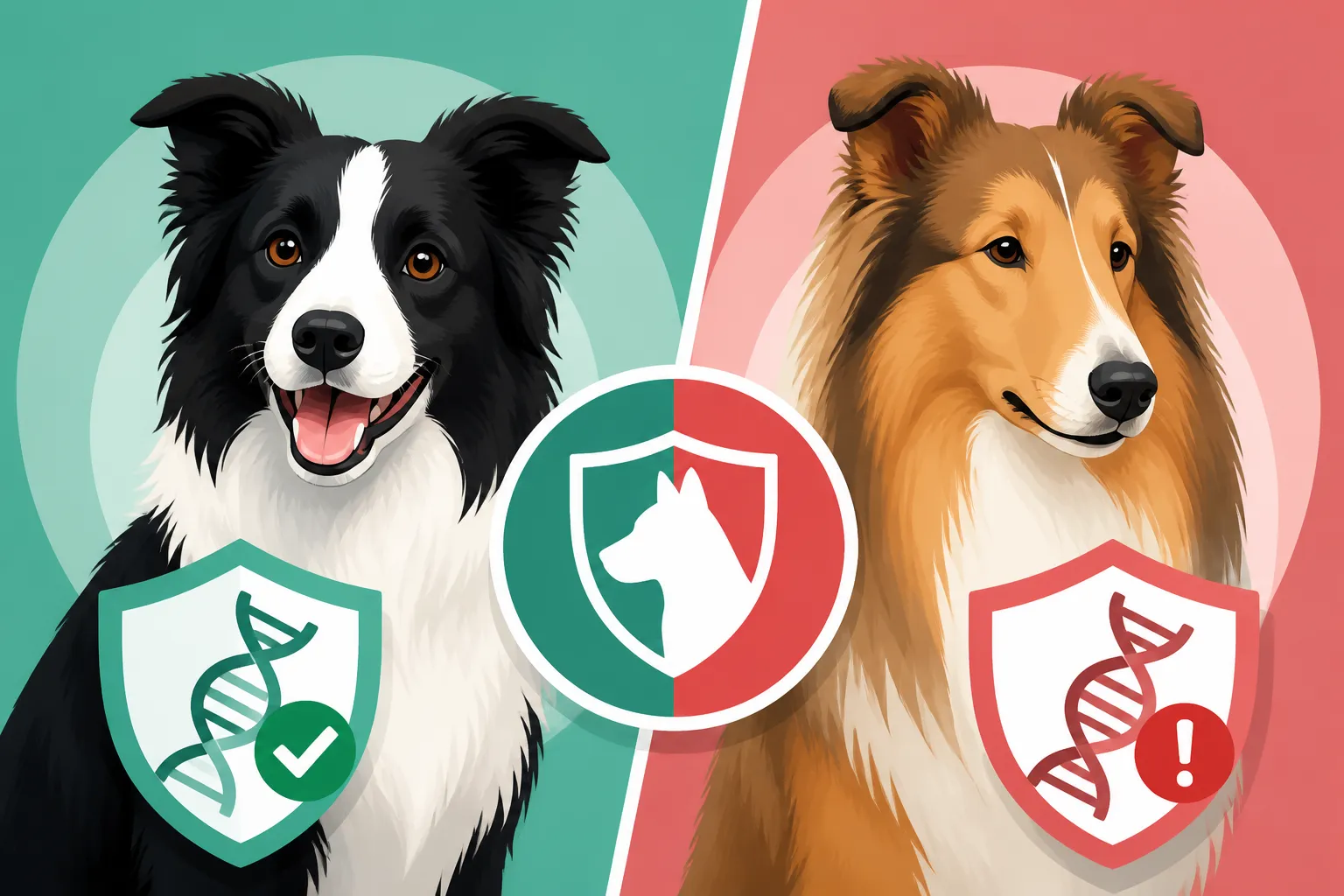
Similarly, other popular herding breeds, such as Australian Shepherds, Miniature Australian Shepherds, and Shelties (Shetland Sheepdogs), also have very high rates, often ranging from 30% to over 50%. Even some Whippets and Long-haired Whippets have shown a notable prevalence, linking back to their distant herding ancestry or shared genetic influences. This widespread presence in these breeds means that veterinary professionals must always assume MDR1 sensitivity unless proven otherwise through genetic testing. The table below illustrates this dramatic difference in prevalence:
| Breed Type | Estimated MDR1 Carrier/Affected Prevalence |
|---|---|
| Border Collie | 1% – 5% |
| Rough Collie | 70% – 75% |
| Smooth Collie | 70% – 75% |
| Australian Shepherd | 30% – 50% |
| Miniature Australian Shepherd | 30% – 50% |
| Shetland Sheepdog (Sheltie) | 15% – 20% |
| English Shepherd | 15% – 20% |
| Old English Sheepdog | 5% – 10% |
This table clearly shows why the generalization about "Collies and MDR1" often sparks unnecessary fear in Border Collie owners, while simultaneously understating the very real and significant risk for owners of other affected breeds.
The Role of Specific Medications and MDR1 Sensitivity
Understanding the MDR1 gene is only half the battle; knowing which medications pose a risk is paramount. It’s not just about one or two obscure drugs; there’s a whole class of common veterinary pharmaceuticals that can be dangerous for affected dogs.
Critical Medications to Avoid with MDR1 Mutation
For dogs with the MDR1 mutation, certain drugs can accumulate to toxic levels in the brain due to the faulty P-glycoprotein pump. The most well-known culprit is Ivermectin, an antiparasitic drug often used for heartworm prevention or treating various mites. While microdoses for heartworm prevention are generally considered safer for carriers, higher doses used for treating conditions like demodectic mange can be lethal for affected dogs. If you're wondering more about this specific drug, consult Ivermectin and the MDR1 Border Collie.
Other critical medications include:
- Loperamide: This is a common anti-diarrheal medication, often found in over-the-counter products like Imodium. For an MDR1 affected dog, even a standard dose can cause severe neurological depression. You can learn more about this by reading Loperamide and the MDR1 Border Collie.
- Acepromazine: A tranquilizer and pre-anesthetic agent, it can cause prolonged and profound sedation in MDR1 affected dogs.
- Butorphanol: An opioid pain reliever and sedative, which can also lead to increased sensitivity and adverse reactions.
- Vincristine, Vinblastine, Doxorubicin: These are chemotherapy drugs. In affected dogs, they can lead to increased bone marrow suppression and gastrointestinal toxicity.
- Erythromycin: An antibiotic that can cause neurological symptoms.
- Cyclosporine: An immunosuppressant, which can have elevated blood levels in affected dogs.
- Digoxin: A cardiac medication that can reach toxic levels more easily.
This is not an exhaustive list, but it highlights some of the most common and dangerous drugs. Always ensure your veterinarian is aware of your dog's MDR1 status before any medication is prescribed, especially when considering Which Drugs an MDR1 Border Collie Cannot Have.
Safe Alternatives and Veterinary Consultation
The good news is that for most medications that pose an MDR1 risk, safe alternatives or adjusted protocols exist. For heartworm prevention, products containing Milbemycin oxime (e.g., Sentinel, Trifexis) or Moxidectin (e.g., Advantage Multi, ProHeart) are generally considered safer alternatives to high-dose Ivermectin, although even with these, caution and appropriate dosing for MDR1 dogs are advised. Your vet can guide you on the best options.
When it comes to pain management or sedation, vets can choose from a wide array of drugs that are not affected by the MDR1 mutation, or they can use drugs like Acepromazine at significantly reduced doses under close supervision. The key is open and thorough communication with your veterinary team. Before any procedure, no matter how minor, always remind your vet about your Border Collie's MDR1 status. This is especially vital before surgeries where various anesthetic agents might be used; understanding Anesthesia Drugs an MDR1 Border Collie Should Avoid is crucial.
It's wise to have your dog's MDR1 status clearly documented in their medical file, perhaps even flagged with a brightly colored sticker. When discussing your dog's health or any new treatment with a veterinarian, whether at your regular clinic or an emergency animal hospital, explicitly state, "My Border Collie has been tested for MDR1, and their status is [Clear/Carrier/Affected]." Having a comprehensive pet insurance plan, perhaps from a provider like Healthy Paws, can certainly offer peace of mind, covering unexpected veterinary costs, including those arising from adverse drug reactions if testing was done promptly. For more on what to say, you can check out Telling a Vet a Border Collie Is MDR1 Affected.
Testing for MDR1: Why It's Crucial
Given the potential severity of drug reactions, testing for the MDR1 mutation is not just a good idea – it's an essential part of responsible Border Collie ownership, even with their lower prevalence rates. Knowledge is power, and in this case, it's also protection.
How a Border Collie Genetic Panel Screens for MDR1
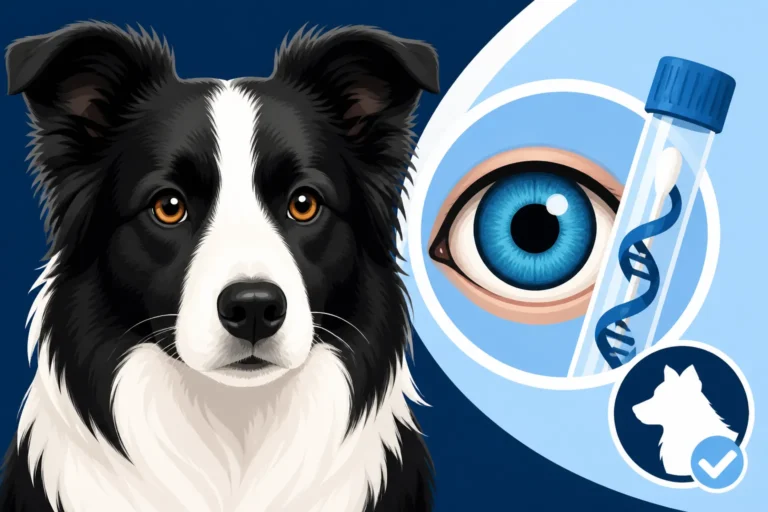
The process of testing for the MDR1 mutation is incredibly straightforward and non-invasive. Most reputable genetic testing companies offer an MDR1 test as part of a broader "Border Collie Genetic Panel" or as a standalone test. The most common method involves a simple cheek swab. You’ll receive a kit in the mail, swab the inside of your dog's cheek for a few seconds to collect epithelial cells, and then mail it back to the lab. Some vets also offer in-house blood tests, sending a sample to a specialized lab.
These genetic tests look directly for the specific mutation (a deletion) on the MDR1 gene. Unlike physical exams that look for symptoms, this test identifies the genetic predisposition before any issues arise. It’s a definitive answer that empowers you and your vet to make informed decisions about your dog's healthcare for their entire life. Many breeders will conduct these tests on parent dogs, and increasingly, on entire litters, so when you pick up your Border Collie puppy, you might already have this vital information.
Interpreting Test Results: Clear, Carrier, Affected
Once your dog's sample is analyzed, you'll receive results categorized into one of three statuses:
- Clear (N/N): This means your Border Collie has two normal copies of the MDR1 gene. They are not affected by the mutation and will not pass it on to any offspring. You can breathe a sigh of relief regarding drug sensitivity related to MDR1; their P-glycoprotein pump works perfectly.
- Carrier (N/M or M/N): Your dog has one normal copy and one mutated copy of the MDR1 gene. While they typically don't show clinical signs of drug sensitivity themselves, or only very mild ones, they can pass the mutated gene on to their puppies. If bred with another carrier or an affected dog, some of their offspring could be affected. For a carrier, caution is still advised with certain drugs, and doses might need to be adjusted under veterinary guidance.
- Affected (M/M): Your Border Collie has two copies of the mutated MDR1 gene (one from each parent). This means their P-glycoprotein pump is non-functional or severely impaired, making them highly susceptible to adverse drug reactions. These dogs must strictly avoid all known problematic medications at standard doses. For affected dogs, it’s not just a recommendation but a critical safety measure to share this information with every vet who treats them.
Understanding these results is crucial for responsible ownership and especially for breeding decisions, as discussed in Carriers, Affected and Clear on a Border Collie Panel. Knowing your dog's status means you can provide the safest and most effective care throughout their life, avoiding potentially life-threatening drug interactions and giving you peace of mind.
Disclaimer
This article is for general informational purposes only and does not constitute professional advice. Laws, prices and regulations vary by location and change over time. Consult a qualified professional for guidance on your specific situation.