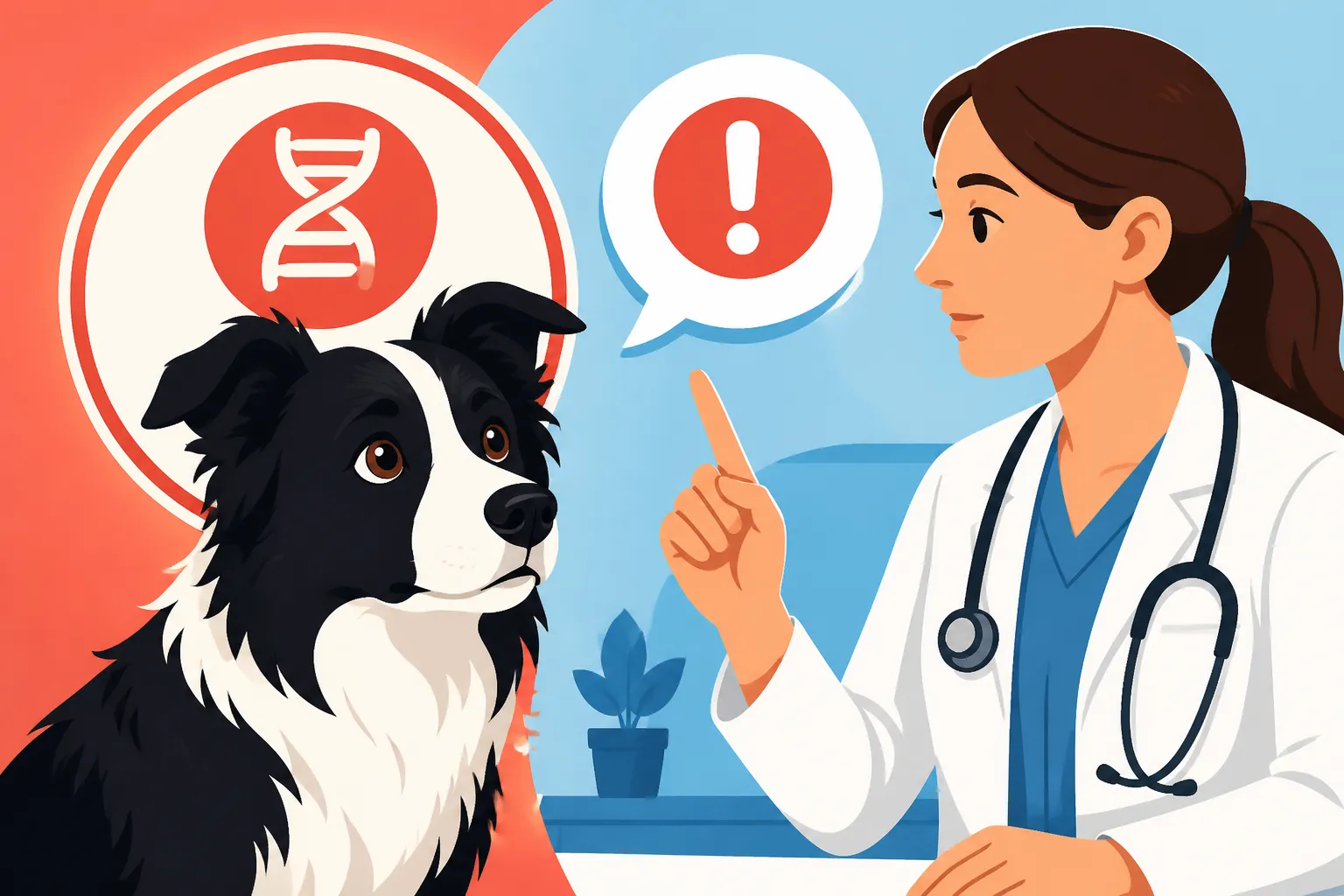
Telling a Vet a Border Collie Is MDR1 Affected
One of the most concerning discoveries a Border Collie owner can make is that their beloved companion carries the MDR1 gene mutation, which can make them dangerously sensitive to common veterinary medications. The fear of inadvertently harming your dog with a routine treatment is very real, and navigating discussions with your veterinarian about this complex genetic condition can feel overwhelming. This guide is here to empower you with the knowledge and communication strategies needed to ensure your MDR1-affected Border Collie receives the safest and most effective care possible, giving you peace of mind that you're their best advocate.
Understanding MDR1 Sensitivity in Border Collies
When you hear about MDR1 sensitivity, it's natural to feel a knot in your stomach, especially with a breed as active and prone to bumps and scrapes as the Border Collie. This isn't just some abstract scientific term; it's a critical genetic factor that dictates how your dog's body handles certain drugs, and misunderstanding it can have serious consequences.
What is the MDR1 Gene Mutation?
The MDR1 gene, short for Multi-Drug Resistance 1, is responsible for producing a protein called P-glycoprotein. Think of P-glycoprotein as a kind of bouncer or gatekeeper in your dog's body, particularly active in the brain, intestines, kidneys, and liver. Its job is to pump certain drugs and toxins out of sensitive areas like the brain and out of the body via excretion. It's a vital protective mechanism. However, a mutation in this gene means that the P-glycoprotein either isn't produced correctly or isn't produced at all.
This genetic glitch, often referred to as the "MDR1 deletion," leaves affected dogs vulnerable because their bodies can't effectively remove these specific drugs from critical organs. It's like having a leaky barrier around the brain; drugs that would normally be kept out can now cross, building up to toxic levels. This isn't something that can be fixed with diet or training; it's a fundamental part of your dog's biology, and recognizing this is the first step in responsible ownership.
How Does MDR1 Affect Drug Metabolism?
For Border Collies with the MDR1 mutation, the usual process of drug metabolism and elimination is severely compromised for a range of common medications. When an unaffected dog is given a drug, their P-glycoprotein works diligently to usher the drug out of the brain and help the liver and kidneys process and excrete it. In an MDR1-affected dog, that mechanism is either absent or faulty. This means that drugs, instead of being safely processed and removed, can accumulate to dangerous concentrations within the body, especially in the central nervous system.
The accumulation leads to a cascade of potential issues. Imagine a low dose of a medication that would be perfectly safe for most dogs turning into an overdose for an MDR1-affected Border Collie. The symptoms can range from mild lethargy and disorientation to severe neurological problems like seizures, coma, or even death. This is why understanding What the MDR1 Deletion Does to a Border Collie is so incredibly important, as it directly impacts how their bodies interact with therapeutics, making careful drug selection and dosing paramount for their safety and well-being.
Why Border Collies Carry MDR1 Less Than Collies
It's true that when we talk about MDR1 sensitivity, the Collie breed often comes to mind first, and for good reason—a much higher percentage of Rough and Smooth Collies carry the mutation. However, it's a common misconception that Border Collies are completely safe from it. While the prevalence in Border Collies is significantly lower, roughly 1-2% of the population, it's still a very real risk that owners need to be aware of. You might think, "My dog's a Border Collie, not a Collie, so I don't need to worry." This line of thinking, while understandable, can be dangerous.
The reason for the differing rates boils down to breed genetics and historical breeding practices. The MDR1 mutation is thought to have originated in a common ancestor of several herding breeds, including Collies, Australian Shepherds, Shetland Sheepdogs, and yes, Border Collies. While it became widespread in some lines, it remained less common in others. This means that even if your Border Collie has no direct Collie ancestry, the potential for inheriting this gene is still there. This difference in prevalence is precisely why we delve into Why Border Collies Carry MDR1 Less Than Collies, highlighting that while less common, the risk still warrants proactive testing for every Border Collie, regardless of perceived breed purity or lineage.
Recognizing the Importance of Testing and Documentation
You wouldn't let your child go to school without their medical history, right? The same proactive approach is vital for your Border Collie, especially regarding something as serious as MDR1 sensitivity. Relying on assumptions or waiting for a problem to arise is simply too risky when it comes to their health.
The Border Collie Genetic Panel and What It Screens
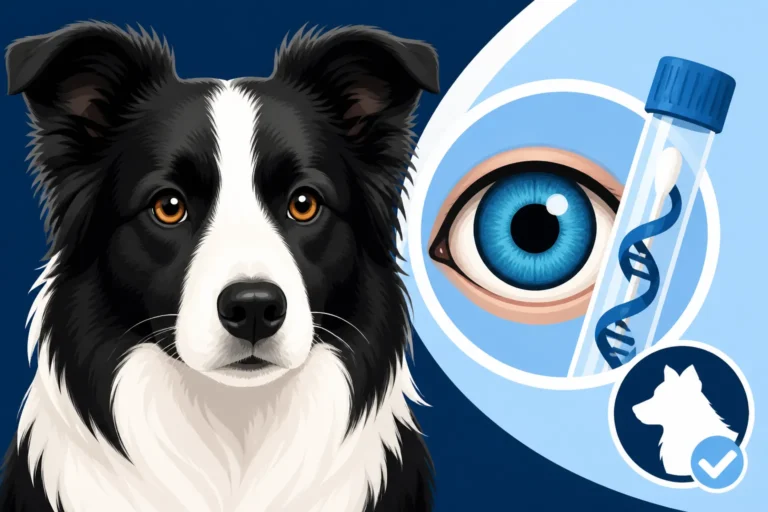
Genetic testing is your most powerful tool in managing your Border Collie's health proactively. It's not just about MDR1; a comprehensive genetic panel screens for a whole host of inherited conditions that can impact your dog's quality of life. For Border Collies, this usually includes tests for things like Collie Eye Anomaly (CEA), Neuronal Ceroid Lipofuscinosis (NCL), and Trapped Neutrophil Syndrome (TNS), among others. But MDR1 is undeniably one of the most critical on that list because it impacts daily medical decisions.
When you send off a cheek swab or blood sample, the lab analyzes your dog's DNA for specific markers. The results will typically categorize your dog as "clear," "carrier," or "affected" for each condition. For MDR1, an "affected" dog has two copies of the mutated gene, meaning they are highly sensitive to the relevant drugs. A "carrier" has one copy and generally doesn't show symptoms, but can pass the gene on. A "clear" dog has no copies of the mutation. Understanding The Border Collie Genetic Panel and What It Screens is essential because it provides an undeniable, scientific blueprint of your dog's genetic predispositions, allowing you to make informed decisions about their care.
Why Every Border Collie Owner Should Test
Even if your Border Collie comes from lines where MDR1 hasn't been reported, or if they're "just a pet," testing is absolutely non-negotiable. Why? Because the unexpected happens. Your dog might get into something they shouldn't, require emergency surgery after an accident, or develop a chronic condition as they age. In those moments, knowing their MDR1 status can quite literally be a life-saver. Imagine your dog needing emergency pain relief after an injury, and you have no idea if the standard medication could be fatal. That's a terrifying scenario no owner wants to face.
Beyond emergencies, knowing your dog's status informs all aspects of routine veterinary care, from flea and tick preventatives to antibiotics and anesthesia. It removes guesswork and allows your vet to choose safe medications from the outset. Furthermore, if you ever plan to breed your Border Collie, testing is an ethical imperative to avoid producing affected puppies. Even if you don't breed, advocating for widespread testing helps contribute to a healthier breed population overall, ensuring future generations are less burdened by preventable genetic health issues.
Essential Documentation for Your Vet
Once you have your Border Collie's genetic test results, the next crucial step is ensuring this information is readily accessible and clearly understood by every veterinarian who cares for your dog. This isn't just about mentioning it once; it's about making it an undeniable part of their permanent medical record. Don't assume your vet remembers every detail about every patient, especially in a busy practice.
Start by getting a copy of the official lab report. This isn't a quick email; it's the detailed document from the testing company. Bring a physical copy to your vet's office and ask them to scan it into your dog's chart. In addition, ask the vet to specifically add a prominent alert or "flag" in their electronic system that states "MDR1 Affected – See Alerts for Restricted Medications." This flag should ideally pop up every time your dog's file is opened or a medication is considered. Consider carrying a laminated card with your dog's name, breed, MDR1 status, and a list of contraindicated drugs in your wallet or attaching it to their leash. This might seem extreme, but it's a vital backup plan, especially if you ever need emergency care from an unfamiliar vet. This diligence in Flagging a Border Collie's MDR1 Status on Its Records is your ultimate safeguard.
Critical Information to Convey to Your Veterinarian
Having the test results is only half the battle. The other half is effectively communicating this vital information to your veterinary team, ensuring it's not just heard, but understood and acted upon every single time. This requires a bit of proactive effort on your part, as the pet parent.
Proactive Communication is Key
Don't wait until your Border Collie is sick or injured to bring up their MDR1 status. The ideal time to discuss it is during a routine wellness visit, well before any urgent decisions need to be made. Schedule a dedicated appointment, or at least dedicate a significant portion of a routine check-up, specifically to review the genetic test results with your vet. Bring the official lab report and highlight the "MDR1 Affected" section. Ask them to confirm that it has been entered into their system in a way that will alert all staff, including emergency and relief veterinarians, to this critical information.
A common pitfall is assuming that because you told the main vet, everyone in the practice knows. This is rarely the case. Ask specific questions about how the information is recorded and how medication protocols are reviewed for MDR1-affected patients. This open and direct dialogue ensures there are no misunderstandings and that your vet is fully prepared for any scenario involving your dog's health, from routine deworming to complex surgical procedures.
Specific Drugs an MDR1 Border Collie Cannot Have
This is where the rubber meets the road. While the P-glycoprotein affects a broad range of drugs, some are particularly dangerous for MDR1-affected Border Collies. The most notorious is Ivermectin, often found in heartworm preventatives and dewormers, which can cause severe neurological toxicity even at low doses in affected dogs. However, the list extends far beyond just Ivermectin.
Here's a table of some common and critical drugs to be aware of:
| Drug Class | Common Examples | Why It's Problematic for MDR1 Affected Dogs |
|---|---|---|
| Antiparasitics | Ivermectin (high doses), Selamectin, Moxidectin, Milbemycin Oxime | Can cross the blood-brain barrier and cause neurotoxicity |
| Chemotherapy Drugs | Doxorubicin, Vinblastine, Vincristine | Accumulate to toxic levels, hindering cancer treatment |
| Opioid Analgesics | Loperamide (Imodium) | Can cause severe neurological symptoms, including coma |
| Immunosuppressants | Cyclosporine | Increased bioavailability and toxicity |
| Anti-Emetics | Ondansetron | Potential for increased brain exposure |
| Sedatives | Acepromazine (use with caution/reduced dose) | Can lead to prolonged sedation and neurological issues |
It's vital to discuss with your vet Which Drugs an MDR1 Border Collie Cannot Have and potential alternatives for each category. For example, when it comes to heartworm prevention, while some common brands contain problematic ingredients, there are safer alternatives available. Your vet might recommend different parasiticides or even different approaches to pain management. Companies like Healthy Paws, when it comes to pet insurance, are often familiar with these types of genetic predispositions and can offer resources, but the ultimate decision on medication rests with your veterinarian.
What to Do in an Emergency Situation
Emergencies are, by definition, unexpected and often happen when your regular vet isn't available. This is precisely why your proactive communication and documentation are so crucial. If your Border Collie ever needs urgent care at an unfamiliar emergency clinic, the first thing you need to do, after ensuring they're receiving immediate life-saving care, is to clearly and emphatically state that your dog is MDR1 affected.
Provide them with your laminated card or a printed copy of the genetic test results. Don't be shy about repeating yourself. Stress the importance of checking all medications against the known list of contraindicated drugs for MDR1-affected dogs. Even in the chaos of an emergency, most reputable emergency vets will prioritize this information. However, having it explicitly flagged in your regular vet's system, and being prepared to provide the documentation yourself, significantly reduces the risk of error. Knowing When a Seizing Border Collie Needs Emergency Care is also important as some MDR1 reactions can mimic seizure activity, making it doubly important for the emergency vet to understand the underlying cause.
Ensuring Your Vet Understands and Adapts Treatment
It's not enough for your vet to simply acknowledge the MDR1 status; they need to genuinely understand its implications and be willing to adapt their standard treatment protocols accordingly. This requires a collaborative approach between you and your veterinary team.
Discussing Medication Alternatives
One of the most common challenges is finding safe and effective alternatives for drugs that are problematic for MDR1-affected Border Collies. For instance, if your dog needs ongoing parasite control, your vet will need to choose options that don't contain Ivermectin, Selamectin, or Moxidectin. There are many excellent and safe alternatives for Heartworm Prevention for an MDR1 Border Collie and for flea and tick control. Similarly, if your Border Collie needs pain management, certain NSAIDs (non-steroidal anti-inflammatory drugs) or other classes of pain relievers might be safer than opioid analgesics like Loperamide.
It's a good idea to have these discussions proactively with your vet. Ask them, "If my dog ever needed X, Y, or Z treatment, what would be the safe alternative for an MDR1-affected dog?" This allows them to research and plan ahead. Don't be afraid to ask for a second opinion if you feel your vet isn't fully grasping the severity of the issue or isn't providing acceptable alternatives. Most vets are incredibly dedicated and want the best for their patients, and open communication helps achieve that. For owners looking for financial protection against unexpected medical bills, knowing what services insurance providers like Healthy Paws cover can also be helpful in these discussions.
Monitoring and Follow-Up for MDR1 Affected Dogs
Even when a safe alternative medication is chosen, extra vigilance is always warranted for an MDR1-affected Border Collie. Your vet may recommend starting with a lower dose of certain "safe" medications, especially those that are partially metabolized by P-glycoprotein, and carefully monitoring your dog for any adverse reactions. This "start low, go slow" approach minimizes risk. For drugs where an alternative isn't easily found, and the benefit outweighs the risk, your vet might suggest very careful, calculated dosing with extremely close supervision.
Follow-up appointments and clear instructions for at-home monitoring are crucial. You might be asked to watch for signs like lethargy, disorientation, excessive drooling, tremors, or changes in gait. Any new or worsening symptom should be reported to your vet immediately. This heightened level of monitoring extends to long-term care as well. For example, if your Border Collie is on chronic medication, your vet might recommend more frequent blood work to check liver and kidney function, as these organs are vital for drug elimination, even with safe medications. This diligent approach ensures your dog's ongoing safety and helps catch any subtle issues before they become serious.
Advocating for Your Dog's Specific Needs
As a Border Collie owner, you are your dog's primary advocate. This means being assertive and informed, especially when it comes to their MDR1 status. If you encounter a vet or veterinary technician who seems unfamiliar with MDR1 sensitivity or dismisses your concerns, gently but firmly educate them. Present your documentation, explain the risks, and ask them to consult with a specialist if they are unsure. You have every right to ensure your dog receives the highest standard of care.
Don't hesitate to seek out a veterinary practice that is well-versed in genetic sensitivities, particularly in herding breeds. Many veterinary schools and specialty clinics stay at the forefront of genetic research. Building a strong relationship with a vet who respects your knowledge and is proactive in managing your Border Collie's specific needs is invaluable. This advocacy also extends to ensuring that everyone who might care for your dog – from kennel staff to pet sitters – is fully aware of their MDR1 status and the critical implications, preventing accidental exposure to dangerous drugs.
Living Safely and Happily with an MDR1 Affected Border Collie
Discovering your Border Collie is MDR1 affected can feel like a heavy burden, but it absolutely doesn't mean a diminished life for your dog. With proper management and awareness, they can live just as full, active, and joyful lives as any other Border Collie. It just requires a conscious effort on your part to stay vigilant.
Everyday Care and Prevention Strategies
Living with an MDR1-affected Border Collie means being mindful of drug exposure in all aspects of their life, not just at the vet's office. This includes household products, yard treatments, and even over-the-counter medications. Always keep all human medications locked away and out of reach, as many common drugs can be toxic to dogs, let alone those with MDR1 sensitivity. Be cautious with gardening products, pesticides, and rodenticides, as ingestion could lead to serious problems requiring veterinary intervention and, consequently, medication.
When it comes to parasite control, ensure you are using products specifically prescribed by your vet that are known to be safe for MDR1-affected dogs. Even some "natural" remedies can have drug interactions, so always consult your vet. For instance, Worming an MDR1 Border Collie Safely involves careful selection of dewormers that avoid problematic ingredients like certain macrocyclic lactones. Being prepared with alternatives for things like loperamide if your dog ever has an upset stomach is crucial, as Loperamide and the MDR1 Border Collie is a significant concern due to its potential neurological effects. Diligence in these everyday choices significantly reduces the risk of accidental exposure.
Educating Others Who Care for Your Dog
You might be the primary caregiver, but what about friends, family, pet sitters, or kennel staff who might look after your Border Collie when you're away? It is absolutely vital that they are fully informed about your dog's MDR1 status and the critical importance of avoiding certain medications. Create a clear, concise written document that outlines their MDR1 status, lists the specific drugs to avoid, and provides your emergency vet's contact information. This document should be easy to understand and readily accessible to anyone caring for your dog.
Walk them through the document and emphasize the severity of the issue. If your dog is going to a kennel or a doggy daycare, ensure their staff are aware and have the information prominently displayed with your dog's records. For situations like grooming appointments, always remind the groomer of any sensitivities. This might seem like overkill, but the more people who are aware and vigilant, the safer your Border Collie will be. This is a responsibility you carry for your dog, and empowering others to help share that burden is a smart move.
The Peace of Mind a Good Plan Provides
While the initial diagnosis of MDR1 sensitivity can be daunting, developing a robust management plan with your vet provides immense peace of mind. Knowing your dog has been tested, that their vet's records are flagged, and that you have safe alternatives lined up for common medical needs can relieve a tremendous amount of worry. You'll move forward with confidence, knowing you've done everything in your power to protect your beloved Border Collie.
This proactive approach not only protects your dog's physical health but also helps safeguard your emotional well-being as their owner. Dealing with a preventable medical crisis due to a known genetic issue is heartbreaking. By taking these steps, you minimize that risk dramatically. And in the rare event of a medical emergency, having comprehensive pet insurance from a provider like Healthy Paws can also offer a crucial layer of financial security, allowing you to focus on your dog's recovery without the added stress of unexpected costs associated with managing a complex condition like MDR1 sensitivity. Ultimately, a well-managed MDR1 Border Collie can enjoy a long, healthy, and happy life, thriving under your informed and dedicated care.
Disclaimer
The information provided in this article is for educational purposes only and is not intended as a substitute for professional veterinary advice. Always consult with a qualified veterinarian for any health concerns or before making any decisions related to your pet's medical care.