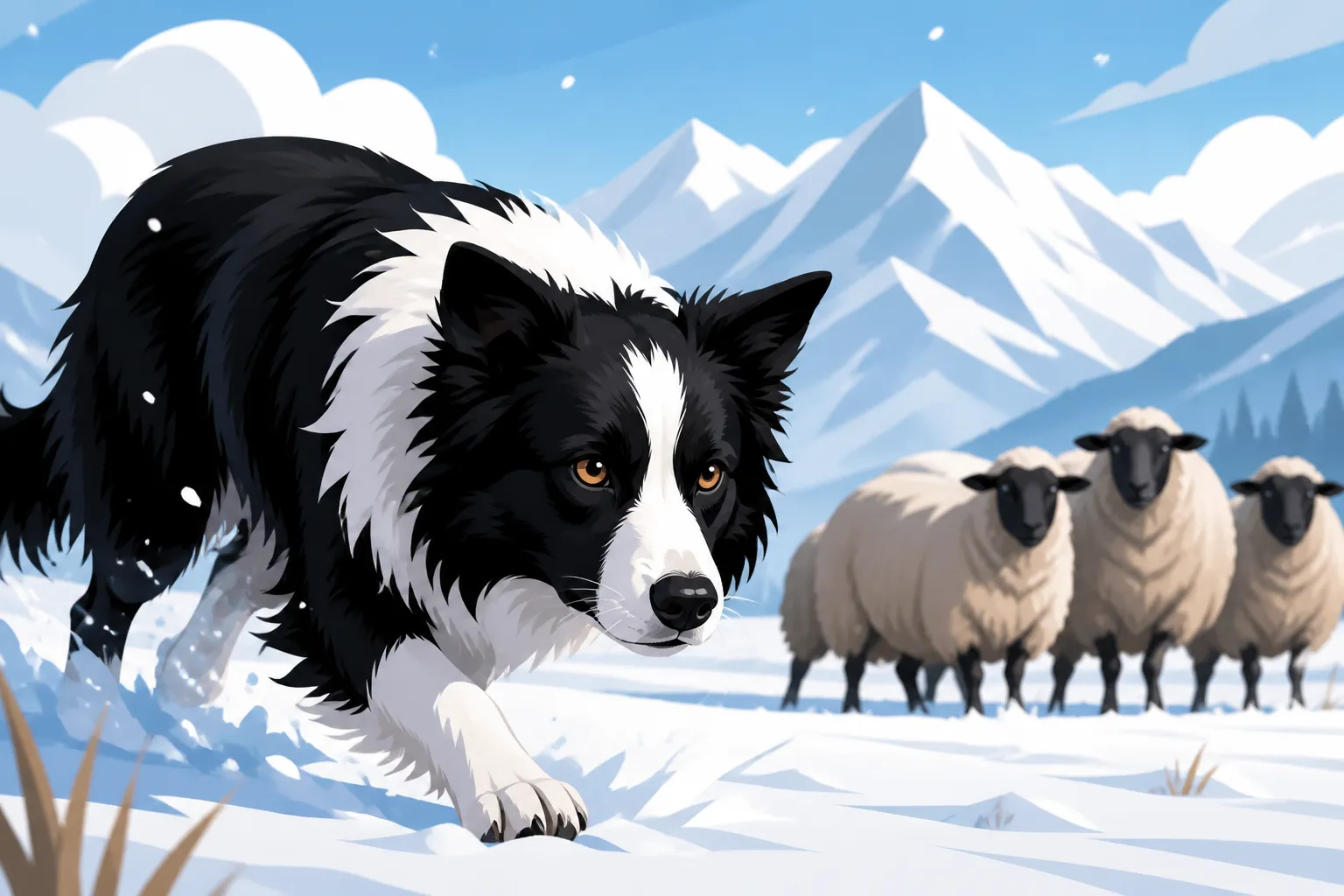
A Border Collie Working in Winter Conditions
Those crisp, invigorating winter mornings often feel amazing for us, but for Border Collie owners, the drop in temperature can bring a whole new set of worries about their highly active dogs. It's not just about bundling up; it's about understanding the unique challenges winter conditions pose to a working or sport-oriented Border Collie. This guide is here to walk you through how to keep your dedicated companion safe, healthy, and happy when the mercury drops, addressing everything from paw care to nutrition.
The Realities of Winter Work for a Border Collie
When snow blankets the fields and the air bites with a sharp chill, many assume a Border Collie's boundless energy will simply override any discomfort. While their drive is certainly incredible, it's crucial to remember that even the most resilient working dog has limits, and winter introduces a specific set of environmental stressors. You might be accustomed to them tearing across pastures or darting through agility courses in milder weather, but ice, deep snow, and frigid temperatures demand a careful adjustment to their routine and care. Ignoring these changes can lead to anything from minor discomfort to serious health complications, impacting their performance and overall well-being.
Adapting to Temperature Drops and Snowfall
The biggest shift, of course, is the temperature. Border Collies, with their double coats, are generally well-equipped for cooler weather. However, sustained exposure to truly bitter cold, especially when active, can still lead to issues like hypothermia if not managed properly. Beyond just the cold, snow itself presents a significant challenge. It alters traction, making fields slick and uneven, and deeper snow can become an intense physical workout in itself, even for a dog used to covering miles. Imagine trying to run through waist-deep powder – it's exhausting! Your Border Collie might not show it immediately because they're so focused on their task, but the energy expenditure increases dramatically.
It's tempting to think that a dog bred for hardy outdoor work is immune to these effects, but even the toughest Border Collie can succumb to the elements if their human isn't paying attention. A common frustration is when your dog seems fine, then suddenly starts shivering uncontrollably or becomes stiff after a session. This isn't just discomfort; it's a sign their body is working overtime to regulate temperature. Understanding these physiological demands is the first step in creating a safe winter plan.
Understanding Increased Energy Demands
Cold weather forces any warm-blooded animal to burn more calories simply to maintain its core body temperature. For a Border Collie, who is already a high-octane athlete, this means their energy demands can skyrocket. They're not just running; they're generating internal heat to stay warm, often against biting winds or while wading through snow. This isn't just extra fuel for running, but for basic survival. If their diet isn't adjusted, they can quickly dip into a caloric deficit, leading to weight loss, reduced stamina, and a compromised immune system.
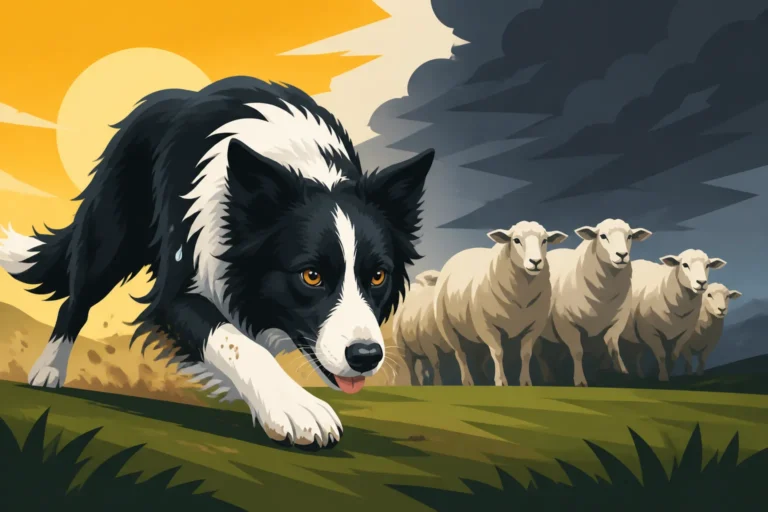
Furthermore, the type of work changes. Herding sheep through fresh snow, for instance, requires more brute strength and endurance than on dry ground. Agility dogs might find themselves having to jump higher or land more carefully on uncertain surfaces. This added physical exertion, combined with the caloric burn from cold exposure, means that a "normal" amount of food or exercise might actually be insufficient to meet their needs. It's a fine balance, because you don't want them overweight, but you absolutely need them to have enough fuel. The Calorie Load a Working Border Collie Burns delves deeper into these energy requirements.
Protecting Paws and Pads in Cold Weather
One of the most vulnerable parts of your Border Collie in winter is their feet. Their paw pads are constantly exposed to the elements, and while they are naturally tough, harsh winter conditions can be incredibly damaging. From abrasive ice and frozen ground to irritating salt and chemical de-icers, there's a lot out there that can cause pain, cracking, and even infection. A Border Collie's livelihood, whether working stock or excelling in dog sports, relies heavily on sound feet, so this area demands meticulous attention.
Preventing Ice Balls and Snow Accumulation
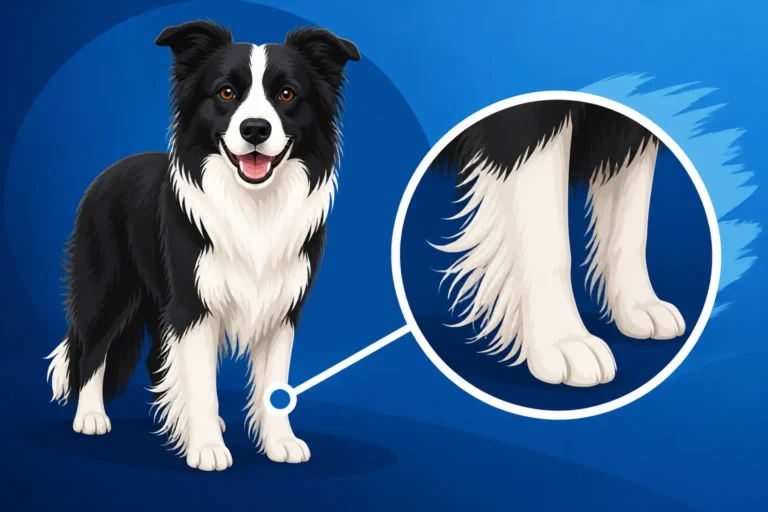
If you have a rough-coated Border Collie, you'll know the struggle: those beautiful feathered feet become magnets for snow and ice. As they run and work, snow packs between their paw pads and long fur, freezing into painful ice balls. These can act like little rocks, bruising the pads, causing splits, and making walking incredibly uncomfortable. For a dog that needs to make quick turns or maintain speed, this is a serious impediment.
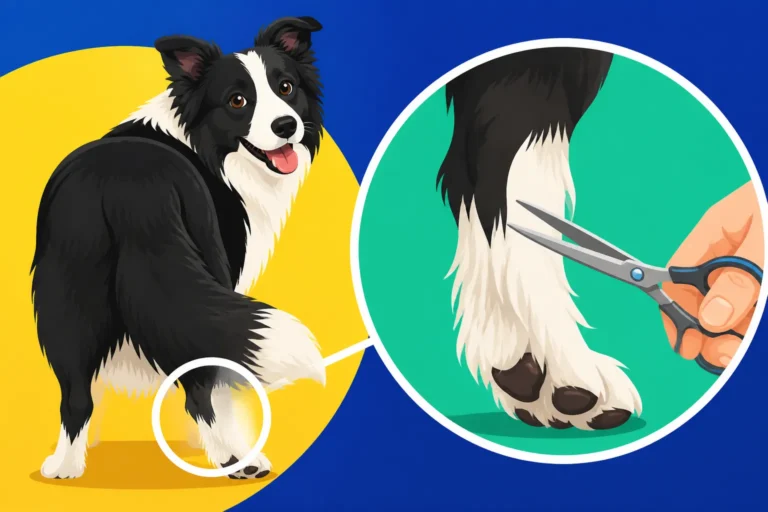
Trimming the hair between their paw pads is an absolute must. Keep it clipped flush with the pads year-round, but especially in winter. This minimizes the surface area where snow can collect and form those icy clumps. Another trick is to apply a protective balm or wax to their paw pads before heading out. Products like Musher's Secret create a barrier that helps prevent snow and ice from sticking, and you can easily find these on Chewy or Amazon. This simple step can make a huge difference in their comfort and willingness to work, allowing them to focus on the task at hand rather than painful feet.
Addressing Pad Damage and Chemical Exposure
Beyond ice balls, the sheer harshness of winter surfaces can damage your Border Collie's paw pads. Frozen ground is like sandpaper, and ice can be sharp. Then there's the cocktail of salts, anti-freeze, and other de-icing chemicals used on roads and sidewalks. These can be corrosive, leading to painful cracks, chemical burns, and irritation. When your dog licks their paws after being outside, they can also ingest these toxic substances.
Inspect your Border Collie's paws daily, especially after winter excursions. Look for redness, cracks, tenderness, or any signs of limping or discomfort. If you notice any damage, gently clean the area with warm water and apply a soothing, dog-safe balm. For walks where chemical de-icers are present, dog boots are an excellent solution. While some Border Collies might take a bit of convincing to wear them, they offer unbeatable protection from both physical abrasion and chemical exposure. If you live in an urban area or frequently walk on treated paths, boots are not a luxury; they're a necessity. Remember to check out Pad Damage on a Border Collie Working Stubble for more insights on maintaining healthy paws.
Managing Hydration and Nutrition in Winter
It's a common misconception that dogs need less water in winter because they're not panting as much from heat. The truth is, proper hydration and adjusted nutrition are just as, if not more, critical when your Border Collie is working hard in cold conditions. Their bodies are expending more energy to stay warm, and the dry winter air can actually accelerate dehydration, even if it's not immediately apparent. Overlooking these aspects can lead to a drop in performance, slower recovery, and even health issues.
Ensuring Adequate Hydration
Even though your Border Collie might not seem as thirsty as they do after a summer sprint, they're still losing moisture through respiration in the dry air, and if they're eating snow, it's not a reliable source of hydration. Often, the water they consume from snow is less than the energy their body expends to melt it. Access to fresh, unfrozen water is non-negotiable. If your dog works outdoors or spends significant time outside, invest in heated water bowls or ensure you're frequently replenishing their water with warm water to prevent it from freezing.
During breaks, offer small amounts of water frequently rather than letting them gulp down a large quantity at once, which can sometimes lead to an upset stomach or even bloat, though bloat is less common in Border Collies than some larger breeds. Bringing a thermos of warm water with you to the fields or trials is a smart move, as dogs are often more willing to drink slightly warmed water in cold weather. Dehydration can creep up quietly, impacting kidney function, circulation, and overall energy levels before you even realize it.
Adjusting Caloric Intake for Cold Weather
As discussed, your Border Collie is burning extra calories just to stay warm. If they are actively working or training in winter, their caloric needs will significantly increase. Think about it: a Border Collie tirelessly gathering sheep in a snowy pasture or performing complex agility sequences in biting wind is expending far more energy than one lounging by the fire. You need to adjust their food intake to match this increased energy expenditure.
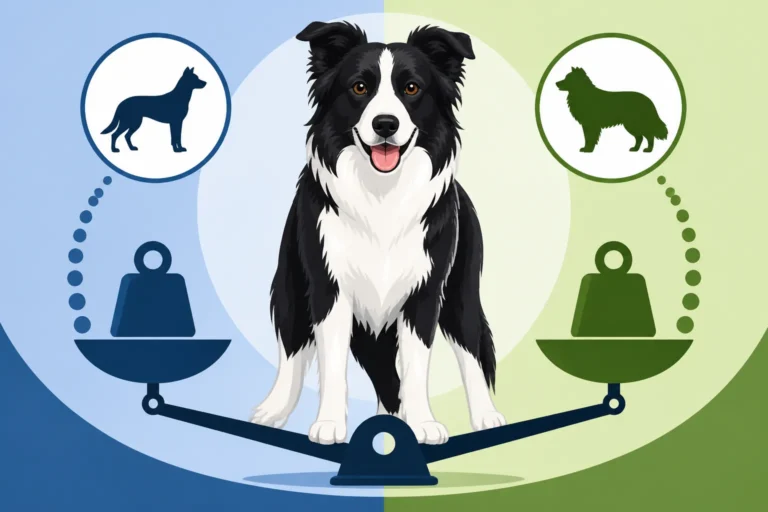
This isn't about making them fat; it's about providing the necessary fuel for their rigorous lifestyle and maintaining their ideal body condition. A good performance dog food, often higher in fat and protein, can be beneficial. Brands like Ollie often provide nutrient-dense, easily digestible options, and you can always consult with your vet or a canine nutritionist to tailor a plan. Monitor their weight and body condition closely – you should be able to easily feel their ribs but not see them prominently. If they start to look thin, it’s a clear sign you need to increase their food. Conversely, if they're putting on too much weight without working, you'll need to dial it back, as excess weight is detrimental to their joints and overall health. Feeding a Border Collie That Works Two Hours a Day can offer more insights into performance diets.
| Aspect | Summer Conditions | Winter Conditions |
|---|---|---|
| Hydration Focus | Preventing overheating, continuous access to cool water | Preventing dehydration in dry air, preventing freezing water |
| Caloric Needs | High, but primarily for activity | Very high, for activity and thermoregulation |
| Paw Care | Hot pavement, burrs, sharp debris | Ice balls, abrasive ice, salt, chemical de-icers |
| Coat Care | Shedding management, sun protection | Insulation, preventing snow/ice matting |
| Exercise Intensity | Often higher speeds, less resistance | Increased resistance from snow, risk of slips |
| Recovery | Cooling down, rehydration | Warming up, sustained warmth, proper nutrition |
Essential Gear and Safety Measures
Just as you wouldn your warmest coat and boots for winter work, your Border Collie can benefit from certain gear and safety precautions when the weather turns truly harsh. It's not about coddling them; it's about providing practical protection against the elements and ensuring their safety in potentially hazardous conditions. Thinking ahead and having the right equipment can prevent injuries, enhance comfort, and allow your dog to perform optimally without undue risk.
Investing in Protective Apparel
While a Border Collie's double coat provides excellent insulation, there are times when an extra layer is genuinely beneficial. For smooth-coated Border Collies, or any Border Collie that is older, very young, or has a lower body fat percentage, a dog coat can make a significant difference, especially during breaks or while waiting between runs. Look for coats that are waterproof or water-resistant, insulated, and allow for a full range of motion. They should fit snugly but not restrictively.
For paw protection, dog boots are invaluable, especially if your Border Collie will be on salted roads, sharp ice, or rough, frozen terrain. They come in various styles, from lightweight models for traction to more robust, insulated options for extreme cold. While some dogs resist boots at first, patient training and positive reinforcement can help them adapt. You can find a wide selection of coats and boots on platforms like Chewy or Amazon, allowing you to compare options and read reviews to find the best fit for your dog's specific needs.
Safe Transportation and Warm-Up/Cool-Down
Transporting your Border Collie in winter requires extra thought. If they're crated in the back of a truck or an unheated vehicle, ensure their crate is lined with warm bedding and consider a crate cover for added insulation. Never leave a dog in a cold vehicle for extended periods, especially if they are wet. Their core temperature can drop rapidly, leading to hypothermia. A Border Collie Left in a Vehicle at a Trial touches on the dangers of this practice.
Just like human athletes, Border Collies need proper warm-up and cool-down periods, which become even more critical in cold weather. Start with a brisk walk or light trot to get their muscles warm before engaging in intense work. Cold, stiff muscles are much more prone to injury. After work, allow them to cool down gradually. Avoid hosing them down with cold water immediately. Instead, towel them dry thoroughly, especially if they're wet, and put them in a warm, draft-free area, perhaps with a dog coat on. A warm bed or blanket for them to burrow into can help them recover and maintain their warmth.
Recognizing and Preventing Cold-Related Issues
Even with the best preparation, winter can still throw unexpected challenges your way. It's vital for Border Collie owners to be vigilant, understand the signs of cold-related distress, and know how to react promptly. Being able to spot trouble early can prevent a minor issue from escalating into a serious health emergency, ensuring your working companion stays safe and sound.
Spotting Hypothermia and Frostbite
Hypothermia occurs when your dog's body loses heat faster than it can produce it, leading to a dangerously low core body temperature. Signs include shivering (which may stop as it worsens), lethargy, weakness, cold skin to the touch (especially ears and paws), shallow breathing, and stiff muscles. In severe cases, they might collapse or become unresponsive. If you suspect hypothermia, immediately get your dog to a warm, dry place, wrap them in blankets, and if possible, use warm (not hot) water bottles wrapped in towels against their body. Seek veterinary attention immediately.
Frostbite is tissue damage caused by freezing. While Border Collies are less prone due to their fur, exposed areas like paw pads, ear tips, and tails are still vulnerable. Look for pale, grayish, or bluish skin that feels cold and hard. As the tissue thaws, it may become red, swollen, and painful, sometimes blistering. Do not rub the affected area; instead, gently warm it with lukewarm water (around body temperature). Again, prompt veterinary care is essential, as frostbite can lead to permanent tissue damage and infection.
Managing Joint Pain and Stiffness
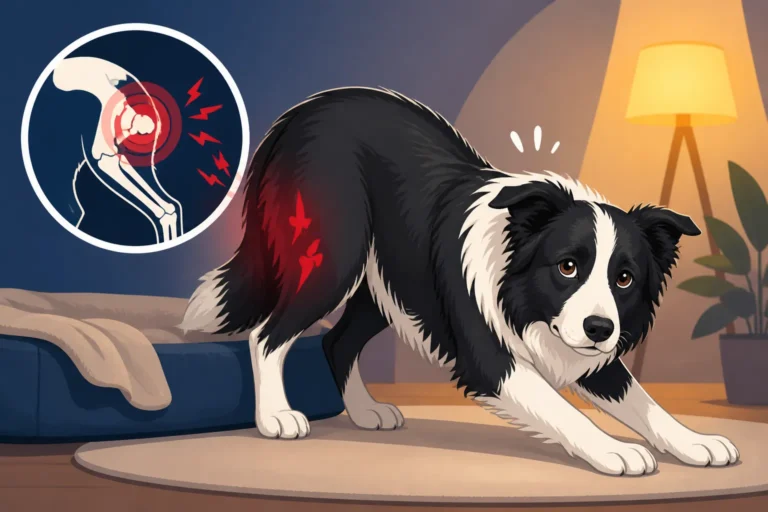
Cold weather can exacerbate existing joint issues like arthritis or hip and elbow dysplasia, common concerns in active breeds like Border Collies. Even healthy dogs might experience increased stiffness or soreness after working in the cold. It’s important to monitor for signs like reluctance to move, limping, difficulty getting up, or changes in gait. Osteoarthritis in a Border Collie by Eight explores these challenges in older dogs.
To help prevent and manage winter stiffness, maintain a consistent exercise routine (adjusted for conditions), ensure a warm place to rest, and consider joint supplements like glucosamine and chondroitin, which can be found at retailers such as Amazon or Chewy. Some veterinarians also recommend omega-3 fatty acids for their anti-inflammatory benefits. Regular, gentle massage after a cold-weather workout can also improve circulation and flexibility. Providing soft, warm bedding is crucial; don't make them sleep on cold floors, even if they usually prefer it in summer. An orthopedic bed can offer extra support and insulation.
Adjusting Training and Exercise Routines
It’s tempting to simply push through winter with the same intensity as other seasons, especially with a dog as driven as a Border Collie. However, adapting their training and exercise routines is paramount for their safety, long-term health, and mental well-being. The goal isn't to reduce their drive, but to channel it intelligently, mitigating risks while still providing the physical and mental stimulation they crave.
Balancing Outdoor and Indoor Activities
While your Border Collie absolutely needs outdoor time, winter might mean adjusting the amount and intensity of their outside work. On days with extreme cold, heavy snow, or freezing rain, consider shorter, more focused outdoor sessions combined with extended indoor activities. This could mean fewer hours on the sheep pasture and more time practicing obedience or trick training in the barn. For pet Border Collies, a long walk might be replaced with vigorous indoor games.
Mental stimulation is just as important as physical exertion for a Border Collie. Puzzle toys, scent work, and learning new tricks indoors can burn mental energy and prevent boredom, which often manifests as destructive behavior. Think about engaging them with interactive feeders or hiding treats around the house. These activities provide a great outlet for their intelligence when outdoor conditions aren't ideal. Mental Work That Tires a Border Collie Faster offers fantastic ideas for engaging their brilliant minds.
Recognizing Limits and Preventing Overexertion
A Border Collie's incredible drive can sometimes be their downfall in winter. They're so focused on their work or play that they may push themselves beyond safe limits, ignoring signs of fatigue or cold stress. It’s up to you, as their handler, to set those boundaries. Watch for subtle cues: a slight decrease in speed, less enthusiasm, a prolonged shiver during a break, or any signs of limping or stiffness.
Shorten working sessions on exceptionally cold days. Incorporate more frequent, shorter breaks, ensuring your dog has a chance to warm up and hydrate. If they're working sheep, don't ask for those extreme outruns or prolonged bursts of speed in deep snow. For agility dogs, reduce the number of repetitions on jumps or weave poles, focusing on precision rather than speed. Remember, it's better to end a session early and have a healthy, sound dog for tomorrow than to push too hard and risk injury or illness. Your Border Collie wants to please you, but they rely on you to make smart decisions for their health.
Disclaimer
This article is for general informational purposes only and does not constitute professional advice. Laws, prices and regulations vary by location and change over time. Consult a qualified professional for guidance on your specific situation.