The Border Collie That Keeps Working Past Its Limit
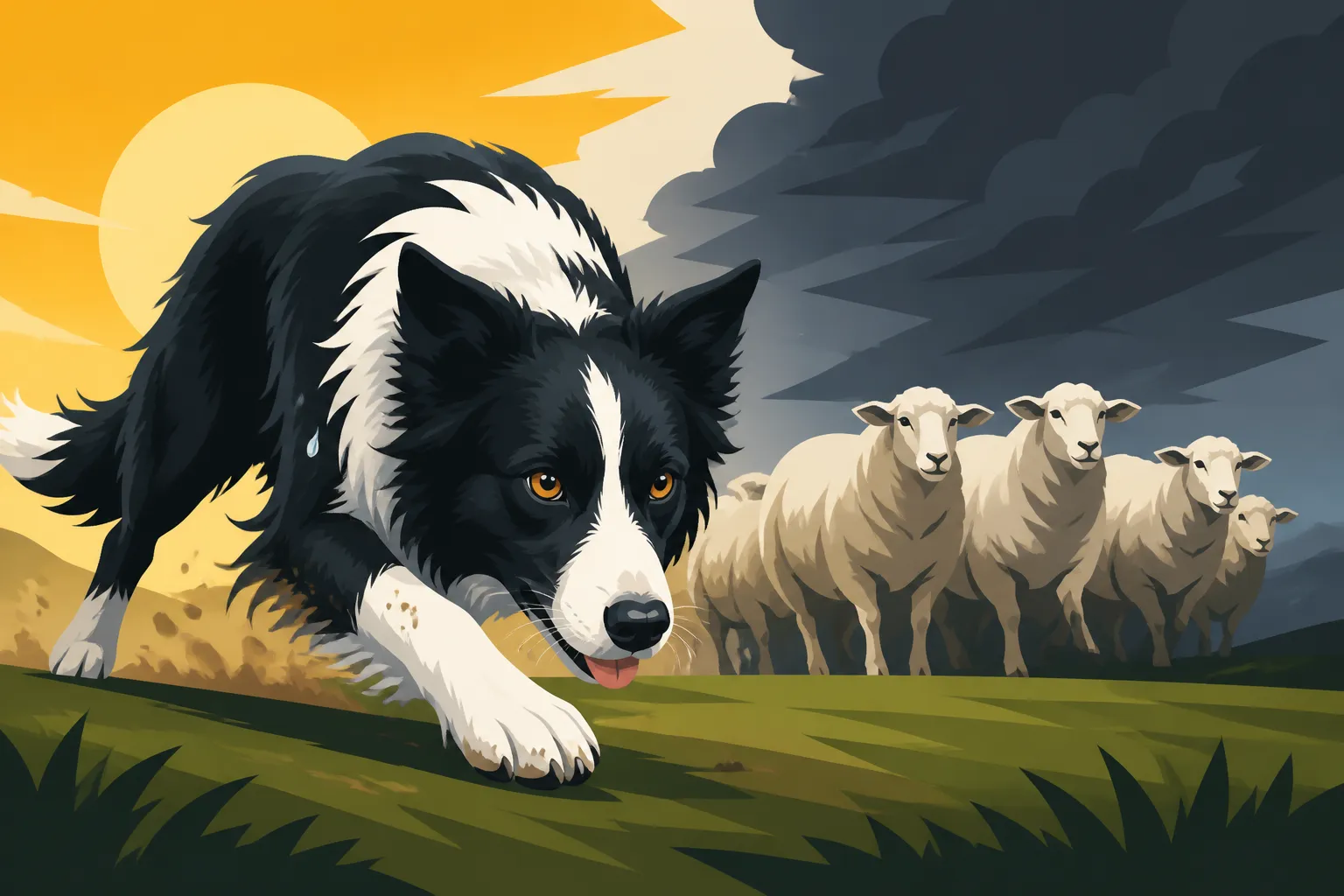
It’s a scenario many of us Border Collie owners know all too well: your dog is out in the field, eyes locked on the sheep, or tearing after a disc in the park, and they just don't seem to know when to quit. You see them panting heavily, maybe even stumbling a little, but the drive in their eyes is still burning bright, pushing them past what you know is their physical limit. This guide is here to help you understand why your Border Collie acts this way and, more importantly, how to recognize the critical signs that they’ve pushed too far, and how to intervene safely to protect their health.
Understanding the Border Collie's Relentless Drive
Border Collies are phenomenal athletes, thinkers, and partners, but their incredible work ethic is a double-edged sword. That intense focus and unwavering desire to complete a task, whether it's gathering sheep or retrieving a ball, is deeply ingrained in their DNA. This isn't just a strong will; it's a fundamental part of their being that can make them override their body's signals of fatigue or even pain.
The Instinct to Work Above All Else
When a Border Collie is "in the zone," whether it's herding stock or engaging in a high-energy sport like agility, their primary motivation is often the task itself. They are bred for endurance and relentless pursuit. This means that unlike many other breeds, or even humans, they might not register discomfort or exhaustion in the same way. Their mind says "keep going," even when their body is screaming "stop." This can be incredibly frustrating and frightening for owners who just want their beloved companion to be safe. It's not defiance; it's instinct.
Think about the traditional role of a Border Collie on a farm. A shepherd relies on their dog to bring in a flock, often over challenging terrain, in varying weather, and sometimes for hours on end. A dog that stops due to mild fatigue wouldn't have been selected for breeding. This historical pressure has created a dog with an almost superhuman ability to ignore physical warnings. This can make owning a Border Collie incredibly rewarding, but it places a significant responsibility on us, their human partners, to be their advocate and know when to call it a day, because they rarely will. This is a common theme discussed in Why a Border Collie Cannot Stop on Its Own.
The Adrenaline Factor and "Flow State"
Just like human athletes, Border Collies can enter a "flow state" where their concentration is so intense that they become oblivious to their surroundings and even their own physical state. During periods of high excitement and strenuous activity, their bodies release adrenaline and other hormones that can mask fatigue and discomfort. This is incredibly beneficial for performance in short bursts, but prolonged periods can be dangerous.
This adrenaline can make them feel invincible, leading them to push through early signs of overheating or muscle strain that would cause another dog to slow down or quit. It's why you might see your Border Collie, after a long, intense session, suddenly look completely drained once the activity stops and the adrenaline wears off. They can literally collapse from exhaustion once their mind is no longer occupied by the task. This is closely related to understanding Excitement as a Trigger for Border Collie Collapse.
Recognizing the Warning Signs of Overexertion
It's crucial for Border Collie owners to become adept at reading their dog's body language and subtle cues, as these are often the only indicators that your dog is pushing past its limit. Waiting for obvious signs of collapse or severe lameness means you've likely waited too long.
Subtle Behavioral Cues
Before a Border Collie shows overt physical distress, you might notice changes in their behavior or focus. These are often the earliest warnings that they are tiring and need a break.
- Decreased Focus or Obedience: A usually sharp Border Collie might start missing cues, taking longer to respond, or even ignoring commands they typically nail. Their incredible brain might be getting too tired to process information quickly.
- Slowing Pace or Hesitation: Even if they're still moving, watch for a slight decrease in speed, less enthusiasm for turns, or a moment of hesitation before engaging in the next part of the task. They might still be trying to comply, but their body is lagging.
- Loss of Enthusiasm for the Task: While rare for a Border Collie, a truly exhausted dog might show a momentary disinterest in the ball, the sheep, or the next obstacle. This is a huge red flag because their drive is usually paramount.
- Changes in Eye Contact: Their intense, focused "eye" might become less direct, or their gaze might seem a little glazed or unfocused. This is different from the deep, controlled stare they use for working stock. The Border Collie stare is usually a tool, but when over-tired, it can lose its intensity.
Overt Physical Symptoms
These are the more obvious signs that your Border Collie is in distress and requires immediate intervention. If you see these, stop the activity now.
- Excessive Panting and Drooling: While all dogs pant to cool down, panting that is rapid, shallow, and doesn't subside even during short breaks is a major concern. Heavy, ropy drooling can also indicate overheating and dehydration.
- Changes in Gait or Coordination: Look for any stumbling, wobbling, dragging feet, or an uncoordinated appearance. They might look like they're having trouble placing their paws correctly, or their hindquarters might seem weak. This can be a sign of extreme fatigue or even heat stress, similar to The Wobbling Gait a Collapsing Border Collie Shows.
- Bright Red Gums or Tongue: Healthy gums are typically pink. If your dog's gums and tongue appear bright red, it's a sign of overheating and potential heatstroke. In severe cases, they might also be very pale or bluish.
- Seeking Shade or Water Reluctantly: An overexerted dog might try to find shade or water, but they might do so with extreme sluggishness or appear disoriented. They may even be too tired to drink effectively.
- Vomiting or Diarrhea: These are serious signs of internal distress and can indicate heatstroke, severe dehydration, or other critical issues. Stop all activity and seek veterinary attention immediately.
To help differentiate between normal post-exertion signs and concerning ones, consider this table:
| Sign | Normal Post-Work | Overexertion / Distress |
|---|---|---|
| Panting | Deep, rhythmic, slows with rest | Rapid, shallow, persistent, uncontrolled |
| Drooling | Minor, occasional | Heavy, thick, ropy saliva |
| Energy Level | Still alert, happy to settle | Lethargic, reluctant to move, dull |
| Gait | Regular, perhaps a little stiff | Stumbling, weaving, dragging feet |
| Gum Color | Pink, moist | Bright red, very pale, or bluish |
| Focus | Attentive, easily redirects | Glazed, unfocused, ignoring commands |
| Body Temperature | Warm to the touch | Very hot, especially on belly/inner thighs |
| Recovery Time | Recovers quickly after rest | Takes a long time to return to normal |
Strategies to Prevent and Manage Overdoing It
Because your Border Collie isn't likely to stop on their own, it's your job to implement strategies that prevent them from pushing past their safe limits. This requires proactive planning and consistent management.
Controlled Exercise and Forced Breaks
One of the most effective strategies is to control the intensity and duration of their activities. This means you dictate when the activity starts, how long it lasts, and, most importantly, when it stops. Don't wait for your dog to show signs of exhaustion.
- Set Time Limits: For high-intensity activities like retrieve games or herding, set a timer. Five to ten minutes of intense work, followed by a mandatory 15-20 minute cool-down and rest period, can be far safer than one continuous half-hour session.
- Vary Activities: Don't just rely on endless rounds of fetch or one type of sport. Mix in mental stimulation, Scentwork for a Border Collie Between Trial Seasons, calm walks, and shorter training sessions. This engages different muscles and their brain without always pushing physical limits.
- Teach an "Off-Switch": Train a solid "That'll Do" or "Break" command that signals the end of work, with a calm reward. Practice this frequently even when they're not tired, so it becomes a well-understood cue. A reliable "off-switch" is critical for managing their drive. You can learn more in That'll Do and Ending a Border Collie's Work.
- Scheduled Rest: Incorporate mandated rest periods throughout the day, especially on busy trial or farm days. This might mean crating them in a quiet, cool spot, even if they'd prefer to be watching the action. A comfortable, secure crate can be ordered from retailers like Amazon for delivery to your home.
Hydration and Nutrition as Performance Tools
Proper hydration and nutrition are foundational to preventing overexertion and supporting recovery. Your Border Collie is an athlete, and their body needs to be fueled and hydrated accordingly.
- Constant Access to Fresh Water: Always have water available, especially during and after exercise. Consider carrying a portable water bottle and bowl with you on walks or to training sessions. Sometimes, adding a little low-sodium chicken broth can encourage drinking. You can find excellent portable water solutions and bowls on Chewy.
- Pre and Post-Activity Hydration: Encourage your dog to drink before and after strenuous activity. Small, frequent drinks are better than gulping down a large amount all at once, which can sometimes lead to an upset stomach. Learn more about How Much a Border Collie Drinks on a Working Day.
- High-Quality Diet: Feed a diet formulated for active dogs. Look for foods that provide sustained energy, with appropriate levels of protein and healthy fats. Some owners find that fresh, human-grade food options, like those offered by Ollie, provide excellent nutrition to support their dog's high energy demands and recovery. Discuss your dog's specific needs with your vet, especially if they are a working dog.
- Avoid Feeding Immediately Before/After Strenuous Exercise: To reduce the risk of digestive upset or bloat, avoid feeding a large meal within an hour before or after intense activity. Small, easily digestible snacks might be okay, but consult your vet.
Supporting Your Border Collie's Recovery and Long-Term Health
Even with the best preventative measures, sometimes your Border Collie will push themselves harder than ideal. Knowing how to support their recovery and maintain their overall health is vital for a long, happy working life.
Post-Exertion Care and Monitoring
After any intense activity, a proper cool-down and careful monitoring are essential. This isn't just about preventing immediate issues but also about preventing cumulative stress on their body.
- Active Cool-Down: Don't just stop cold. A gradual cool-down involving a slow walk for 5-10 minutes helps their heart rate return to normal and prevents blood pooling in the extremities.
- Cooling Strategies: Especially in warmer weather, help them cool down. This might involve dousing them with cool (not icy) water, using a cooling vest, or having them rest in a shaded, well-ventilated area. Never rely solely on panting to cool them. More tips on Cooling Coats and Vests for a Border Collie can be helpful.
- Thorough Physical Check: After a heavy session, give your Border Collie a quick once-over. Check their paws for cuts or thorns, feel their legs for any new lumps or tenderness, and look at their eyes and ears. Catching small issues early can prevent them from becoming bigger problems that might end their working life prematurely, a topic covered in What Ends a Border Collie's Working Life.
- Observe Recovery Time: Pay attention to how long it takes your dog to fully recover their normal energy levels and breathing. If they're still excessively panting or lethargic an hour after stopping activity, it's a sign they might have overdone it and need further rest or even veterinary attention.
Long-Term Joint and Muscle Health
The high impact and repetitive nature of a Border Collie's work can take a toll on their joints and muscles over time. Proactive care is key to extending their soundness.
- Joint Supplements: Many Border Collie owners find success with joint supplements containing ingredients like glucosamine, chondroitin, and MSM, especially as their dogs age or engage in high-impact sports. Fish oil is another popular choice for its anti-inflammatory properties and benefits for coat health. These can be purchased from reputable pet supply stores like Chewy or Amazon.
- Regular Veterinary Check-ups: Don't skip annual exams. Your vet can catch subtle signs of arthritis or other musculoskeletal issues before they become debilitating. They might also recommend specific tests like X-rays if they suspect an underlying problem.
- Appropriate Surface Training: While Border Collies love to run, try to vary their training surfaces. Too much hard pavement can be tough on joints, while too much uneven, soft ground can lead to strains. A balance is often best.
- Professional Bodywork: Consider regular massage, chiropractic, or physiotherapy sessions for a working Border Collie. Just like human athletes, they can benefit from professional care to keep their muscles loose, improve flexibility, and address minor imbalances before they cause injury. Physiotherapy Costs for a Sport Border Collie is a good resource to consider.
Remember, your Border Collie's boundless energy and dedication are incredible gifts, but they rely on you to be their intelligent, observant partner. By understanding their drive, recognizing the warning signs, and implementing smart management strategies, you can help them enjoy a long, healthy life doing what they love.
Disclaimer
This article is for general informational purposes only and does not constitute professional advice. Laws, prices and regulations vary by location and change over time. Consult a qualified professional for guidance on your specific situation.