Nail Length and How a Border Collie Turns
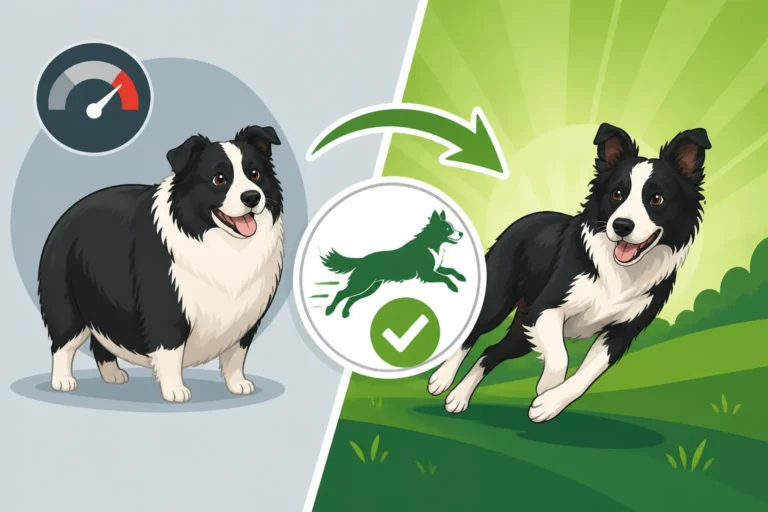
It's incredibly frustrating when you see your agile, athletic Border Collie suddenly hesitate on a turn, or worse, slip and splay out when they're usually so nimble. Often, the culprit isn't a joint issue or a lack of coordination, but something much simpler and easily overlooked: their nails. This guide will dive deep into how proper nail length is absolutely crucial for your Border Collie's ability to turn, pivot, and maintain their incredible athleticism without pain or injury.
Understanding Your Border Collie's Foot Mechanics
Our Border Collies are built for action, for quick bursts of speed, sudden stops, and intricate turns. Their feet are a marvel of natural engineering, designed to grip diverse terrains and absorb impact. But this sophisticated system relies on every component working in harmony, and that includes their nails.
The Anatomy of a Working Foot
Think of your Border Collie's paw. It's not just a collection of bones, but a complex structure of bones, tendons, ligaments, and muscle, all working together. The paw pads, those tough, leathery cushions, are the primary point of contact with the ground. They provide grip and shock absorption. Just behind those pads are the digits, or toes, each ending in a nail. In a wild canine, these nails would be naturally worn down by constant movement on rough surfaces. But our domestic dogs, especially those living on softer ground or carpet, don't get that natural wear and tear.
When a Border Collie is running or moving, their weight is distributed through their paw pads. The toes splay slightly, giving them a broader base of support. The nails, in an ideal state, should not make contact with the ground when the dog is standing naturally. They should be short enough to allow the pads to bear the full weight and provide maximum traction. This perfect balance is what enables them to perform those jaw-dropping turns and stops we admire so much, whether they're working sheep, flying over agility jumps, or simply playing fetch in the yard.
How Border Collies Turn and Pivot
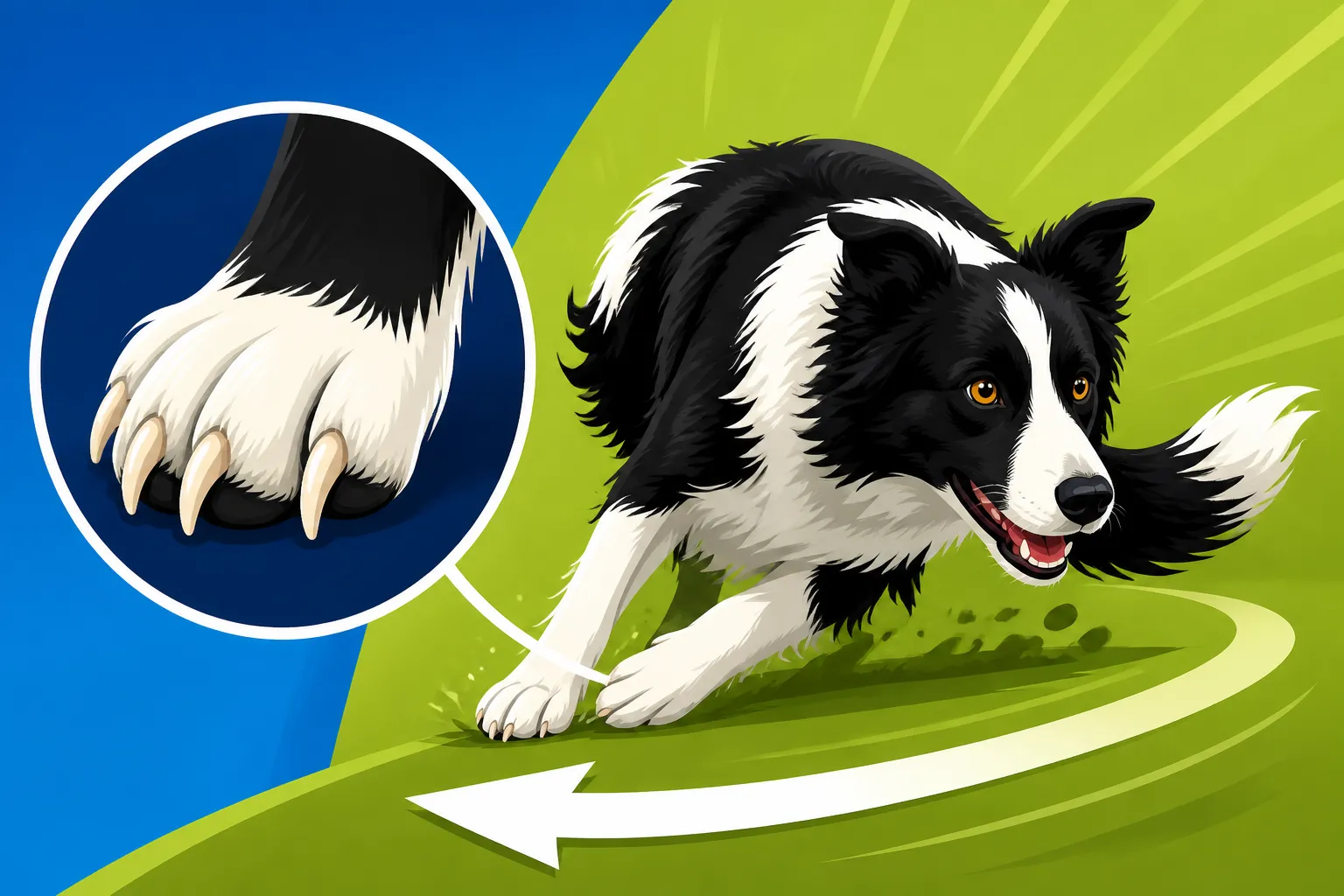
A Border Collie's turning ability is truly a sight to behold. It's a combination of incredible balance, powerful leg drive, and precise foot placement. When they execute a sharp turn, they lean into it, shifting their weight, and using their powerful hindquarters to propel themselves, while their front legs act as pivots and brakes. The toes splay out, the pads grip the ground, and the nails, if short enough, stay out of the way, allowing for optimal engagement of the paw.
Imagine them at a sheepdog trial, executing a perfect "come bye" or "away to me" command around the flock. They need instant response, no hesitation, no wasted motion. The same applies in agility, weaving through poles or rounding a jump. Every millisecond counts, and every ounce of traction is vital. If their nails are too long, this entire intricate dance is thrown off. Instead of gripping with their pads, they're effectively trying to turn on their nails, which are far less effective at providing purchase and can even act like small ice skates on hard surfaces. This not only makes them less efficient but significantly increases their risk of injury.
The Silent Threat: How Long Nails Undermine Performance
It’s easy to overlook nails. They seem so minor, right? But for a dog designed for high-impact, rapid movement like the Border Collie, overgrown nails are a silent, insidious threat to their health, comfort, and performance. This isn't just about aesthetics; it's about biomechanics.
Compromised Traction and Stability
When a Border Collie's nails are too long, they hit the ground before the paw pads do. This immediately reduces the dog's ability to grip. Think about trying to run and turn on roller skates versus bare feet. The skates, like long nails, lift you off the surface you need to engage with. Instead of the broad, textured paw pads making full contact and providing essential friction, the dog is balancing and pushing off the tips of their hard nails. This is especially problematic on slick surfaces like hardwood floors, tile, or even wet grass, leading to frustrating slips and slides.
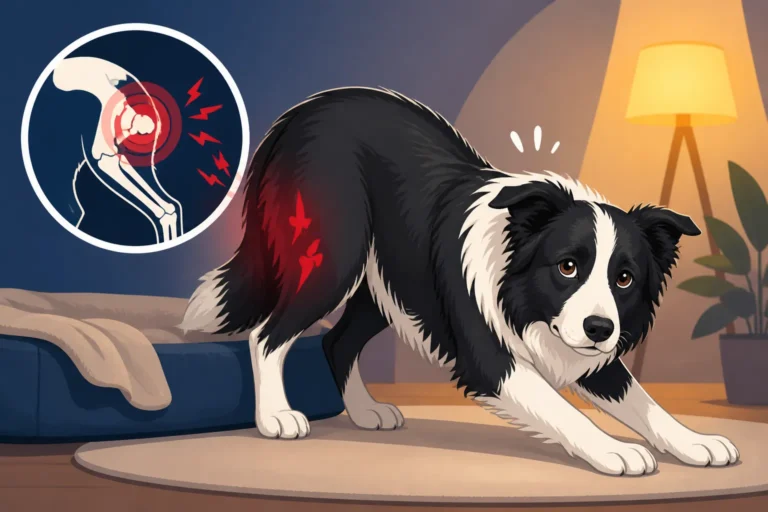
These slips aren't just minor inconveniences; they can cause a dog to lose confidence, hesitate during familiar movements, and ultimately lead to serious injury. A Border Collie needs to feel secure in their footing, whether they're navigating rough pasture, making a tight turn around an agility cone, or simply running through the house. When their traction is compromised, their natural agility is diminished, and their risk of muscle strains, sprains, or even more severe joint damage like Cruciate Tears in a Border Collie increases dramatically. It's a fundamental breakdown in their ability to perform their inherent duties or enjoy their favorite activities safely.
Altered Gait and Joint Strain
The impact of long nails extends far beyond just slipping. When the nails constantly push against the ground, they force the toes to splay out and, over time, can deform the structure of the paw. This also changes the angle at which the dog stands and moves. Instead of the paw being compact and strong, it becomes looser and splayed, putting unnatural stress on the toe joints. This is a subtle but profound change that can have ripple effects up the entire leg.
Imagine walking around in shoes that are too small, constantly pushing your toes back. You wouldn't walk normally, would you? The same applies to your Border Collie. To compensate for the discomfort and altered paw structure, they will unconsciously shift their weight and change their gait. This can lead to tension in the shoulders, back, and hips, as their body tries to find a more comfortable way to move. Over months and years, this continuous stress can contribute to the early onset of conditions like Osteoarthritis in a Border Collie by Eight or exacerbate existing joint issues, turning a perfectly preventable issue into a chronic health problem. It's a cascade effect, all starting with those seemingly innocuous long nails.
Impact on Speed and Precision
For a Border Collie, speed and precision aren't just traits; they're defining characteristics of the breed. Their entire purpose, whether on the farm or in the sport arena, relies on their ability to move rapidly and with incredible accuracy. Long nails can severely hamper both. When their paws can't get solid traction, every step requires more effort, reducing their overall speed. They can't accelerate as quickly, and they certainly can't decelerate or change direction with the lightning-fast reflexes they're known for.
Furthermore, precision suffers. A dog trying to compensate for poor footing will be less confident in their movements. They might take wider turns to avoid slipping, hesitate before jumping, or struggle with intricate maneuvers that require exact foot placement, like weaving poles in agility. This loss of precision can be the difference between a winning trial run and a disqualification, or between a perfectly gathered flock and a runaway sheep. More importantly, it impacts their joy and confidence in their work. A Border Collie thrives on being effective and efficient. When something as simple as nail length undermines that, it can be deeply frustrating for both dog and handler.
Spotting the Signs: Is Your Border Collie's Nail Length an Issue?
Sometimes, the signs that your Border Collie's nails are too long are glaringly obvious. Other times, they're subtle, almost imperceptible until you know exactly what to look for. Being proactive and regularly assessing your dog's nail length is key to preventing the cascade of issues we just discussed.
The "Clicking" Sound and Paw Splay
One of the most common and easiest indicators of overgrown nails is the sound your Border Collie makes when walking on hard surfaces. If you hear a distinct "click, click, click" as they move across your kitchen floor or sidewalk, it means their nails are making contact with the ground. As we discussed, ideally, only their paw pads should touch the surface when they are standing or walking. That clicking sound is essentially the nails acting as tiny stilts, lifting their pads off the ground and preventing proper traction.
Beyond the sound, observe their paws themselves. When your Border Collie is standing naturally, are their toes splayed out, rather than held compactly? Do their nails look long, extending past the paw pads even when they're not bearing weight? This splaying is another clear sign. The constant pressure from long nails pushing back into the quick forces the toes apart and can lead to structural changes over time. You might also notice calluses or sores forming on the pads, as the dog tries to compensate for the uncomfortable nail length by shifting their weight unnaturally. A quick check of their paws during your Checking a Border Collie Over After Field Work routine can often reveal these subtle changes before they become major problems.
Behavioral Clues and Reluctance
Sometimes, your Border Collie might not make a sound, but their behavior will tell you everything you need to know. Have you noticed them being more hesitant to jump onto furniture, into the car, or even up for a favorite treat? Are they avoiding certain types of flooring, preferring carpet or grass over tile? These could be subtle indicators of discomfort caused by long nails. The act of jumping or landing puts extra pressure on their toes and nails, and if they're too long, it can be painful or lead to a lack of confidence in their footing.
You might also observe a general reluctance to engage in activities they once loved. A Border Collie who suddenly seems less enthusiastic about a long run or a game of fetch might be experiencing discomfort, even if it's not overtly obvious. They might appear stiff after activity, or show signs of Stiffness in a Border Collie After a Long Day. Sometimes, they might even try to chew at their paws or nails, not just out of boredom, but because the pressure and discomfort are irritating them. Pay attention to these changes; your intelligent Border Collie is trying to communicate that something isn't quite right.
Mastering Nail Care for an Active Border Collie
Effective nail care is paramount for keeping your Border Collie comfortable and athletic. It's not a once-a-year affair, but an ongoing commitment that requires the right tools, technique, and a patient approach.
Choosing the Right Tools and Technique
When it comes to trimming your Border Collie's nails, you generally have two main choices: clippers or a grinder. Each has its pros and cons, and what works best often depends on your dog's temperament and your comfort level.
Nail Clippers:
There are two main types: scissor-style (often called Resco or guillotine-style) and scissor-grip (like plier-style). For Border Collies, who tend to have strong, dark nails, a good quality plier-style clipper with sharp blades is often recommended. Dull clippers can crush the nail rather than cut it cleanly, which is painful and can make the experience unpleasant for your dog.
| Tool Type | Pros | Cons | Best For |
|---|---|---|---|
| Clippers | Quick results if dog is cooperative | Risk of cutting the quick | Experienced handlers, quick trims on cooperative dogs |
| Grinders | Smoother finish, less risk of quicking (if careful) | Can be noisy, takes longer, dog acceptance varies | Nervous dogs, maintaining short nails, dark nails |
The technique with clippers involves taking off small amounts at a time. The nail consists of the hard outer shell and the "quick," which contains blood vessels and nerves. Cutting into the quick is painful and will make your dog incredibly reluctant for future trims. If your Border Collie has dark nails, it can be notoriously difficult to see the quick. A good rule of thumb is to clip off just the very tip, or until you see a small grey or pink dot appear in the center of the cut surface – this indicates you're getting close to the quick.
Nail Grinders:
These electric tools use a rotating abrasive to file down the nail. Many owners find grinders less intimidating than clippers, especially if they have a dog with dark nails. The filing process is slower, allowing you to gradually shorten the nail without the sudden impact of a clip. This reduces the risk of cutting the quick significantly. Brands like Dremel are popular choices for their reliability and range of speeds. You can find various types of nail grinders on platforms like Amazon or Chewy, making it easy to compare features and read reviews.
The technique with a grinder involves holding the paw firmly and grinding each nail for a few seconds at a time. Be sure to keep the grinder moving to prevent heat buildup, which can be uncomfortable for your dog. Again, aim to get the nail short enough so it doesn't touch the ground, but don't overdo it. The goal is to gradually recede the quick over time by consistent, short trims.
Making Nail Trims a Stress-Free Routine
Many Border Collies, with their keen intelligence and sensitivity, can develop a strong aversion to nail trims if done incorrectly or if they've had a bad experience. The key is consistency, positive reinforcement, and starting early.
If you have a puppy, start handling their paws and nails frequently from a young age. Touch each toe, press on the pads, and gently tap their nails with the clippers or turn on the grinder nearby (without touching them yet). Pair these experiences with high-value treats and praise. The goal is to desensitize them to the process.
For adult Border Collies who are already wary, you'll need a more structured approach. Break the process down into tiny, manageable steps. On day one, maybe just touch their paw. Reward. Day two, touch a paw and show them the clippers. Reward. Day three, briefly touch the clippers to one nail without actually cutting. Reward. Gradually build up to actual trimming, taking breaks often and always ending on a positive note, even if you only manage one nail. This might take days or even weeks, but patience is crucial. Never force your dog or scold them; this will only worsen their fear. For many dogs, a high-value chew toy or a lick mat covered in peanut butter can be a fantastic distraction during the process. Some people find that using a soft muzzle can help keep everyone safe during the initial phases of desensitization, but it's important to introduce that positively too, never just strap it on. You can also explore options like a grooming hammock or a professional groomer if you find yourself truly struggling, as an experienced professional can often work wonders.
Consistency is vital. Aim for a quick trim or grind every 1-2 weeks. This frequent, small amount of work is far less stressful than a major overhaul every few months. Regularity also helps the quick recede over time, allowing you to gradually get the nails shorter and shorter without pain. Remember, a stress-free nail trimming routine contributes significantly to your Border Collie's overall well-being and their ability to stay sound and active for years. Nail Grinders and a Border Collie That Hates Restraint delves deeper into specific strategies for dogs with an aversion to nail trims.
Beyond the Trim: Holistic Foot Health
Nail trimming is a cornerstone of foot health, but it's part of a larger picture. A truly holistic approach considers everything from external protection to internal nutrition to ensure your Border Collie's paws are in top working order.
Protective Measures and Paw Care
Our Border Collies are constantly using their feet, often on challenging surfaces. Protecting their paw pads is just as important as maintaining nail length. During winter months, especially in areas where salt and de-icers are used, paw balm can create a protective barrier. These substances can be incredibly irritating and even toxic if ingested when your dog licks their paws. Similarly, in hot summer weather, pavement can reach scorching temperatures that will burn delicate paw pads. A quick test: if it's too hot for your bare hand, it's too hot for their paws. Consider walking during cooler parts of the day or investing in paw boots for extreme conditions.
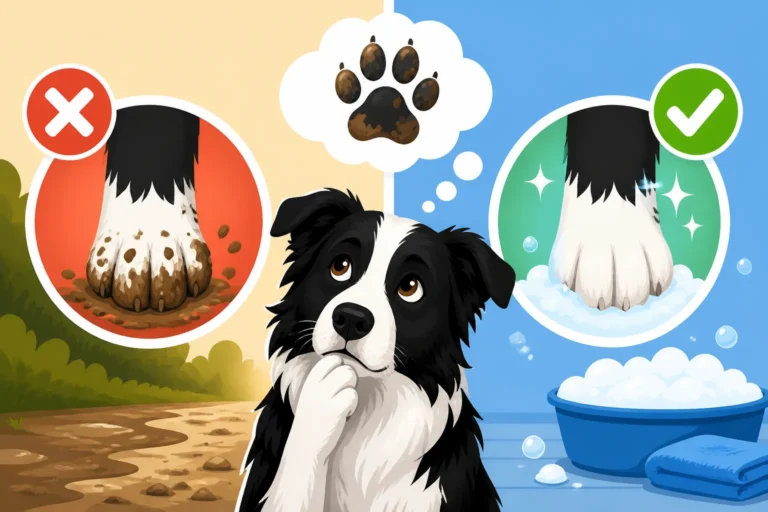
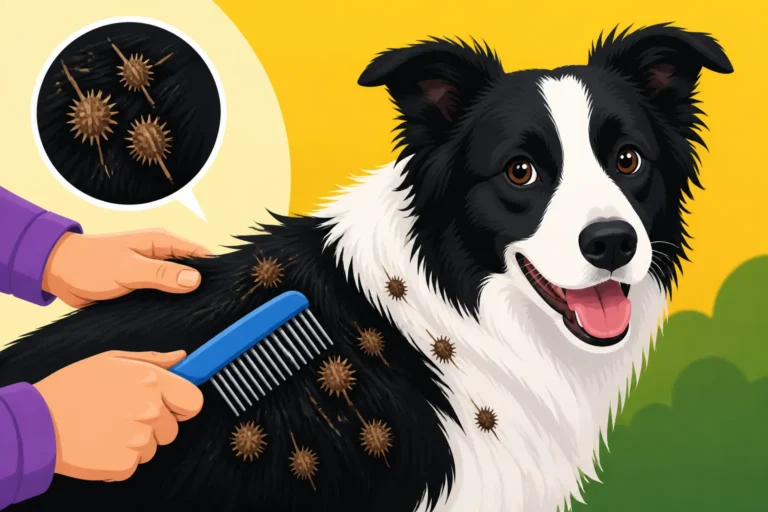
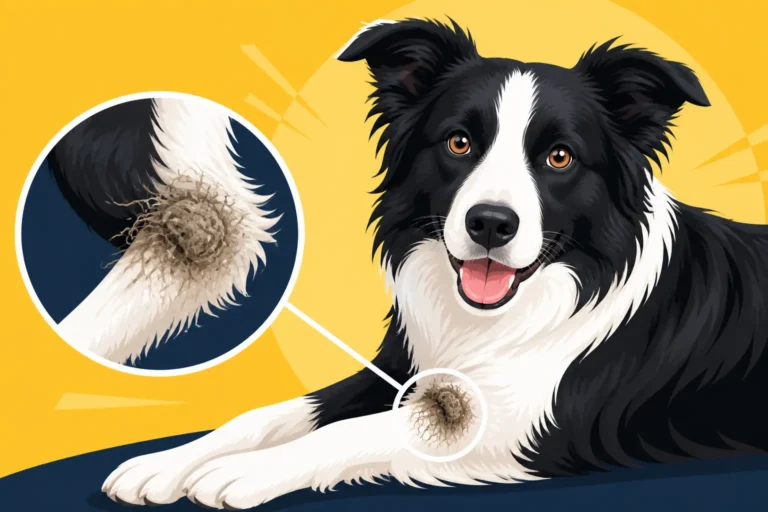
For working dogs or those involved in sports, paw conditioners can help keep pads supple and less prone to cracking. Products often contain ingredients like beeswax, shea butter, or vitamin E. Applying these regularly can make a big difference in the resilience of their feet, especially if they are frequently running on abrasive surfaces like gravel, concrete, or stubble fields. After a long day out, always inspect their paws for cuts, scrapes, or embedded debris like grass seeds. Border Collies with feathered feet are particularly prone to getting foreign objects lodged between their toes. Toe and Pad Injuries on a Working Border Collie offers more specific advice on handling common paw injuries.
Nutrition and Joint Support
While nail care is physical, the overall health of your Border Collie's feet is also influenced by their diet. A balanced, high-quality diet provides the essential nutrients for strong nails, healthy skin, and robust joint health. Look for foods rich in omega fatty acids, which are crucial for skin and coat health, and can also contribute to reducing inflammation throughout the body, including in the joints. Many reputable dog food brands, including those found on Chewy or specifically formulated options like Ollie, offer recipes designed to support active dogs with these beneficial ingredients.
Beyond their regular diet, some owners choose to add supplements to support joint health, especially as their Border Collie ages or if they participate in high-impact sports like agility. Ingredients like glucosamine, chondroitin, and MSM are common in joint supplements and are believed to help maintain cartilage and joint fluid. While supplements aren't a magic bullet, they can be a valuable part of a comprehensive care plan. Discuss any supplement regimen with your veterinarian, particularly if your Border Collie is already on medication or has existing health conditions. Supporting strong joints and resilient connective tissues through nutrition helps your Border Collie absorb impact and recover from the strenuous demands of their active lifestyle, which directly contributes to their ability to turn and pivot effectively without discomfort. Joint Supplements for a Border Collie Doing Agility explores this topic in more detail.
Consequences of Neglected Nail Care
Ignoring your Border Collie's nail length isn't just a minor oversight; it has significant, often painful, consequences that can severely impact their quality of life and athletic career. These aren't just theoretical risks; they are common issues seen in dogs whose foot care has fallen by the wayside.
Acute Injuries and Chronic Pain
The most immediate risk of overgrown nails is acute injury. When nails are too long, they can easily get snagged on carpet, upholstery, or rough terrain. This can lead to a painful tearing or avulsion of the nail, where it's ripped partially or completely off the toe. Not only is this extremely painful, causing immediate lameness and bleeding, but it also creates an open wound susceptible to infection. These injuries often require veterinary attention, including pain medication, antibiotics, and sometimes even sedation to properly clean and bandage the paw.
Beyond these sudden traumatic events, chronically long nails contribute to ongoing, low-grade pain. The constant pressure on the toe joints from nails pushing back into the quick creates discomfort with every step. Imagine constantly having a pebble in your shoe. This chronic pain isn't always obvious; your stoic Border Collie might just become a little less enthusiastic, a little slower, or slightly grumpier. Over time, this discomfort can lead to inflammation in the joints, setting the stage for more serious orthopedic issues. The body is an interconnected system, and pain in the toes will inevitably affect the way the entire leg, and even the spine, functions.
Behavioral and Psychological Impact
A Border Collie thrives on being active and engaged. When they are constantly in discomfort from long nails, it's not just a physical problem; it's a psychological one too. Dogs who are experiencing pain or instability on their feet may become reluctant to play, run, or even interact as they once did. Their natural drive and joy can be visibly diminished. They might start to associate certain activities or even certain surfaces with pain, leading to avoidance behaviors.
A once-confident agility dog might start knocking bars or refusing weaves because they no longer trust their footing. A working dog might become less effective on stock because they're hesitant to make sharp turns or sudden stops. This can be incredibly frustrating for both the dog and their handler, leading to misinterpretations of the dog's behavior. Instead of assuming your Border Collie is being stubborn or losing their drive, consider if a simple, preventable physical discomfort like long nails might be contributing to their change in attitude. A dog in pain cannot perform their best, nor can they truly enjoy their life to the fullest. Prioritizing nail length is a fundamental act of kindness and a commitment to your Border Collie's overall well-being, both physically and emotionally.
Disclaimer
This article is for general informational purposes only and does not constitute professional advice. Laws, prices and regulations vary by location and change over time. Consult a qualified professional for guidance on your specific situation.