Combing Sticky Seed Heads Out of a Border Collie
Oh, the joy of a Border Collie romping through a field, tail wagging, ears flying… and then the horror of discovering a multitude of tiny, barbed invaders nestled deep within their beautiful coat. If you’ve ever spent an hour on your hands and knees with a fine-toothed comb, battling sticky seed heads that seem determined to become one with your dog's fur, you know the frustration. It’s not just about aesthetics; these innocent-looking seeds can cause serious irritation, skin infections, and even painful matting if left unchecked. This guide is here to walk you through the daunting task of effectively and gently removing those stubborn seed heads, and more importantly, how to minimize their unwelcome visits in the first place.
The Persistent Problem of Seed Heads in Border Collie Coats
Border Collies are magnificent, active dogs, built for covering ground and working outdoors. This very nature, combined with their dense, often feathered coats, makes them exceptionally prone to picking up every kind of botanical hitchhiker imaginable. From burrs to foxtails, sticky willy to beggar's lice, these plant seeds are engineered by nature to latch on and spread, and your Border Collie's coat is an ideal transport system.
The Border Collie Coat: A Magnet for Nature
Whether you have a rough-coated Border Collie with its glorious long feathering on the legs, belly, and tail, or a smooth-coated variety with a denser, shorter double coat, both are prime targets for seed heads. The rough coat, with its longer guard hairs and soft, thick undercoat, acts like a natural Velcro, catching everything that brushes against it. Those beautiful "trousers" on their hind legs and the luxuriant tail feathering, which are so characteristic of the breed, are especially vulnerable. Imagine a hundred tiny grappling hooks finding purchase in that soft fur – that’s precisely what’s happening with certain seed types. Even the smooth coat, while seemingly less susceptible, still possesses a thick undercoat and often has some feathering, particularly around the ears, chest, and tail, that can become a haven for these botanical nuisances. The fine hairs on their ears are also notorious for snagging things.
The density of a Border Collie’s double coat means that these seeds don't just sit on the surface. They can quickly work their way down, becoming embedded close to the skin. This deep penetration makes them incredibly difficult to remove and exponentially increases the risk of skin irritation and infection. It's a design perfect for insulation and protection in harsh working conditions, but not so great for keeping out thorny intruders.
Common Hiding Spots and Dangers
Seed heads have a knack for finding the most sensitive and hard-to-reach places on your Border Collie. You might spot the obvious clumps on their outer coat, but it's the hidden ones that often cause the most trouble.
Common Seed Head Hotspots:
- Paws and Between Toes: This is perhaps the most critical area. Foxtails, in particular, are infamous for burrowing into the soft webbing between a dog’s toes, or even directly into the paw pads. Once embedded, they can migrate internally, causing abscesses, severe lameness, and requiring veterinary intervention. You might notice your Border Collie constantly licking or chewing their paws, or even limping slightly. This is often the first sign something is amiss. Grass Seeds in a Border Collie's Feet is a common problem to contend with, and sticky seed heads only add to the discomfort.
- Ears: The long hair on and around a Border Collie’s ears is another prime collection point. Certain seeds, especially those with barbed awns, can work their way into the ear canal. This can lead to painful ear infections, head shaking, scratching, and if left untreated, serious damage to the eardrum. Always check under the flaps, inside the ear opening, and the long hair trailing from the ears. Mats Behind a Rough Border Collie's Ears often start with a few innocent-looking burrs.
- Armpits and Groin: These areas have thin, sensitive skin and are areas of high friction during movement. Seeds here can quickly cause chafing, redness, and painful rashes. Because they are often overlooked during a quick brush, seeds can fester here for a longer time.
- Tail Feathering and "Trousers": The long, flowing hair on a Border Collie’s tail and hind legs is a magnet for all sorts of debris. These areas can become a tangled mess of seeds and matted fur, making combing a painful experience for your dog and a frustrating one for you. Burrs Caught in a Border Collie's Tail can be particularly tricky to remove without pulling.
- Underbelly and Chest: For Border Collies that love to roll or run through tall grasses, the softer hair on their belly and chest can accumulate a surprising number of seeds.
Beyond the immediate discomfort, the dangers of embedded seed heads are significant. They can cause skin inflammation, allergic reactions, and provide entry points for bacteria, leading to painful skin infections and abscesses. In severe cases, particularly with foxtails, they can even travel internally, reaching lungs, spinal cords, or other organs, posing life-threatening risks. So, this isn’t just about keeping your dog pretty; it's about safeguarding their health.
Essential Strategies for Preventing Seed Head Entanglement
Prevention is truly better than cure when it comes to seed heads. While you can't completely eliminate the risk for an active Border Collie, you can significantly reduce the amount of time you spend untangling and the discomfort your dog endures. It takes vigilance and a consistent routine.
Regular Grooming as a First Line of Defense
A well-maintained coat is your Border Collie's best defense against seed heads. Regular, thorough grooming helps to remove loose hair, prevents mats from forming, and makes it harder for seeds to get a firm grip. It also means you’re more likely to spot any intruders before they become deeply embedded.
Daily Brushing: This might sound like a lot, especially for a working dog, but even a quick five-minute brush-down after every outdoor excursion can make a huge difference. Focus on those prime target areas: paws, ears, armpits, and feathering. Use a slicker brush to get through the topcoat and a de-shedding rake or comb to reach the undercoat. A good metal comb with both wide and fine teeth is invaluable for checking specific areas. This regular routine not only removes surface seeds but also helps to condition the coat and distribute natural oils, making it smoother and less likely to snag. Investing in quality grooming tools from a reputable online retailer like Chewy can make this daily task much more efficient and comfortable for both you and your dog. For a detailed guide on maintaining their beautiful fur, check out Grooming a Rough-Coated Border Collie or The Smooth-Coated Border Collie and What Its Coat Needs, depending on your dog's specific coat type.
Routine Baths and Conditioning: While not a daily affair, regular bathing with a good quality dog shampoo and conditioner can help keep the coat healthy and manageable. Conditioner, in particular, can make the coat smoother and more slippery, making it harder for seeds to adhere and easier for them to be brushed out. Just be sure to rinse thoroughly to avoid skin irritation. Follow up with a thorough drying, especially for rough-coated dogs, to prevent matting and hot spots.
Protective Gear and Environmental Management
Sometimes, brushing isn't enough, especially if your Border Collie spends significant time in areas known for dense seed head populations. That's where protective measures and smart management come in.
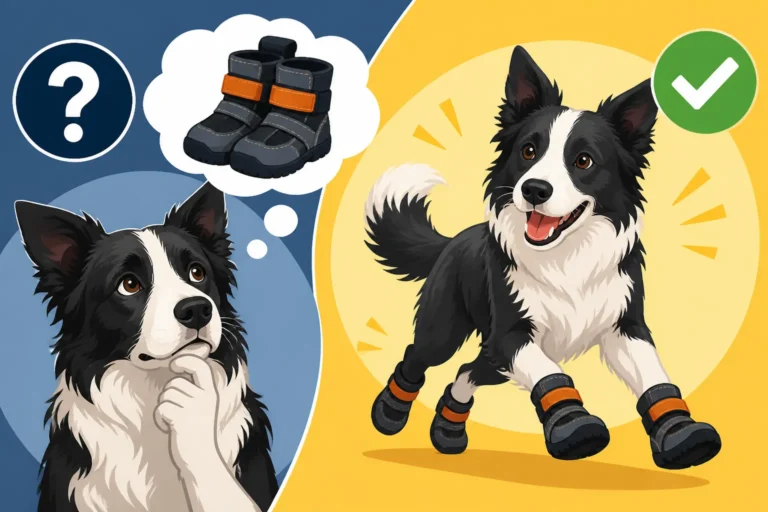
Protective Vests and Boots: For working dogs or those who regularly hike through tall grasses, brambles, or fields of ripe seed pods, specialized protective gear can be a game-changer. Lightweight dog vests or shirts can cover the chest and belly, while dog boots can protect delicate paw pads and the spaces between toes from thorny seeds and abrasive ground. It takes some getting used to for your dog, but it's far less uncomfortable than an embedded foxtail. Look for breathable fabrics and ensure a proper fit to prevent chafing. You can find a wide variety of these products on platforms like Amazon, often with user reviews that can help guide your purchase.
Managing Your Environment: If you have control over the areas your Border Collie frequents, a bit of yard maintenance can drastically reduce the seed head problem.
- Mowing: Keep your grass and weeds mowed short, especially in areas where your dog plays or exercises. This removes the seed-bearing tops of many plants before they become a problem.
- Pathways: Create clear pathways through fields or wooded areas to minimize your dog's direct contact with dense vegetation.
- Post-Walk Checks: Make it a habit to perform a quick "pat-down" and visual inspection every time your Border Collie comes in from outside. Focus on their underside, legs, tail, and ears. This quick scan can catch most seeds before they have a chance to work their way deeper into the coat. Think of it as your daily post-work ritual, just like you might take off your boots before coming inside.
Your Step-by-Step Guide to Safely Removing Seed Heads
Okay, the inevitable has happened, and your Border Collie has come in looking like a walking botanical garden. Don't panic! With patience, the right tools, and a gentle approach, you can get those sticky seed heads out without causing your dog undue stress or pain.
Gathering Your Tools
Before you even touch your dog, gather everything you'll need. This prevents you from having to stop mid-process and leaves your hands free.
Essential Toolkit:
- Good lighting: A well-lit area is crucial for spotting every last seed.
- Slicker brush: Excellent for general detangling and removing superficial seeds.
- Metal comb (fine-toothed and wide-toothed): Indispensable for working through mats and small, deeply embedded seeds. A good quality greyhound comb is often recommended.
- De-matting rake/tool: For tougher mats that have formed around multiple seeds. Use with extreme caution.
- Blunt-tipped scissors or electric clippers (small, quiet ones): For cutting out stubborn mats, only as a last resort.
- Detangling spray or coat conditioner: Helps to lubricate the hair, making seeds easier to slide out.
- Treats: Lots of them! Make this a positive experience for your dog.
- Towel: For comforting your dog or for wiping off any debris.
- Veterinary antiseptic spray: For any red or irritated skin you might uncover.
- Magnifying glass (optional): For tiny, almost invisible seeds like foxtails, especially around sensitive areas.
Having these tools ready means you can work efficiently and keep your dog's attention, or at least their patience, for longer.
Gentle Detangling Techniques
The key here is patience and gentleness. Rushing will only cause pain, damage the coat, and make your dog resistant to future grooming sessions.
- Start with the least affected areas: Begin where the seeds are sparse and easy to remove. This helps your dog get used to the process and builds their tolerance before you tackle the more difficult spots. Use your fingers first to gently pull apart large clumps of seeds and loose fur.
- Apply detangling spray: Liberally spray the affected area with a detangling spray or a light coat conditioner. Let it sit for a minute or two to soften the fur and make it more slippery. This is often available at pet stores or online at places like Chewy.
- Work in small sections: Isolate a small section of fur around the seed head. Hold the fur at the base near the skin to prevent pulling on the skin as you comb.
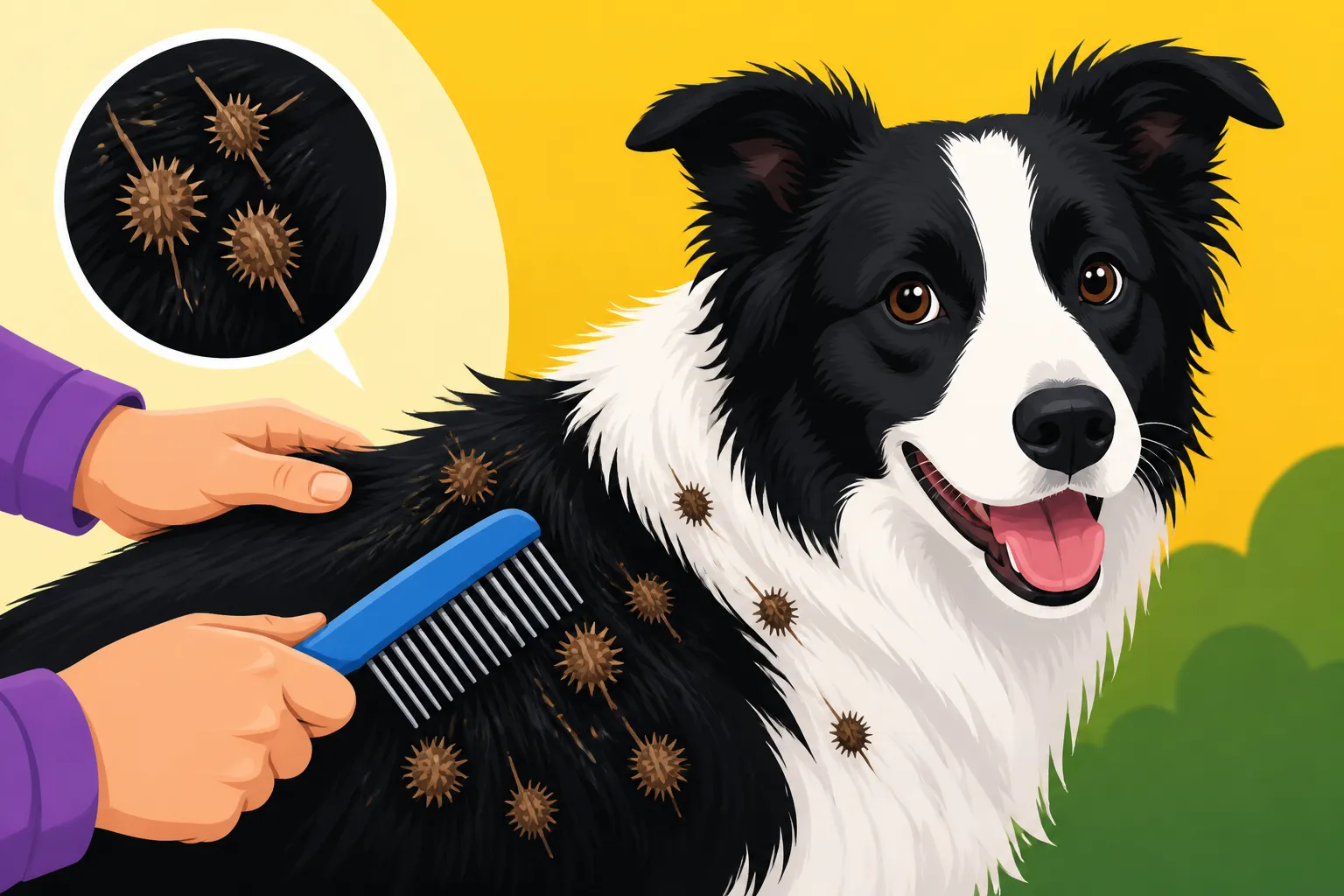
- Use the comb: Start with the wide-toothed side of your metal comb. Begin at the very tips of the hair and gently work your way down, inch by inch. Do not try to pull the comb straight through a clump of seeds. Instead, use a "picking" motion, gently teasing the seeds out of the hair. Once the wider teeth can pass through, switch to the finer-toothed side for a more thorough job.
- Be mindful of sensitive areas: When working around the ears, paws, and underbelly, be extra gentle. These areas are more sensitive, and your dog might be more prone to flinching or pulling away. For sensitive spots like Feathering on a Border Collie's Front Legs or around their delicate pads, take your time.
- Praise and treat: Throughout the process, offer continuous praise and frequent small, high-value treats. Associate the grooming session with positive reinforcement. This is especially important for future cooperativeness.
Dealing with Stubborn Mats and Embedded Seeds
Sometimes, a seed head isn't just stuck; it's become the nucleus of a dense, painful mat. This requires a slightly different approach.
- Assess the mat: Gently feel the mat. Is it loose or tight against the skin? Can you see skin underneath, or is it a solid lump of fur and seeds?
- Detangling tools for mats: If the mat isn't too tight, try using a de-matting rake. These tools have specially designed blades that can cut through mats with minimal pulling. Again, work from the outside in, holding the fur closest to the skin. Take small sections and go slowly. Never pull hard.
- The last resort: Clipping or Cutting: If a mat is too tight, too painful, or too deeply embedded with seeds to comb out, sometimes the only humane option is to carefully cut or clip it out.
- Scissors: If using scissors, always choose blunt-tipped grooming scissors. Crucially, slide a comb between the mat and your dog's skin before you cut. This protects the skin from accidental nicks. Cut above the comb, parallel to the skin. Never cut into a mat if you can't see precisely what you're cutting.
- Clippers: Small, quiet electric clippers with a fine blade can be very effective for shaving out tight mats close to the skin. Again, be incredibly careful to avoid "clipper burn" or cutting the skin, which can be thin and easily stretched within a mat. This is often the safest option for very tight mats, as it eliminates the risk of accidentally cutting skin with scissors.
- Remember, this is a last resort. The goal is always to preserve as much of the coat as possible.
Once you’ve removed the bulk of the seeds and any associated mats, give the entire area another gentle comb-through with the fine-toothed comb to ensure nothing was missed. For particularly insidious seeds like foxtails, especially if you suspect they’ve penetrated the skin, a trip to the vet is absolutely necessary. Don't try to dig them out yourself, as you could push them deeper.
Post-Removal Care and Long-Term Coat Health
You've successfully waged war on the seed heads, and your Border Collie is (mostly) free of botanical burdens. But the job isn't quite done. Post-removal care and ongoing strategies are vital for preventing future issues and ensuring your dog's skin and coat remain healthy.
Soothing Skin and Checking for Irritation
After a thorough de-seeding session, especially if it involved some tugging or if mats were present, your Border Collie's skin might be a little tender, red, or irritated.
- Inspect the Skin: Carefully part the fur and examine the skin in the areas where the seeds were concentrated. Look for any redness, swelling, nicks, scratches, or small bumps.
- Soothe and Protect: If you find any mild irritation, a pet-safe soothing spray or ointment (often containing aloe vera or colloidal oatmeal) can provide relief. These are widely available at pet stores or online. For deeper cuts, persistent redness, or signs of infection (like pus, heat, or increased sensitivity), contact your vet immediately. These could be signs of something more serious, like a foxtail continuing to burrow. Understanding your Border Collie's general skin health is key, as conditions like Sensitive Skin in a Border Collie can make them more prone to irritation.
- Monitor: Keep an eye on the treated areas over the next few days. Watch for excessive licking, chewing, or any new signs of discomfort, which might indicate a missed seed or developing infection.
Daily Routines and Seasonal Awareness
Maintaining a consistent routine and being aware of seasonal changes will significantly reduce your struggles with seed heads in the long run.
- Establish a "Seed Patrol" Routine: Make it a habit. Every time your Border Collie comes in from a field or wooded area, perform a quick, yet thorough, inspection. Focus on those high-risk areas: paws, armpits, ears, and tail. A quick pat-down and run-through with a comb can catch most seeds before they embed. For working dogs, this is as crucial as checking them over for Sport Injuries a Border Collie Picks Up after a strenuous day.
- Seasonal Vigilance: Seed head problems are often seasonal. In many regions, late spring and summer are prime times for various grasses and weeds to produce their prolific, sticky seeds. During these months, you'll need to be extra diligent with your grooming and inspections. As autumn approaches, other types of burrs and larger seeds become prevalent. Knowing your local flora and its seeding times can give you a significant advantage.
- Professional Grooming: Consider periodic professional grooming, especially if your Border Collie has a particularly dense coat or if you find yourself overwhelmed. Professional groomers have specialized tools and experience in dealing with challenging coats and can often spot issues you might miss. They can also offer advice on specific products and techniques for your dog's coat type.
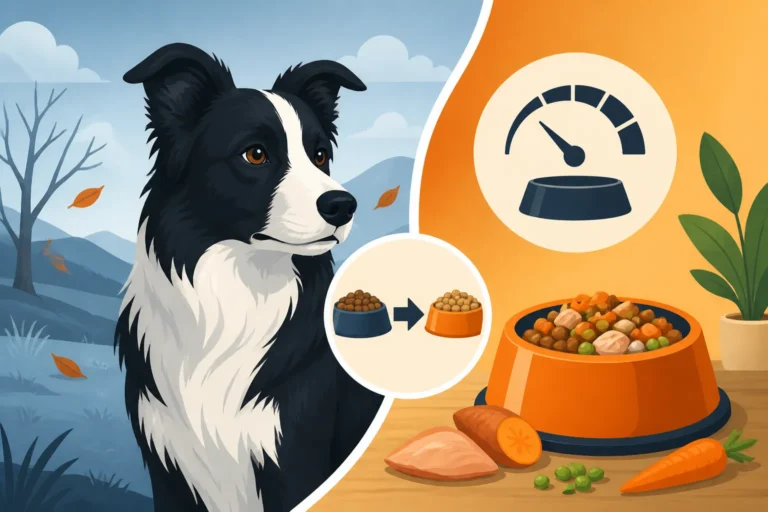
- Diet and Coat Health: While not directly preventing seeds, a healthy diet supports a robust coat, which can be more resilient and easier to groom. High-quality dog foods, potentially supplemented with omega fatty acids, contribute to skin and coat health. While brands like Ollie focus on fresh nutrition, the general principle of good food leading to a healthy coat holds true. A well-nourished coat often sheds less, reducing the amount of dead hair that can trap seeds.
- Regular Vet Check-ups: Your annual vet visit is a good time to discuss any persistent coat or skin issues. Your vet can provide advice, prescribe appropriate treatments for skin irritations, and help you identify any underlying problems. A thorough The Annual Exam a Border Collie Needs includes a full physical check that will involve coat and skin assessment.
Dealing with sticky seed heads is a common challenge for Border Collie owners, but with a proactive approach, the right tools, and a consistent grooming routine, you can keep your dog comfortable, healthy, and looking their best. It's an ongoing commitment, but one that is well worth it for the health and happiness of your beloved companion.
Disclaimer
This article is for general informational purposes only and does not constitute professional advice. Laws, prices and regulations vary by location and change over time. Consult a qualified professional for guidance on your specific situation.