Nail Grinders and a Border Collie That Hates Restraint
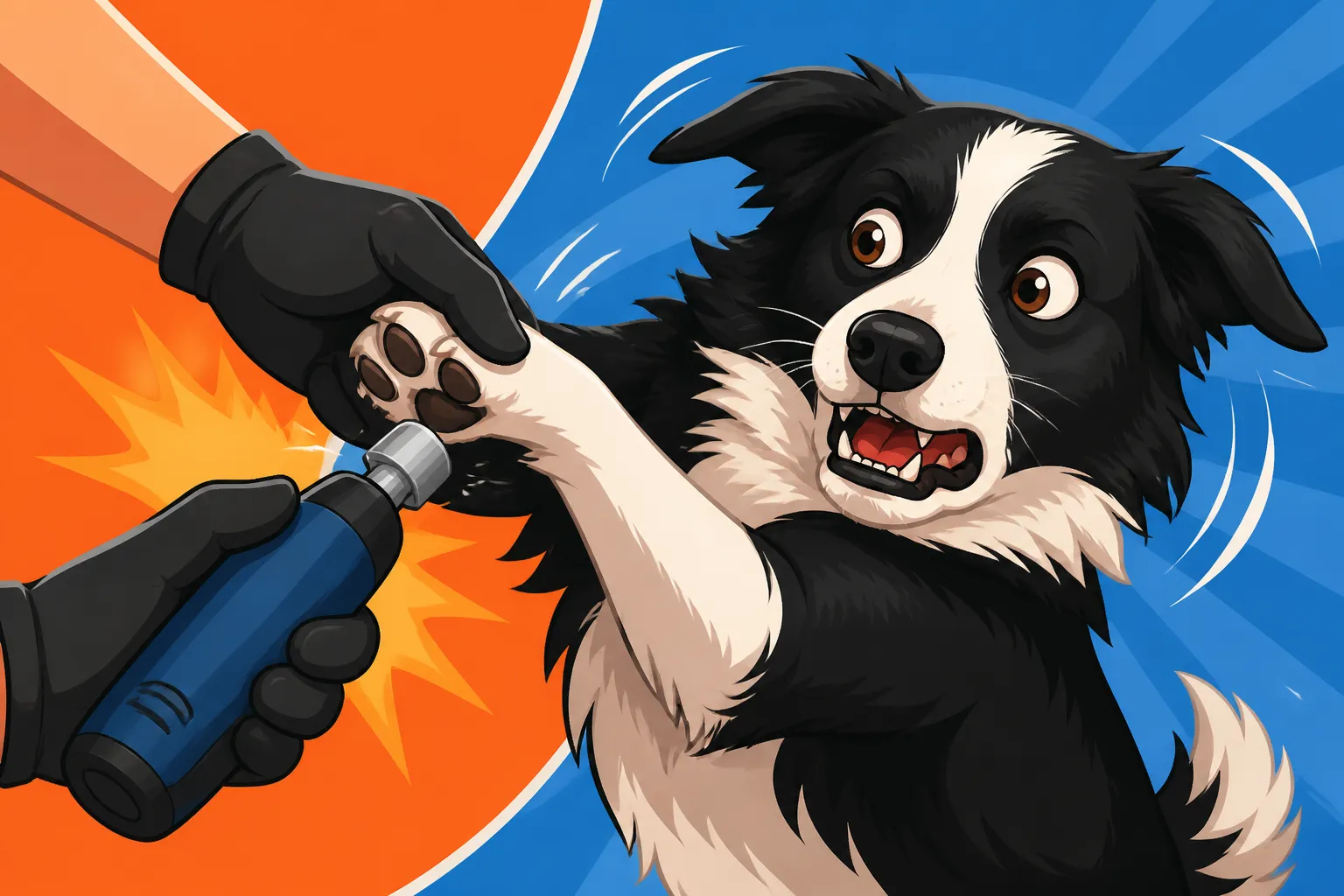
We all know the struggle: you look down at your Border Collie's paws and see those nails getting just a little too long, clicking on the floor. The moment you even think about clippers, your otherwise cooperative, brilliant dog suddenly transforms into a squirming, terrified bundle of nerves, making nail trims a stressful wrestling match for everyone involved. This guide will walk you through why traditional clippers often fail with our sensitive, smart Border Collies and introduce you to the calmer, more gradual world of nail grinders, offering a patient, step-by-step approach to make nail care less of a battle and more of a bonding experience.
Why Traditional Nail Clipping Can Be a Battle with a Border Collie
Let's be honest, Border Collies are not like other dogs when it comes to things they don't enjoy. Their intelligence, their sensitivity, and that deep-seated instinct to control their environment can make even routine care a challenging endeavor. Nail trimming with traditional clippers often triggers a perfect storm of these traits, leading to stress for both dog and owner.
The Border Collie's Natural Aversion to Restraint and Novel Sensations
Our Border Collies are thinkers, aren't they? They're always processing, always observing, always trying to understand the world around them. This incredible mental capacity, while fantastic for training and work, can become a hurdle when you're trying to do something as simple as trim their nails. For many Border Collies, physical restraint, even if it's gentle, feels like a direct challenge to their autonomy. They thrive on knowing what's expected and being in control, and suddenly being held still while a strange, sharp object approaches their sensitive paws can be genuinely alarming.
Think about it from their perspective. They're usually given jobs to do, space to move, and their boundaries are clearly defined. Then, out of nowhere, they're being held down, their paws are being manipulated in an unnatural way, and something cold and metallic is squeezing their toes. It’s a sensory overload that combines a loss of control with an unusual, sometimes uncomfortable, physical sensation. This isn't naughtiness; it's often a genuine response to feeling vulnerable and confused. Plus, their paws are incredibly important tools for their work – running, turning, gripping – so any interference with them can feel particularly invasive.
The Dreaded "Quick" and Past Bad Experiences
Ah, the quick. Every dog owner knows the quick, and for Border Collie owners, it's often the source of so much anxiety. The quick is the blood vessel and nerve that runs down the center of each nail. Cut into it, and you'll get a yelp, a bleed, and a whole lot of dramatic retreat. For a breed as intelligent and sensitive as the Border Collie, one bad experience with a clipped quick can set back your nail care routine by months, if not permanently.
They have long memories, our Border Collies. If they associate the clippers with pain or even just significant discomfort, they'll remember it. And they'll actively avoid it. That initial pain isn't just a fleeting moment; it creates a powerful negative association that can trigger fear and anxiety the very next time the clippers come out. It doesn't matter how careful you are after that first incident; your dog will have learned that clippers = pain. This can escalate into a full-blown phobia, where they might struggle, pull away, or even snap out of fear. It's not aggression; it's a desperate attempt to avoid what they perceive as danger. Many owners have been there, watching their beloved dog tremble or fight simply because of a pair of nail clippers. It's heartbreaking, and it makes you dread nail day just as much as they do.
Introducing the Nail Grinder: A Different Approach
So, if clippers are often a no-go, what’s the alternative? Enter the nail grinder. This tool, often resembling a small Dremel or other rotary tool, offers a fundamentally different way to approach nail care, and for many Border Collies, it can be a game-changer once they've been properly introduced.
How Nail Grinders Work and Their Benefits for Sensitive Dogs
Instead of the abrupt, sharp snap of clippers, a nail grinder gently files down the nail using a rotating abrasive head. Think of it like a tiny, gentle sander for their nails. You remove small layers of the nail at a time, giving you far more control and significantly reducing the risk of hitting the quick accidentally.
For sensitive dogs like Border Collies, this gradual reduction offers several key benefits. First, there's no sudden pressure or squeezing sensation on the nail, which many dogs find uncomfortable even if the quick isn't cut. Second, because you're working in small increments, you can stop as soon as you see the first hint of the quick (which often appears as a small, dark dot in the center of the nail), preventing pain and bleeding. This means the experience is much less likely to be traumatic. Finally, grinders leave a smoother, rounded edge on the nail, which is often more comfortable for the dog and less likely to snag or scratch floors and furniture. For a working Border Collie, smooth nails are less prone to chipping or breaking during active work. You can find a wide variety of these tools, from battery-operated, quiet models to more powerful corded versions, on sites like Chewy and Amazon, each with different noise levels and grinding strengths.
Initial Challenges: Noise, Vibration, and Patience
Now, let's be realistic: a nail grinder isn't a magic wand that instantly makes your Border Collie love nail trims. It presents its own set of challenges, namely the noise and the vibration. Many dogs, especially those with sensitive hearing or who are wary of new sensations, can be put off by the whirring sound and the buzzing feeling it creates.
The key here, as with so much of Border Collie training, is immense patience and a meticulous desensitization process. You can't just flip it on and go for their nails. That will likely lead to the same fear and struggle you experienced with clippers, just with a different tool. It’s crucial to understand that overcoming a fear of clippers doesn't automatically mean embracing a grinder. You're introducing a new object, with new sounds and new feelings, and your Border Collie will need time and positive reinforcement to accept it. This isn't a race; it's a marathon. You're building trust and positive associations from the ground up, and that takes consistent, gentle effort. Just remember, your Border Collie is smart enough to pick up on your anxiety too, so a calm, confident approach from you is half the battle.
Step-by-Step: Desensitizing Your Border Collie to the Nail Grinder
Successfully introducing a nail grinder to a Border Collie that hates restraint is all about slow, positive desensitization. You're not just getting them used to the tool; you're rebuilding trust and teaching them that nail care can be a calm, rewarding experience.
The "No Pressure" Approach: Introducing the Tool Slowly
This isn't a one-and-done process. It’s about tiny, incremental steps, each paired with high-value rewards. Remember, the goal is to make your Border Collie choose to tolerate the grinder, rather than forcing them to.
- Introduce the Grinder (Off): Start by simply having the grinder visible in the room. Let your Border Collie sniff it, investigate it, without it being turned on. Offer them a high-value treat (something truly irresistible, maybe some cooked chicken or a special soft treat from Ollie) whenever they show curiosity or even just ignore it. Keep sessions super short – just a minute or two. The grinder is just there.
- Sound Association (Away): Once they're comfortable with its presence, turn the grinder on, but do so far away from your dog, in another room even. Let them hear the sound. As soon as you turn it on, offer a treat. Turn it off, stop treats. Repeat this several times. The idea is: grinder sound = yummy treat. Gradually, over days or even weeks, bring the grinder closer while it's running, always pairing the sound with treats. You want to gauge their comfort level; if they tense up, you've moved too fast.
- Vibration Association (Off, then On): With the grinder off, gently touch it to one of their paws (not a nail, maybe the top of their foot or a pad) for a fleeting second. Treat. Repeat this, focusing on making the touch pleasant and non-threatening. Once they're okay with this, try the same thing with the grinder on, but just briefly touch it to their fur on their leg, or even your own hand, so they can feel the vibration without it being directly on their nail. Treat immediately.
- Touching a Nail (Off, then On): Now, with the grinder still off, gently touch the grinder head to one nail. Just a touch, then remove. Treat. Repeat with other nails. When they are consistently calm with this, try the same thing with the grinder on, but for only a fraction of a second on one nail. Literally, tap-and-remove. Treat! Make it so brief that they barely notice it, but the treat is immediate. This is where patience truly comes into play. You might only do one or two nails per session, or even just one single tap, before calling it quits on a high note.
Consistency is key, but so is knowing when to stop. Always end the session before your Border Collie gets stressed. Leave them wanting more treats, not relieved it's over.
Making Each Session a Positive Experience
Every single interaction with the nail grinder needs to be drenched in positivity. Border Collies respond incredibly well to clear communication, routine, and a sense of partnership.
- Choose Your Environment Wisely: Find a quiet, comfortable spot where your Border Collie feels safe and there are no distractions. For some, this might be on your lap, for others, it might be on a mat on the floor, or even on a sturdy grooming table if they're used to it. The key is to avoid places where they've had bad experiences before.
- High-Value Rewards Are Non-Negotiable: I can't stress this enough. Forget the dry kibble. You need something that will make them forget their apprehension. Soft, smelly treats like cheese, peanut butter (xylitol-free!), bits of hot dog, or those delicious freeze-dried treats you can grab from Chewy are perfect. You can even smear a tiny bit of peanut butter on a LickiMat for a longer distraction while you work.
- Keep Sessions Short and Sweet: Seriously, short. Five minutes is a long session when you're starting out. Two minutes of calm exposure followed by a jackpot of treats and playtime is far more effective than trying to wrestle through all twenty nails in one go. You’re building positive associations, not just trimming nails.
- Read Their Body Language: This is crucial for a Border Collie. Are their ears slightly back? Are they lip-licking? Yawning excessively? Turning their head away? These are all signs of stress. If you see them, stop immediately. You've pushed too far. Retreat, reassure, and end the session. Try again later, taking a smaller step back.
- Verbal Praise and Gentle Affection: Coupled with treats, your calm, encouraging voice makes a huge difference. "Good job! Such a brave dog!" in a happy tone, along with gentle scratches in their favorite spots, reinforces the positive experience. Avoid overly enthusiastic or tense language, as they will pick up on your stress.
| Feature | Traditional Nail Clippers | Nail Grinders (e.g., rotary tool-style) |
|---|---|---|
| Action | Shear/cut the nail off quickly | Abrade/file the nail down gradually |
| Sound | Loud "snap" or click | Whirring, buzzing sound |
| Sensation | Squeezing, abrupt pressure, then sharp cut | Gentle vibration, gradual removal of nail material |
| Risk of Quick | Higher, especially with dark nails | Lower due to gradual removal, easier to stop |
| Nail Finish | Can leave sharp edges, potential for splitting | Smooth, rounded edges |
| Speed | Potentially faster for compliant dogs | Slower per nail, but less stressful overall |
| Dog's Perception | Often perceived as sudden, painful, invasive | Can be perceived as less threatening after training |
| Learning Curve | Requires precision to avoid quick | Requires desensitization to sound/vibration |
Tips for Success and Maintaining Healthy Nails
Once you've made some progress with desensitization, keeping up the routine and ensuring your Border Collie's comfort and nail health becomes the next priority. Remember, a well-cared-for paw contributes significantly to The Border Collie That Stays Sound Into Its Teens!
Positioning for Comfort and Safety
How you position your Border Collie during a nail grinding session can make a world of difference. It’s about creating a sense of security and stability, not restraint.
- Lap or Couch Cuddles: For smaller Border Collies or those who are extremely bonded with their human, simply having them lie in your lap while you gently hold a paw can be effective. This puts them in a familiar, comforting position.
- Floor Work: Many find it easiest to have their Border Collie lie down on their side on a comfortable mat on the floor. You can sit beside them, gently cradling their paw. This allows them to feel grounded and secure. Getting a Border Collie Puppy to Rest on Cue can be a great foundation for this.
- The "Hug" Method: If your dog is prone to wiggling, you can try positioning them between your legs while sitting on the floor, gently hugging their body. This provides comfort and light containment without feeling like aggressive restraint. A second person can be invaluable here, either holding the grinder or, more often, dispensing treats or a LickiMat to distract and reward.
- Avoid Force: The moment you resort to force, you've lost. Your Border Collie will fight, and you'll reinforce their negative associations. If they pull away, let them. Re-engage gently, offer a treat, and try again, or end the session if they're too stressed. Never pin them down or scold them. You want this to feel like a spa treatment, not an interrogation.
Frequency, Length, and Recognising the Quick
Maintaining healthy nails with a grinder is often about consistency and taking tiny bits off regularly, rather than dramatic trims.
- Little and Often: The beauty of a grinder is that you can take off just a tiny amount of nail every few days, or once a week. This is far less intimidating for your dog and allows the quick to recede naturally over time. If you're working with a Border Collie whose nails are quite long, consistency in grinding small amounts is how you'll slowly encourage that quick to retreat further back, allowing you to shorten the nails without pain. How Often a Border Collie's Nails Need Cutting will give you more insights.
- The "Bullseye" Method: This is particularly helpful for dogs with dark nails where the quick isn't visible. Grind a little, then look at the tip of the nail. You'll see a white or grayish exterior. As you get closer to the quick, a small, darker circle will appear in the center, like a bullseye. This is your cue to stop. If you continue, you might see a tiny pink dot appear—this is the quick, and you need to stop immediately. With consistent grinding, the quick will gradually recede, allowing you to make the nails shorter over time.
- Optimal Nail Length: You want the nails to be short enough that they don't touch the ground when your Border Collie is standing naturally. If you can hear them clicking on the floor, they're too long. Long nails can push back into the paw, causing discomfort, affecting gait, and potentially contributing to joint issues over time. They can also get caught or torn more easily during their energetic activities.
When to Seek Professional Help
Sometimes, despite your best efforts, a Border Collie's aversion to nail care is simply too strong, or their nails are in such a state that professional intervention is needed. This is absolutely nothing to be ashamed of.
- Vet or Groomer Visits: For severe cases, a professional groomer experienced with fearful dogs, or your veterinarian, might be the best option. They often have specialized tools, techniques, and the confidence to handle even the most reluctant dogs safely. They can get the initial length under control, and you can then focus on maintaining them at home.
- Sedated Grooms: In extreme situations, where a Border Collie becomes genuinely dangerous to themselves or others during nail trims, your vet may recommend a light sedation for the procedure. This is usually a last resort but can be a humane option to get their nails to a healthy length without causing immense trauma. It's important to discuss the risks and benefits thoroughly with your vet.
- Ongoing Support: Don't hesitate to ask your vet or a professional dog trainer for advice on desensitization techniques or managing anxiety around grooming. They can offer tailored strategies that might include specific counter-conditioning exercises or even calming aids to help your Border Collie relax. Investing in training like Teaching a Border Collie to Stay on Its Bed can help create a calmer, more compliant dog in general, which can translate to grooming sessions. Remember, resources like Chewy and Amazon offer a wide range of grooming supplies and even calming treats that might assist in these situations.
Taking the time to patiently introduce a nail grinder, and making every session a positive, low-stress experience, can transform nail care from a dreaded chore into a manageable routine for your intelligent and sensitive Border Collie. It requires dedication, but the reward is a happier, healthier dog and a much less anxious owner.
Disclaimer
This article is for general informational purposes only and does not constitute professional advice. Laws, prices and regulations vary by location and change over time. Consult a qualified professional for guidance on your specific situation.