Ice Balls in a Border Collie’s Feathered Feet
There's nothing quite like the sight of your Border Collie bounding through fresh snow, their enthusiasm infectious. But that joy can quickly turn to concern when you notice them starting to limp or chew at their paws, often the first sign of those stubborn, painful ice balls forming between their toes and in their lovely feathering. This guide will walk you through why these icy nuisances occur, the discomfort they cause, and most importantly, how to prevent them and safely remove them when they do form, ensuring your active companion stays comfortable and sound throughout the winter months.
Understanding the Problem: What Are Ice Balls and Why Border Collies?
When we think of winter adventures with our dogs, we often picture crisp air and happy romps. However, for many Border Collie owners, winter also brings the unique challenge of ice balls adhering to their dog's feet and leg feathering. These aren't just annoying; they can be genuinely painful and detrimental to your dog's enjoyment and performance, whether they're working livestock or simply playing in the backyard. The breed's specific physical traits and high-energy nature make them particularly susceptible to this issue.
The Anatomy of the Problem: Feathering and Paw Pads
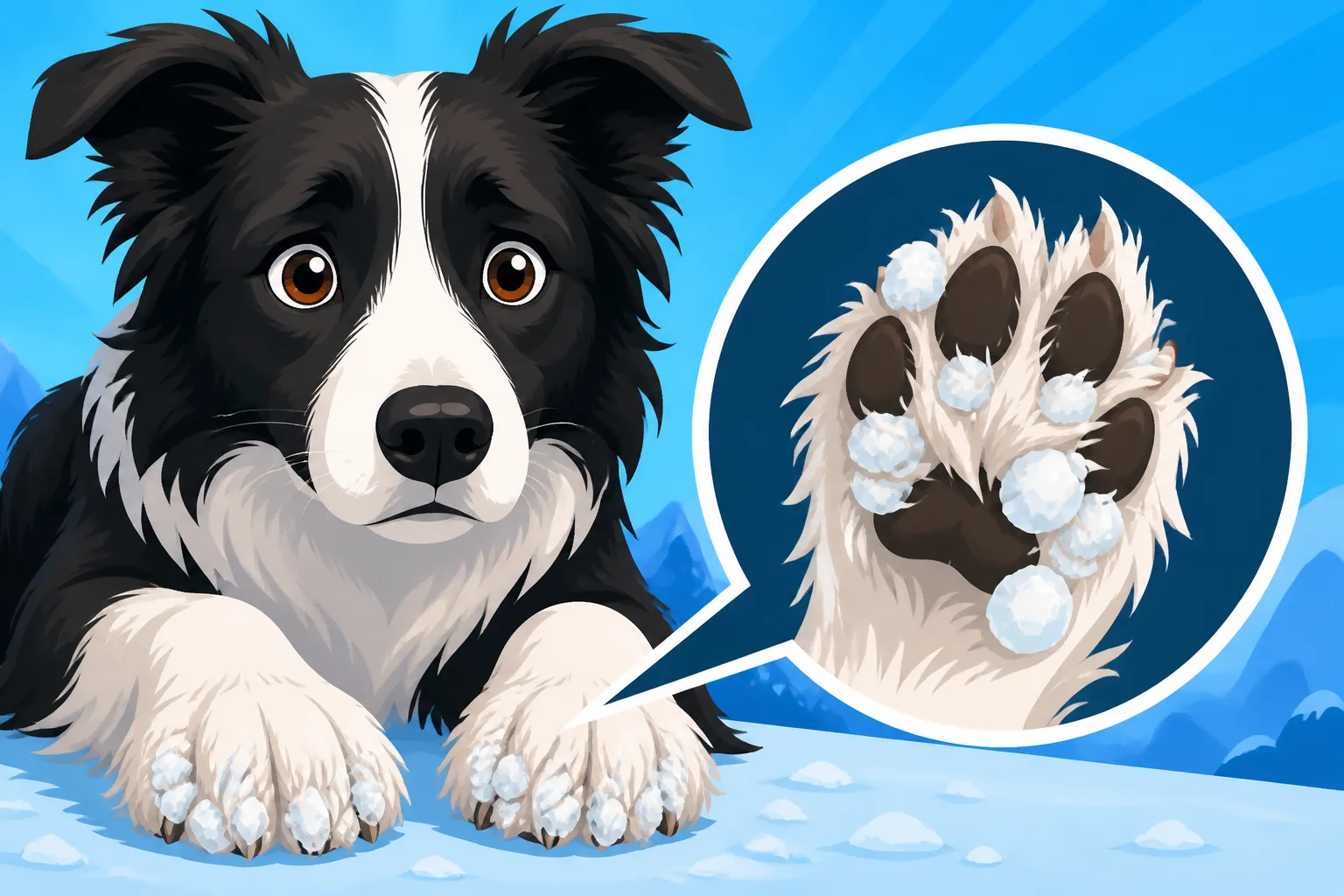
Border Collies, especially those with rough coats, are known for their beautiful "feathering" – the longer hair on the backs of their legs, behind their ears, and on their tails. While stunning, this feathering, particularly around the feet and between the toes, acts like a magnet for snow and ice. Imagine trying to walk with tiny, hard clumps of ice constantly pulling at your hair and digging into your sensitive skin. That’s essentially what happens to your Border Collie. The soft hair between their paw pads, designed to provide a bit of cushioning and grip, becomes saturated, freezes, and then collects more snow, forming an ever-growing, painful ball of ice.
Beyond the visible feathering, the intricate structure of a Border Collie's paw pads themselves plays a role. These pads are tough but still vulnerable to the cold and friction. The areas between the pads, where the hair grows, are often moist from sweat or melted snow, providing a perfect foundation for ice to build up. As your dog moves, the ice compacts, becoming harder and sharper, pressing against the delicate skin and even causing microscopic cuts or abrasions. This constant irritation and pressure can quickly make even the most driven Border Collie reluctant to put weight on their paws.
How Ice Balls Form: Snow, Moisture, and Movement
The formation of ice balls is a simple yet effective process. It starts when your Border Collie ventures into snow. Even slightly damp snow can begin to stick to the fine hairs between their toes and the longer feathering on their lower legs. As the dog moves, their body heat causes a tiny bit of snow to melt, wetting the fur. This moisture then refreezes around the snow particles, creating a small, hard nucleus. With each step, more snow adheres to this icy core, building up layer upon layer, much like a snowball rolling down a hill.
The consistency of the snow greatly influences how quickly and severely ice balls form. Wet, clumpy snow is the worst offender, sticking readily and freezing solid. Dry, powdery snow might be less problematic initially, but sustained activity can still lead to buildup as body heat melts and refreezes it. Furthermore, temperature fluctuations, where snow partially melts during the day and refreezes at night, can make the ice particularly hard and sharp. The sheer amount of ground a Border Collie covers, whether working a Border Collie in winter conditions on a farm or tearing around a park, means they are constantly exposing their paws to these conditions, accelerating the formation of these painful ice agglomerations.
The Impact of Ice Balls: More Than Just an Annoyance
When those insidious ice balls take hold of your Border Collie's paws, it’s not just a minor inconvenience; it can lead to significant discomfort, potential injuries, and even impact their willingness to engage in the activities they love. As an owner, recognizing these impacts is key to understanding the importance of prevention and prompt treatment.
Pain, Lacerations, and Limping
The most immediate and obvious impact of ice balls is the pain they cause. Imagine walking with pebbles constantly wedged between your toes, but these pebbles are freezing cold and slowly expanding. The pressure on the sensitive skin between the paw pads and toes can become immense, leading to a dull ache or sharp, stinging pain. As the ice balls grow larger, they can pull at the fur, causing a constant tugging sensation that is incredibly irritating. Your Border Collie might start to favor one foot, or even all of them, resulting in an uncharacteristic limp.
What many owners don't realize is that ice balls can also cause physical damage. The hard, often sharp edges of the ice can chafe and cut the delicate skin between the paw pads, leading to minor abrasions, raw spots, or even deeper lacerations. These open wounds are not only painful but also leave your dog vulnerable to infection, especially in a dirty environment. If left unchecked, persistent friction from the ice can also lead to inflammation and swelling, making walking even more excruciating and potentially leading to a more serious injury that requires veterinary attention.
Frostbite and Hypothermia Risks
While Border Collies are generally well-adapted to cold weather, especially those with The Rough and Smooth Border Collie Coats, prolonged exposure of their paws to icy conditions can increase the risk of frostbite. Frostbite occurs when tissue freezes, causing damage to cells and blood vessels. The extremities, like paw pads, ears, and tail, are most susceptible because they are furthest from the core body temperature and have reduced blood flow in the cold. Ice balls, by insulating the area with frozen water, can paradoxically increase the risk if the dog's foot remains wet and cold for too long, restricting circulation.
Furthermore, a Border Collie that is limping or reluctant to move due to painful ice balls might cease activity. If they are in a very cold environment and stop moving, their overall body temperature can begin to drop, raising the risk of hypothermia. While a healthy, active Border Collie has a good tolerance for cold, a dog that is compromised by pain, injury, or forced inactivity in freezing temperatures becomes much more vulnerable. It’s a vicious cycle: ice balls cause pain, pain leads to reduced activity, and reduced activity in the cold can lead to more serious systemic issues.
Behavioral Changes and Refusal to Work
A Border Collie in pain from ice balls will often show noticeable changes in behavior. Beyond limping, you might observe them frequently stopping to lick or chew at their paws, exhibiting restlessness, or whining. They might become unusually withdrawn or irritable, especially if their pain is persistent. Their high drive and eagerness to please can be overshadowed by discomfort, leading them to refuse to perform tasks, engage in playtime, or even go outside for their usual potty breaks. This can be heartbreaking for owners who rely on their Border Collie's boundless energy and cooperative spirit.
For working Border Collies, this refusal to work or a decrease in performance due to paw pain can have significant consequences. A dog that is constantly stopping to attend to its feet cannot focus on its job, whether it's gathering sheep or navigating an agility course. The physical discomfort can break their concentration and diminish their characteristic keenness. Recognizing these behavioral cues early and addressing the underlying issue of ice balls swiftly is crucial not only for their physical well-being but also for maintaining their mental sharpness and joy in their activities.
Prevention Strategies: Keeping Those Paws Protected
An ounce of prevention is truly worth a pound of cure when it comes to ice balls on your Border Collie's feet. Proactive measures can save your dog from considerable pain and discomfort, allowing them to enjoy winter activities without interruption. There are several effective strategies you can employ to minimize the chances of these icy nuisances forming.
Trimming the Feathering: A Crucial First Step
One of the most effective and simplest preventive measures is to keep the hair between your Border Collie's paw pads and the feathering around their lower legs neatly trimmed. The longer the hair, the more surface area there is for snow and ice to cling to. Think of it like a broom catching dust; short bristles catch less than long, wispy ones. Using blunt-nosed scissors or a small electric trimmer (like those designed for sensitive areas or pet grooming), carefully trim the hair so it is flush with the paw pads. You want to remove any hair that protrudes beyond the pads or creates bushy tufts between the toes.
This trimming should extend to the "trousers" or feathering on the back of their legs, just above the paws. While you don't need to shave it down, keeping it shorter in winter months can drastically reduce snow buildup. This regular grooming is not just about aesthetics; it's a vital part of winter paw care. If you're unsure how to do this safely, a professional groomer can demonstrate the technique or perform the trim for you. For a comprehensive guide on general grooming, you might find Grooming a Rough-Coated Border Collie helpful, as paw care is often included in their routine. Remember to always work slowly and carefully, especially if your Border Collie is new to paw trims, to avoid accidental nicks.
Protective Balms and Waxes
Another excellent line of defense against ice balls and general winter paw irritation is the application of protective balms or waxes. Products like Musher's Secret or generic paw waxes create a protective barrier on the paw pads and the hair between the toes. This barrier works in a couple of ways: first, it moisturizes the paw pads, preventing them from drying out, cracking, and becoming more susceptible to injury. Second, and crucially for ice balls, it creates a slick surface that makes it harder for snow and ice to stick. Instead of forming solid clumps, snow tends to slough off or accumulate less severely.
These balms are typically made from natural waxes and oils, making them safe for dogs even if they lick their paws (which they inevitably will). Apply a generous amount to all paw pads and work it into the hair between the toes before heading out into the snow. Reapply as needed, especially during longer outings or if the conditions are particularly challenging. Many owners swear by these products for reducing ice ball formation, not to mention protecting against road salts and chemical de-icers which can be very irritating. You can often find these waxes from retailers like Chewy or Amazon, making them easily accessible.
The Role of Dog Boots: Pros and Cons
Dog boots offer the most complete physical barrier against snow, ice, and cold. For some Border Collies, especially those with particularly sensitive feet, working long hours in deep snow, or engaging in intense winter sports, boots can be an absolute game-changer. They completely prevent ice balls from forming on the paws and provide a layer of insulation against extreme cold. Modern dog boots are designed to be durable, provide good grip, and stay on securely, allowing for full range of motion.
However, boots aren't for every Border Collie. Some dogs simply hate wearing them and will try to shake them off, leading to a frustrating battle for both dog and owner. Getting the right fit is critical; poorly fitting boots can chafe, fall off, or impede natural movement, potentially causing more problems than they solve. It's important to introduce boots gradually, starting with short sessions indoors, using positive reinforcement. While a bit of a learning curve, for dogs that tolerate them, boots can offer unparalleled protection. Consider brands that prioritize flexibility and durability, and read reviews to find styles that Border Collie owners have found success with. Just be sure to Check a Border Collie Over After Field Work when removing boots to ensure no chafing has occurred.
| Protection Method | Pros | Cons | Best Use Cases |
|---|---|---|---|
| Trimming Feathering | Simple, low cost, reduces surface area for ice to cling | Requires regular maintenance, risk of nicks if done incorrectly | All Border Collies, especially those with rough coats and abundant paw hair |
| Protective Balms/Waxes | Easy to apply, moisturizes pads, good for moderate conditions | Needs frequent reapplication, may not prevent all ice balls in extreme cold | All Border Collies, excellent for urban environments with salt/chemicals |
| Dog Boots | Full protection from ice, snow, salt, and extreme cold; reduces risk of cuts | Can be expensive, some dogs dislike wearing them, proper fit is crucial | Working dogs, dogs with sensitive feet, prolonged exposure to harsh winter conditions |
Dealing with Existing Ice Balls: Safe Removal Techniques
Despite your best preventive efforts, sometimes ice balls just happen. Whether it was an unexpectedly long outing, a particularly sticky type of snow, or simply a tenacious Border Collie who pushed through the discomfort, finding them with icy clumps on their paws is a common winter scenario. The key now is to remove them safely and gently, minimizing further stress or injury.
Gentle Warm Water Soaks
When your Border Collie comes in with ice balls, the absolute safest and most comfortable way to remove them is with warm water. Prepare a basin, sink, or tub with lukewarm water – not hot! Water that is too hot can be a shock to cold paws and potentially cause burns. Gently place your dog's icy paw into the water. The warmth will slowly and comfortably melt the ice without any pulling, cutting, or forced removal. You’ll see the ice begin to dissolve and release its grip on the fur.
This method works wonders because it’s entirely non-invasive and allows the ice to melt naturally. Your Border Collie will likely appreciate the relief, and it gives you a chance to check their paws for any underlying issues that might have been hidden by the ice. Keep a towel handy to dry their paws thoroughly afterward to prevent new ice from forming if they go back outside, or to avoid them tracking water all over your home. For very stubborn ice balls, you might need to hold the paw in the water for a few minutes, gently massaging the paw to encourage melting, but avoid rubbing aggressively.
Manual Removal with Care
Sometimes, you might be out and about, or the ice balls might be smaller and less tenacious, making a full water soak impractical. In these situations, careful manual removal can work, but extreme caution is necessary. The most important rule is never pull at the ice balls. Pulling will inevitably tug on your Border Collie's fur, causing significant pain and potentially tearing skin or pulling out hair. Instead, use your fingers to gently break up the ice. You can often crack larger ice balls into smaller pieces by applying gentle pressure, allowing them to fall away.
If the ice is particularly stubborn and compacted, you can try using a small, blunt tool, like the back of a spoon or a wide-toothed comb, to gently scrape or comb the ice away from the fur, always moving with the direction of hair growth. Some owners even use a hair dryer on a cool setting, held at a safe distance, to speed up the melting process without causing discomfort. The goal is to encourage the ice to release its hold, not to force it. Always be patient and reassuring, as a Border Collie in pain might be more reactive. Remember, a thorough Checking a Border Collie Over After Field Work is essential after any manual removal to ensure no damage occurred.
What NOT to Do
Just as important as knowing what to do is knowing what not to do when removing ice balls. As mentioned, never pull or yank at the ice. This is the fastest way to injure your dog's sensitive skin and make them fearful of paw handling in the future. Avoid using sharp objects like knives or pointy scissors to chip away at the ice. The risk of accidentally cutting your dog's paw pads or toes is simply too high, and a paw injury can be debilitating for an active Border Collie. Even seemingly harmless items can cause harm if used improperly.
Furthermore, resist the urge to use hot water. While lukewarm is fine, hot water can cause thermal shock to cold paws, and in extreme cases, burns. The temperature difference can also cause discomfort and pain. Similarly, don't use harsh chemicals, salt, or alcohol to try and melt the ice. These substances can irritate or burn your dog's skin, and if licked, can be toxic. Stick to gentle, common-sense methods, prioritizing your dog's comfort and safety above all else. Rushing the process or using aggressive tactics will only prolong your Border Collie's distress and potentially lead to more serious issues.
Post-Ice Ball Care and Ongoing Paw Health
Removing ice balls is often just the first step. Ensuring your Border Collie's paws recover fully and are prepared for future winter excursions requires diligent aftercare and a consistent approach to paw health throughout the colder months. A healthy paw is a resilient paw, less prone to issues like ice balls and other winter-related injuries.
Checking for Damage and Injury
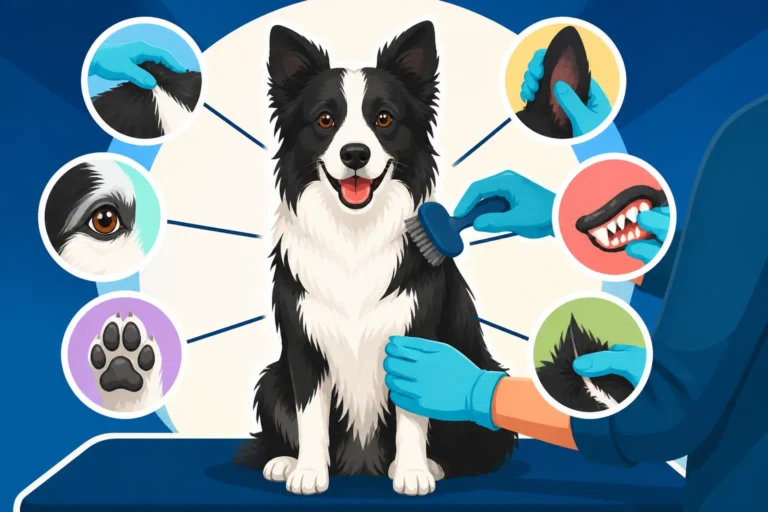
Once the ice balls are completely gone, take the time to thoroughly inspect your Border Collie's paws. This is a critical step that many owners rush, but it’s where you’ll identify any damage that the ice may have caused. Gently spread their toes and examine the skin between the pads. Look for any redness, swelling, abrasions, cuts, cracks, or raw spots. The paw pads themselves should be supple and intact, not dry or flaky. Pay close attention to the nails and the nail beds, as sometimes pressure from ice can cause issues there too.
If you find any minor cuts or raw areas, clean them gently with a mild antiseptic solution and apply a pet-safe healing balm. Keep a close eye on these areas over the next few days to ensure they are healing and not becoming infected. Any signs of deeper lacerations, persistent limping, excessive swelling, or unusual discharge warrant a call to your veterinarian. Early detection and treatment of paw injuries can prevent them from escalating into more serious problems, allowing your Border Collie to get back to their active self sooner.
Maintaining Overall Paw Health in Winter
Beyond just preventing ice balls, maintaining robust paw health throughout the winter is crucial for your Border Collie's overall comfort and ability to work or play. The cold, dry air, combined with exposure to snow and ice, can take a toll on their paw pads, making them dry and prone to cracking. Regular application of a paw balm or moisturizer, even on days when snow isn't an issue, can keep pads supple and resilient. Just as we moisturize our skin in winter, their pads benefit greatly from consistent care.
Consider incorporating daily paw checks into your routine, especially if your Border Collie spends a lot of time outdoors. This helps you catch any issues – from minor cuts to signs of Pad Damage on a Border Collie Working Stubble or excessively long nails – before they become significant problems. Keeping nails trimmed to the proper length is also essential, as overgrown nails can splay the toes and change gait, making them more susceptible to injury and even contributing to discomfort when ice forms. You can learn more about this in Nail Length and How a Border Collie Turns. A diligent approach to paw hygiene, including cleaning off mud and debris, is always a good idea.
When to Seek Veterinary Advice
While many ice ball issues can be managed at home, there are times when professional veterinary advice is absolutely necessary. If you notice any deep cuts, punctures, or open wounds on your Border Collie’s paws, or if an area appears infected (red, swollen, warm to the touch, or oozing pus), it's time to see the vet. Persistent limping, even after the ice balls are removed, or a reluctance to put weight on a paw could indicate a more serious injury, such as a sprain, strain, or a fracture, which requires professional diagnosis and treatment.
Additionally, if you suspect your Border Collie has experienced frostbite, particularly if their paws appear pale, waxy, cold, or discolored, seek immediate veterinary care. Frostbite can lead to tissue damage and necrosis if not treated promptly. Any sudden onset of severe pain, or behavioral changes that don't resolve quickly, are also red flags. Your veterinarian can assess the extent of any injury, prescribe appropriate medication (such as antibiotics for infection or pain relief), and offer guidance on long-term paw care to keep your Border Collie healthy and happy throughout the cold seasons. Don't hesitate to reach out to them; they are your best resource for ensuring your dog's well-being.
Disclaimer
This article is for general informational purposes only and does not constitute professional advice. Laws, prices and regulations vary by location and change over time. Consult a qualified professional for guidance on your specific situation.