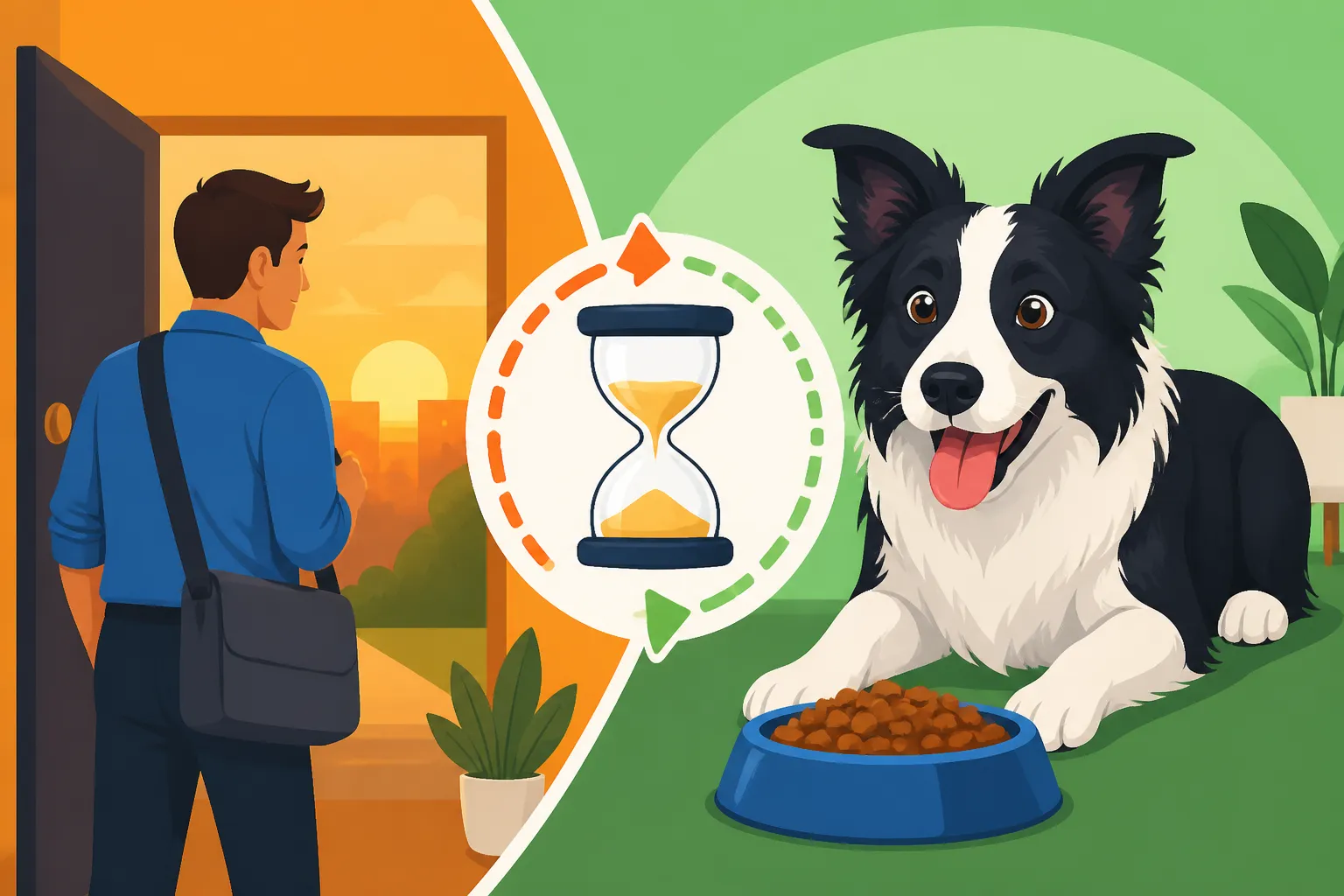
How Long to Wait Before Feeding a Border Collie After Work
Your Border Collie has just poured their heart and soul into a long herding session, a thrilling agility course, or an epic hike through the wilderness. They're panting, their eyes are bright with accomplishment, and now they're looking at you, expecting their well-earned dinner. It's so tempting to just put the bowl down, isn't it? But feeding your Border Collie too soon after intense physical activity can actually create some serious digestive issues, and it's a mistake many well-meaning owners make. This guide will walk you through the why and the how, ensuring your highly active dog gets their nutrition safely after their demanding work.
The Critical Importance of a Post-Work Cool-Down for Digestion
It’s easy to think, "My dog is hungry after all that work, let's feed them!" But a Border Collie's body, especially after intense exertion, isn't quite ready to efficiently process a meal. There's a lot happening internally that you might not see, and rushing the feeding process can lead to discomfort or even serious health risks. Understanding what your dog's body is doing after a good run or a strenuous training session is the first step to ensuring their long-term health and well-being.
Understanding Your Border Collie's Post-Exertion Physiology
When your Border Collie is working sheep, tearing through an agility course, or out on a long trek, their body shifts into a high-performance state. Their heart rate is elevated, respiration is rapid, and blood flow is actively redirected to their major muscle groups, lungs, and heart. This is their body optimizing itself for physical output. Essentially, they're in a "fight or flight" mode, even if it's for something as enjoyable as herding.
What gets less blood flow during this period? Their digestive system. The stomach, intestines, and other organs involved in digestion simply aren't the priority when the body is focused on intense physical activity. If you were to dump a meal into a system where blood flow is diverted elsewhere, it's like trying to run a complex factory process with half the power. Digestion becomes inefficient, food sits in the stomach longer, and discomfort can arise. Imagine trying to eat a huge pasta meal right after sprinting a mile – your stomach would likely protest, feeling heavy and uncomfortable, perhaps even churning. Your Border Collie feels something similar, though they can't tell you in words. Waiting for their body to return to a calm, parasympathetic "rest and digest" state is crucial.
The Silent Threat of Bloat Gastric Dilatation-Volvulus
One of the most serious concerns when feeding a dog too soon after exercise is bloat, medically known as Gastric Dilatation-Volvulus (GDV). While Border Collies aren't as notoriously deep-chested as some breeds like Great Danes or German Shepherds, making them statistically less prone, GDV is still a risk that every dog owner should be aware of, especially with an active breed that might gulp air while panting and eat quickly.
Bloat occurs when the stomach fills with gas, food, or fluid, causing it to expand (dilatation). In many cases, the distended stomach then twists on its axis (volvulus), trapping the contents and cutting off blood supply. This is a life-threatening emergency that requires immediate veterinary intervention. Eating a large meal, especially dry kibble that expands with liquid, too quickly after intense exercise can be a contributing factor. A dog who is still panting heavily may also ingest a lot of air while eating, further increasing the risk of stomach distension. While a specific cause for GDV isn't always clear, minimizing known risk factors is just good practice. You can learn more about this serious condition by reading Whether a Border Collie Bloats After Running Hard. It’s a terrifying prospect, and a little patience with feeding times can go a long way in prevention.
The Ideal Waiting Period When is it Safe to Feed?
So, how long exactly should you hold off on feeding that eager Border Collie after they’ve given their all? There isn't a single, magic number that applies universally, as every dog and every activity level is different. However, we can establish some solid guidelines to ensure you're prioritizing their digestive health and comfort. It's less about a strict clock and more about observing your individual dog and the intensity of their activity.
The Golden Rule At Least 30-60 Minutes Post-Cool-Down
The general consensus among veterinarians and experienced handlers is to wait at least 30-60 minutes after your Border Collie has fully cooled down and returned to a calm state. Notice the emphasis on "post-cool-down" – this isn't just 30-60 minutes after the actual exercise stops. A dog might stop running, but still be panting heavily, excited, and warm for quite a while afterward.
For example, if your Border Collie has just finished a challenging stock trial, they might still be keyed up and breathing rapidly even 15 minutes after exiting the field. During this time, you should be actively cooling them down – walking them gently, offering water, and letting them relax in the shade. Only once their breathing has normalized, their heart rate has settled, and they are no longer exhibiting signs of intense exertion (like heavy panting or intense focus on activity) should you start counting that 30-60 minute waiting period before feeding. A dog that has been working stock extensively, for instance, may need a good 20-30 minutes just to start settling before the "wait to feed" clock even truly begins. Understanding How Long a Border Collie Takes to Come Right Again after intense activity is key to judging this.
Factors Influencing the Waiting Time
Several factors play a significant role in determining how long you should truly wait before offering food. Being mindful of these nuances can help you fine-tune your routine for your individual Border Collie.
-
Intensity and Duration of Work: This is probably the biggest factor. A quick 15-minute game of fetch in the backyard is very different from two hours of serious herding or a strenuous agility competition.
- High Intensity (e.g., competitive trials, long, fast runs, extensive herding): For these demanding activities, you might need to wait 60-90 minutes after the initial cool-down period. Their body has been pushed to its limits, and a longer recovery time for their digestive system is warranted.
- Moderate Activity (e.g., a brisk 45-minute hike, an hour of focused training, casual agility practice): A 30-60 minute wait post-cool-down is usually sufficient here.
- Low Activity (e.g., a leisurely walk, light play, mental enrichment games): For truly low-key activity, the wait might be shorter, perhaps 15-30 minutes, ensuring they've just had a chance to drink water and relax.
-
Individual Dog Differences: Just like people, every Border Collie is an individual. Some dogs naturally recover and settle down faster than others. A young, exuberant Border Collie might stay "amped up" for longer, while an older, more seasoned working dog might have a more efficient cool-down process. Pay attention to your dog's unique rhythms. Anxious or highly driven dogs might take longer to truly relax.
-
Meal Size and Type: The type and amount of food also matter. A large, heavy meal, especially one high in fat, will take longer to digest than a smaller, lighter one. If you're feeding dry kibble, be aware that it can expand in the stomach once liquid is added, which can be a factor in bloat risk. Some owners find that a fresh food diet, like those offered by Ollie, can be easier on a dog's digestive system compared to heavily processed kibble, but even with fresh food, the timing matters.
-
Hydration: It's paramount that your Border Collie is adequately hydrated before eating. Always offer fresh water during their cool-down period. If they're still gulping water excessively, their body isn't ready for food. Make sure they have a good, sturdy water bowl from a retailer like Chewy or a travel water bottle from Amazon for when you’re on the go.
Here's a quick reference table based on activity levels:
| Activity Level After Work | Recommended Waiting Time (Post-Cool-Down) | Key Observations Before Feeding |
|---|---|---|
| High Intensity | 60-90 minutes | Breathing and heart rate normal, calm, fully hydrated, no panting. |
| Moderate Activity | 30-60 minutes | Relaxed posture, mild panting ceased, settled, not seeking action. |
| Low Activity | 15-30 minutes | Hydrated, no excitement, body temperature normal. |
Practical Steps for a Smooth Post-Work Routine
Knowing the "why" and "how long" is one thing, but integrating it into your daily routine with a high-drive Border Collie can sometimes feel like another challenge entirely. Establishing a consistent post-work protocol isn't just about safety; it's about building good habits that benefit your dog's overall well-being and longevity.
The Art of the Cool-Down Protocol
A proper cool-down isn't just about stopping the activity; it's a gradual, intentional process that helps your Border Collie's body transition from high gear back to a resting state. Think of it as winding down a finely tuned machine.
- Gradual Decrease in Activity: When your Border Collie finishes intense work, don't just stop cold. Incorporate a period of low-intensity walking for 5-10 minutes. This helps their heart rate and breathing return to normal more smoothly, flushes lactic acid from their muscles, and prevents blood from pooling in their extremities. If they've been running at full tilt, bring them down to a trot, then a walk, before coming to a full stop.
- Provide Fresh Water: Immediately after work and during the cool-down, offer plenty of fresh, cool (but not ice-cold) water. Hydration is crucial for recovery. Ensure you have a reliable water source. A collapsible bowl from Amazon or a sturdy, non-tip bowl from Chewy is always a good idea, especially if you're out on the trial field. Encourage them to drink small amounts often, rather than gulping a huge volume all at once. For more on this, check out How Much a Border Collie Drinks on a Working Day.
- Allow Potty Breaks: Intense activity can sometimes stimulate the bowels. Giving your Border Collie a chance to relieve themselves after work, but before eating, is a good practice. It also helps them settle physically and mentally.
- Mental Relaxation and Quiet Time: After the physical cool-down, encourage mental relaxation. This means no more intense games, no demanding training, and ideally, a quiet space where they can simply chill out. A gentle massage or a quiet groom can also help them decompress. This quiet period is essential for their nervous system to switch from "go" to "rest." You might even find them enjoying a gentle brushing as you untangle burrs from their coat after a working session, as discussed in Combing Sticky Seed Heads Out of a Border Collie.
Recognizing When Your Border Collie is Ready to Eat
Learning to "read" your Border Collie is paramount. They'll give you clear signals when their body has normalized and they're ready for their meal.
- Normal Breathing and Heart Rate: The most obvious sign. Their panting should have subsided significantly, if not stopped entirely. Their breathing should be regular, calm, and quiet. You should be able to feel their heart rate returning to a normal resting pace.
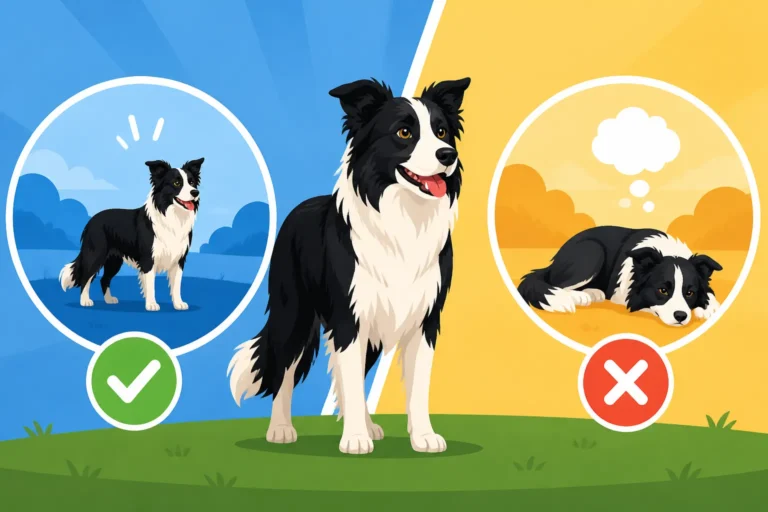
- Relaxed Body Posture: A dog ready to eat will typically have a relaxed posture. Their muscles won't be tense, their tail might be in a natural relaxed curve or wagging gently, and their eyes won't have that intense, focused "working" look. They might lie down, stretch, or even yawn.
- No Excessive Panting or Excitement: If they're still panting heavily, pacing, or generally "buzzy" with excitement, they're not ready. This is where patience comes in. Sometimes, simply ignoring their dinner-time demands until they truly settle can reinforce the calm behavior you're looking for.
- Consider Slow Feeders or Puzzle Bowls: If your Border Collie is a notoriously fast eater, even when calm, investing in a slow feeder bowl can be a game-changer. These bowls are designed with ridges and obstacles that make them take longer to consume their food, reducing air intake and promoting better digestion. You can find excellent options on Amazon or Chewy that are durable and easy to clean.
- Food Type Considerations: While the timing of feeding is crucial, the quality of the food also plays a role in digestion. Many owners are exploring fresh food options, like Ollie, which can be highly palatable and sometimes easier to digest than traditional kibble, though this doesn't negate the need for a proper cool-down period.
Optimizing Post-Work Nutrition and Feeding Practices
Beyond the timing of the meal, what and how you feed your Border Collie after a demanding day can significantly impact their recovery, energy levels, and overall health. As a high-performance athlete, a Border Collie has specific nutritional needs that deserve careful attention, especially when it comes to replenishing their reserves after intense work.
The Role of Food Type and Portion Size
The fuel you put into your Border Collie's body is just as important as when you put it in. After all, they've burned through a significant The Calorie Load a Working Border Collie Burns and need to recover.
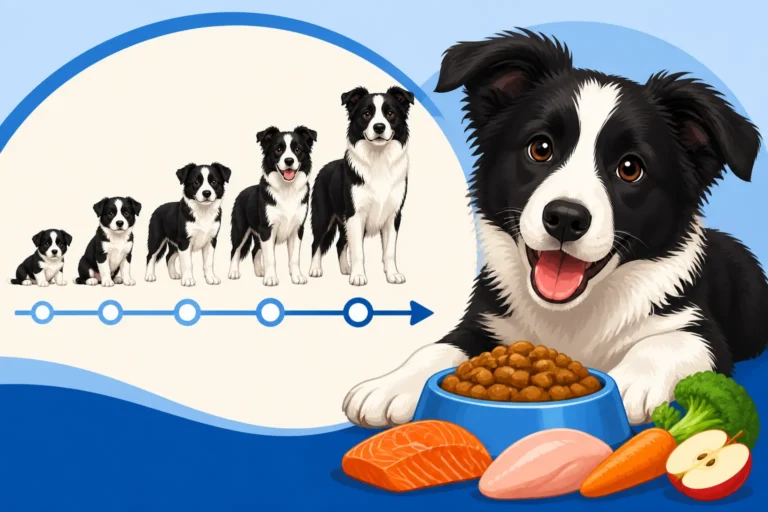
- Highly Digestible Foods: Choose a high-quality dog food that is specifically formulated for active breeds. Look for ingredients that are easily digestible, with a good balance of protein, fats, and carbohydrates. If your Border Collie has a sensitive stomach, consider a limited ingredient diet or a fresh food option that uses whole, identifiable ingredients. The goal is to provide maximum nutrition with minimal digestive effort.
- Appropriate Portion Sizes: It's tempting to think your ravenous Border Collie needs an extra-large meal after a hard day. However, sticking to their regular, recommended portion size is usually best. Overfeeding can lead to stomach upset, weight gain, and can even increase the risk of bloat. If your dog genuinely needs more calories due to extreme exertion, it's better to slightly increase their regular meals consistently or add a small, easily digestible snack a few hours before or long after their main meal, rather than dumping a massive portion into them post-work. Consult your vet to adjust calorie intake, especially if your dog is working hard year-round. For insights into tailoring diet around activity, consider Feeding a Border Collie Before and After Work and Whether a Border Collie Needs a Performance Food.
Environmental Considerations and Stress Reduction
How you present the meal can also influence digestion and well-being. A stressed or rushed dog is less likely to digest their food efficiently.
- Feed in a Quiet, Low-Stress Environment: Ensure your Border Collie can eat their meal without interruptions or anxiety. A designated, quiet feeding spot away from the hustle and bustle of the household or other pets is ideal. This allows them to focus on eating and helps their body remain in that "rest and digest" state.
- Avoid Competition if Multiple Dogs are Present: If you have more than one dog, especially if one is particularly food-motivated or prone to resource guarding, feed them in separate areas. This eliminates any perceived competition, allowing each dog to eat at their own pace without stress or rushing, which can contribute to gulping air and eating too fast.
- Ensure the Dog Isn't Distracted or Rushed: Make mealtime a calm, predictable routine. Avoid hovering over them, making loud noises, or having children or other pets disturb them while they're eating. The goal is a peaceful dining experience. This focused, calm approach supports optimal digestion and reinforces a positive association with meal times, which is critical for a dog that works hard and needs every bit of its nutrition to stay sound into its teens.
Disclaimer
This article is for general informational purposes only and does not constitute professional advice. Laws, prices and regulations vary by location and change over time. Consult a qualified professional for guidance on your specific situation.