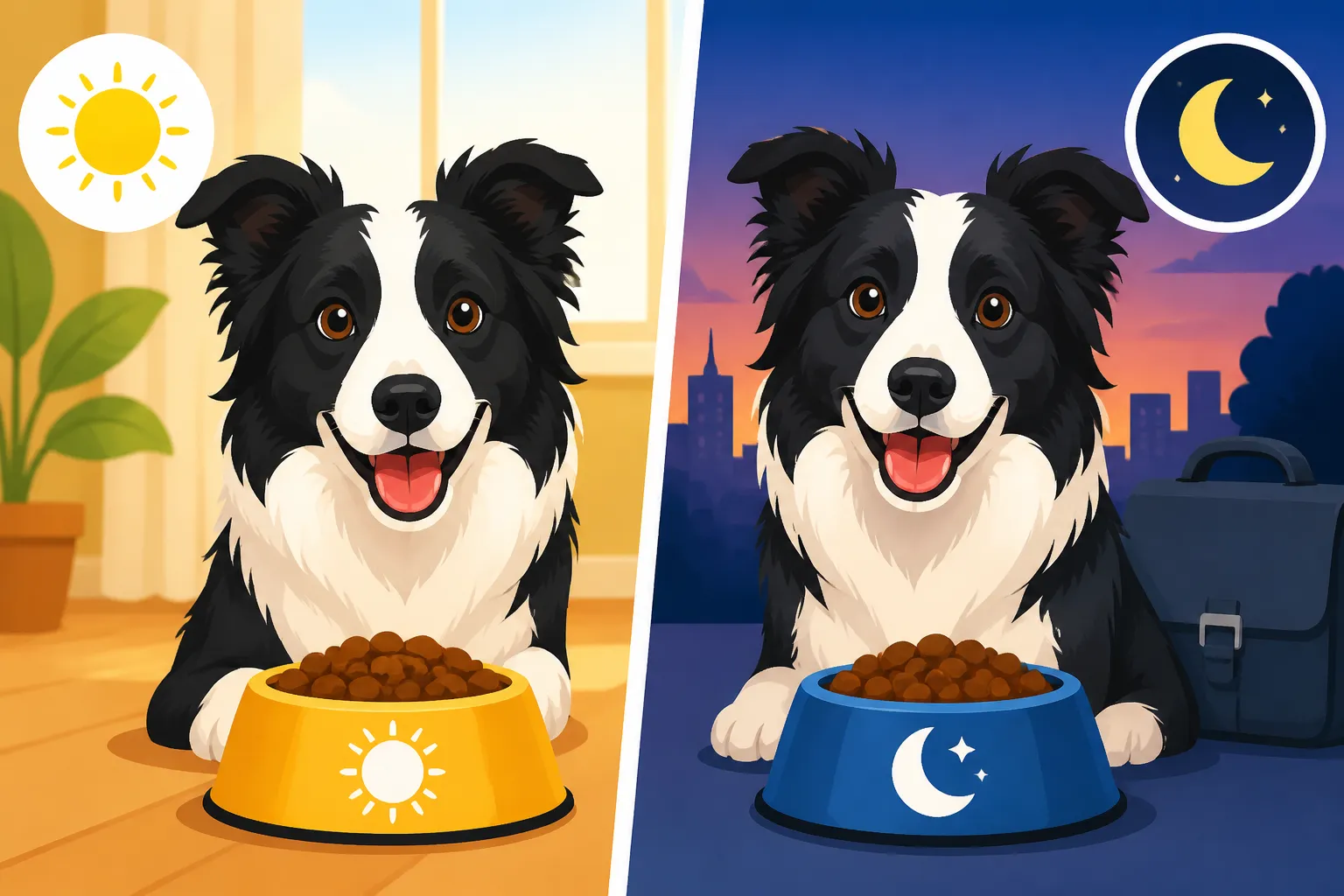
Feeding a Border Collie Before and After Work
One of the biggest challenges for Border Collie owners, whether they're working livestock, competing in agility, or just enjoying long, active days, is figuring out the best way to fuel their dog. It's not as simple as just pouring kibble into a bowl; the timing, type, and quantity of food can dramatically impact their performance, recovery, and overall health. This guide will walk you through the nuances of feeding your Border Collie before and after their demanding "work," helping you optimize their energy and well-being.
Understanding Your Border Collie's Energy Needs
Border Collies are renowned for their boundless energy and incredible drive. This isn't just a quirky personality trait; it's a reflection of a highly efficient, athletic metabolism designed for sustained activity. Owners often find themselves scratching their heads, wondering why their dog seems to burn through calories faster than a furnace.
The Metabolism of a Working Breed
Imagine a finely tuned endurance athlete – that's essentially your Border Collie. Their bodies are built for long hours of focused work, whether it's gathering sheep across vast fields or navigating a complex agility course at top speed. This requires a metabolism that can rapidly convert food into usable energy and sustain that output without crashing. They often have a higher resting metabolic rate than many other breeds, meaning they burn more calories even when they're just lounging around. This incredible efficiency is also why they can be prone to conditions like Border Collie Collapse and What Sets It Off if pushed too far without proper fueling and conditioning.
Their dietary needs are distinctly different from, say, a sedentary lap dog. They need a consistent supply of high-quality proteins for muscle maintenance and repair, fats for concentrated energy, and complex carbohydrates for sustained release. Getting this balance wrong can lead to fluctuating energy levels, poor recovery, and a decline in performance. It's not about feeding more food necessarily, but rather feeding the right kind of food at the right times.
Different Workloads, Different Demands
Not all "work" is created equal for a Border Collie. A leisurely stroll around the block with a few games of fetch in the yard is a far cry from a full day of sheepdog trials or an intense weekend of flyball. Each activity level places different demands on your dog's body and, consequently, requires different feeding strategies.
For a Border Collie that is primarily a pet and gets regular, moderate exercise – perhaps an hour or two of walks and play a day – their nutritional needs will lean towards maintenance. They still need a good quality diet, but the urgency around pre- and post-work feeding might be less critical than for a highly active dog. However, if your Border Collie is consistently performing high-intensity activities like competitive dog sports, working livestock for several hours, or going on strenuous long-distance hikes, their body is undergoing significant stress and calorie expenditure. These dogs are burning through a substantial The Calorie Load a Working Border Collie Burns and need their diet precisely managed to prevent fatigue, injury, and a slower recovery. Understanding this distinction is the first step to tailoring an effective feeding plan.
Fueling Up: What to Feed Before Activity
Getting the pre-work meal right is a delicate balance. You want to provide sufficient energy without causing digestive upset or weighing your dog down. Timing is paramount, as is the composition of the food.
Strategic Timing for Pre-Work Meals
The timing of your Border Collie's pre-work meal or snack depends heavily on the intensity and duration of the activity planned. For intense, sustained work like a long herding session or an agility trial, you'll want to feed a substantial meal several hours beforehand. A common guideline is to feed the main meal at least 3-4 hours prior to strenuous exercise. This allows ample time for digestion, reducing the risk of discomfort, stomach upset, or potentially serious issues like bloat. Imagine trying to run a marathon on a full stomach – it's not comfortable, and it's not efficient. Your Border Collie feels the same way.
For lighter exercise, a smaller snack 1-2 hours before might be acceptable. However, for anything high-impact or requiring explosive energy, a truly empty stomach (from a full meal perspective) is often best. Some handlers prefer to offer a tiny, easily digestible snack, like a few high-value training treats or a spoonful of pureed pumpkin, about 30-60 minutes before work if their dog needs a quick energy boost without feeling heavy. It's about finding that sweet spot where their energy reserves are topped up, but their digestive system isn't actively working hard.
Best Food Choices for Pre-Exercise Energy
When it comes to pre-work fueling, the focus should be on readily available energy sources and easily digestible nutrients. Complex carbohydrates are fantastic because they provide a sustained release of energy, preventing those sudden drops in blood sugar. Think ingredients like brown rice, oats, or sweet potatoes. These offer a slow-burn fuel that will keep your Border Collie going for longer.
Moderate levels of high-quality fat can also be beneficial as a dense energy source for endurance activities. However, too much fat too close to exercise can slow digestion, so balance is key. High-quality protein is always important for muscle maintenance, but it's not the primary energy source for immediate work. Some handlers swear by a small amount of lean cooked meat (like chicken or turkey) mixed with a carb source as a pre-work boost, offering both protein and a bit of energy. Look for performance dog foods available on sites like Chewy that specifically formulate for active breeds, often boasting higher fat and protein content alongside complex carbs.
Foods and Practices to Avoid Before Work
Just as important as what to feed is what not to feed before work. Avoid anything that is difficult to digest, high in fat, or known to cause gastric upset in your individual dog. Fatty foods can sit in the stomach for longer, potentially leading to discomfort or even vomiting during exercise. Foods with high fiber content, while healthy overall, can also cause gas and bloat when consumed too close to activity.
Definitely steer clear of sudden diet changes or introducing new foods right before a big event. This is a recipe for disaster, as you don't know how your dog's system will react. Stick to familiar, tried-and-true foods. Also, avoid large quantities of food immediately before work, regardless of type. The sheer volume can cause discomfort and contribute to bloat, which is a serious concern for deep-chested breeds like Border Collies. It's better for your dog to be slightly hungry than uncomfortably full when it's time to perform.
The Post-Work Protocol: Recovery and Replenishment
After a hard day's work, your Border Collie's body needs to recover. This isn't just about resting; it's about providing the right nutrients to repair muscles, replenish energy stores, and rehydrate properly. Skipping this crucial step can lead to prolonged soreness, slower healing, and decreased performance in the long run.
The Critical Window for Post-Exercise Feeding
Think of the "golden hour" in human athletics – it applies to dogs too! After strenuous exercise, there's a critical window when your Border Collie's body is most receptive to nutrient uptake. This window typically opens about 30 minutes to an hour after work and can last for several hours. During this time, muscles are primed to absorb proteins for repair and carbohydrates for glycogen replenishment.
However, it's vital not to feed immediately after intense work, especially if your dog is still panting heavily or overly excited. Give them at least 15-30 minutes to calm down, cool off, and drink some water. Feeding a stressed or overheated dog can lead to digestive issues. Once they've settled, offering a easily digestible meal or a substantial snack within that first hour can kickstart the recovery process. This is particularly important for dogs that work multiple sessions in a day or compete over a weekend, as efficient recovery is key to sustained performance. For more in-depth advice, you might find How Long to Wait Before Feeding a Border Collie After Work helpful.
Rehydration Strategies After Strenuous Activity
Hydration is arguably the most critical aspect of post-work recovery for a Border Collie. These dogs can quickly become dehydrated, especially if they're working in warm weather, as discussed in Dehydration in a Border Collie After a Day's Work. Always ensure fresh, clean water is available immediately after activity. Many Border Collies will drink copious amounts, and that's exactly what they need to do.
You can also encourage hydration by adding a little flavor to their water, like a splash of low-sodium chicken broth, or by offering "watery" treats such as ice cubes (if they enjoy them) or water-rich fruits like watermelon in moderation. Some performance handlers will mix a rehydration solution, sometimes called an electrolyte supplement, into their dog's water, particularly after very long or hot sessions. These are often available through pet supply retailers like Amazon. However, consult your vet before adding supplements, especially if your dog has any underlying health conditions. Ensuring they drink enough water is far more important than any specific supplement.
Supporting Muscle Repair and Overall Recovery
The post-work meal should ideally be rich in high-quality protein and complex carbohydrates. The protein is essential for repairing the microscopic tears in muscle fibers that naturally occur during intense exercise. Lean meats, eggs, and specialized performance kibbles or fresh food diets (like those offered by Ollie) are excellent sources.
Complex carbohydrates, such as those found in sweet potatoes, oats, or specific performance dog foods, help replenish glycogen stores in the muscles and liver. Glycogen is the stored form of glucose, and it's what fuels sustained activity. Replenishing these stores efficiently will ensure your Border Collie is ready for their next session without feeling sluggish. Some owners also consider adding Joint Supplements for a Border Collie Doing Agility to support overall musculoskeletal health, especially in older working dogs or those involved in high-impact sports. Remember, consistent nutrition is the foundation of long-term health and performance.
Selecting the Optimal Diet for Peak Performance
Choosing the right dog food is not just about what's convenient; it's about providing the precise nutrition that supports your Border Collie's energetic lifestyle. With so many options out there, it can feel overwhelming, but focusing on quality and suitability for activity levels can simplify the process.
High-Quality Ingredients Matter
Regardless of whether you choose kibble, wet food, or a fresh diet, the ingredient list is your roadmap. For a Border Collie, you want to see named meat sources (chicken, beef, lamb, salmon) as the first few ingredients, not vague terms like "meat meal" or excessive fillers. High-quality protein is crucial for maintaining strong muscles and supporting repair after exertion.
Look for foods that include healthy fats from sources like chicken fat, salmon oil, or flaxseed, which provide concentrated energy and support skin and coat health. Complex carbohydrates, such as whole grains (brown rice, oats, barley) or vegetables (peas, sweet potatoes), offer sustained energy release. Avoid foods with excessive artificial colors, flavors, or preservatives, as these add no nutritional value and can sometimes trigger sensitivities. A good indicator of a high-quality food is one that clearly states its ingredient sources and nutritional analysis.
Evaluating Different Food Formats Kibble, Fresh, Raw
The world of dog food offers several formats, each with its own pros and cons for a working Border Collie.
-
Kibble: This is the most common and often most cost-effective option. High-quality performance kibbles are formulated to meet the intense caloric and nutrient needs of active dogs. They are convenient, shelf-stable, and usually offer a complete and balanced diet. Brands like Purina Pro Plan Sport or Eukanuba Premium Performance are popular choices for working dog owners and can often be found on platforms like Chewy or Amazon. The downside can be that some dogs might find them less palatable or they might contain ingredients that don't agree with every dog. When selecting, specifically look for formulas designed for "active" or "performance" dogs. Whether a Border Collie Needs a Performance Food delves deeper into this.
-
Fresh Food (Cooked or Lightly Processed): Companies like Ollie specialize in delivering fresh, human-grade food directly to your door. These diets can be highly palatable and digestible, which can be a huge benefit for dogs with sensitive stomachs or those who are picky eaters. The ingredients are often clearly identifiable, offering peace of mind. The main drawbacks are typically cost and shelf-life, as fresh food requires refrigeration. However, for some Border Collies, the improved digestion and nutrient absorption can make it a worthwhile investment, potentially leading to better energy levels and coat condition.
-
Raw Food (BARF – Biologically Appropriate Raw Food or Prey Model): Advocates of raw feeding believe it mimics a dog's ancestral diet, offering superior nutrition. Raw diets typically consist of raw meat, bones, organs, and sometimes fruits and vegetables. Many raw feeders report improved energy, digestion, and dental health. However, raw feeding requires careful handling to prevent bacterial contamination, and it can be challenging to ensure a complete and balanced diet without expert guidance. It's also often more expensive and requires significant freezer space. If considering raw, consult with a veterinary nutritionist to ensure all your Border Collie's needs are met.
Supplements and Special Considerations
For many working Border Collies, a high-quality, balanced diet provides all the necessary nutrients. However, certain supplements might be beneficial under specific circumstances, always in consultation with your veterinarian.
- Joint Supplements: Glucosamine and chondroitin are popular for active dogs, particularly those in high-impact sports like agility, or older dogs, to support joint health and mobility.
- Omega-3 Fatty Acids: Fish oil supplements, rich in EPA and DHA, can support skin and coat health, reduce inflammation, and may have cognitive benefits.
- Probiotics: If your Border Collie experiences digestive upset, especially during stressful periods like trials or travel, a probiotic supplement might help maintain gut health.
- Electrolytes: As mentioned, these can be useful during extreme heat or prolonged strenuous activity to help replenish lost minerals and aid hydration.
- Vitamins/Minerals: Unless there's a diagnosed deficiency, a balanced commercial diet should provide adequate vitamins and minerals. Over-supplementing can sometimes be harmful.
When considering any supplement, always discuss it with your veterinarian. They can help you determine if it's truly necessary and recommend appropriate dosages, especially since some supplements can interact with medications or existing health conditions.
Common Pitfalls in Feeding Active Border Collies
Even with the best intentions, it's easy to make mistakes when feeding a highly active breed like a Border Collie. Recognizing and avoiding these common pitfalls can significantly impact their health and performance.
Overfeeding vs. Underfeeding for Activity Levels
It's a tricky balance. Underfeeding a working Border Collie can lead to poor performance, muscle loss, and a compromised immune system. They simply won't have the energy reserves to do their job effectively. You might notice them losing The Body Condition a Sport Border Collie Carries – ribs becoming prominent, less muscle mass. Conversely, overfeeding can lead to unwanted weight gain, putting extra strain on their joints, especially crucial for a breed prone to issues like Hip Dysplasia in a Border Collie That Runs All Day. An overweight Border Collie will also be less efficient and more prone to overheating.
The key is to monitor your dog's body condition regularly. You should be able to feel their ribs easily without seeing them prominently, and they should have a discernible waist when viewed from above and a slight tuck-up from the side. Adjust their food intake based on their actual activity levels. During an off-season or a period of injury, their caloric needs will decrease. Adjusting a Border Collie's Food in the Off Season is a good read if your dog's activity levels fluctuate. Don't just follow the bag's recommendations blindly; use them as a starting point and fine-tune based on your individual dog.
Ignoring Hydration Warning Signs
We've talked about the importance of hydration, but it's equally important to recognize when your Border Collie might be getting dehydrated. Ignoring these signs can lead to serious health issues, including Heat Stroke in a Border Collie That Kept Working. Early signs include thick, sticky saliva, dry gums, loss of skin elasticity (the skin on their scruff stays tented when gently pinched), and sunken eyes. They might also appear lethargic or reluctant to move, even before showing full signs of heat stroke.
Always provide fresh water and encourage drinking, especially before, during (on breaks), and after work. If you're out and about, carry a portable water bowl and sufficient water. Watch for dogs who are so focused on their work that they forget to drink. Offer water during mandatory rest periods. If you suspect severe dehydration, contact your veterinarian immediately. It’s a silent threat that can escalate quickly.
The Danger of Sudden Diet Changes
Switching your Border Collie's food abruptly can lead to digestive upset, including diarrhea, vomiting, and a very unhappy dog. Their gastrointestinal system needs time to adjust to new ingredients and nutrient profiles. This is particularly true for high-strung working dogs whose systems can be sensitive to stress.
If you need to change your dog's food, do so gradually over 7-10 days. Start by mixing a small amount of the new food with their old food (e.g., 25% new, 75% old) for a few days. Then, gradually increase the new food's proportion while decreasing the old food's, watching for any signs of digestive upset. If everything seems fine, you can move to 50/50, then 75/25, until they are fully on the new food. This slow transition allows their digestive enzymes and gut bacteria to adapt, minimizing discomfort. Never change food just before a trial or a big working event; stick to the familiar and save changes for quiet times.
Disclaimer
This article is for general informational purposes only and does not constitute professional advice. Laws, prices and regulations vary by location and change over time. Consult a qualified professional for guidance on your specific situation.