Whether a Border Collie Should Eat Before a Run
It's a common dilemma, isn't it? You've got this incredible, high-energy Border Collie, bursting with eagerness for a run, a training session, or a good hard stint of work. But then the nagging question hits you: did I feed them too recently? Is their stomach full enough to sustain them, or too full to prevent discomfort or something worse? This guide will dive deep into the ins and outs of fueling your Border Collie for peak performance without risking their health.
The Balancing Act: Fueling Performance Without Risk
Every Border Collie owner knows that these dogs are finely tuned athletes. Their bodies are built for speed, agility, and endurance, whether they're working stock, excelling in agility, or just enjoying an epic game of fetch in the park. But just like human athletes, what and when they eat has a massive impact on their performance and their well-being. Getting this wrong can lead to anything from a mild stomach ache to a serious medical emergency. The challenge lies in finding that sweet spot where they have ample energy reserves but their digestive system isn't overloaded during intense physical activity.
Digestive Physiology and Intense Exercise
A Border Collie's digestive system, while robust, isn't designed to process a large meal effectively when the body is under the stress of high-intensity exercise. During physical activity, blood flow is redirected from non-essential organs, like the digestive tract, to the muscles that are doing the work. This means that a stomach full of food won't be digested efficiently. Instead, it can sit there, undigested, potentially causing discomfort, cramping, or even leading to more serious issues. It's a physiological trade-off: either digest or exert, but doing both simultaneously is a recipe for trouble.
Moreover, the sheer jostling and twisting involved in a Border Collie's typical activities – sharp turns, jumps, sudden stops, and starts – can be particularly problematic with a full stomach. This isn't just about a bit of indigestion; it's about understanding how their internal mechanics respond to the demands we place on them. We want our dogs to be comfortable and safe, always.
Understanding the Risk of Bloat
One of the most terrifying concerns for any deep-chested dog owner, including many Border Collies, is Gastric Dilatation-Volvulus, commonly known as bloat. While not every Border Collie is prone to bloat, the risk is real for some, and it's a rapidly progressing, life-threatening condition. Though the exact causes are complex and not fully understood, feeding a large meal close to strenuous exercise is often cited as a contributing factor. The theory is that a stomach full of food and gas can twist on itself, trapping both, cutting off blood flow, and causing irreversible damage.
The symptoms of bloat can appear suddenly and escalate quickly: a distended abdomen, unproductive retching, pacing, drooling, and signs of extreme discomfort. It’s an emergency that requires immediate veterinary attention. This is why the timing and type of pre-exercise feeding are so critical. It's not just about comfort; it's about potentially saving your dog's life. We owe it to our energetic companions to minimize this risk as much as possible, even if it means adjusting our daily routines around their nutritional needs. Learning more about the signs can be helpful, for instance, by reading Whether a Border Collie Bloats After Running Hard.
Timing is Everything: When to Offer a Meal
So, if feeding immediately before exercise is risky, when is the right time? The general consensus among canine experts and experienced Border Collie handlers is to provide a sufficient window between mealtime and activity. This allows the food to move through the initial stages of digestion and empty from the stomach, reducing the risk of discomfort and bloat. It's about respecting their body's natural processes.
The Golden Window for Digestion
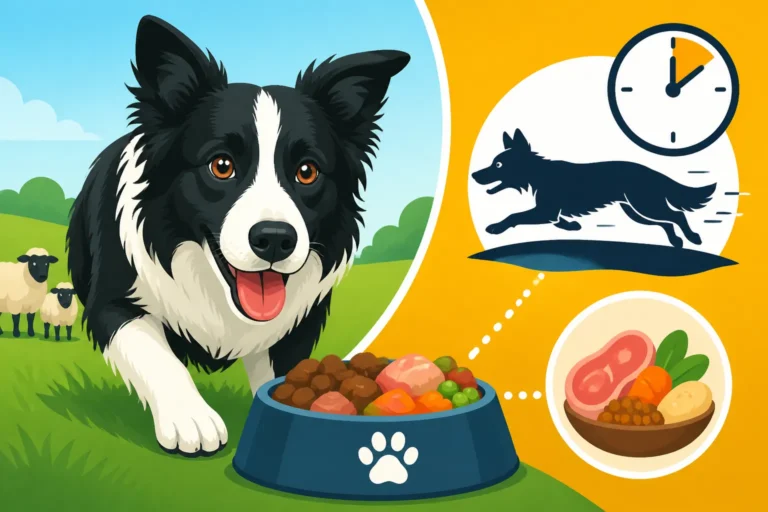
For most adult Border Collies, a waiting period of at least two hours, and ideally three to four hours, after a full meal before any intense activity is highly recommended. This allows for the bulk of gastric emptying to occur. If your dog is going to be engaging in something truly strenuous, like a long sheepdog trial run, an agility competition, or a lengthy hike, leaning towards the longer end of that window is always a safer bet. For casual, lower-intensity walks or backyard play, a two-hour window might be sufficient, but anything that gets their heart rate up and involves a lot of movement calls for more caution.
Think about it this way: if you were about to run a marathon, you wouldn't eat a huge pasta meal right before you hit the starting line, would you? Your Border Collie's body is just as sensitive, if not more so, to the timing of its fuel intake. This careful planning isn't just for serious competitors; it applies to any Border Collie that lives up to its athletic heritage. Consistency in your feeding schedule also helps their digestive system become more predictable.
Small Bites for Quick Energy
Sometimes, a long gap isn't feasible, or your dog needs a little top-up of energy. In these situations, offering a very small, easily digestible snack about 30-60 minutes before light-to-moderate exercise can be an option. We're talking about a small handful of kibble, a few pieces of boiled chicken, or a specialized performance treat. The key here is small and easily digestible. This isn't a meal replacement; it's a minor caloric boost.
High-fat or high-fiber treats should generally be avoided close to exercise, as they take longer to digest. The goal is quick energy, not a digestive burden. You might find appropriate small, high-energy training treats on platforms like Chewy or Amazon, designed for active dogs. These are often formulated to be palatable and provide a fast energy source without weighing them down. This strategy is particularly useful if your dog needs a little extra mental focus during a training session.
The Importance of Hydration
While we focus on food, it’s crucial not to overlook water. Dehydration can severely impact a Border Collie's performance and health, especially during prolonged or intense activity. Always ensure your dog has access to fresh water before and after a run, and offer water breaks during extended sessions. Small sips are better than large gulps, which can contribute to stomach upset.
For long excursions, consider carrying a portable water bowl and a bottle of water just for your dog. Electrolyte solutions, designed for dogs, can also be beneficial after very strenuous exercise, especially in warm weather, but plain water is usually sufficient for most daily activities. Proper hydration is the silent partner to good nutrition, and vital for How Much a Border Collie Drinks on a Working Day.
What to Feed: Choosing the Right Pre-Run Meal
The type of food you offer your Border Collie plays a significant role in their pre-exercise routine. Not all foods are created equal when it comes to digestibility and energy release. Selecting the right kind of fuel can make a huge difference in how your dog feels and performs.
Easily Digestible Carbohydrates and Lean Proteins
For sustained energy, a balanced diet that includes easily digestible carbohydrates and lean proteins is ideal. Carbs provide quick-access energy, while protein helps maintain muscle mass and supports recovery. Many high-quality commercial dog foods are formulated with this balance in mind, often featuring ingredients like chicken, lamb, rice, or sweet potatoes. Avoid foods with excessive fillers or artificial ingredients, which can be harder for their system to process.
If you're considering a fresh food diet, brands like Ollie offer pre-portioned, human-grade meals that are often highly digestible. Just remember to introduce any new food gradually to avoid digestive upset, especially for a dog with a sensitive stomach. A stable, consistent diet is usually best, even when considering a change. For a deeper dive into fueling these canine athletes, you might want to explore Feeding a Border Collie on a Performance Diet.
Avoiding High-Fat and Fiber-Rich Foods
Foods that are very high in fat or fiber should generally be avoided as the main meal immediately before intense exercise. Fat, while an important energy source overall, slows down gastric emptying considerably. This means it sits in the stomach longer, increasing the risk of discomfort or bloat during activity. Similarly, too much fiber can be difficult to digest quickly and can cause gastrointestinal upset during exertion.
While healthy fats and fiber are essential components of a Border Collie's regular diet, their timing matters. Think of them as components for overall health and recovery, rather than immediate pre-run fuel. A moderate amount of fat in their daily diet is fine, but a fatty meal right before a big run is generally not advisable.
Consider Performance-Specific Diets
For Border Collies involved in competitive sports or demanding working roles, a high-quality performance dog food can be an excellent choice. These diets are specifically formulated to meet the elevated caloric and nutritional needs of active dogs. They often contain a higher concentration of protein and fat, balanced with digestible carbohydrates, to provide sustained energy and support muscle recovery.
Always read the ingredient list and guaranteed analysis carefully. Look for real meat as the first ingredient, and avoid generic "meat meals" or excessive fillers. Consulting with your veterinarian or a canine nutritionist can help you choose the best performance diet for your individual dog, considering their age, activity level, and any underlying health conditions. Your vet can also help you understand The Calorie Load a Working Border Collie Burns and how to best match it with their diet.
Listening to Your Dog: Individual Needs and Adjustments
Every Border Collie is an individual, and what works perfectly for one might not be ideal for another. Their metabolism, digestive sensitivity, age, and even the type of activity they engage in will influence their optimal feeding schedule. The best approach is always to observe your dog closely and adjust accordingly.
Observing Your Border Collie's Response
Pay close attention to how your Border Collie reacts to your feeding schedule. Do they seem sluggish if you feed too close to exercise? Do they show signs of an upset stomach, like burping, licking lips excessively, or needing to relieve themselves more frequently during or after a run? Or do they seem to run out of steam if the gap between meals and exercise is too long? These are all cues your dog is giving you. Keep a mental note, or even a literal log, of feeding times, activity levels, and any observed discomfort.
The weather also plays a role. In hot, humid conditions, a dog's digestive system might be even more sensitive, and the risk of issues like bloat can increase with exertion. Understanding Heat Management for a Border Collie on a Trial Field is crucial, and feeding patterns are part of that. Conversely, in very cold weather, their caloric needs might increase, but the same rules about pre-exercise digestion still apply.
Working with Professionals
If you're finding it difficult to strike the right balance, or if your Border Collie has specific health concerns such as a history of bloat, food sensitivities, or other digestive issues, don't hesitate to consult with your veterinarian. They can offer personalized advice, recommend specific diets, or suggest supplements that might aid digestion. A vet can also perform diagnostic tests if there are recurring issues, ruling out underlying medical conditions.
For competitive handlers or those with very high-performing dogs, a canine nutritionist can be an invaluable resource. They can help craft a precise diet plan tailored to your dog's energy expenditure, ensuring they get all the necessary nutrients without compromising their digestive health before, during, or after their demanding activities. Remember, preventative care, including proper nutrition and regular check-ups like The Annual Exam a Border Collie Needs, is always the best approach for a long, healthy life with your Border Collie.
| Activity Intensity | Recommended Pre-Run Feeding Window | Acceptable Pre-Run Snack (Small) | Notes |
|---|---|---|---|
| Light Walk/Play | 1.5 – 2 hours | 30-60 minutes before | Low impact, usually less risk, but still avoid large meals. |
| Moderate Run/Hike | 2 – 3 hours | Not recommended | Increased movement and heart rate. |
| Intense Training/Trial | 3 – 4+ hours | Not recommended | High risk activities, longer window is crucial. Bloat risk increases with twisting/turning motions. |
| Recovery Day | Flexible | Flexible | Normal feeding schedule, focus on recovery and hydration. |
Disclaimer
This article is for general informational purposes only and does not constitute professional advice. Laws, prices and regulations vary by location and change over time. Consult a qualified professional for guidance on your specific situation.