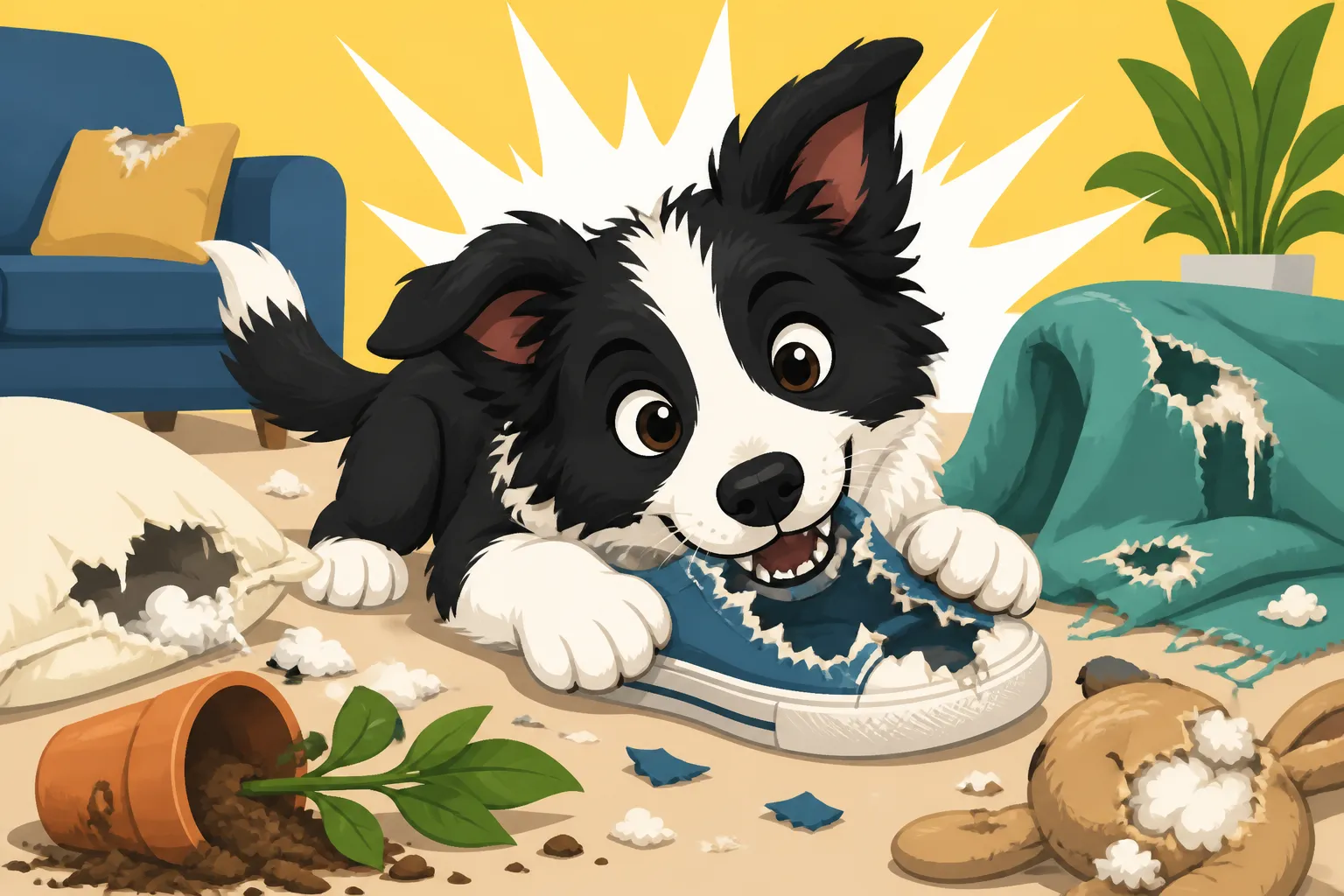
What a Teething Border Collie Will Wreck Instead
Bringing a new Border Collie puppy home is an exhilarating time, filled with boundless energy, adorable antics, and often, the perplexing mystery of why suddenly everything you own seems to have bite marks. The truth is, your little land shark isn't trying to redecorate with its teeth; it's simply navigating the uncomfortable, often painful, process of teething. This comprehensive guide will walk you through what to expect when your Border Collie puppy starts teething, why they chew certain things, and most importantly, how to redirect that chewing instinct onto appropriate items, saving your furniture, shoes, and sanity.
The Teething Timeline: What's Happening in Their Mouth
Understanding the physical changes your Border Collie puppy is experiencing is the first step to managing their chewing. It’s not just a phase; it's a critical developmental stage where their mouth is undergoing significant remodeling.
Puppy Teeth vs. Adult Teeth Development
Just like human babies, Border Collie puppies are born without visible teeth. Around 3-4 weeks of age, their first set of tiny, needle-sharp deciduous (or "milk") teeth start to emerge. By about 6-8 weeks, they'll have a full set of 28 puppy teeth. These little daggers are perfect for exploring the world and for giving their littermates a clear signal when playtime gets too rough. If you've ever felt those puppy nips, you know exactly how sharp they are!
The real teething action, the part that usually sends owners scrambling for solutions, begins around 12-16 weeks of age (roughly 3-4 months). This is when those puppy teeth start falling out, making way for their stronger, permanent adult teeth. This process continues until about 6-7 months of age, by which point most Border Collies will have their full set of 42 adult teeth. It's a busy time in their little mouths, and that constant pressure and discomfort drive a lot of the chewing behavior you're seeing.
The Discomfort Factor and Sore Gums
Imagine having tiny, sharp teeth erupting through your gums, pushing out old ones, and then having even larger teeth follow suit. It doesn't sound like fun, does it? For your Border Collie puppy, teething is often accompanied by soreness, inflammation, and itching in their gums. They might seem a little more irritable, drool more, or have a reduced appetite for a day or two. Some puppies might even develop a slight fever, though this is less common.
The act of chewing provides immense relief. It helps to massage their sore gums, eases the pressure of erupting teeth, and can even help dislodge stubborn puppy teeth that are ready to come out. It's an instinctive self-soothing mechanism, which is why simply telling them "no" without providing an alternative is so ineffective and frustrating for both of you. You might find tiny little puppy teeth on the floor or stuck in a chew toy – don't worry, this is completely normal and a sign the process is progressing as it should. Keeping track of their overall health and development is important, and articles like The Weight a Border Collie Puppy Hits Each Month can offer useful benchmarks.
Why Your Border Collie Puppy Chews Absolutely Everything
It’s easy to feel like your Border Collie puppy is targeting your favorite rug or the leg of your antique table out of spite, but their motivations are actually quite innocent and deeply rooted in their nature.
Instinctual Need to Explore the World
Border Collies are incredibly intelligent and curious creatures. From the moment they're born, they're programmed to investigate their surroundings. For a puppy, one of the primary ways to do this is with their mouth. They pick things up, gnaw on them, carry them around, and use their teeth and tongue to gather information about texture, taste, and durability. It’s how they learn what’s soft, what’s hard, what’s edible, and what isn’t. Every new object is a potential learning opportunity.
This exploratory chewing isn't just limited to teething; it's a fundamental part of canine development. However, during the teething period, this natural curiosity is amplified by the physical discomfort in their mouths, turning exploratory nibbles into determined destructive chewing. They don't yet understand the value you place on your possessions; they just know that chewing feels good and is an interesting activity.
Pain Relief and Gum Stimulation
As mentioned, the primary driver for intense chewing during teething is the relief it brings to their sore, aching gums. The pressure from gnawing on something firm helps alleviate the discomfort caused by erupting adult teeth. It's like how a baby often wants to chew on a teething ring or even your finger when their teeth are coming in. Their gums are irritated and itchy, and chewing provides a much-needed massage.
Without appropriate outlets, your Border Collie puppy will find its own, which often means your baseboards, chair legs, or anything else within reach that offers the right texture and resistance. They're not being naughty; they're simply trying to feel better. This is why having a range of safe, satisfying chew toys readily available is absolutely crucial during this period. Think of it as providing them with a legitimate "pain reliever" that also fulfills a natural instinct.
Boredom, Stress, or Anxiety as Triggers
While teething is a huge factor, it's not the only reason a Border Collie puppy might be chewing destructively. These dogs are highly intelligent and require a significant amount of mental and physical stimulation. A bored Border Collie puppy is a creative Border Collie puppy, and their creativity often manifests in ways that are destructive to your home. If they're not given enough appropriate outlets for their energy and brainpower, chewing can become a way to occupy themselves.
Furthermore, stress or anxiety can also trigger excessive chewing. A puppy experiencing separation anxiety might chew on doorways or window sills when left alone, not just because of teething pain, but because chewing is a self-soothing behavior in times of distress. Changes in routine, new environments, or even too much stimulation without enough rest can contribute to anxiety-driven chewing. It's important to provide a balanced routine, mental challenges, and safe spaces for your puppy, such as a comfortable crate, as discussed in The Eight Hours a Border Collie Spends Alone.
Damage Control: Protecting Your Home from the Little Land Shark
Alright, so we know why they're doing it. Now, how do we stop your precious possessions from becoming sacrificial lambs to the teething gods? It comes down to proactive management and setting your puppy up for success.
Puppy-Proofing Your Space: Identifying Common Targets
Before your Border Collie puppy even sets a paw in your home, or certainly as soon as they arrive, you need to go on a "puppy-proofing" mission. Get down on your hands and knees and look at your home from their perspective. What's at mouth-level? What looks interesting to chew?
Common targets for teething puppies include:
- Furniture Legs: Tables, chairs, coffee tables – anything wooden. The texture is often appealing.
- Baseboards and Door Frames: Easily accessible, especially when left unsupervised in a room.
- Electrical Cords: A huge danger! These can cause severe burns or electrocution.
- Shoes and Clothing: They often carry your scent, making them comforting targets.
- Books and Magazines: The tearable paper and varied textures are irresistible.
- Rugs and Carpets: Fringes and corners are particularly inviting.
- Children's Toys: Often made of soft plastic or fabric, easy to destroy.
- Plants: Many houseplants are toxic to dogs, so keep them out of reach.
The goal here isn't to live in a barren room, but to remove temptation and danger. Use baby gates to restrict access to certain rooms, block off areas with valuable items, and secure electrical cords using cord covers or by tucking them away. Moving things temporarily or using deterrent sprays (like bitter apple spray, applied consistently) can also help. Remember, a puppy can't chew what isn't there.
Supervision is Key for Prevention
This might sound obvious, but active, engaged supervision is your absolute best defense against destructive chewing. When your Border Collie puppy is out of its crate, it should be under your watchful eye. If you can't actively watch them – perhaps you need to answer the door, make dinner, or take a quick phone call – it's time for them to go into their puppy-proofed confinement area, like a playpen or crate, with a safe chew toy.
Think of it like having a toddler. You wouldn't leave a toddler unsupervised in a room full of hazards, and a puppy is no different. Every time your puppy attempts to chew something inappropriate, you have an opportunity to interrupt that behavior and redirect them to an approved chew toy. This consistent redirection is how they learn what's okay to chew and what isn't.
Crate Training as a Management Tool
A properly introduced and used crate is an invaluable tool during the teething phase. It provides a safe, secure den for your Border Collie puppy where they cannot get into trouble or chew on inappropriate items. It's not a punishment; it's their special space. When they need to be unsupervised, whether you're leaving the house for a short period or just need a break, the crate ensures they stay safe and your home remains intact.
Ensure the crate is appropriately sized – big enough for them to stand, turn around, and lie down comfortably, but not so big that they can use one end as a bathroom. Always leave them with a few safe, engaging chew toys to keep them occupied and to provide that much-needed gum relief. Don't forget fresh water, too! For more about comfortable setups, you might find What a Border Collie's Off-Switch Crate Setup Costs interesting.
Safe & Effective Chewing Solutions for Your Teething Border Collie
Now for the fun part: what can your Border Collie puppy chew? Providing appealing, safe alternatives is critical to successfully navigating the teething period.
Choosing Appropriate Chew Toys and Materials
Not all chew toys are created equal, especially for a powerful chewer like a Border Collie. You need durable options that won't splinter, break into small pieces, or pose a choking hazard. Rotate toys regularly to keep things interesting and novel for your puppy.
Here's a breakdown of good options:
| Type of Chew Toy | Description | Best For | Considerations |
|---|---|---|---|
| Rubber Chew Toys | Durable, often hollow for stuffing with treats. Brands like Kong are excellent. | Heavy chewers, mental stimulation (when stuffed). | Ensure size is appropriate to prevent swallowing. Inspect regularly for damage. Can be a great way to provide mental enrichment, as discussed in Puzzle Feeders That Hold a Border Collie. |
| Nylon Chew Toys | Hard, long-lasting chews made from synthetic materials. Come in various shapes and textures. | Persistent chewers, teeth cleaning. | Can be very hard; monitor for excessive wear on puppy teeth. Choose textured ones for gum massage. |
| Edible Chews | Dental chews, bully sticks, yak chews, collagen sticks. | Satisfying natural chewing, often promote dental health. | Choose appropriate sizes. Supervise closely to ensure they don't break off large pieces or ingest too quickly. Always check ingredients and source. Some brands on Chewy offer a great variety. |
| Rope Toys | Knotted ropes made of cotton or other durable fibers. | Gentle chewers, interactive play, flossing action. | Can unravel and present choking hazards if ingested. Avoid for aggressive chewers who might swallow strands. Always supervise. |
| Soft Rubber/Silicone | Softer, flexible chews that can be appealing for very sore gums. | Early teething, gentle gum massage. | Not for heavy chewers, as they'll destroy them quickly. |
When shopping, look for products specifically designed for puppies and for strong chewers. You can often find a fantastic selection on Amazon or Chewy, which makes it easy to compare options and read reviews from other Border Collie owners. Remember, a toy that is "indestructible" for one puppy might last only minutes for another. Always observe your puppy with new toys.
Frozen Chews and Soothing Aids
Cold can provide wonderful relief for sore, inflamed gums, similar to how an ice pack helps a bruise. Freezing certain items can make them even more appealing and soothing for a teething Border Collie.
Consider these options:
- Frozen Kong: Stuff a Kong with a puppy-safe treat like peanut butter (xylitol-free!), plain yogurt, mashed banana, or even a bit of their regular kibble mixed with water, then freeze it. This makes it last longer and provides a cooling sensation.
- Frozen Carrots: A whole, peeled carrot can be a great, healthy chew. Ensure it's large enough not to be swallowed whole and supervise your puppy to prevent choking.
- Ice Cubes: Some puppies love to crunch on ice cubes.
- Frozen Wet Cloth: A clean, wet washcloth twisted and frozen can be a simple, safe, and soothing chew.
- Specialty Frozen Treats: Some brands create specific frozen treats for dogs. You could even use a small amount of a high-quality food like Ollie, frozen into ice cube trays, for a palatable and soothing treat.
The key here is providing that cold, firm surface that both satisfies the chewing urge and numbs the pain. It’s a win-win for everyone involved.
Enrichment and Distraction Techniques
Beyond just chew toys, a Border Collie puppy needs mental and physical enrichment to thrive and to prevent boredom-induced chewing. Remember, Exercise, Work and What Actually Settles a Border Collie is a combination of both.
- Training Sessions: Short, frequent training sessions are excellent for mental stimulation. Border Collies are eager to learn, and even 5-10 minutes of positive reinforcement training several times a day can tire them out mentally more than a long walk. This also helps with crucial behaviors like The Emergency Word a Border Collie Must Know or Teaching a Border Collie to Lie Down at Distance.
- Puzzle Toys: These toys require your puppy to solve a problem to get a treat, engaging their brain and keeping their mouth busy in a constructive way.
- Interactive Play: Tug-of-war, fetch (in moderation for growing joints, as explored in Whether a Border Collie Puppy Can Play Fetch), and hide-and-seek games burn off physical energy and strengthen your bond.
- Scent Work: Hiding treats around the house or yard and letting your puppy sniff them out is a fantastic brain game.
- Socialization: Controlled, positive interactions with other vaccinated, friendly dogs can provide great mental and physical stimulation.
By providing a rich environment filled with appropriate outlets for their energy and intelligence, you dramatically reduce the likelihood of your teething Border Collie turning its attention to your household items. It's about proactive management, understanding their needs, and providing safe, satisfying alternatives. With a bit of patience and consistency, you'll both get through this phase with your furniture (mostly) intact!
Disclaimer
This article is for general informational purposes only and does not constitute professional advice. Laws, prices and regulations vary by location and change over time. Consult a qualified professional for guidance on your specific situation.