Border Collie or Australian Shepherd for a Pet Home
So many of us dream of bringing a smart, active dog into our lives, but when you start looking at breeds like the Border Collie and the Australian Shepherd, it can feel like you're staring at two peas in a pod. You see their intelligence, their athleticism, and their stunning looks, but it’s hard to tell which one will genuinely thrive in your pet home. This guide will help you untangle the distinct traits of each breed to help you decide which one might truly fit your lifestyle best.
Understanding Their Herding Hearts: Drive and Instinct
It’s easy to look at both Border Collies and Australian Shepherds and see "herding dog," but their approach to that job, and how that translates to life as a pet, is quite different. Ignoring these nuances is where many new owners find themselves quickly overwhelmed, wondering why their smart, active dog isn't quite the easy-going companion they imagined.
Border Collie's Intensity
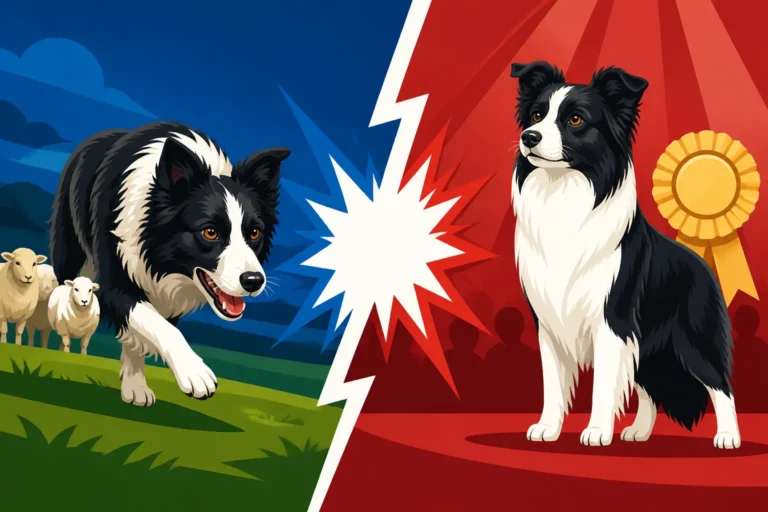
The Border Collie is often considered the quintessential herding dog, developed to work vast tracts of open land, moving sheep with an intense, almost hypnotic "eye." This drive is incredibly powerful and, frankly, quite unique. When a Border Collie locks onto something, whether it's livestock, a frisbee, or even a shadow on the wall, their focus is absolute. This intensity is what makes them phenomenal working dogs and top-tier competitors in dog sports like agility and obedience.
However, this laser-like focus and high prey drive can manifest in challenging ways in a typical pet home. Many Border Collies, without proper redirection and a suitable outlet for their instincts, will attempt to "herd" children, other pets, or even household guests by nipping at heels or circling. It's not aggression; it's deeply ingrained instinct. They are constantly observing, processing, and looking for something to do, something to control, something to work. They don't just want to participate; they want to master. This means that living with a Border Collie often involves a dedicated effort to channel that drive constructively every single day. If you don't give them a job, they will find one, and it might not be one you appreciate.
Australian Shepherd's Versatility
Australian Shepherds, while also herding dogs, were bred for a slightly different role: working cattle and sheep on ranches. Their style is often described as more upright and boisterous, less about the intense "eye" and more about physical presence and problem-solving within a complex environment. They might be asked to drive stock, gather strays, or even guard the ranch property, making them incredibly versatile.
This versatility translates into a dog that often possesses a wider array of skills and a different kind of "work ethic" than a Border Collie. An Aussie is generally more outwardly social and less reserved than a Border Collie, readily engaging with new people and situations (though individual temperaments vary). While they still have a strong herding instinct, it's often expressed with more pushing and nudging than the intense stare and stalk of a Border Collie. They are highly intelligent and trainable, but their focus might be broader. They enjoy learning new tricks, participating in various dog sports, and generally being involved in family activities. They are often described as having a strong desire to please, making them enthusiastic partners in training. For a pet home, this can mean a dog that adapts more readily to a variety of active pastimes, from hiking and swimming to urban adventures, without the same level of existential need to control their environment that a Border Collie often displays.
Energy Requirements and Exercise Needs
This is perhaps the biggest misconception. People often say, "I'm an active person, I can handle an energetic dog!" But the sheer volume and type of energy these breeds possess are in a league of their own. It's not just about getting them tired; it's about fulfilling their deep-seated need for physical and mental engagement.
The Border Collie's Endurance Machine
Let's be blunt: a Border Collie's energy levels are off the charts. We're not talking about a couple of walks around the block. We're talking about a dog that can run for miles, work for hours, and then be ready to do it all again after a short break. These dogs were bred to cover vast distances on a farm, constantly moving stock. That genetic programming doesn't just disappear because they're living in your suburban home.
An adult Border Collie typically needs at least two hours of vigorous exercise every single day, often broken into multiple sessions. And that's just the physical aspect! Without significant mental stimulation, such as advanced obedience training, puzzle toys, scent work, or dog sports, a Border Collie can become destructive, anxious, and generally quite a handful. They thrive on having a job, a purpose. Simply letting them run in a backyard, no matter how large, is rarely enough; they need directed activity. Many owners find that Why a Border Collie Cannot Stop on Its Own describes their dog perfectly – these dogs often don't have an "off switch" unless taught and managed carefully. If you're hoping for a dog that will be content with a quick morning jog and then nap all afternoon while you work, a Border Collie is likely to be a frustrating mismatch. They need dedicated commitment from their owners, often requiring creative solutions for Mental Work That Tires a Border Collie Faster to avoid behavioral issues.
The Aussie's Active Lifestyle
Australian Shepherds are also incredibly energetic dogs, make no mistake. They need substantial exercise, but their requirements, while high, are often a touch more flexible than a Border Collie's unrelenting drive. An Aussie can typically thrive with 60-90 minutes of dedicated, vigorous exercise daily, coupled with mental engagement. They love to run, hike, swim, and play fetch, and they excel in dog sports like agility, flyball, and frisbee.
What distinguishes the Aussie's energy from a Border Collie's is often its slightly more adaptable nature. While they need to be active, they might be a bit more content to relax by your side after a good workout, especially if they feel included in family activities. They enjoy having a "job" but are often satisfied with being your active companion, whether that means going on long trail runs, playing fetch in the park, or participating in a fun training class. They're still not couch potatoes, and a bored Aussie can certainly develop destructive habits or excessive barking. However, their mental stimulation might come from a wider variety of sources, and they might not possess the same obsessive need for constant, directed work that many Border Collies exhibit. Think of an Aussie as a keen athlete who loves their sport but can also enjoy a chill evening, whereas a Border Collie is often living and breathing their sport 24/7.
Trainability and Mental Stimulation
Both breeds are celebrated for their intelligence, but this also means they are incredibly quick learners – for better or worse! Training these dogs isn't just a basic necessity; it's a vital part of their daily routine and mental well-being.
Border Collie: The Master Student
Border Collies consistently rank at the top of intelligence lists, and for good reason. They are incredibly bright, often learning new commands in just a few repetitions. This makes them absolute stars in competitive obedience, agility, and herding trials. They thrive on challenges and problem-solving, and they love to engage their minds. For an owner who enjoys delving deep into dog training, a Border Collie can be an incredibly rewarding partner.
However, this high intelligence comes with a significant caveat: they are just as adept at learning undesirable behaviors as they are at learning "sit" and "stay." Without consistent, clear, and engaging training, a Border Collie will quickly become bored and find their own entertainment, which often involves destructive chewing, excessive barking, or obsessive behaviors like chasing shadows and light. Their intense focus (often called "the eye") means they can quickly become fixated. Early and ongoing socialization is critical to prevent shyness or reactivity, and they need a handler who is always one step ahead. A Border Collie isn't just waiting for commands; they are often analyzing the situation, trying to anticipate what you want, and sometimes even trying to manage you. This is why How Few Repetitions a Border Collie Needs is astounding, but it also means you always need to be thinking about what you're teaching them, even unintentionally. For these dogs, training isn't just about good manners; it's about providing an essential outlet for their brilliant minds.
Australian Shepherd: Eager to Please
Australian Shepherds are also highly intelligent and eager to learn, making them very trainable. They share the Border Collie's aptitude for dog sports and excel in areas like obedience, agility, frisbee, and flyball. They generally respond well to positive reinforcement and appreciate having a job to do. Their intelligence, combined with their strong desire to please their owners, makes them excellent candidates for a variety of roles, from therapy dogs to search and rescue.
While they are quick learners, their learning style might be slightly different from the Border Collie's intense, focused absorption. Aussies often enjoy a wider variety of training activities and are generally more forgiving of handler errors. They possess a keen observational intelligence and are often described as "thinking" dogs, capable of figuring things out independently. However, like Border Collies, a lack of mental stimulation will lead to boredom and potential behavioral problems. They need consistency and clear communication, but they might not develop the same level of obsessive focus on specific tasks that some Border Collies do. For a pet owner looking for a highly intelligent and engaged companion who enjoys learning and participating in many different activities, an Australian Shepherd can be an absolutely fantastic choice. They are keen to be involved and appreciate being given tasks, whether it’s helping carry in groceries or learning complex trick sequences.
Temperament and Family Life
When you bring a dog into your home, you're not just getting an athlete or a scholar; you're getting a family member. How these breeds typically interact with people, children, and other pets is crucial for a harmonious household.
Border Collie's Reserved Nature
Border Collies, while fiercely loyal and loving to their own families, can often be reserved, even aloof, with strangers. This isn't necessarily a negative trait; it's a part of their heritage as a working dog that primarily bonded with one handler and focused on their job. They might politely tolerate new people but aren't typically the type to rush up for boisterous greetings with everyone they meet. Early and extensive socialization is paramount to ensure they grow into well-adjusted adults, comfortable with the sights, sounds, and people of the world.
Around children, a Border Collie's herding instincts can sometimes kick in. They might try to "gather" running children, which can involve nipping at heels or nudging. This is rarely malicious, but it can be startling for kids and needs careful management and training. Teaching What Children Have to Learn Around a Border Collie is essential for both dog and child's safety and peace of mind. They generally do best in homes with older, respectful children who understand how to interact with a dog and are not prone to sudden, chaotic movements. They thrive in a structured environment with clear rules and boundaries. While they love their families deeply, they are often less overtly demonstrative than many other breeds. They tend to form strong bonds with a select few, often leaning towards one primary caregiver. Life in an apartment is possible, but demands extraordinary commitment to Living With a Border Collie in an Apartment to ensure their needs are met daily.
Australian Shepherd's Sociability
Australian Shepherds tend to be more outwardly friendly and gregarious than Border Collies, though they can still be a bit reserved with strangers at first. Once they accept someone, they are usually warm and affectionate. They often enjoy being the center of attention and thrive on being involved in family activities. Their outgoing nature can make them wonderful family companions, often forming strong bonds with all members of the household.
Aussies generally do well with children, often showing a natural patience and playfulness. However, their herding instincts can still manifest with kids, leading to nipping or nudging, so supervision and teaching boundaries are always important. They are typically more adaptable to a bustling family environment, often enjoying the chaos and interaction. They tend to be more openly affectionate, readily offering cuddles and seeking physical contact. Their sociability extends to other pets as well; with proper introductions and socialization, many Aussies coexist happily with other dogs and even cats. For a family looking for an intelligent, active, and highly engaged dog that will be a central part of their daily life, the Australian Shepherd often presents a more naturally outgoing and adaptable temperament.
Grooming and Health Considerations
No matter which breed you choose, responsible ownership means understanding their unique care requirements and potential health challenges. This is where researching breeders and considering pet insurance really pays off, allowing you to prepare for costs beyond daily food and toys you might pick up from Chewy.
Coat Care Differences
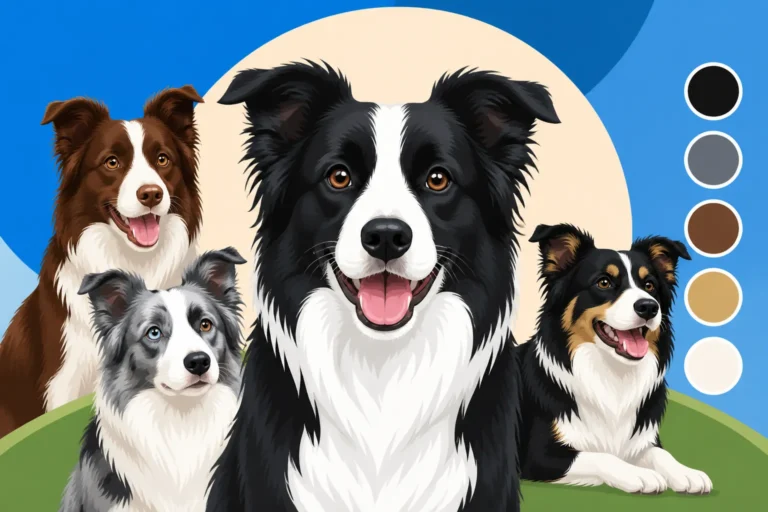
Both breeds come in various colors and patterns, and both can have either a rough (medium-long) or smooth (short) coat, though the rough coat is far more common in Border Collies, and the medium-length double coat is typical for Australian Shepherds.
Border Collie:
A rough-coated Border Collie needs regular grooming to prevent mats and keep its coat healthy. This means brushing several times a week, especially around the ears, armpits, and 'trousers' on their hind legs, where matting is most likely. They have a dense double coat that sheds year-round, with heavier "blow-outs" twice a year. A good deshedding tool and consistent effort are essential to keep your home from becoming covered in fur. Grooming a Rough-Coated Border Collie involves more than just a quick brush; it's a routine commitment. Smooth-coated Border Collies, while still shedding, require less intense brushing, perhaps once a week, to maintain their shorter, denser coat. Regardless of coat type, they don't generally require professional clipping, as it can damage their protective double coat.
Australian Shepherd:
Australian Shepherds typically have a medium-length double coat that is dense and water-resistant. Like Border Collies, they shed year-round and experience heavier seasonal shedding. Their feathering on the legs and tail can also mat if not brushed regularly. Most Aussies will need brushing 2-3 times a week, and more frequently during shedding seasons, to remove loose hair and prevent tangles. Their coats tend to be slightly coarser than a Border Collie's, which can sometimes make them a bit more prone to collecting burrs and debris if they spend a lot of time outdoors. While they don't require elaborate grooming, neglecting their coat can lead to uncomfortable mats and skin issues.
Common Health Concerns
Both breeds are generally robust and healthy, but like all purebreds, they are prone to certain genetic conditions. Reputable breeders will screen their breeding stock to minimize the risk of passing on these conditions.
Border Collie:
Border Collies can be susceptible to a range of genetic conditions. Hip and elbow dysplasia are concerns, and responsible breeders will conduct Hip and Elbow Scores in a Border Collie on their breeding dogs. Eye conditions such as Collie Eye Anomaly (CEA) and Progressive Retinal Atrophy (PRA) are also important to screen for, as outlined in articles like Collie Eye Anomaly in a Border Collie Puppy. Epilepsy is another significant health issue that can affect Border Collies, often appearing between one and five years of age, as discussed in Epilepsy in a Border Collie Between One and Five. Additionally, some Border Collies can carry the MDR1 gene mutation, which makes them sensitive to certain common veterinary drugs. Genetic testing, like The Border Collie Genetic Panel and What It Screens, is crucial for knowing your dog's status. While genetic testing can seem like an added expense, The Cost of Border Collie Genetic Testing is a small price to pay for peace of mind and informed care throughout your dog's life.
Australian Shepherd:
Australian Shepherds also have their share of genetic health concerns. Hip and elbow dysplasia are common, and breeders should also screen for these conditions. Eye issues are prevalent in Aussies, including hereditary cataracts, Collie Eye Anomaly, and Progressive Retinal Atrophy. For merle-patterned Aussies, ensuring that two merles are not bred together is critical to avoid "double merle" offspring, who often suffer from severe vision and hearing impairments. Epilepsy is another condition seen in the breed. Like Border Collies, some Australian Shepherds also carry the MDR1 gene mutation, making drug sensitivity an important consideration. Reputable breeders will perform comprehensive genetic testing and provide health clearances for their breeding dogs.
Comparing Border Collie and Australian Shepherd Traits
To help solidify the differences, here's a quick comparison of some key traits you might consider for a pet home. Remember, these are generalizations, and individual dogs will always vary, but this table highlights the general tendencies of each breed.
| Feature | Border Collie (General Tendencies) | Australian Shepherd (General Tendencies) |
|---|---|---|
| Herding Style | Intense "eye," stalk, gather, precise. | Upright, boisterous, physical presence, problem-solving, drive. |
| Energy Level | Extremely high, relentless endurance, requires constant output. | Very high, athletic, strong stamina, but often slightly more adaptable. |
| Mental Need | Critical for complex, structured tasks; master students. | High, enjoys varied learning; eager to please; versatile problem-solvers. |
| Sociality (Strangers) | Often reserved, can be aloof; needs extensive socialization. | More outwardly friendly, can be initially reserved but warms up quicker. |
| Interaction (Family) | Deeply loyal, forms strong bond with primary handler; less overtly demonstrative. | Affectionate, enjoys being involved with all family members; more demonstrative. |
| Child Suitability | Best with older, respectful children; herding instincts need management. | Generally good with children; herding instincts need management. |
| Grooming (Rough/Standard) | Regular brushing (several times/week), heavy shedding. | Regular brushing (2-3 times/week), heavy shedding. |
| Primary Challenge | Managing intense drive, preventing obsessive behaviors, providing enough "work." | Managing high energy, ensuring consistent stimulation, preventing boredom. |
Which Breed is Right for Your Pet Home?
Deciding between a Border Collie and an Australian Shepherd for a pet home really comes down to an honest assessment of your lifestyle, your experience with dogs, and what you're truly prepared to commit to on a daily basis, for potentially a decade or more.
If you are an experienced dog owner, perhaps someone who has successfully trained working breeds before, and you thrive on deeply engaged, complex training, and perhaps even competing in high-level dog sports, a Border Collie might be your ideal partner. If you envision spending hours each day doing advanced obedience, agility, or engaging in sheepdog trials, and you can provide an incredibly structured and mentally stimulating environment, the Border Collie's unparalleled drive and intelligence will shine. They demand a handler who is as committed and intelligent as they are, someone who sees the world as a constant training opportunity. You'll want to have a good supply of enrichment toys and quality food readily available, perhaps stocked up through a convenient retailer like Chewy, to keep them engaged and well-fed.
However, if you're looking for a highly intelligent, active, and affectionate family companion who can join you on adventures, excel in various dog sports, and still be happy to cuddle on the couch after a good day's work, an Australian Shepherd might be a better fit. They are often more adaptable to different family dynamics and may be a bit more forgiving for first-time active dog owners, or those who want an intelligent dog but perhaps aren't aiming for the absolute pinnacle of competitive dog sports. An Aussie will happily accompany you on long hikes, learn tricks, and play fetch for hours, but they often have a more pronounced "off switch" than many Border Collies. They still require substantial commitment to exercise and mental stimulation, but their versatility in fulfilling these needs might be a bit broader. You'll still need durable toys from places like Chewy to stand up to their vigorous play sessions.
Ultimately, neither breed is a "set it and forget it" kind of dog. Both require significant time, effort, and financial investment. The biggest mistake you can make is underestimating their needs. By understanding their distinct herding instincts, energy levels, and temperaments, you can make an informed decision that leads to a fulfilling relationship for both you and your future canine companion.
Disclaimer
This article is for general informational purposes only and does not constitute professional advice. Laws, prices and regulations vary by location and change over time. Consult a qualified professional for guidance on your specific situation.