Grooming a Rough-Coated Border Collie
If you've welcomed a rough-coated Border Collie into your life, you've probably already fallen for that glorious, flowing mane, those expressive featherings, and that impressive tail plume. But along with all that beauty comes the very real challenge of keeping it pristine and healthy. This isn't just about looking good; it's about preventing painful mats, skin issues, and keeping your energetic companion comfortable. This guide will walk you through everything you need to know to care for that magnificent coat, from the daily brush-throughs to tackling the dreaded shedding season.
The Beauty and Challenge of the Rough Border Collie Coat
The rough coat is arguably the most iconic look for a Border Collie, giving them that classic, windswept appearance. But beneath that visible beauty lies a complex structure that serves a vital purpose for a working dog, and understanding it is the first step to successful grooming. It's not just "long hair"; it's a finely tuned piece of canine engineering.
What Defines a "Rough" Coat
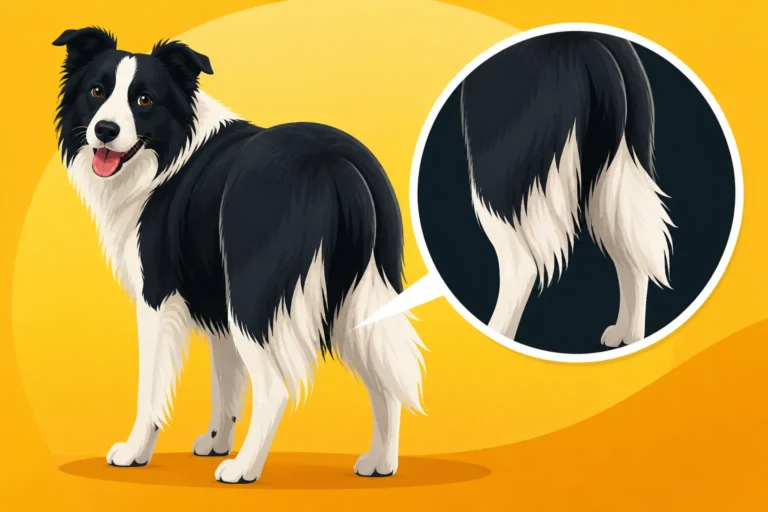
A rough-coated Border Collie typically features a medium to long outer coat that can be straight or slightly wavy. This isn't fine, silky hair; it's generally coarse and weatherproof. What truly defines it, however, is the dense, soft undercoat beneath. This undercoat is what provides insulation, protecting your dog from both cold and heat, and repelling water. You'll notice the length most prominently on their legs, known as "feathering," on their belly, and especially on their tail, which often boasts a beautiful, full plume. This isn't just for show; it's all part of their natural protective gear.
Why the Double Coat is So Important
The Border Collie's double coat is its armor against the elements. The rough outer guard hairs act like a protective shield, shedding dirt, burrs, and water, while the dense undercoat provides incredible insulation. Think of it like a natural Gore-Tex jacket. In winter, it traps warm air close to the body, keeping them toasty. In summer, it actually helps to regulate their temperature by preventing the sun's rays from reaching their skin and allowing air to circulate, acting as a natural cooling system. Many new owners mistakenly believe shaving a double-coated dog in summer will help them cool down, but it actually disrupts this natural process, often leading to overheating and potential sunburn. This coat is designed for hard work outdoors, enduring rain, wind, and even snow, making proper care crucial for its functionality.
Common Misconceptions About Rough Coats
One of the biggest misconceptions is that a rough coat needs constant trimming or even shaving, especially in warmer climates. As mentioned, shaving a double-coated dog can severely damage its ability to regulate temperature, often leading to duller, coarser regrowth that is prone to matting and offers less protection. Another common thought is that rough coats shed more than smooth coats. While they might seem to shed more because the hair is longer and more visible, both types of Border Collies have a double coat and undergo significant seasonal shedding. The rough coat simply captures more of the shed hair within its own layers, which is why diligent brushing is so important. Ignoring this shed hair is a suone-way ticket to a matted mess. Many also believe that daily brushing is overkill, but for a truly active rough-coated Border Collie, especially one that works or plays in varied terrain, it's often essential to prevent minor tangles from becoming serious issues.
Essential Tools for Your Grooming Arsenal
You don't need a professional grooming setup, but having the right tools on hand will make all the difference in maintaining your Border Collie's coat. Skimping on quality here will only lead to frustration for both you and your dog. Think of it as investing in their comfort and your peace of mind.
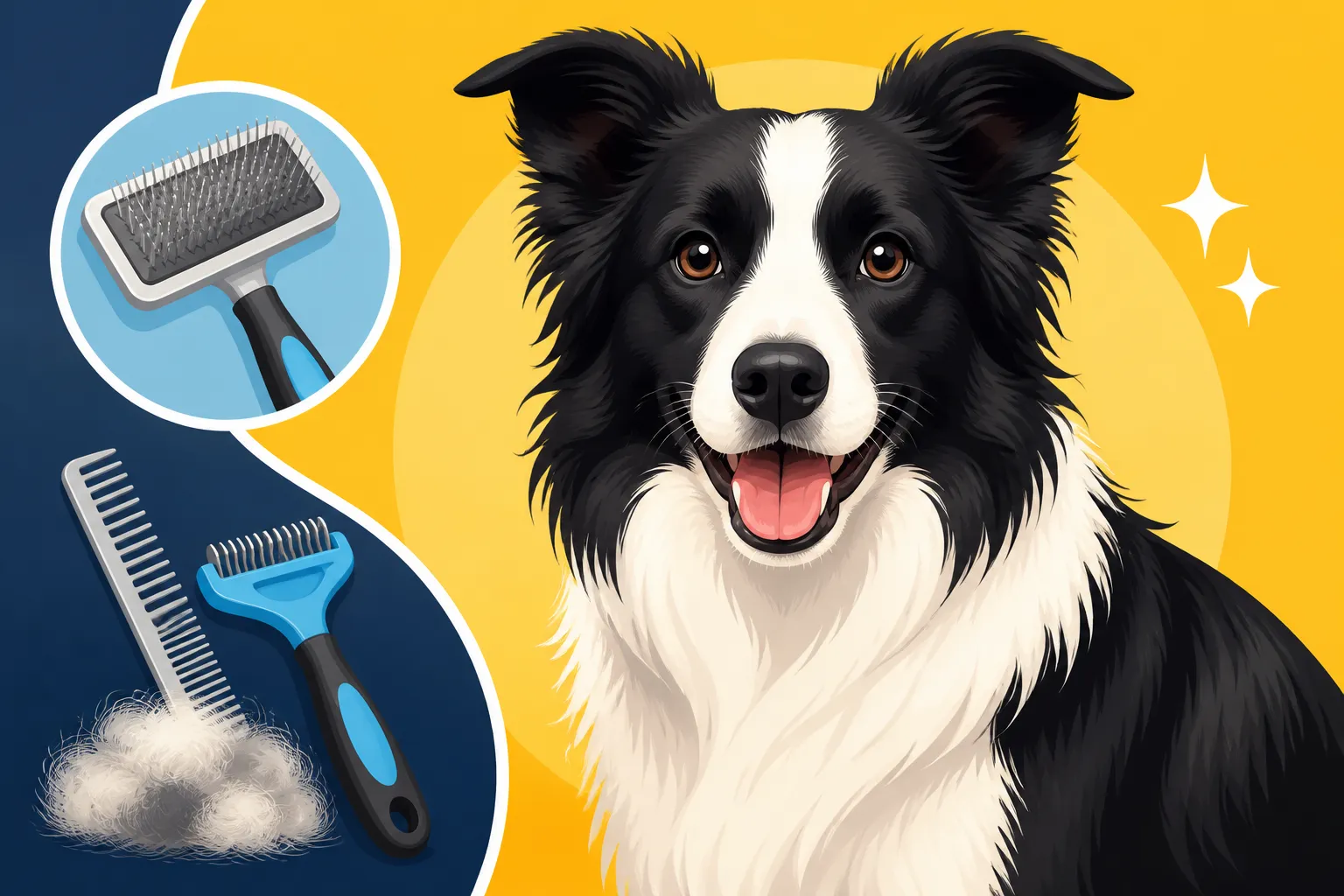
Brushes: Deshedding, Pin, and Slicker
You'll want a small collection of brushes, each serving a distinct purpose:
- Slicker Brush: This brush features fine, short wires packed closely together on a flat or curved surface. It's fantastic for general detangling and removing loose undercoat. Use it gently, with short strokes, working in layers to avoid scratching the skin. It’s particularly effective during shedding season for pulling out dead hair from the undercoat.
- Pin Brush: Resembling a human hairbrush, a pin brush has widely spaced metal pins, often with rubber tips. This is great for longer hair, such as the feathering on legs and tail, and for the topcoat. It helps to smooth the coat, gently remove superficial tangles, and is generally more comfortable for your dog for everyday, light brushing. It won't get deep into the undercoat like a slicker, but it's excellent for finishing and stimulating circulation.
- Undercoat Rake (Deshedding Tool): This is a game-changer, especially during those heavy shedding periods. Undercoat rakes have one or two rows of blunt, widely spaced teeth designed to penetrate the topcoat and pull out large amounts of loose undercoat without damaging the guard hairs. Brands like Furminator are popular, but many varieties exist. Use it carefully and sparingly, as over-raking can irritate the skin. This tool is your secret weapon for minimizing the amount of hair tumbleweeds floating around your house during seasonal changes. You'll be amazed at how much loose hair comes out with each stroke.
Combs: Wide-Tooth, Fine-Tooth, and Mat Rakes
Combs are your detail tools, essential for checking your work and tackling specific problem areas.
- Wide-Tooth Comb: This is your primary detangling comb. After a good brush with a slicker, run a wide-tooth comb through the coat to ensure all knots are gone. It's especially useful for the longer hair on the tail, legs, and belly. If the comb snags, you know there's a tangle you missed.
- Fine-Tooth Comb: Once you can smoothly run the wide-tooth comb through, a fine-tooth comb is great for checking for any remaining small knots or for grooming delicate areas like behind the ears or around the muzzle. This comb is also invaluable for finding fleas or other parasites, should you ever suspect them.
- Mat Rake/Splitter: For those inevitable mats that form despite your best efforts, a mat rake or splitter can be incredibly helpful. These tools have sharp, inwardly curving blades designed to cut through mats without pulling on your dog’s skin. Exercise extreme caution when using these; improper use can cause injury. Always work away from the skin, and never try to force it through a tight mat. If you find significant matting, you might consider reaching out to a professional groomer rather than risk injuring your dog. For minor tangles, a good quality conditioning spray can also help immensely before gently working through with a wide-tooth comb. Mats Behind a Rough Border Collie's Ears are a prime example of where these tools, used carefully, can be invaluable.
Shampoos, Conditioners, and Drying Aids
Just like humans, dogs benefit from good quality bathing products, especially when they have a lot of hair.
- Shampoo: Look for a dog-specific shampoo that is pH-balanced and formulated for their skin. Oatmeal-based shampoos are often soothing for sensitive skin, and deshedding shampoos can be a lifesaver during seasonal blows. Avoid human shampoos, as they can dry out your dog's skin and coat. You can find excellent options on retailers like Chewy or Amazon.
- Conditioner: A good conditioner helps to moisturize the coat, making it softer, shinier, and easier to brush, which in turn helps prevent future matting. It also helps to restore moisture that the shampoo might strip away. Some conditioners are leave-in, which can be particularly useful for those longer featherings.
- High-Velocity Dryer: While not strictly essential, a high-velocity dog dryer can drastically cut down drying time after a bath, and more importantly, it helps to "blow out" loose undercoat. This is far more effective than a human hairdryer and is one of the best investments you can make for a double-coated dog. It prevents moisture from being trapped against the skin, which can lead to hot spots, and truly helps you get deep into that thick undercoat to remove shed hair. If you've ever battled with trying to dry a Border Collie after a wet walk or a muddy romp, you'll understand the appeal of a powerful dryer.
Establishing a Regular Brushing Routine
Consistency is key when it comes to maintaining a rough Border Collie coat. A little effort often can save you from a lot of effort rarely, especially when dealing with mats. It's not just about brushing; it's about creating a positive bonding experience.
How Often and How Long to Brush
For a rough-coated Border Collie, especially an active one, aiming for a thorough brush-out at least 2-3 times a week is a good baseline. During heavy shedding seasons, or if your dog is frequently out in brushy areas, daily brushing might be necessary. Each session should be long enough to work through the entire coat, typically 15-30 minutes, depending on the dog's coat condition and size. Don't rush it; a hurried brush-out is often ineffective and can pull on tangles, making the experience unpleasant for your dog. The goal is to get down to the skin, removing loose undercoat and preventing mats from forming near the base of the hair shaft.
Sectioning and Brushing Technique
This is where many new owners go wrong. You can't just brush the top layer of hair. To effectively groom a rough-coated Border Collie, you need to work in sections.
- Start with a clean slate: Ensure your dog is calm and relaxed. Find a comfortable spot, perhaps on a grooming table or a sturdy surface if your dog is small enough, or on the floor with them lying down.
- Part the hair: Using your fingers or a comb, part the hair horizontally or vertically, exposing the skin.
- Brush in layers: Take a small section of hair and brush from the skin outwards, working layer by layer. Begin with your slicker brush to loosen dead hair and smaller tangles. Follow up with an undercoat rake if it's shedding season.
- Pay attention to problem areas: Areas like behind the ears, armpits, flanks, the "trousers" on the back of their hind legs, and their tail are notorious for matting. These spots require extra attention and gentle handling. Tangles Behind a Rough Border Collie's Elbows are incredibly common due to friction.
- Finish with a comb: Once you've brushed a section thoroughly, run a wide-tooth metal comb through it. If the comb glides smoothly, you're good. If it snags, there's a tangle you need to go back and address.
- Work systematically: Move across your dog's body, section by section, ensuring you cover every inch. Don't forget the belly and chest.
Remember, patience and gentle strokes are paramount. You want your dog to associate grooming with comfort and positive attention, not pain.
Making Grooming a Positive Experience
Grooming doesn't have to be a battle. Start early, ideally when your Border Collie is a puppy, and make it a positive experience.
- Short, frequent sessions: Especially when starting, keep sessions brief – just a few minutes – and gradually increase the duration as your puppy gets used to it.
- Rewards, rewards, rewards: Use high-value treats and praise generously during and after grooming. Associate the brush with good things.
- Gentle handling: Never pull on knots or rush. If your dog shows discomfort, pause, reassure them, and try again gently. You might need to use a detangling spray to help loosen difficult knots.
- Consistency: Stick to a routine so your dog knows what to expect. Predictability can reduce anxiety.
- Special grooming spot: Designate a specific spot for grooming, like a mat or a raised table, so your dog understands it's "grooming time." This helps them mentally prepare.
- Observation: Pay attention to your dog's body language. If they're stressed, try to identify the cause (e.g., pulling too hard, a specific tool they dislike) and adjust your approach. A calm, comfortable dog is much easier to groom.
Conquering Mats and Tangles
Mats are the bane of any rough-coated dog owner's existence. They're not just unsightly; they can be incredibly painful, pulling on the skin, causing irritation, and even leading to skin infections. Prevention is always better than cure.
Preventing Mats Before They Start
The absolute best way to deal with mats is to stop them from forming in the first place. This circles back to a consistent and thorough brushing routine.
- Regular, deep brushing: As discussed, brush frequently and ensure you're getting through the topcoat to the undercoat. Areas of high friction, like collars, harnesses, behind the ears, and armpits, are mat magnets. Pay extra attention there.
- Keep hair trimmed in high-friction areas: While you don't want to shave the main body, judiciously trimming hair short in sensitive areas, or areas that rub, can dramatically reduce matting. This might include sanitary trims around the rear, and very short trims in the armpits.
- Check after outdoor adventures: After a romp in the woods, tall grass, or muddy fields, always do a quick check and brush-out. Burrs, seeds, and debris can quickly embed themselves and form mats.
- Proper bathing and drying: Never let a rough-coated Border Collie air dry. The undercoat can stay damp for a long time, leading to skin issues and tightening any existing tangles into solid mats. Always dry thoroughly, preferably with a high-velocity dryer. Drying a Border Collie After a Wet Day's Work is crucial for mat prevention.
- Quality diet and supplements: A healthy coat starts from within. A balanced diet rich in omega fatty acids can contribute to healthy skin and coat, making it less prone to dryness and matting.
Safely Removing Minor Tangles
Even with the best prevention, small tangles can still pop up. Here's how to tackle them safely:
- Gather your tools: You'll need a detangling spray (a good one can make a huge difference), a wide-tooth comb, and possibly a slicker brush.
- Isolate the tangle: Gently hold the hair at the base of the mat, close to the skin, to prevent pulling and hurting your dog. This is critical.
- Spray and work: Apply detangling spray liberally to the mat. Let it sit for a minute.
- Tease it apart: Start from the outer edge of the mat, using just the tips of your wide-tooth comb or even your fingers. Gently try to tease apart the tangle, working outwards. Never yank or pull.
- Small sections: Break the mat into smaller sections if possible. Use a technique sometimes called "line brushing," where you brush or comb small sections of hair out from the mat.
- Slicker brush finish: Once the mat is mostly separated, use a slicker brush very gently to brush through the area.
- Patience: This takes time. If your dog gets restless, take a break and come back to it. Forcing it will only make them dread future grooming sessions.
When to Seek Professional Help for Severe Matting
Sometimes, a mat is just too big, too tight, or too close to the skin for you to safely remove it at home. This is not a failure on your part; it's a responsible decision to prevent pain and injury to your dog.
- Pain and discomfort: If the mat is causing your dog pain when you touch it, or if they're showing signs of skin irritation underneath, it's time for a pro.
- Location: Mats in sensitive areas like armpits, groin, or very close to the ears are best left to experienced hands.
- Size and density: If a mat is large, dense, and feels like felt, it probably needs to be shaved out. Trying to comb this out can be incredibly distressing and painful.
- Underlying skin issues: If you suspect there's a hot spot, infection, or other skin problem under a mat, a groomer can safely remove the hair to allow for veterinary examination and treatment.
A professional groomer has specialized tools, knowledge, and experience to handle severe matting, often requiring clippers and a very steady hand. They can remove the mats safely, even if it means shaving certain areas, and help your dog start fresh with a healthy coat. Remember, their priority is your dog's welfare.
Bathing Your Rough-Coated Border Collie Effectively
Bathing a rough-coated Border Collie isn't just a quick splash in the tub. Done incorrectly, it can make matting worse or lead to skin issues. Done right, it contributes to a healthy, clean coat.
Pre-Bath Prep: Brushing and Gathering Supplies
Before your Border Collie even steps foot near the tub, there are two crucial steps:
- Thorough Pre-Bath Brush-Out: This is non-negotiable. Never bathe a matted dog. Water will only make mats tighten and felt closer to the skin, making them nearly impossible to remove without shaving. Spend extra time brushing through every inch of your dog's coat, ensuring all tangles and loose hair are removed. Use your slicker brush and undercoat rake to get as much shed hair out as possible. This also helps the shampoo penetrate better.
- Gather All Supplies: Have everything you need within arm's reach before the water starts. This includes:
- Dog-specific shampoo and conditioner
- Towels (lots of them!)
- A non-slip mat for the tub or shower
- Cotton balls for ears (to prevent water from entering the ear canal)
- Treats for positive reinforcement
- Your high-velocity dryer, if you have one, plugged in and ready.
This preparation will make the bathing process smoother and less stressful for both of you.
The Bathing Process: Wetting, Lathering, Rinsing
Once you're ready, here's how to proceed:
- Wetting: Use lukewarm water. Thoroughly wet your dog's entire coat, making sure the water penetrates right down to the skin. This can take longer than you think with a dense double coat. Start from the neck and work your way down. Be careful around the face; use a damp washcloth for their muzzle and eyes instead of direct water spray. Place cotton balls gently in their ears to keep water out.
- Lathering: Apply a generous amount of shampoo, working it into a lather across their entire body. Again, ensure it reaches the skin. Don't rub too vigorously, especially if there are any tiny tangles left, as this can create more mats. Focus on gently massaging the shampoo in. Pay attention to dirty areas like paws, belly, and under the tail.
- Rinsing: This is perhaps the most important step. Rinse, rinse, and rinse again! Any shampoo residue left in the coat can irritate the skin, lead to flaking, and attract dirt, potentially causing future mats. Keep rinsing until the water runs clear and you can no longer feel any slickness on the coat or skin. If you think you've rinsed enough, rinse for another five minutes. Seriously. A thorough rinse is particularly important for areas like the feathering and tail plume, where shampoo can easily hide.
- Conditioning (Optional but Recommended): After rinsing the shampoo, apply conditioner. Work it through the coat, focusing on areas prone to matting or dryness. Let it sit for a few minutes as directed on the bottle, then rinse thoroughly.
Drying Thoroughly: The Key to Preventing Hot Spots and Mats
Drying is just as critical as rinsing, if not more so for a rough-coated dog.
- Towel Dry: After the bath, gently squeeze excess water from the coat. Then, use towels to blot and absorb as much moisture as possible. Avoid rubbing vigorously, as this can tangle the hair and create mats.
- High-Velocity Dryer: If you have one, this is the time to use it. A high-velocity dryer forces water out of the coat and helps to straighten the hair, making it less prone to tangles. It also helps to "blow out" any remaining loose undercoat. Work in sections, drying down to the skin. Keep the nozzle moving to avoid overheating any one spot. The air should feel warm, not hot.
- Regular Hair Dryer (if no HV dryer): If you don't have a high-velocity dryer, you can use a regular human hairdryer on a cool or low-heat setting. Hold it a good distance from the coat and keep it moving constantly. This will take significantly longer.
- Brush while drying: As you dry, gently brush through the coat with a slicker or pin brush to ensure it dries straight and tangle-free. This helps separate the hairs and prevents matting as they dry.
- Check for damp spots: Pay special attention to the dense areas: the neck ruff, chest, belly, tail, and especially the hindquarters ("trousers"). These areas are prone to staying damp, which can lead to skin irritation or Hot Spots on a Border Collie. Ensure your dog is completely dry before allowing them to run around, especially in cold weather, to prevent chilling.
Navigating the Dreaded Shedding Season
Every Border Collie owner knows the struggle of shedding season. It feels like your dog is constantly "blowing coat," leaving drifts of fur in their wake. It's a natural process, but one that requires active management.
Understanding the Border Collie's Seasonal Shed
Border Collies, with their dense double coats, typically have two major "shedding seasons" a year – often in spring and fall. This is when they shed their old undercoat to make way for a new one, adapting to the changing temperatures. In spring, they shed their heavy winter coat to prepare for warmer weather, and in fall, they shed their lighter summer coat to grow in a denser one for winter. This process is often referred to as "blowing coat." While there's always some shedding year-round, these periods are intense. You might notice clumps of hair coming out easily, or literally pulling handfuls of undercoat from your dog. This is normal, albeit messy. Indoor dogs, due to consistent indoor temperatures and artificial lighting, might shed more consistently throughout the year rather than having distinct seasonal "blows." However, the sheer volume of hair during a seasonal shed can still be staggering. The Two Weeks a Border Collie Blows Its Coat can feel like an eternity.
Intensive Deshedding Strategies
During shedding season, your regular brushing routine won't quite cut it. You need to ramp up your efforts:
- Daily, thorough brushing: Commit to brushing your Border Collie every day, focusing on getting deep into the undercoat. This is where your undercoat rake and slicker brush will become your best friends. Work systematically, section by section, to remove as much loose hair as possible.
- Utilize deshedding tools: Tools specifically designed to remove undercoat, like certain rakes or specialized brushes, are incredibly effective during this time. They penetrate the topcoat and pull out the dead, fuzzy undercoat without cutting the healthy guard hairs.
- "Blowing out" the coat: If you have a high-velocity dryer, use it weekly during shedding season. The powerful blast of air will help push out loose undercoat that brushing alone might miss. This can be done in conjunction with a bath or as a dry session. It makes an enormous difference in reducing the amount of hair in your home.
- Consider a professional deshedding service: Many groomers offer specialized deshedding treatments that can drastically reduce shedding for weeks. If you're overwhelmed or simply can't keep up, this is a worthwhile investment. They have powerful equipment and techniques that can extract an incredible amount of loose hair.
Managing Hair in Your Home
Even with intensive deshedding, a Border Collie in full shed will still leave its mark on your home. It's an ongoing battle, but you can win!
- Frequent vacuuming: Invest in a good quality vacuum cleaner, ideally one designed for pet hair. Vacuum daily, or even twice a day, during peak shedding.
- Lint rollers and sticky tape: Keep these handy for clothes, furniture, and car interiors. They're surprisingly effective for quick clean-ups.
- Furniture covers: Use washable covers on couches and chairs where your dog likes to relax. This makes cleaning much easier.
- Designated "fur zones": Teach your dog to settle on a specific blanket or bed that can be easily washed or shaken out.
- Air purifiers: While they won't eliminate all hair, air purifiers with good HEPA filters can help reduce airborne dander and some lighter hairs, which can be beneficial for allergy sufferers.
- Washing machine care: Be sure to clean your washing machine's lint trap (if it has one) frequently when washing dog bedding or items covered in hair, to prevent clogs.
Beyond the Coat: Holistic Grooming Care
Grooming a Border Collie isn't just about their impressive coat; it involves attending to other vital areas that contribute to their overall health and comfort. Neglecting these aspects can lead to pain, infection, or discomfort for your hardworking companion.
Nail Trimming: Keeping Paws Healthy
Overgrown nails are a common issue and can lead to serious problems for an active dog. When nails get too long, they can:
- Cause pain: Long nails push back into the nail bed, putting pressure on the toe joints and making it uncomfortable to walk, stand, or run.
- Alter gait: To compensate for long nails, dogs can adjust their posture and gait, which can lead to strain on other joints, including the hips and elbows. This is especially problematic for a dog that runs and turns quickly. Nail Length and How a Border Collie Turns is crucial for their performance.
- Break or split: Long nails are more prone to catching and tearing, which can be incredibly painful, bleed heavily, and may require veterinary attention.
- Ingrown nails: If left untrimmed, the dewclaw (a fifth toe on the inner side of the leg) can grow in a circle and eventually dig into the paw pad, causing severe pain and infection.
How to Trim Nails:
- Frequency: Aim to trim nails every 2-4 weeks. If you hear their nails clicking on hard floors, they are too long.
- Tools: Use sharp, dog-specific nail clippers (guillotine or scissor style) or a Dremel grinder.
- Technique: Only clip the tip of the nail, avoiding the "quick" – the pink part containing blood vessels and nerves. If your dog has dark nails, it can be harder to see the quick, so trim small amounts at a time. If you do accidentally nick the quick, don't panic. Apply styptic powder (available at pet stores or on Chewy/Amazon) to stop the bleeding.
- Positive Association: Make nail trims a positive experience with treats and praise. If your dog is anxious, introduce the clippers slowly, and do one nail at a time if necessary.
Ear Cleaning: Preventing Infections Under Folded Ears
Border Collies typically have semi-erect or folded ears, which can trap moisture, dirt, and debris, creating a perfect breeding ground for bacteria and yeast. This makes them prone to Ear Infections Under a Border Collie's Folded Ear.
Why Ear Care is Important:
- Prevent infections: Regular cleaning helps remove wax buildup and debris before it can cause problems.
- Monitor for issues: It allows you to regularly inspect the ear for any signs of redness, swelling, unusual odor, or discharge, which are indicators of an infection.
How to Clean Ears:
- Frequency: Check your dog's ears weekly. Clean them only when they appear dirty or waxy, usually every 2-4 weeks. Over-cleaning can cause irritation.
- Supplies: Use a vet-approved ear cleaning solution and cotton balls or gauze pads. Avoid cotton swabs, as they can push debris deeper into the ear canal.
- Technique: Gently lift your dog's ear flap. Squirt a small amount of ear cleaner into the ear canal (don't push the bottle too far in). Gently massage the base of the ear for about 30 seconds to help break up wax. Allow your dog to shake their head – this helps dislodge debris. Then, use a cotton ball or gauze wrapped around your finger to gently wipe away any visible dirt and excess solution from the outer ear and the folds. Never go deeper than your finger can reach.
Paw Pad Protection and Inspection
A Border Collie's paws are their livelihood, especially if they're working or engaged in sports. They take a beating from various terrains, so regular inspection and care are essential.
What to Look For:
- Cuts, scrapes, or punctures: Always inspect the paw pads and between the toes after walks or outdoor activities. Cuts and Wire Injuries on a Border Collie's Legs can be hidden by feathering.
- Thorns, burrs, grass seeds: These can embed themselves deep into the paw, causing irritation, lameness, and infection. Grass seeds, in particular, are notorious for migrating into the body.
- Cracked or dry pads: Rough terrain, extreme temperatures, or certain allergies can lead to cracked paw pads, which are painful.
- Excessive hair between pads: Long hair between the pads can collect dirt, ice, and debris, leading to mats and irritation. It can also reduce traction.
How to Care for Paws:
- Trim paw hair: Regularly trim the hair between your dog's paw pads flush with the pads. You can use blunt-nosed scissors or a small clipper for this. This prevents matting and improves grip.
- Moisturize dry pads: If pads are dry or cracked, apply a paw balm or moisturizer designed for dogs.
- Protect in extreme weather: In winter, salt and ice can be harsh. In summer, hot pavements can burn. Consider paw waxes or dog boots for protection if your dog will tolerate them.
- Rinse muddy paws: After muddy adventures, rinse and dry paws thoroughly to prevent irritation and infection between the toes.
When to Call in the Professionals
While you can handle most of your Border Collie's grooming needs at home, there are times when bringing in a professional groomer is not just a luxury, but a necessity for your dog's health and comfort.
Recognizing When a Professional Groomer is Needed
Knowing when to wave the white flag and call a professional is a sign of a responsible pet owner. Here are some key indicators:
- Severe Matting: This is probably the number one reason to seek professional help. If your dog has developed extensive, tight mats that you cannot safely and painlessly comb out at home, a groomer has the tools and expertise to carefully shave them off. Attempting to cut out large mats yourself with scissors can easily result in accidental nicks or cuts to your dog's skin, which is often very thin and stretched underneath a mat.
- Difficult Behavior: If your Border Collie becomes overly aggressive, fearful, or stressed during grooming sessions, a professional might be better equipped to handle them. They often have specialized techniques, calming sprays, or even different tools that can make the experience less traumatic. Sometimes a fresh set of hands, without the emotional baggage of "owner-as-disciplinarian," can make all the difference.
- Skin Issues or Abnormalities: If you notice persistent itching, redness, sores, bald spots, or any unusual lumps or bumps while grooming, it's wise to consult both your vet and a professional groomer. The groomer can safely get the hair out of the way for a clearer view for the vet.
- Time Constraints: Let's be real, life gets busy. If you simply don't have the several hours a week needed to maintain a rough coat, a professional groomer can fill that gap, ensuring your dog stays comfortable and healthy. It's far better to pay for professional grooming than to let your dog suffer with a matted, unkempt coat.
- Specific Trimming Needs: While shaving a Border Collie is generally advised against, there might be specific areas that need careful trimming for hygiene or comfort (e.g., sanitary trims, paw pad trims if you're not comfortable doing them). A groomer can do these with precision. Whether a Border Collie needs a groomer is a fair question, and for many, the answer is yes, at least occasionally.
Finding a Border Collie-Savvy Groomer
Not all groomers are created equal, especially when it comes to double-coated breeds like Border Collies. You want someone who understands the unique needs of their coat.
- Ask for recommendations: Talk to other Border Collie owners, breeders, or your veterinarian for referrals. A good groomer often has a strong local reputation.
- Look for experience with double coats: When you call, specifically ask about their experience with Border Collies or other double-coated breeds (like Australian Shepherds, Goldens, etc.). Inquire about their approach to deshedding and mat removal.
- Visit the salon: If possible, visit the grooming facility before booking an appointment. Is it clean? Well-organized? Do the dogs there seem calm and comfortable?
- Ask about their drying methods: A groomer experienced with double-coated dogs should ideally use high-velocity dryers, not cage dryers (where dogs are left in a cage with a fan blowing on them, which doesn't dry the undercoat effectively and can lead to hot spots).
- Discuss pricing and services: Be clear about what services are included (bath, brush, nails, ear cleaning, deshedding treatment) and what the costs are. Don't base your decision solely on price; quality and safety are paramount.
Understanding What Your Groomer Does (and Doesn't Do)
It's important to have realistic expectations when you take your Border Collie to a groomer.
- What they will do: A good groomer will perform a thorough bath, deep conditioning, and extensive deshedding using professional tools and techniques. They will meticulously dry your dog, clean their ears, trim their nails, and perform any necessary sanitary trims. Their goal is to return your dog to you clean, comfortable, and tangle-free, with a healthy coat.
- What they won't (or shouldn't) do without discussion: Most reputable groomers will not shave a rough-coated Border Collie unless there is severe matting or a medical reason, as it can damage the coat and affect temperature regulation. If a groomer immediately suggests shaving your dog without explanation, or without checking for mats, it's a red flag.
- Communicating is key: Be honest with your groomer about your dog's temperament, any sensitive areas, or recent health issues. If your dog tends to get Tangles Behind a Rough Border Collie's Elbows, point it out. This helps them tailor their approach and ensures a safer, more positive experience for your Border Collie. Also, listen to their advice! They see many dogs and often have great tips for at-home maintenance.
Grooming a rough-coated Border Collie is an ongoing commitment, but it's one that deepens the bond with your dog and ensures their comfort and health. With the right tools, techniques, and a dose of patience, you can keep that magnificent coat in tip-top condition, ready for whatever adventures lie ahead.
Disclaimer
This article is for general informational purposes only and does not constitute professional advice. Laws, prices and regulations vary by location and change over time. Consult a qualified professional for guidance on your specific situation.