The Border Collie Against the Kelpie
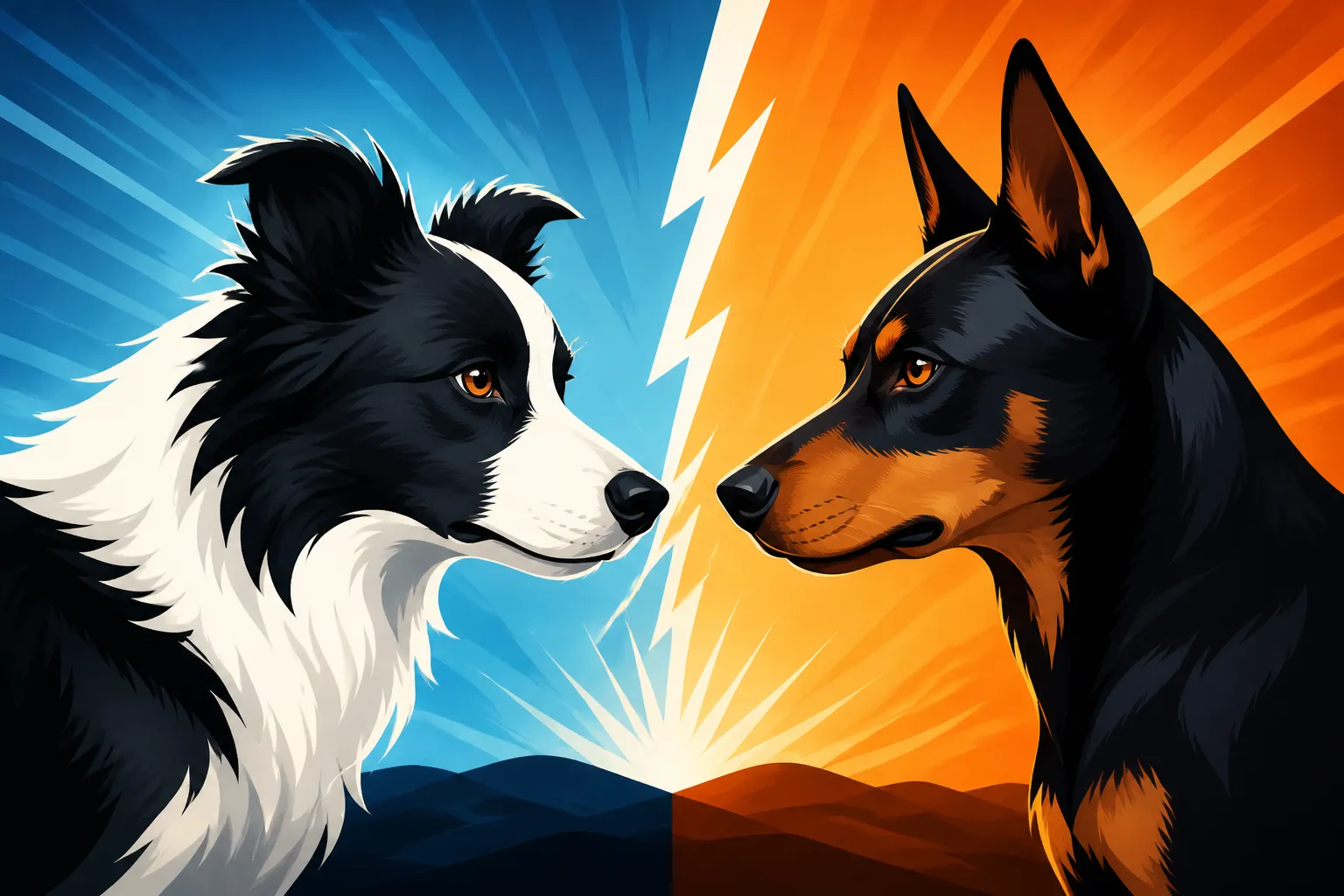
It's a common and completely understandable dilemma: you're drawn to the incredible intelligence and boundless energy of a working dog, and suddenly you find yourself caught between the captivating Border Collie and the formidable Australian Kelpie. Both breeds are absolute powerhouses, renowned for their wit, drive, and tireless work ethic, making the choice feel overwhelming. This guide aims to thoroughly dissect the distinctions between these two magnificent herders, helping you understand their unique histories, temperaments, working styles, and needs, so you can make an informed decision about which breed might be the best fit for your life.
Origins and Breed History: Where They Began
Understanding where these dogs come from is absolutely crucial to grasping their fundamental differences. It's not just about geography; it's about the very specific jobs and environments that shaped their instincts and characteristics.
The Scottish-English Borders and Old Hemp
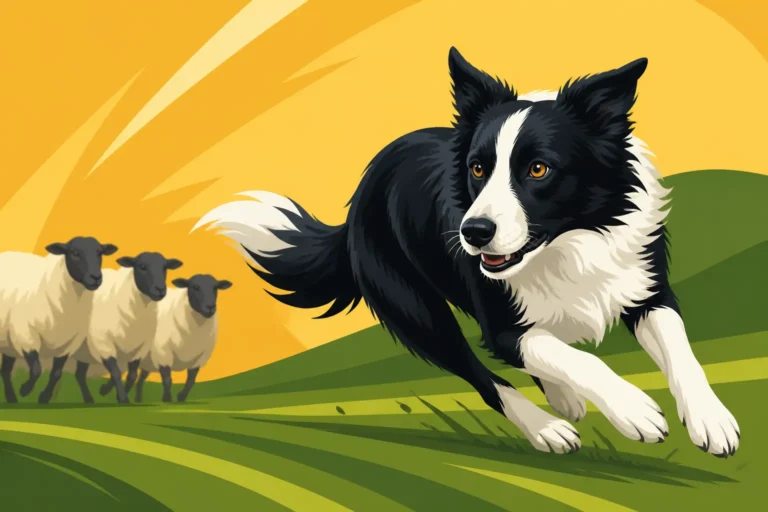
The Border Collie, as its name suggests, hails from the rugged, often harsh border region between Scotland and England. For centuries, shepherds in this unforgiving landscape needed a dog that could work sheep efficiently and cooperatively, often over vast, open expanses and in challenging weather. They weren't looking for a dog to just chase sheep; they needed a true partner, one that could understand complex commands, think independently when necessary, and control a flock with precision and minimal fuss.
The modern Border Collie we know today largely traces its lineage back to a dog named Old Hemp, born in Northumberland in 1893. Hemp was a remarkable dog with a unique, quiet working style; instead of barking or gripping, he controlled sheep with an intense, captivating stare – what we now call "the eye." This silent, powerful method of herding was revolutionary and quickly became the preferred style, influencing generations of working collies. The International Sheep Dog Society (ISDS), founded in 1906, was instrumental in formalizing and promoting this working style, ensuring that the Border Collie's purpose remained paramount. Breeders prioritized working ability above all else, focusing on traits like intelligence, biddability, and a natural instinct to gather and control stock gently. It's a testament to their heritage that when you see a Border Collie working today, you're witnessing generations of selective breeding for a specific, demanding job. For a deeper dive into their ancestral lands, check out The Border Country That Produced the Border Collie.
Australian Outbacks and the Kelpie's Emergence
Meanwhile, on the other side of the world, a different set of challenges was shaping another incredible working dog: the Australian Kelpie. Australia's vast sheep stations, often covering thousands of acres, presented an entirely different environment than the Scottish Borders. Here, dogs needed to contend with extreme heat, rough terrain, scattered stock, and distances that would exhaust most other breeds. They required immense stamina, resilience, and an independent streak to track and bring in sheep from miles away, often out of sight of their handler.
The Kelpie's exact origins are debated, but it's widely accepted that they emerged from British collies brought to Australia in the late 19th century, with some theories suggesting a dash of dingo for extra hardiness, though this remains unproven. What is clear is that the Kelpie was developed specifically for the unique demands of Australian sheep and cattle farming. They needed to be tough, fearless, and capable of working all day under a scorching sun. Their role often involved "heading" sheep – getting in front of them to turn them – as well as driving them, and they needed the agility to jump onto the backs of sheep (known as "backing") in pens, or to navigate rugged bushland. This demanding environment forged a dog with incredible endurance, quick thinking, and a formidable work ethic, a true all-rounder for the Australian stockman.
Physical Characteristics and What They Mean for Work
While both breeds are medium-sized and athletic, their subtle physical differences are often directly tied to the types of work they were originally bred to do. These aren't just cosmetic variations; they speak to functionality.
Border Collie's Classic Look and Build
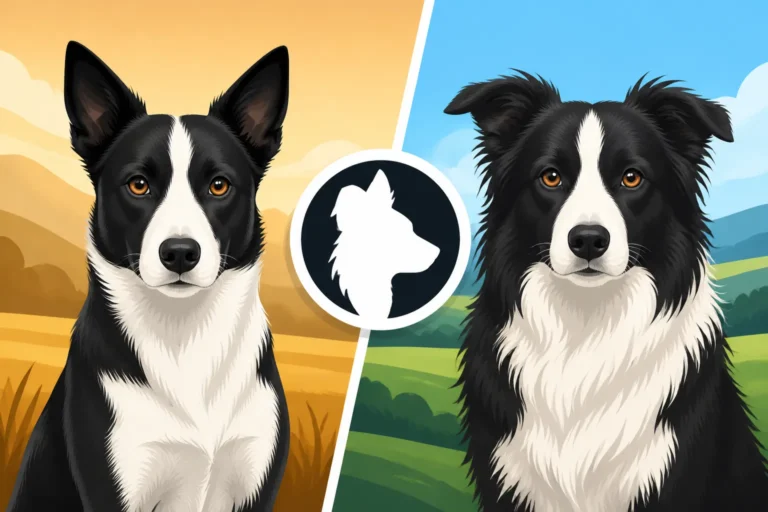
The Border Collie typically presents a balanced, athletic build that speaks to agility and speed rather than brute strength. They are generally medium-sized, with males standing between 19-22 inches at the shoulder and females a little smaller. Their frames are compact, allowing for quick bursts of speed and tight turns, essential for maneuvering around sheep with precision. You'll find them in a variety of coat types: the most well-known is the "rough" or long-coated variety, with feathering on the legs, chest, and tail, offering protection from the elements. There's also the "smooth" or short-coated Border Collie, which is equally capable and often preferred by handlers who work in burr-filled or muddy conditions for ease of grooming.
Their coat colors are diverse, with black and white being the most iconic, but they also come in red, blue merle, slate, tricolor, and more. Regardless of coat or color, a Border Collie's build is optimized for low-to-the-ground, stealthy movement and quick changes in direction. Their deep chests provide ample lung capacity for sustained activity, and their strong, flexible backs allow them to coil and spring into action. Understanding the variations in their appearance, including their coat types, is vital for appreciating their adaptability, and you can learn more about this in Border Collie Colors and Coat Types.
Kelpie's Leaner Frame and Robustness
The Kelpie, while also a medium-sized dog, often appears a bit leaner and more streamlined than the average Border Collie, a physique perfectly suited for covering vast distances in harsh conditions. They typically stand between 17-20 inches at the shoulder, often with a slightly lighter build than a Border Collie of similar height. Their body is exceptionally agile and muscular, designed for tireless running and enduring long hours of work under the hot sun.
One of the most defining physical characteristics of the Kelpie is its short, dense, double coat. This coat is designed for practicality: it offers protection from both the intense sun and abrasive brush, while being easy to clean and quick to dry. Unlike the Border Collie's rough coat, the Kelpie's minimal feathering means fewer burrs and less matting, a significant advantage for a dog working in rough bushland. Common Kelpie colors include black, red, chocolate, fawn, and blue, often with minimal white markings, again reflecting their pragmatic breeding for utility over aesthetics. This robust, no-frills physical package allows the Kelpie to maintain peak performance through gruelling days on the station, making them incredible endurance athletes.
Working Styles and Herding Instincts
This is perhaps where the most striking differences between the two breeds emerge. While both are phenomenal herders, they approach their work with distinct philosophies and techniques, shaped by their ancestral landscapes and the expectations of their handlers.
The Border Collie's Intense Eye and Control
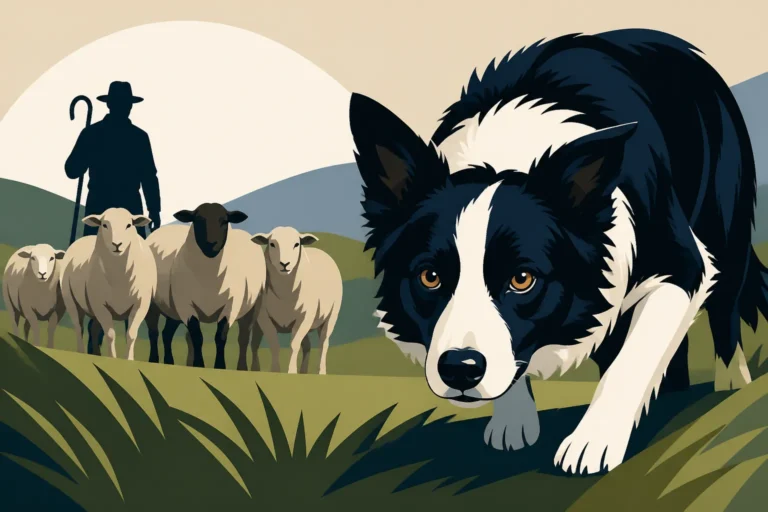
The Border Collie is globally renowned for its unique and intense "eye." This isn't just a focused gaze; it's a powerful tool of intimidation and control that they use to mesmerize and direct stock. A Border Collie will often drop into a characteristic crouch, lowering its head and body, and fix its piercing stare on the sheep. This posture and gaze communicate an undeniable authority, effectively stopping or moving a flock with minimal physical contact or barking. This method is incredibly effective for gathering scattered sheep quietly and moving them with precision and calmness.
Border Collies are typically "gathering" dogs. They prefer to go out, collect the sheep, and bring them back to the handler. Their work is often described as strategic and cooperative; they thrive on direction from their handler, executing complex flanks and drives with remarkable finesse. They are incredible problem-solvers in the field, capable of adjusting their approach based on the stock's movement and the handler's commands. This deep partnership and reliance on subtle cues make working with a Border Collie an almost balletic experience. For more on this iconic trait, delve into The Border Collie Stare and Where It Comes From.
The Kelpie's Versatile, Upright and Heading Style
In stark contrast to the Border Collie's low, intense eye, the Kelpie typically works in a more upright, often higher-energy style. While they are intelligent and responsive, they are less reliant on the hypnotic stare and more inclined to use their body position, speed, and sometimes their voice (a strong bark) to influence stock. Kelpies are known for their "heading" ability, meaning they instinctively know how to get in front of a flock to turn them or block their movement, a crucial skill for dogs working large, unruly mobs across vast distances.
Kelpies are incredibly versatile and adaptable, capable of working various types of livestock, including cattle, which often require a tougher, more assertive approach. Their endurance allows them to cover miles and miles of open country, finding and moving stock that might be widely dispersed. They possess a fierce independence and a strong "get the job done" attitude, sometimes making their own decisions in the field, which can be both a blessing and a challenge depending on the situation and the handler's experience. Their robust nature and direct working style are what truly sets them apart as herders. To understand more about the distinct approach of different herding breeds, read What Separates a Border Collie From Every Other Herder.
Temperament and Trainability
Both breeds are celebrated for their sharp minds, but how that intelligence manifests in their temperament and how they respond to training can be quite different. This is where many prospective owners, captivated by their cleverness, often underestimate the dedication required.
Border Collie's Sensitivity and Intelligence
The Border Collie's intelligence is legendary; they are often cited as the smartest dog breed. This means they learn incredibly quickly, sometimes after just a few repetitions, and possess an uncanny ability to understand complex commands and even anticipate their handler's intentions. They thrive on mental stimulation and a clear, consistent routine. Their eager-to-please nature makes them incredibly biddable, and they form deep, almost telepathic bonds with their primary handler. This sensitivity means they often respond best to positive reinforcement and gentle, nuanced correction rather than harsh methods.
However, this high intelligence and sensitivity come with a caveat: a Border Collie that isn't adequately challenged, both physically and mentally, can quickly become bored, anxious, and destructive. Their minds are always working, and if you don't give them a job, they'll invent one – which might involve herding your children, chasing shadows, or meticulously disassembling your furniture. They require an owner who understands the depth of their mental needs and is committed to engaging them daily with training, puzzles, and structured activities. Without this outlet, their brilliance can easily turn into neuroses. For more on their intellectual prowess, see Why the Border Collie Is Called the Smartest Breed.
Kelpie's Independent Spirit and Stamina
Kelpies are also highly intelligent dogs, capable of learning quickly and executing complex tasks. However, their intelligence is often coupled with a more independent and hardy spirit compared to the Border Collie's intense focus on the handler. Kelpies were bred to work vast areas, sometimes out of sight and beyond immediate command, requiring them to make decisions on their own. This can translate into a strong-willed dog that may challenge its handler or test boundaries, especially if training isn't firm, fair, and consistent from a young age.
While they are loyal and form strong bonds, they tend to be less overtly sensitive than Border Collies and can tolerate a slightly more direct approach in training, though positive reinforcement is still always the most effective. Their incredible stamina means they can go, and go, and go, often outlasting their human counterparts. This endurance isn't just physical; it's mental resilience too. They are less prone to the neurotic behaviors of an under-stimulated Border Collie, often channeling their energy into relentless physical activity, but they still absolutely require a challenging job and consistent training to be well-adjusted companions. An owner needs to respect their independence while still providing clear leadership.
Exercise, Environment, and Ideal Ownership
Here's where the rubber truly meets the road. Both breeds are high-energy, but their type of energy and the environments they thrive in can be vastly different, directly impacting their suitability for various homes.
The Border Collie's Need for a Job and Engagement
It's a common misconception that a Border Collie just needs a big yard to be happy. Nothing could be further from the truth. While they do need space to run, their primary need is a job – a purpose that engages both their body and their brilliant mind. This might be herding livestock, excelling in dog sports like agility, obedience, flyball, or disc dog, or engaging in advanced trick training and scent work. Daily walks, even long ones, are rarely enough to satisfy a Border Collie's profound need for mental and physical stimulation. They crave interaction, problem-solving, and a clear role within their "pack."
An ideal home for a Border Collie is one where owners are truly committed to structured exercise and mental enrichment for at least one to two hours every single day. This means active training sessions, not just letting them out to zoom around. Owners need to understand that if they don't provide this outlet, the Border Collie will find its own, often destructive ways to cope with boredom and excess energy. They thrive with experienced owners who understand working dog psychology and are prepared to integrate their dog into their daily lives as a true partner. This isn't just a pet; it's a lifestyle commitment. For detailed guidance, read Exercise, Work and What Actually Settles a Border Collie. When stocking up on interactive toys or training treats to keep their minds busy, many owners find a fantastic selection on platforms like Chewy, offering everything from puzzle feeders to durable chew toys to keep those active brains engaged.
The Kelpie's Endurance and Open Space Preference
The Kelpie's exercise needs can be even more demanding in terms of sheer endurance and space. While a Border Collie needs a job, a Kelpie often needs to run for miles. They are bred for vast, open spaces and can work tirelessly all day without complaint. Their incredible stamina means they require consistent, intense physical exercise, often involving long runs, off-leash exploration in secure areas, or participation in demanding dog sports. A suburban backyard, no matter how large, will simply not cut it for a Kelpie unless it's paired with extensive daily runs or a dedicated working role.
Ideal owners for Kelpies are often those with large properties, working farms, or highly active, outdoorsy lifestyles that involve daily long-distance running, hiking, or biking. They are incredibly hardy and tolerate varied weather conditions well, making them excellent companions for rugged adventures. Their independent nature also means they can be more content to work or run somewhat autonomously once given direction, whereas a Border Collie often wants constant interaction. Kelpies are not typically suited for apartment living or for owners who cannot commit to an extreme level of physical activity. They need an outlet for their boundless energy, otherwise, they can become restless and frustrated.
Which is Right for You: A Comparative Table
To help you visualize the key differences and decide which herding companion might align best with your lifestyle, here's a quick comparison:
| Feature | Border Collie | Kelpie |
|---|---|---|
| Origin | Scottish-English Borders | Australia |
| Primary Herding Style | Intense "eye," low crouch, gather/drive, precise, cooperative with handler | Upright, bark, strong heading, versatile, independent decision-making, tireless |
| Build | Athletic, compact, medium; rough or smooth coat | Leaner, robust, endurance-focused; short, dense coat |
| Temperament | Highly sensitive, eager to please, extremely intelligent; prone to anxiety/neuroses if bored | Intelligent, independent, hardy, resilient, strong-willed; needs clear leadership |
| Exercise Needs | High physical & mental stimulation; requires a "job" (sports, training, work) | Extreme physical endurance; thrives on vast open spaces, long runs, all-day activity |
| Coat Care | Varies by coat type (rough needs 2-3x/week brushing); smooth is lower maintenance | Minimal; short, dense coat, infrequent brushing |
| Ideal Environment | Working farm, active dog sports home, experienced and engaged family | Large property, working farm, highly active outdoor lifestyle, experienced handler |
| Common Colors | Black & white (most common), merle, tricolor, red, blue, sable | Black, red, chocolate, fawn, blue (often solid or minimal markings) |
Health Considerations and Lifespan
Both Border Collies and Kelpies are generally robust and healthy breeds, capable of living long, active lives. However, like all purebred dogs, they can be predisposed to certain genetic health issues that prospective owners should be aware of.
Common Health Issues in Border Collies
Border Collies are known for their longevity, often living 12-15 years or more, especially when well-cared for. However, there are several health conditions that are more prevalent in the breed. Hip and elbow dysplasia are unfortunately common orthopedic issues, and responsible breeders will always have their breeding stock screened and scored. It's a painful reality to face with a young, active dog, and something breeders strive to avoid. Reading about Hip and Elbow Scores in a Border Collie can give you a clearer picture of what to look for.
Eye conditions are also a concern, with Collie Eye Anomaly (CEA) being particularly important. This inherited condition can range from mild vision impairment to severe blindness. Responsible breeders screen for this, and understanding what to look for in a puppy is crucial; Collie Eye Anomaly in a Border Collie Puppy is a great resource. Epilepsy, a neurological disorder causing seizures, is another significant concern in Border Collies, often appearing between one and five years of age. This can be heartbreaking for owners, and managing it requires diligent veterinary care and medication. Learn more about its onset in Epilepsy in a Border Collie Between One and Five. Other conditions to be aware of include Trapped Neutrophil Syndrome (TNS) and various types of progressive retinal atrophy (PRA). Genetic testing is widely available for many of these conditions, and reputable breeders will always utilize a comprehensive The Border Collie Genetic Panel and What It Screens to ensure the health of their lines.
Kelpie Health and Durability
Kelpies are generally considered a very hardy and healthy breed, often living 10-14 years. Their breeding emphasis on utility and working ability in tough conditions has contributed to their robust nature and fewer documented breed-specific genetic issues compared to some other breeds. They were literally bred for survival and performance. However, because they are an active, athletic breed, they can still be susceptible to common orthopedic issues like hip and elbow dysplasia, though perhaps at a lower rate than some Border Collie lines. Any high-impact activity can put strain on joints, so proper conditioning and veterinary checks are essential.
Eye conditions, while not as prevalent as in Border Collies, can still occur, and progressive retinal atrophy (PRA) is occasionally seen. Overall, the Kelpie's health profile tends to be characterized by general soundness, reflecting their utilitarian breeding. Owners should still prioritize regular veterinary check-ups, maintain a healthy diet, and ensure their Kelpie gets adequate, appropriate exercise to support their active bodies and prevent injuries. Like with any highly active dog, keeping them on a high-quality performance diet, easily sourced from retailers like Chewy, can support their joint health and overall vitality throughout their working lives.
In conclusion, both the Border Collie and the Australian Kelpie are extraordinary dogs, embodying the pinnacle of canine intelligence, athleticism, and working drive. They are not merely pets but partners, bred to perform demanding jobs with unparalleled skill. The "right" choice isn't about which breed is inherently "better," but rather which breed's specific needs and characteristics align with your lifestyle, experience, and the environment you can provide. If you're drawn to a highly cooperative, sensitive, and precise herder that thrives on complex mental challenges and a close working relationship, the Border Collie might be your soulmate. If you need a tough, incredibly enduring, independent dog capable of covering vast distances in harsh conditions, with a strong, direct working style, then the Kelpie could be the perfect fit. Whichever you choose, be prepared for an intelligent, active, and deeply rewarding relationship that demands commitment, understanding, and a willingness to engage fully with their incredible capabilities.
Disclaimer
This article is for general informational purposes only and does not constitute professional advice. Laws, prices and regulations vary by location and change over time. Consult a qualified professional for guidance on your specific situation.