Neuronal Ceroid Lipofuscinosis in a Border Collie
Discovering that your energetic Border Collie is suddenly acting "off" or showing strange neurological symptoms can be incredibly frightening and confusing. One of the most heartbreaking genetic conditions that can affect these intelligent dogs is Neuronal Ceroid Lipofuscinosis, often shortened to NCL. This guide is here to walk you through understanding what NCL is, how to spot its subtle yet devastating progression, and the crucial steps you can take for diagnosis, management, and prevention to protect future generations of these beloved companions.
Understanding Neuronal Ceroid Lipofuscinosis NCL in Border Collies
When we talk about conditions like NCL, it's natural for owners to feel a wave of dread and confusion. It's a complex name, but at its heart, NCL is a genetic storage disease that slowly but relentlessly attacks a dog's nervous system. For Border Collies, known for their sharp minds and boundless energy, a diagnosis of NCL can feel like a cruel irony, stripping away the very qualities we cherish most about them.
What is NCL and How Does It Affect the Brain?
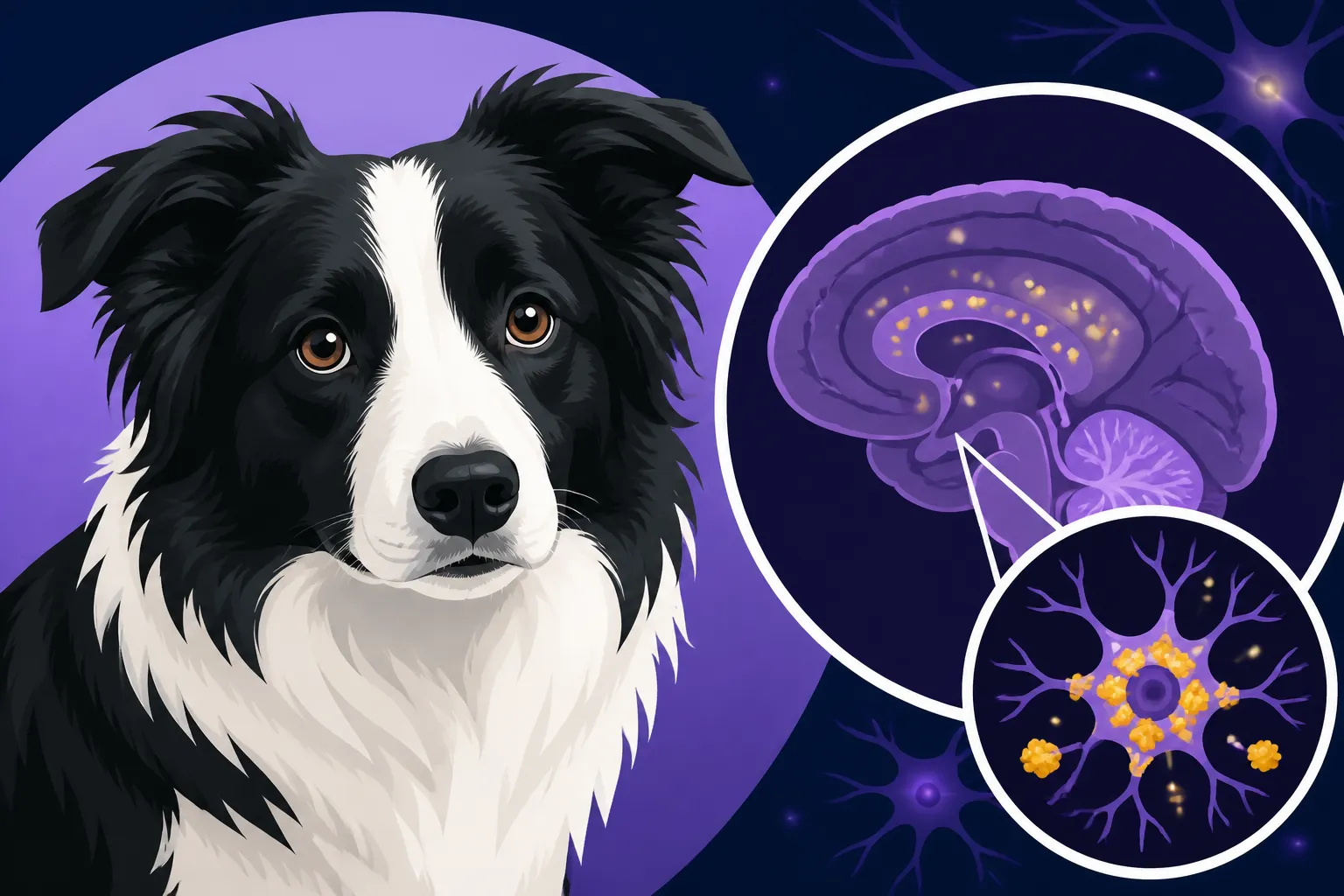
Imagine the cells in your dog's body, especially those vital brain and nerve cells, as tiny factories. These factories have intricate waste disposal systems designed to clean up cellular debris and keep everything running smoothly. Neuronal Ceroid Lipofuscinosis is a type of lysosomal storage disease, which means there's a problem with this cellular waste disposal. Specifically, certain enzymes that are supposed to break down fatty substances (lipopigments) within the lysosomes aren't working correctly, or are completely absent.
Because these waste products can't be broken down, they start to accumulate within the cells. Over time, this buildup becomes toxic, leading to damage and eventually the death of these crucial cells, particularly neurons in the brain and retina. Think of it like a trash compactor that's full and overflowing, eventually causing the entire factory to grind to a halt. In the brain, this cell death manifests as a range of neurological symptoms, slowly eroding the dog's abilities and quality of life. The insidious nature of NCL means these changes often begin subtly, making them difficult to pinpoint in the early stages and adding to the frustration for worried owners.
The Genetics Behind Border Collie NCL
The devastating impact of NCL is made even more poignant by its genetic nature. In Border Collies, NCL is inherited as an autosomal recessive trait. What does "autosomal recessive" mean in plain English? It means that a dog must inherit two copies of the faulty gene – one from each parent – to actually develop the disease. If a dog inherits only one copy of the faulty gene and one normal copy, they won't show symptoms of NCL, but they will be a "carrier." Carriers are healthy themselves, but they can pass the faulty gene on to their offspring.
This genetic pattern is why responsible breeding practices are absolutely paramount. Two seemingly healthy Border Collies, both carriers of the NCL gene, can produce puppies that are affected by the disease. It’s a silent threat lurking in the gene pool, and without proper testing, breeders can unknowingly perpetuate it. Understanding this mechanism underscores the critical importance of genetic screening for all breeding dogs. It’s not just about knowing if a dog will get sick, but about ensuring the health and future of the entire breed. Breeders have a responsibility to know the genetic status of their dogs to prevent this heartache. You can learn more about Which DNA Tests a Border Collie Breeder Should Have Run to ensure you're making informed choices.
| Genetic Status | Description | Breeding Implications |
|---|---|---|
| Clear | Has two normal copies of the gene. Will not develop NCL. | Can be bred to any other dog (Clear, Carrier) without producing affected offspring. |
| Carrier | Has one normal and one affected copy of the gene. Will not develop NCL but can pass the gene to offspring. | Should only be bred to a "Clear" dog. Breeding two carriers will produce affected puppies. |
| Affected | Has two affected copies of the gene. Will develop NCL. | Should not be used for breeding. Will pass one affected copy to all offspring. |
This table clearly illustrates the implications, helping breeders make ethical decisions about their lines and helping prospective puppy owners understand what to look for when choosing a new companion. The goal is always to avoid producing affected puppies and to slowly eliminate the faulty gene from the breed. For a deeper dive into genetic statuses, check out our article on Carriers, Affected and Clear on a Border Collie Panel.
Recognizing the Early Signs of NCL in Your Border Collie
One of the most challenging aspects of NCL is that its initial symptoms can be subtle and easily mistaken for normal puppy antics, training issues, or even other common conditions. It’s a slow creep, not a sudden onset, which makes early detection a true test of an owner's keen observation skills. As a veteran Border Collie owner, I know how attuned we are to our dogs' nuances, and even then, these early signs can be incredibly tricky to interpret.
Behavioral and Personality Changes
Often, the very first clues that something is amiss with a Border Collie affected by NCL are shifts in their behavior and personality. These are the dogs renowned for their sharp intelligence, their eagerness to please, and their unwavering focus. So, when you start noticing them forgetting commands they've known for ages, struggling to learn new ones, or appearing generally more confused, it's a red flag. They might seem more anxious than usual, perhaps pacing or showing increased sensitivity to familiar stimuli. Owners might describe their usually bomb-proof dog suddenly becoming withdrawn or unusually reactive to sounds or movements that never bothered them before.
A previously confident Border Collie might start displaying an uncharacteristic shyness or fear, perhaps becoming wary of strangers or even family members. You might see them losing interest in their favorite games, like a rousing session of fetch or a puzzle toy that used to keep their brilliant minds engaged. These aren't just "bad days"; they represent a gradual erosion of their cognitive function and emotional regulation. If your typically vibrant and engaged Border Collie starts showing a persistent decline in their characteristic zest for life, it's time to pay close attention and consult with your veterinarian, even if other physical symptoms haven't yet emerged. These subtle behavioral shifts are often the canary in the coal mine for NCL.
Progressive Neurological Symptoms
As NCL progresses, the neurological damage becomes more pronounced and visually evident. These are the symptoms that often send owners scrambling to the vet, deeply worried about their beloved dog. One of the most common and distressing signs is ataxia, which is a fancy word for a lack of muscle coordination. Your Border Collie might start walking with a wobbly, uncoordinated gait, bumping into furniture, or struggling with stairs. Their once fluid, agile movements become clumsy and uncertain. They might stumble when turning corners or have difficulty maintaining their balance, especially after activity.
Beyond coordination, vision loss is another hallmark of NCL, developing as the disease damages the cells in the retina and optic nerve. You might notice your dog hesitating in dimly lit areas, missing toys that are thrown, or bumping into objects that should be obvious. This isn't just poor eyesight; it's a progressive blindness that can profoundly affect their ability to navigate their environment. Unfortunately, seizures can also become a devastating symptom as the brain damage advances. These can range from mild, almost imperceptible "absent" seizures where the dog seems to zone out, to full-blown grand mal seizures with convulsions. While The Age a Border Collie's First Seizure Arrives can vary for many conditions, the presence of seizures alongside other progressive neurological and behavioral changes should certainly prompt a deeper investigation into NCL. Witnessing your intelligent, active Border Collie slowly lose their physical and mental capabilities due to NCL is an incredibly difficult experience for any owner.
Diagnosing NCL and Differentiating It From Other Conditions
The journey to an NCL diagnosis can be fraught with uncertainty and emotional strain. Because the symptoms can mimic so many other conditions, it often requires a dedicated veterinarian and a persistent owner to get to the bottom of what's truly happening. As Border Collie parents, we're keenly aware of our dogs' health, but even the most observant among us can find these neurological puzzles challenging.
The Diagnostic Journey
When you first notice your Border Collie exhibiting odd behaviors or neurological symptoms, your initial step will naturally be a visit to your trusted veterinarian. They'll start with a thorough physical examination and a detailed history of your dog's symptoms. This is where your observations about the subtle changes in behavior, coordination, or vision become incredibly valuable. The vet will likely perform a comprehensive neurological exam, assessing reflexes, gait, balance, and cognitive responses. These initial exams help pinpoint the affected areas of the nervous system and can help rule out more common ailments or injuries.
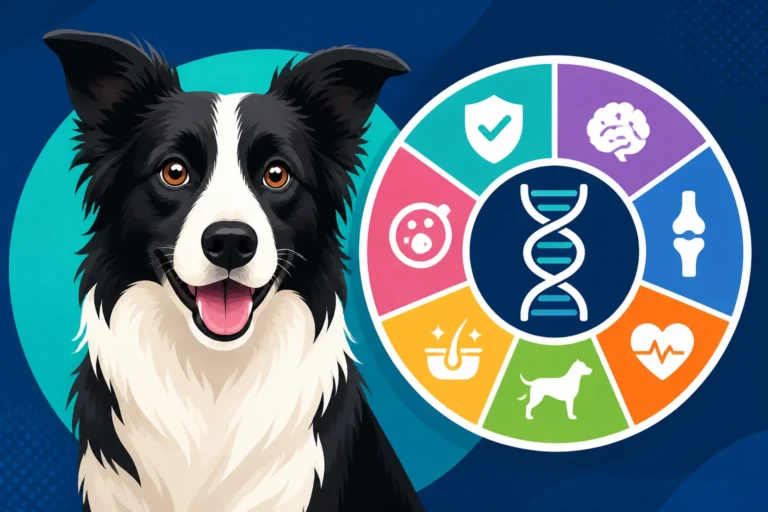
However, since NCL is a genetic disease, the definitive diagnosis almost always comes down to a specific genetic test. Blood or cheek swab samples are sent to specialized laboratories, which analyze the DNA for the specific mutation associated with NCL in Border Collies. This test can confirm whether your dog is clear, a carrier, or affected. This genetic panel is a game-changer, providing a clear, undeniable answer that clinical signs alone can't always give. It's often included as part of The Border Collie Genetic Panel and What It Screens, which savvy breeders and responsible pet owners utilize to understand their dog's predispositions. For a pet parent facing these symptoms, confirming NCL provides clarity, even if the news is heartbreaking, allowing for informed decisions about care and management. Pet insurance providers like Healthy Paws can often help with the costs associated with these diagnostic tests and subsequent care, offering some peace of mind during a stressful time.
Common Misdiagnoses and Overlaps
Because NCL symptoms are so broad and progressive, they can easily be confused with other neurological or even behavioral conditions, especially in the early stages. This is where the diagnostic journey can become frustrating and expensive for owners, as vets try to rule out more prevalent issues. For example, the initial clumsiness or disorientation might be mistaken for an inner ear infection or even a mild injury. Behavioral changes, such as increased anxiety or withdrawal, could be attributed to separation anxiety, lack of mental stimulation, or fear-based aggression.
One of the most common overlaps is with epilepsy. The onset of seizures in a young adult Border Collie might immediately lead a vet to consider Epilepsy in a Border Collie Between One and Five as the primary diagnosis. While NCL can cause seizures, epilepsy itself is a distinct condition. It's crucial for your veterinarian to differentiate between them, as the long-term prognosis and management strategies can vary significantly. Another condition often considered, especially in highly active working Border Collies, is Border Collie Collapse and What Sets It Off. While BCC typically presents as a temporary, exercise-induced neurological dysfunction, its symptoms of disorientation and wobbly gait could, in a less experienced eye, be briefly confused with NCL's progressive ataxia. The key difference lies in the progressive nature of NCL and the fact that BCC is typically reversible with rest. The importance of thorough genetic testing and detailed neurological evaluations cannot be overstated in these situations to ensure an accurate diagnosis and appropriate care plan.
Managing NCL and Supporting Your Affected Border Collie
Receiving an NCL diagnosis for your beloved Border Collie is undoubtedly devastating news. The inherent progressive nature of the disease means that there is no cure, and the path forward is one of managing symptoms and supporting your dog's declining quality of life. This phase demands immense empathy, resilience, and a deep commitment from owners to ensure their dog's comfort and dignity.
Current Treatment and Supportive Care Options
The stark reality of Neuronal Ceroid Lipofuscinosis in Border Collies is that, currently, there is no cure or specific treatment to halt its progression. This is a difficult truth for any pet owner to face, and as we discussed in Why Neuronal Ceroid Lipofuscinosis Has No Treatment, the focus shifts entirely to palliative care. The goal becomes minimizing discomfort, ensuring safety, and maximizing your dog's remaining quality of life for as long as possible.
Supportive care can involve various strategies depending on the primary symptoms your dog is experiencing. If seizures become a prominent feature, anticonvulsant medications such as phenobarbital or levetiracetam might be prescribed to help control their frequency and severity. For anxiety or compulsive behaviors that may arise from the cognitive decline, your vet might explore medications to help calm your dog. Environmental modifications are also crucial. As vision deteriorates and coordination worsens, keeping your home environment consistent and safe is paramount. This means avoiding moving furniture, blocking off stairs, and using non-slip rugs to prevent falls. Soft bedding and easy access to food and water can also greatly improve their daily comfort. Regular, gentle exercise can help maintain muscle mass for as long as possible, but always tailor it to your dog's current capabilities, ensuring they don't overexert themselves. Even small adjustments to their daily routine, like a shorter, more frequent walk, can make a big difference in their overall well-being.
Quality of Life and End-of-Life Decisions
One of the most challenging aspects of living with a Border Collie affected by NCL is the ongoing assessment of their quality of life. As the disease progresses, symptoms like severe ataxia, cognitive decline, complete blindness, and uncontrolled seizures can become debilitating. It's a heartbreaking journey, watching a once-vibrant, intelligent dog lose their ability to interact with the world and you in the ways they once did. This is where difficult conversations with your veterinarian and family become essential.
There will come a point where the supportive measures, while well-intentioned, may no longer be enough to provide a good quality of life. Indicators might include constant pain, an inability to eat or drink, persistent disorientation, or uncontrollable seizures that medication can no longer manage. It's an agonizing decision, but choosing euthanasia when these severe symptoms emerge is often the kindest act of love and mercy you can offer. It's about preventing prolonged suffering and preserving their dignity. Remembering the joyful, active dog they once were can help guide this difficult choice. Services like Healthy Paws can often provide support during these times, helping to cover costs associated with end-of-life care, allowing owners to focus on their dog's comfort without added financial stress. This journey is emotionally taxing, and seeking support from your vet, close friends, or even online communities of NCL owners can be invaluable.
Preventing NCL Through Responsible Breeding Practices
The heartbreak and challenges associated with NCL underscore the critical importance of prevention. Unlike many other health issues that can be mitigated through diet or lifestyle, NCL is a genetic lottery that can only be truly addressed at the source: through responsible breeding. For a breed as popular and intelligent as the Border Collie, ensuring genetic health is a collective responsibility for breeders and prospective owners alike.
The Role of Genetic Testing in Breeding
Genetic testing is the cornerstone of NCL prevention in Border Collies. Since NCL is inherited recessively, both parents must carry the gene for an affected puppy to be born. This means that even if a dog appears perfectly healthy and performs brilliantly in trials or sports, they could still be a silent carrier of the NCL mutation. This is why it's not enough for breeders to simply rely on the health history of the parents alone. Every dog intended for breeding should undergo a specific DNA test for NCL before being bred.
When breeders test their dogs, they will receive a result indicating whether the dog is "Clear" (no copies of the gene), a "Carrier" (one copy), or "Affected" (two copies). Armed with this information, responsible breeders can make informed choices to avoid producing affected puppies. For example, a carrier can still be safely bred, but only to a dog that is "Clear" of the N NCL gene. This ensures that no puppies will inherit two copies of the faulty gene and therefore none will develop the disease. However, Pairing Two Carrier Border Collies would be an irresponsible breeding decision, as it carries a 25% risk of producing affected puppies. By systematically testing and making thoughtful breeding selections, the incidence of NCL can be dramatically reduced within the Border Collie population, protecting future generations from this devastating condition. The investment in genetic testing, which can be part of The Cost of Border Collie Genetic Testing, is a small price to pay for preventing such profound suffering.
Working with Reputable Breeders
As a prospective Border Collie owner, your role in preventing NCL is crucial: choose a reputable breeder who prioritizes genetic health. A responsible breeder will be transparent about their dogs' health testing results, including NCL, and will be eager to discuss their breeding philosophy with you. They won't shy away from your questions; in fact, they'll appreciate your due diligence.
When you're looking for a puppy, always Asking a Border Collie Breeder for Test Results is essential. Don't just ask if the parents are healthy; specifically inquire about NCL genetic testing and ask to see copies of the genetic panel results for both parents. A reputable breeder will have these readily available and will be proud to share them. They should be able to explain what "clear," "carrier," and "affected" mean and how their breeding program ensures puppies are free from NCL. Be wary of breeders who claim their dogs don't need testing because they've "never had NCL in their lines" – recessive genes can hide for generations. Similarly, be cautious of breeders who don't seem to understand the importance of these tests or offer puppies at suspiciously low prices without health guarantees. A breeder committed to health will also be focused on other important genetic screens, contributing to a longer, healthier life for your Border Collie, as explored in discussions around How Long a Border Collie Lives. By choosing wisely, you not only bring a healthy puppy into your home but also support ethical breeding practices that safeguard the future of the Border Collie breed against heartbreaking conditions like NCL.
Disclaimer
The information provided in this article is for educational purposes only and is not intended to be a substitute for professional veterinary advice, diagnosis, or treatment. Always seek the advice of your veterinarian or other qualified health provider with any questions you may have regarding a medical condition.