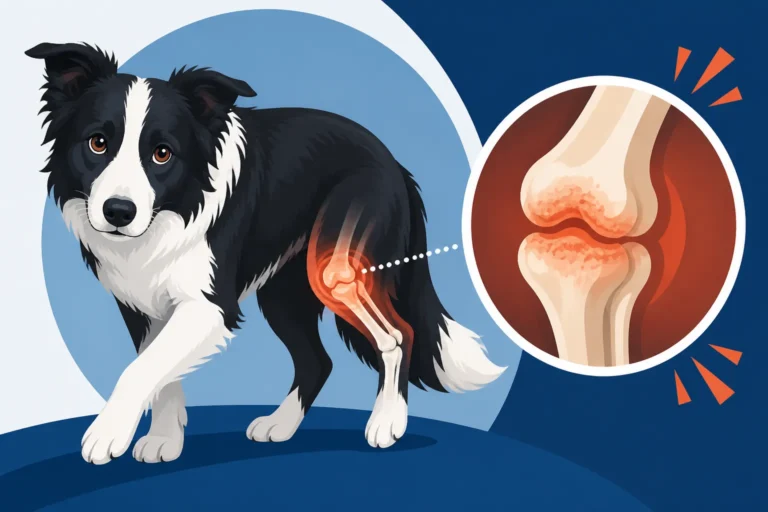
Deafness in a Border Collie
Discovering that your beloved Border Collie can't hear you anymore, or perhaps never could, can be a truly heartbreaking and confusing experience. Many of us rely so much on vocal commands and the simple joy of hearing our dog respond to their name, so when that connection seems lost, it throws us for a loop. This comprehensive guide aims to unravel the complexities of deafness in Border Collies, from understanding its causes and recognizing the signs, to exploring diagnostic methods and adapting your life to provide the best care for your hearing-impaired companion.
Understanding Deafness in Border Collies
Deafness in Border Collies isn't a single, straightforward issue; it comes in various forms and can stem from a multitude of causes. It’s not just about a dog ignoring you; it’s a profound sensory loss that reshapes their world and how they interact with it. For a breed so renowned for its acute hearing and responsiveness to commands, even subtle hearing loss can have significant implications for their training, safety, and overall quality of life. Understanding the underlying types and causes is the first step toward effective management and support.
Congenital Versus Acquired Deafness
When we talk about deafness, it generally falls into two broad categories: congenital and acquired. Congenital deafness means a dog is born deaf, or develops deafness very early in life, typically before their hearing system is fully mature. This is often the type of deafness most commonly associated with certain breeds like Border Collies, particularly due to genetic factors we'll discuss shortly. Puppies born with congenital deafness might never respond to sound, or their hearing might gradually diminish as they grow, making early detection crucial.
Acquired deafness, on the other hand, develops later in a dog's life. This can be due to a range of factors that damage the delicate structures of the ear or the auditory nerve pathways. Things like chronic ear infections, trauma to the head, certain medications (ototoxic drugs), exposure to very loud noises, or even tumors can lead to acquired hearing loss. It’s also common for older Border Collies to experience age-related hearing decline, much like humans do, which is a form of acquired deafness that creeps up over time. The onset of acquired deafness can be gradual or sudden, and sometimes reversible if the underlying cause is treatable, though often it is permanent.
Genetic Predisposition, Especially in Merle Patterns
Border Collies, while generally a robust breed, do carry a known genetic predisposition for deafness, particularly those with certain coat colors and patterns. The merle gene, which creates beautiful mottled patches of color in the coat and often results in blue eyes, is unfortunately also linked to an increased risk of congenital sensorineural deafness. This type of deafness arises from abnormalities in the inner ear, specifically the cochlea, which is responsible for converting sound vibrations into electrical signals for the brain.
Dogs with two copies of the merle gene (often referred to as "double merles" or homozygous merles) have a significantly higher risk of being deaf or vision-impaired. These dogs typically have predominantly white coats, often with blue eyes or eyes with blue flecks. Even a single merle gene can increase the risk, but it's far more pronounced in double merles. This is a critical factor for breeders to consider, and responsible breeding practices aim to avoid mating two merle dogs together to prevent producing affected puppies. This is why it's so important for breeders to understand Deafness in Merle Border Collies and other genetic factors.
Beyond the merle gene, other genetic factors might also play a role in deafness in Border Collies, although the merle link is the most widely recognized and understood. Reputable breeders often engage in extensive health screening, including genetic panels, to identify carriers of various conditions that could impact their puppies. This commitment helps ensure the health and longevity of the breed, giving prospective owners peace of mind about their new furry family member.
Environmental and Age-Related Causes
While genetics certainly play a significant role, not all deafness is written in a dog's DNA. Environmental factors can also contribute to hearing loss. Prolonged exposure to loud noises, for instance, can cause irreversible damage to the delicate hair cells within the inner ear over time. Think of dogs living near construction sites, airports, or regularly exposed to loud machinery or gunfire without hearing protection – their hearing can suffer cumulative trauma.
Furthermore, just like in humans, age is a common culprit for hearing impairment in Border Collies. Presbycusis, or age-related hearing loss, is a gradual process where the auditory nerve and structures of the inner ear slowly degenerate. You might notice your older Border Collie doesn't respond to their name as readily, seems confused by sounds they once acknowledged, or struggles to locate the source of a noise. This form of deafness usually affects both ears symmetrically and progresses slowly, making it easy to miss in its early stages. Often, older dogs cope remarkably well with this change, relying more on their other senses and the routines they've established over a lifetime. Monitoring changes in your older Border Collie's behavior can help you understand when to adapt their environment and communication methods.
Identifying Signs of Deafness
Spotting deafness in a high-drive, intelligent breed like a Border Collie can sometimes be tricky. They are incredibly observant and often compensate for a lack of hearing by relying more heavily on their other senses, especially sight and vibrations. A Border Collie that is engrossed in watching sheep or intensely focused on a ball might genuinely seem deaf even when they have perfect hearing! However, there are some clear indicators that can suggest your dog isn't just being stubborn but might genuinely have a hearing impairment.
Behavioral Clues and Missed Cues
One of the most common signs of deafness is a lack of response to everyday sounds that would normally elicit a reaction. Does your Border Collie sleep soundly through the doorbell ringing, a sudden clap of thunder, or the vacuum cleaner whirring? Do they fail to acknowledge your arrival home, or do they only react when they see you? If they consistently miss cues like their name being called, the crinkle of a treat bag, or the sound of their dinner bowl being prepared, it's definitely worth investigating.
Another significant behavioral clue is difficulty with recall. For a Border Collie, a reliable recall is paramount, especially if they are working or participating in dog sports. If your dog consistently ignores your verbal "come" command, even in quiet environments or when they're not deeply focused on something else, it could point to a hearing issue rather than selective hearing. Similarly, if they don't seem to notice other dogs barking, or human voices calling out, these are all subtle but important indicators that their hearing might be compromised. Owners might initially attribute these behaviors to training gaps or stubbornness, but it's important to consider deafness as a possibility.
Startle Reflex and Responsiveness to Sound
A good way to gauge a dog's hearing is to observe their startle reflex and their general responsiveness to sudden, unexpected sounds. Try making a loud noise when your Border Collie isn't looking directly at you – perhaps dropping a book, clapping your hands loudly, or whistling sharply. A hearing dog will typically flinch, turn their head, or show some kind of reaction. A deaf dog, however, will likely remain oblivious unless they feel the vibration of the sound or see your movement. Be mindful not to startle them too severely, as this can cause unnecessary stress.
It’s also important to note the ear's response. A hearing Border Collie will often swivel their ears towards a sound to pinpoint its origin, a behavior known as "pricking" or "orienting." If your dog’s ears remain still or they consistently rely on their eyes to locate you when you speak, it suggests they aren't processing auditory input. Pay attention to how they interact with squeaky toys; if they are visual hunters and still enjoy chasing the toy but don't seem to notice its squeak, this could also be a clue. Observing these reactions in different environments, both quiet and busy, can help you build a clearer picture of their auditory capabilities.
Observing Play and Social Interactions
Deafness can also manifest in how a Border Collie plays and interacts with other dogs or people. In a group play scenario, a deaf dog might miss subtle auditory cues from other dogs, like growls, yelps, or play barks, which are essential for navigating social dynamics. This can sometimes lead to misunderstandings or more intense play, as they rely purely on visual body language, which can be less nuanced than a combination of sight and sound.
Similarly, during play with humans, a deaf Border Collie might seem overly focused on visual signals or demand physical contact to initiate interaction. They might not respond to a spoken invitation to play but immediately perk up when you make a hand gesture or pick up a toy. While Border Collies are incredibly intelligent and adapt quickly, these subtle shifts in communication methods can signal a deeper issue. If your dog seems consistently out of sync with auditory cues in their environment, it's definitely time to consider a professional evaluation.
Diagnosis and Testing for Deafness
Once you suspect hearing loss, the next crucial step is getting a definitive diagnosis. This isn't just about confirming deafness; it's also about determining its extent (unilateral or bilateral), and ruling out any treatable underlying conditions that might be causing temporary hearing loss. A proper diagnosis helps you tailor your care and training strategies effectively. It's often reassuring to get a clear answer, even if it's not the one you hoped for, as it allows you to move forward with informed decisions.
The Importance of BAER Testing
The most reliable and definitive way to diagnose deafness in dogs is through a procedure called the Brainstem Auditory Evoked Response, or BAER test. This is a non-invasive, painless test that measures the electrical activity of the brain in response to auditory clicks delivered through headphones. Essentially, it assesses whether sound signals are reaching the brain from the ears. The test is typically performed by a veterinary neurologist or a specialized audiologist.
During a BAER test, small electrodes are placed on the dog's head, and clicks are played into each ear separately. The equipment records the brain's response, allowing the specialist to determine if hearing is present in one, both, or neither ear, and even to what degree. It can detect even subtle hearing loss that might be missed by behavioral observation alone. For Border Collie breeders, especially those working with merle lines, BAER Testing a Border Collie Puppy is an essential screening tool, often performed around 6-8 weeks of age before puppies go to their new homes. This proactive testing helps ensure that puppies are hearing-sound and provides crucial information to prospective owners about their pup's health.
Home Tests: What They Can and Cannot Tell You
Before a formal BAER test, many owners understandably try some informal "home tests" to confirm their suspicions. These can involve clapping loudly behind the dog, jangling keys, or calling their name from another room. While these tests can provide strong indicators of hearing loss, it's vital to understand their limitations. A dog might ignore you for many reasons, including being deeply asleep, overly focused on a scent, or simply exhibiting selective hearing. Conversely, a deaf dog might react to vibrations from a loud noise or the air movement from a clap, giving a false impression of hearing.
Therefore, while home tests can raise suspicion and prompt further investigation, they should never be considered a definitive diagnosis. They are qualitative, not quantitative, and cannot reliably distinguish between complete deafness, partial deafness, or unilateral deafness (deafness in only one ear). A Border Collie, with their sharp intelligence and observational skills, can be particularly adept at compensating, making home tests even less reliable. For example, they might be tracking your body language more than your voice. For any definitive answer, especially concerning breeding or long-term management, a BAER test is truly indispensable.
Veterinary Consultation and Exclusion of Other Issues
If you suspect your Border Collie has hearing loss, a visit to your regular veterinarian is always the first step. They will perform a thorough physical examination, including a careful inspection of the ears. This is crucial because some forms of acquired hearing loss can be temporary and treatable. Your vet will look for signs of ear infections, excessive wax buildup, foreign objects in the ear canal, or even tumors that might be blocking sound or impacting the auditory system. The Eye Exam a Border Collie Puppy Gets at Six Weeks is often done at a similar age to BAER tests, as breeders are often checking for multiple potential issues.
If an underlying medical condition is identified, treating it might restore some or all of your dog's hearing. For instance, a severe ear infection, if caught early and treated with appropriate medication, can sometimes resolve the hearing impairment. However, if the hearing loss is congenital, nerve-related, or due to severe, irreversible damage, treatment options may be limited to managing comfort and adapting communication. Your vet can also advise you on how to prepare for a BAER test, refer you to a specialist, and discuss general care for a deaf dog. They might also suggest looking into pet insurance, such as through providers like Healthy Paws, to help manage the costs of specialized diagnostics or ongoing care, especially if other health issues arise.
Living With and Training a Deaf Border Collie
Receiving a diagnosis of deafness for your Border Collie can feel overwhelming, but it's important to remember that deaf dogs can lead incredibly full, happy, and well-adjusted lives. They rely more heavily on their other senses, particularly their keen eyesight and sensitivity to vibrations. The key to success lies in adapting your communication methods, prioritizing safety, and ensuring they receive plenty of mental and physical stimulation. Many owners of deaf Border Collies describe an incredibly deep and unique bond forged through these adapted communication styles.
Visual Cues and Hand Signals
The cornerstone of communicating with a deaf Border Collie is the consistent use of visual cues and hand signals. Just as you would teach a hearing dog verbal commands, you'll teach your deaf dog hand signals for everything. Start with basic commands like "sit," "stay," "come," and "lie down." Keep your hand signals clear, consistent, and distinct from each other. Positive reinforcement, using treats and enthusiastic body language, is just as effective, if not more so, with a deaf dog. They are incredibly observant and will quickly associate your movements with desired actions and rewards.
Many people find it helpful to learn American Sign Language (ASL) for dogs, or simply create their own set of unique hand signals. The important thing is consistency among all family members. Think about common scenarios: how will you get your dog's attention from a distance? A simple wave, a stomp on the ground (to create vibrations), or even a flashlight beam (at night) can work. You'll be amazed at how quickly a Border Collie, with its exceptional intelligence and desire to please, can pick up a vast vocabulary of hand signals. This breed thrives on learning, so this shift in communication often becomes a rewarding challenge for both dog and owner. Remember that Border Collies are experts at reading a handler's body, so this skill is already wired into them.
Safety Protocols for a Deaf Dog
Safety becomes an even higher priority for a deaf Border Collie. Without the ability to hear approaching dangers like cars, other dogs, or even people, they are more vulnerable. Therefore, off-leash privileges in unfenced areas are generally not recommended. A long line in a secure park or yard can allow them freedom to explore safely while maintaining control. Always use a leash when walking in public spaces. Many owners opt for brightly colored vests or collars that say "DEAF DOG" to alert others, especially children, to be gentle and approach cautiously.
Indoors, be mindful of where your dog is before closing doors or moving furniture. Startling a deaf dog can be frightening for them, so approach them gently, perhaps with a soft touch or by creating a subtle vibration on the floor. Teaching a visual "stay" or "wait" command is critical for moments when you need them to pause before entering a potentially risky situation, like an open gate. Also, consider their sleeping habits; a deaf dog won't hear you approach, so waking them with a gentle touch is key. Integrating a strong visual recall is vital, like Building a Border Collie Recall Against Moving Things, but always prioritize safety with physical barriers and leashes.
Enrichment and Mental Stimulation
A deaf Border Collie still possesses all the intelligence, drive, and energy of their hearing counterparts. Therefore, providing ample mental and physical stimulation is just as crucial, if not more so, to prevent boredom and destructive behaviors. Since auditory cues are out, lean into activities that engage their powerful sense of sight and smell. Scent work, for example, is fantastic for deaf dogs; hide treats or toys and let their noses do the work. Puzzle toys that require manipulation to release food are also excellent for mental exercise.
Agility training can be wonderfully adapted for deaf dogs, relying entirely on hand signals and body language. Many deaf Border Collies excel in agility because of their intense focus on their handler. Fetch and other retrieval games are also great, as long as you have a visual way to signal the start and end of the game, and a clear signal for "drop it." Even walks become more engaging as they take in the world visually and through scent. Remember, a tired Border Collie, whether hearing or deaf, is a happy Border Collie. Engaging their minds with activities like Teaching a Border Collie to Lie Down at Distance using only visual cues keeps them sharp and fulfilled.
Breeding Considerations and Prevention
Understanding the genetic link to deafness in Border Collies, particularly concerning the merle gene, places a significant responsibility on breeders. Ethical breeding practices are paramount to minimize the incidence of inherited deafness and ensure the health and well-being of future generations of puppies. For prospective puppy owners, being informed about these considerations is key to making responsible choices.
The Link Between Merle Genes and Deafness
As discussed, the merle gene (M locus) plays a significant role in coat color variation and is strongly associated with congenital sensorineural deafness in Border Collies. The risk is particularly high for "double merle" dogs, which inherit a merle gene from both parents (Mm x Mm breeding). These dogs often have extensive white patterning, sometimes blue eyes, and are frequently deaf or severely hearing impaired, and sometimes also vision impaired. Even a single merle gene (Mm) can carry a slightly elevated risk, although it is much lower than in double merles.
The mechanisms behind this link are complex, involving pigment-producing cells called melanocytes. These cells are not only responsible for coat and eye color but also play a critical role in the development and function of the inner ear. When there's a disruption in melanocyte migration or function due to the merle gene, it can lead to abnormalities in the cochlea, resulting in deafness. This makes careful breeding decisions incredibly important, emphasizing why breeders need to be knowledgeable about Deafness in Merle Border Collies.
Ethical Breeding Practices
For responsible Border Collie breeders, avoiding the production of double merles is a cornerstone of ethical practice. This means never breeding two merle-patterned dogs together. Instead, a merle dog should only be bred with a non-merle (solid color) dog. Genetic testing is available to identify if a dog carries the merle gene, even if it doesn't visually express the pattern (cryptic merle), which helps prevent accidental merle-to-merle matings.
Beyond merle, reputable breeders also conduct comprehensive health screenings, including The Border Collie Genetic Panel and What It Screens, which typically includes testing for conditions like Collie Eye Anomaly (CEA), Trapped Neutrophil Syndrome (TNS), and other hereditary diseases common in the breed. All puppies, especially from merle parents or if there's any suspicion, should undergo BAER testing before placement in new homes. This commitment to genetic health screening is a hallmark of a responsible breeder, aiming to produce healthy, sound puppies. While What a Border Collie Puppy Costs From a Working Breeder can vary, these extensive health checks often contribute to the price, but are invaluable in ensuring a healthy start for a puppy.
Genetic Counseling and Testing
For current owners who might be considering breeding their Border Collie, or for those who simply want to understand their dog's genetic health profile, genetic counseling and testing are invaluable resources. A simple cheek swab or blood test can provide a wealth of information about a dog's genetic makeup, including their merle status and carrier status for various inherited diseases. Organizations like OptiGen, Embark Veterinary, and Canine Health Check offer comprehensive genetic testing panels.
Genetic counseling can help interpret these results and guide breeding decisions, ensuring that planned matings minimize the risk of producing affected offspring. For instance, if a dog is found to be a carrier for a recessive genetic disease, breeding them to a dog that is clear for that same disease will prevent any puppies from being affected (though some might be carriers). This proactive approach to breeding health is vital for the long-term health of the Border Collie breed and helps reduce the heartache of owners discovering their beloved companion has a preventable genetic condition.
Supporting an Aging Deaf Border Collie
Just like their human companions, Border Collies can experience age-related hearing loss. While often a gradual process, it can sometimes be distressing for both dog and owner. The good news is that with a bit of understanding and adaptation, older deaf Border Collies can continue to live comfortable, fulfilling lives. It’s about recognizing the changes and proactively adjusting their environment and your interactions.
Managing Age-Related Hearing Loss
Age-related hearing loss, or presbycusis, is a natural part of the aging process for many dogs. You might first notice your senior Border Collie seems less responsive to soft noises, or needs you to speak louder to get their attention. Over time, they may become profoundly deaf. The key to managing this is not to get frustrated but to gently transition to visual cues and vibrations, much like you would with a congenitally deaf dog. If you've already been using hand signals for basic commands, this transition will be much smoother.
It’s crucial to keep safety in mind. An older dog with diminishing hearing might be more prone to startling if approached unexpectedly. Always make your presence known gently, perhaps by stomping your foot a couple of times to create vibrations they can feel, or by a soft touch on their back, before proceeding with interaction. Maintaining their routine and familiar environments helps to reduce stress and confusion, as they can no longer rely on auditory cues to orient themselves. Keep their bed, food bowls, and favorite toys in consistent locations.
Maintaining Routine and Comfort
As an older Border Collie's senses diminish, routine becomes incredibly important for their comfort and security. Predictable mealtimes, regular walks, and consistent bedtime rituals help them navigate their day without the need for auditory cues. Changes to their environment or schedule can be more unsettling for a deaf senior dog. If changes are necessary, introduce them gradually and patiently.
Ensure their living space is easy to navigate and free of hazards. Soft, supportive bedding is essential for older joints, which might be more prone to stiffness or arthritis, a common issue in senior dogs. Regular veterinary check-ups are more important than ever for senior Border Collies, as hearing loss can sometimes mask other underlying health issues. During these visits, your vet can assess their overall health, including their vision (which might also be declining) and cognitive function, helping you understand if they are also experiencing Canine Cognitive Dysfunction in an Old Border Collie. A comfortable, predictable, and loving environment is the best gift you can give your aging, deaf companion.
Additional Health Challenges
Aging often brings a cascade of health challenges beyond just hearing loss. Senior Border Collies can be prone to conditions like osteoarthritis, dental disease, kidney disease, or even certain cancers. When a dog is deaf, diagnosing these other issues can sometimes be more complex, as they can't vocalize discomfort in the same way, or you might miss subtle groans or whimpers. Therefore, vigilant observation of their behavior, appetite, mobility, and bathroom habits is paramount.
Routine senior blood work and physical exams can help catch issues early. For example, if you notice your older Border Collie is suddenly drinking more water, it could indicate kidney issues, which the vet can test for. Similarly, any changes in gait or reluctance to jump could point to joint pain. Discuss with your veterinarian about potential needs for joint supplements, a diet tailored for seniors, or pain management strategies. And don't forget to regularly check their eyes, as vision loss can accompany hearing loss, especially if they are a merle. Having pet insurance, perhaps from a provider like Healthy Paws, can be incredibly beneficial in covering the costs associated with these increasing health needs in their golden years, easing the financial burden for owners.
Disclaimer
This article is intended for informational purposes only and does not constitute veterinary advice. Always consult with a qualified veterinarian or veterinary specialist for any health concerns or before making any decisions about your pet's health or treatment plan.