Coat Loss in a Border Collie With Thyroid Trouble
It’s a frustrating and often heartbreaking moment when you notice your active, vibrant Border Collie starting to lose their beautiful, dense coat. You see the patches, the thinning, the dullness that just wasn’t there before, and your mind races through all the possibilities, from simple shedding to something more serious. This guide is here to walk you through one significant underlying cause of coat loss in Border Collies: thyroid trouble, specifically hypothyroidism, and what you can do about it.
Understanding the Border Collie Coat and Its Health
Border Collies are renowned for their striking coats, whether they're the classic rough-coated variety with their flowing manes and feathered legs, or the sleek, athletic smooth-coated type. These coats aren't just for show; they're a vital part of what makes a Border Collie such an effective working dog, providing protection from the elements, insulation, and even camouflage in certain environments. When something goes wrong with that coat, it's not just an aesthetic issue – it can be a red flag for underlying health concerns.
The Marvel of Their Double Coat
Most Border Collies boast a double coat, a brilliant piece of natural engineering designed to keep them comfortable in a range of weather conditions, from biting winds to summer sun. This includes a soft, dense undercoat for insulation and a coarser, longer outer guard coat that repels water and protects against debris. The rough-coated Border Collie exemplifies this with its moderate length, feathering on the legs, chest, and tail, giving them a truly majestic appearance. The smooth-coated Border Collie, while having shorter hair, still typically possesses a double coat, albeit less pronounced, offering similar protection.
A healthy Border Collie coat, regardless of type, should be shiny, resilient, and dense. You should be able to run your fingers through it and feel a robust thickness, and it should spring back into place. Its condition is a direct reflection of your dog's internal health, a visible indicator that all systems are running smoothly. Any deviation from this vibrant, healthy state warrants attention, as it can often be the first sign that something is amiss internally, rather than just an external issue.
Normal Shedding vs. Problematic Coat Loss
Shedding is a completely natural part of a Border Collie's life, especially with their double coats. They'll typically have seasonal "blow-outs," often in spring and fall, where they shed profusely to adapt to changing temperatures. If you've ever experienced The Spring Molt That Fills a Border Collie's Kennel, you know it can feel like your house is suddenly redecorating itself in dog hair! This kind of shedding, while significant, is usually even, doesn't leave bald patches, and is replaced by new, healthy growth. It’s part of the cycle, and though it means more brushing for you, it’s a sign of a healthy coat adjusting to the seasons.
However, problematic coat loss is a different beast entirely. We're talking about more than just a bit of extra hair on the couch. This is where you start noticing thinning patches, especially on the flanks, tail, or symmetrical areas of the body. The hair might feel brittle, dry, or unusually greasy, and it doesn't seem to be growing back. You might even observe complete bald spots (alopecia) where there should be a dense layer of fur. This isn't just a cosmetic problem; it's a symptom that demands investigation.
The subtle signs can be tricky to spot at first. It might begin with a general dullness to the coat, a lack of the usual luster, or an increase in dandruff-like flakes. Perhaps you notice that their "trousers" on their hind legs or the feathering on their tail seems less full. These changes can be insidious, creeping up on you over weeks or even months. Recognizing the difference between normal shedding and genuine coat loss is the first critical step in addressing any underlying health issues.
Unraveling the Link Between Thyroid and Coat Health
When we talk about coat loss in Border Collies, one of the most common and often overlooked culprits is hypothyroidism. This condition can sneak up on owners, as its symptoms often mimic other, less serious issues, but it has a profound impact on a dog's overall well-being, including the health of their skin and coat.
Hypothyroidism: The Silent Culprit
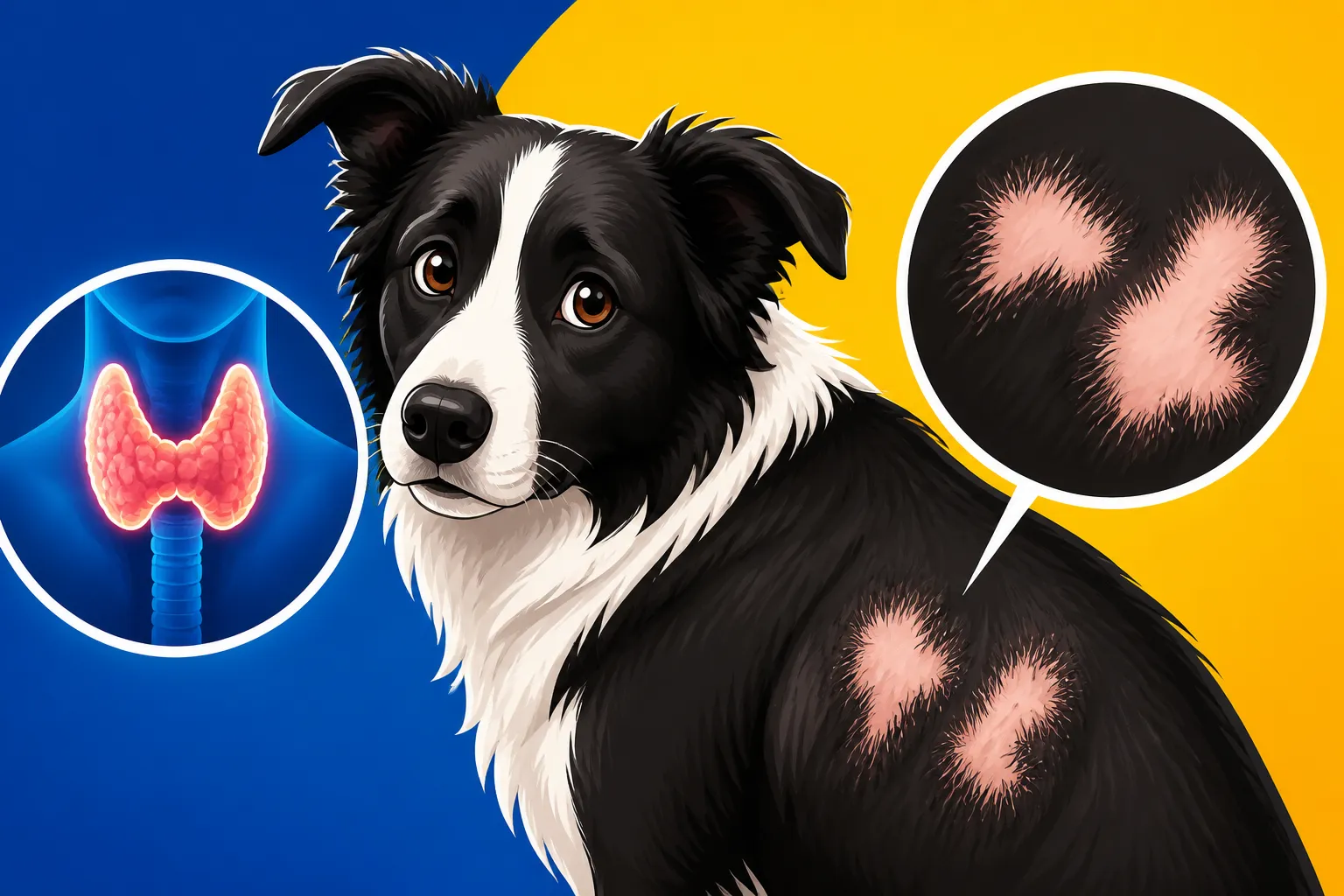
Hypothyroidism occurs when your Border Collie's thyroid gland, located in their neck, doesn't produce enough thyroid hormones. These hormones are the master regulators of metabolism in almost every cell of the body, including those responsible for hair growth and skin health. When hormone levels drop, the body's processes slow down. Hair follicles, which rely on a healthy metabolic rate to grow and maintain hair, become sluggish. This leads to a cascade of problems: hair growth slows, existing hair becomes brittle and sheds easily, and new hair struggles to emerge, resulting in thinning and baldness.
The coat loss associated with hypothyroidism is often distinctive. It frequently presents as symmetrical thinning, meaning it appears equally on both sides of the body. Common areas include the flanks, chest, and the top of the tail, often described as a "rat tail" due to the sparse fur. It typically isn't itchy initially, unlike many allergic reactions, which can make it harder to pinpoint. The skin underneath the thinning coat might also become dry, flaky, or even thick and darkened (hyperpigmentation) over time due to chronic inflammation. Understanding this pattern is key to recognizing a potential thyroid issue rather than another dermatological problem.
Border Collies, like many medium-to-large breeds such as Golden Retrievers, Doberman Pinschers, and Airedale Terriers, are genetically predisposed to developing hypothyroidism. While it can occur at any age, it's most commonly diagnosed in middle-aged dogs, typically between two and six years old. It’s not an acute emergency, but a chronic condition that, if left untreated, can severely impact your dog's quality of life.
Other Signs Beyond Just Hair
While coat loss might be the most visible symptom, hypothyroidism rarely comes alone. Owners often notice a general slowing down in their otherwise energetic Border Collie. They might become lethargic, sleeping more than usual, and showing less enthusiasm for walks, training, or playtime. If you've noticed Why a Border Collie's Drive Drops With Its Thyroid, it could very well be linked to declining thyroid function rather than simply "aging" or a shift in temperament. This isn't just about physical energy; it can affect their mental sharpness too.
Beyond the coat and energy levels, a hypothyroid Border Collie may experience unexplained weight gain, even if their diet and exercise routine haven't changed. Their metabolism is simply not burning calories efficiently. It’s important to note that while some medications, like phenobarbital for epilepsy, can cause weight gain (as discussed in Weight Gain on a Border Collie Taking Phenobarbital), unexplained weight gain without such medication, especially coupled with other symptoms, strongly points towards a metabolic issue like hypothyroidism. They might also become intolerant to cold, seeking out warm spots or shivering more easily, as their internal thermostat isn't functioning correctly.
The skin itself can tell a story too. Besides hair loss and dryness, you might observe recurrent skin infections, as a compromised immune system is another hallmark of low thyroid hormone. Ear infections can become more frequent, and the skin may develop an oily, greasy feel, often accompanied by a distinct, somewhat musty odor. These subtle, often generalized symptoms, when combined with coat changes, paint a clearer picture that something systemic is at play.
Diagnosing and Managing Thyroid-Related Coat Loss
If you suspect your Border Collie might be suffering from a thyroid issue, taking prompt action is crucial. While it’s a chronic condition, it’s highly manageable once diagnosed, and getting your dog back to their old self often brings immense relief to both pet and owner.
The Diagnostic Journey
The first step is a thorough visit to your veterinarian. Be prepared to discuss all the symptoms you’ve observed, even the subtle ones, and when they started. Providing a detailed history, including any changes in appetite, activity level, weight, and other health issues, gives your vet valuable clues. Your vet will perform a comprehensive physical exam, feeling the thyroid gland (though it's rarely palpable unless enlarged) and checking for other signs like a slow heart rate or changes in skin and coat texture.
The definitive diagnosis of hypothyroidism relies on blood tests. Your vet will likely recommend a thyroid panel, which measures various thyroid hormone levels in the blood. Key markers include total T4, free T4, and TSH (thyroid-stimulating hormone). For Border Collies, a comprehensive panel is often preferred as certain factors can influence T4 levels, potentially leading to a misdiagnosis. For instance, Thyroid Levels in a Border Collie That Slowed Down can be a symptom, but interpreting the blood results correctly is critical. High TSH levels coupled with low T4 and free T4 typically confirm hypothyroidism. Remember, Yearly Bloodwork for a Border Collie is an excellent preventative measure that can catch such issues early, even before pronounced symptoms appear.
In some cases, your vet might want to rule out other conditions that can mimic hypothyroidism, especially if the blood test results are borderline or unusual. This might involve additional blood tests to check organ function or rule out other hormonal imbalances. While the process might seem a bit extensive, getting an accurate diagnosis is paramount to ensuring your Border Collie receives the correct and most effective treatment.
Treatment and Recovery
Once hypothyroidism is confirmed, the good news is that treatment is straightforward and highly effective. The standard therapy involves daily oral administration of synthetic thyroid hormone, typically levothyroxine. This medication simply replaces the hormones your dog's body isn't producing enough of. It's usually a small pill given once or twice a day, and consistency is key to its success. Your vet will determine the appropriate starting dose based on your dog's weight and the severity of their condition.
It’s important to manage your expectations regarding recovery. While some behavioral and energy improvements might be seen within a week or two, coat regrowth takes time – often several months. Hair follicles need time to normalize their function, grow new hair, and replace the old, damaged fur. Don't be discouraged if you don't see a full, lush coat overnight; patience is absolutely essential here. What you should expect is a gradual return of energy, improved mental alertness, and a slow but steady improvement in skin and coat quality.
After a few weeks or months on medication, your vet will recommend follow-up blood tests to monitor your Border Collie's thyroid levels. These tests ensure the dosage is optimal – not too low, and not too high. Adjustments may be necessary, and once a stable dose is found, your dog will likely need lifelong medication and periodic monitoring to ensure their thyroid levels remain in the healthy range. This ongoing management is crucial for their long-term health and well-being.
Supporting Coat Health During Treatment
Even with the right medication, there are several things you can do at home to support your Border Collie’s coat health and overall recovery. A high-quality, balanced diet is fundamental. Look for foods rich in essential fatty acids (omega-3 and omega-6), which are vital for skin and coat health. While specific supplements like Joint Supplements for a Border Collie Doing Agility are geared towards joint health, others, like fish oil, can directly benefit the coat. Many owners wonder Whether Fish Oil Helps a Border Collie's Coat, and indeed, the omega-3s found in fish oil can help reduce inflammation and promote a healthy, shiny coat, working synergistically with the thyroid medication.
Gentle, regular grooming is also important. Even if your Border Collie has lost a lot of fur, careful brushing can stimulate blood flow to the skin, helping new hair growth. Avoid harsh brushes or vigorous grooming that could irritate sensitive skin. If your dog is older or has other issues like arthritis, remember that Grooming an Arthritic Border Collie Lying Down might require a softer touch and more comfortable positions. Bathing should be done with mild, moisturizing shampoos specifically formulated for dogs, avoiding anything that could strip natural oils or exacerbate dryness.
Finally, consider the financial aspect of managing a chronic condition. Hypothyroidism requires lifelong medication and regular vet check-ups, which can add up. This is where pet insurance can truly be a lifesaver. Many pet insurance providers, including reputable companies like Healthy Paws, offer coverage for chronic conditions once the waiting period is met, helping to offset the costs of medication, diagnostic tests, and ongoing veterinary care. Having a plan like Healthy Paws in place can provide peace of mind and ensure you can always afford the best treatment for your beloved Border Collie.
Differentiating Thyroid Issues from Other Causes of Coat Loss
It’s easy to jump to conclusions when you see your Border Collie’s coat changing, but it’s crucial to remember that hypothyroidism isn't the only reason for hair loss. Several other conditions can manifest similarly, making a proper veterinary diagnosis absolutely essential.
Allergies and Skin Conditions
One of the most common causes of coat loss, often confused with hormonal issues, is allergies. Border Collies, like many breeds, can suffer from environmental allergies (atopy) to things like pollen, dust mites, or molds, or food allergies to certain proteins in their diet. Unlike the symmetrical, non-itchy thinning often seen with thyroid issues, allergies usually present with intense itching, redness, and inflammation. Your dog will scratch, lick, or chew at themselves constantly, leading to secondary skin infections, scabbing, and localized hair loss. If you’re concerned about Allergies in a Border Collie, a vet can help distinguish between environmental and food triggers and develop a management plan.
Other dermatological issues, such as parasitic infestations (fleas, mites like sarcoptic or demodectic mange), bacterial skin infections (pyoderma), or fungal infections (ringworm), can also cause hair loss. These often start with itching, irritation, or visible lesions like pustules or Hot Spots on a Border Collie. Hot spots, also known as acute moist dermatitis, are particularly common in dogs with dense coats and can appear very suddenly, creating a red, oozing, painful lesion that your dog will aggressively lick, leading to rapid hair loss in the affected area. While these conditions are different from hypothyroidism, they can complicate the picture, so a thorough skin exam is a must.
Stress, Nutrition, and Environmental Factors
Sometimes, coat loss can be a reflection of less dramatic but equally impactful factors. Chronic stress, for instance, can take a toll on a dog’s overall health, including their coat. A major change in routine, a new pet, or even prolonged separation anxiety can lead to excessive shedding or a dull, unhealthy coat. While not typically causing bald patches like hypothyroidism, stress can certainly contribute to a poor coat condition.
Nutritional deficiencies are another potential culprit. A diet that lacks essential vitamins, minerals, or, critically, sufficient protein and healthy fats can result in a dry, brittle coat that sheds excessively and fails to regrow properly. Poor quality food or an imbalanced homemade diet can silently undermine your Border Collie’s health. Ensuring a high-quality, nutritionally complete diet tailored to their age and activity level is foundational for healthy skin and coat.
Lastly, environmental irritants or even certain medications can sometimes contribute to coat issues. Exposure to harsh chemicals, certain shampoos, or even some drugs prescribed for unrelated conditions can affect hair growth or cause skin reactions. Therefore, when discussing coat loss with your vet, it’s important to provide a full rundown of your dog’s diet, environment, and any medications they might be taking. Moreover, delving into The Border Collie Genetic Panel and What It Screens can offer insights into any genetic predispositions your dog might have, which could also play a role in skin and coat health, helping your vet rule out hereditary dermatological issues as part of the diagnostic process. Ultimately, managing your Border Collie's health proactively, including understanding How Long a Border Collie Lives and what health challenges they might face, is part of being a responsible owner.
Here’s a quick comparison of common signs:
| Symptom / Condition | Hypothyroidism | Allergies (Environmental/Food) | Skin Infections/Parasites |
|---|---|---|---|
| Coat Loss Pattern | Symmetrical, thinning, often on flanks/tail. Poor regrowth. | Patchy, often self-inflicted (licking/chewing). | Localized, crusty, bald spots. |
| Itchiness | Mild to none (initially) | Moderate to severe | Moderate to severe |
| Skin Appearance | Dry, flaky, thickened, hyperpigmented (darkened). | Red, inflamed, scabby, hot spots. | Red, pustules, greasy, malodorous. |
| Other General Symptoms | Lethargy, weight gain, cold intolerance, slow heart rate. | Ear infections, paw licking, gastrointestinal upset (food allergies). | Visible fleas/mites, general discomfort. |
| Typical Onset | Middle-aged (2-6 years) | Any age, often starts young (6 months – 3 years). | Any age. |
This table provides a general overview, but always consult your veterinarian for an accurate diagnosis.
Disclaimer
This article is intended for informational purposes only and does not constitute professional veterinary advice. Always consult with a qualified veterinarian for any health concerns or before making any decisions about your Border Collie's medical care.