Phenobarbital and Liver Values in a Border Collie
Watching your beloved Border Collie experience a seizure is terrifying enough, but then you're faced with the added worry of starting a powerful medication like phenobarbital. Many owners feel caught between a rock and a hard place, wanting to stop the seizures but deeply concerned about the long-term impact on their dog's liver. This guide will meticulously break down what phenobarbital does, why liver monitoring is crucial, how to interpret those confusing blood test results, and what proactive steps you can take to support your Border Collie's health while managing epilepsy.
Understanding Phenobarbital for Border Collie Epilepsy
When your energetic, intelligent Border Collie suddenly collapses into a seizure, it's a shock that no owner ever truly recovers from. The decision to medicate, especially with a drug as potent as phenobarbital, is often made out of necessity, driven by the desire to prevent future terrifying episodes. It’s a common first-line treatment, and for many Border Collies, it offers a lifeline to a more stable life.
How Phenobarbital Does Its Job to Control Seizures
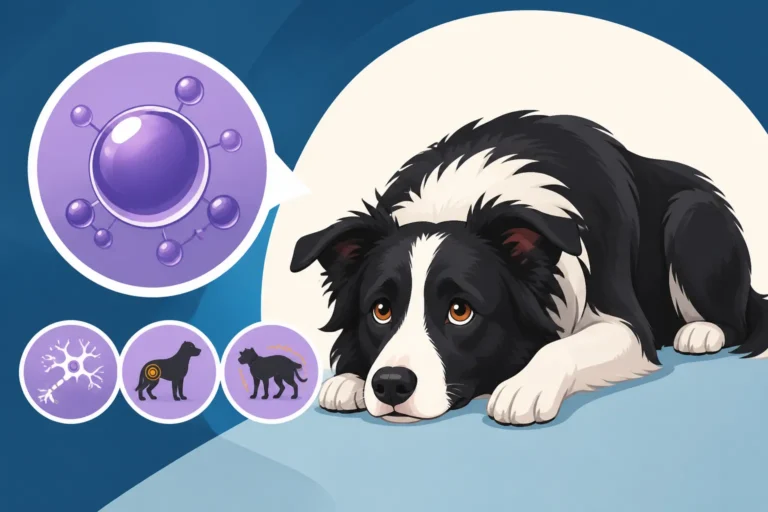
Phenobarbital is what we call an anticonvulsant, or an antiepileptic drug (AED). Its primary role is to calm down the overactive electrical impulses in the brain that trigger seizures. Think of it like a dimmer switch for the brain’s excitability. It works by enhancing the activity of a neurotransmitter called gamma-aminobutyric acid (GABA), which is the main inhibitory neurotransmitter in the central nervous system. By boosting GABA’s effect, phenobarbital effectively reduces the abnormal firing of neurons that leads to a seizure.
It doesn't "cure" epilepsy, but it manages the symptoms by raising the seizure threshold. This means it makes it harder for the brain to reach the point where a seizure is initiated. For a breed known for its intense focus and high neurological activity, like the Border Collie, finding a balance to reduce this excitability without completely dulling their brilliant minds is the ultimate goal. For a deeper dive into what epilepsy entails for this breed, you might find information on Epilepsy in a Border Collie Between One and Five particularly helpful.
When a Veterinarian Decides on Phenobarbital
The decision to start phenobarbital isn't taken lightly. Vets typically consider a few key factors before prescribing it. One major trigger is the frequency of seizures. If your Border Collie is having seizures more often than every six to eight weeks, it’s usually time to consider medication. Another critical factor is the severity and duration of the seizures. Long, drawn-out seizures (lasting several minutes), cluster seizures (multiple seizures within a 24-hour period), or status epilepticus (a seizure lasting longer than five minutes or back-to-back seizures without recovery in between) are serious medical emergencies that often warrant immediate and aggressive anticonvulsant therapy.
The initial diagnosis and evaluation are crucial. Your vet will rule out other potential causes of seizures, such as metabolic issues, brain tumors, or toxins, before concluding it's idiopathic epilepsy. Understanding The Age a Border Collie's First Seizure Arrives can give you a better context for when these issues typically emerge. Once epilepsy is confirmed, phenobarbital often enters the conversation as a reliable, albeit potent, option to bring stability back to your dog's life.
Getting Started: Initial Dosing and What to Expect
When your vet starts your Border Collie on phenobarbital, it’s a careful process of titration. They’ll prescribe a specific dose based on your dog's weight, but it's not a one-size-fits-all solution. Every dog metabolizes drugs differently, so finding the "sweet spot" takes time and patience.
Initially, you might notice some side effects. Your Border Collie might seem a little wobbly, sleepier than usual, or drink and urinate more frequently. These are common and often resolve within a few weeks as their body adjusts to the medication. It's incredibly important not to get discouraged during this period. Keep a detailed log of any changes in behavior, seizure activity, and side effects. This information is gold for your vet to make informed adjustments.
After a few weeks, usually around two to three, your vet will want to perform a blood test to check the phenobarbital level in your dog's bloodstream. This helps ensure the drug is within the therapeutic range—high enough to control seizures but not so high that it causes excessive toxicity. It's a delicate balance, and achieving it is key to successful long-term management. For more on what happens during this critical period, consider reading What Happens After a Border Collie's First Seizure.
The Critical Link Between Phenobarbital and Liver Health
This is often where the real anxiety kicks in for Border Collie owners. We know phenobarbital works, but we're also acutely aware of its reputation for affecting the liver. It's a legitimate concern, and understanding why it affects the liver is the first step in managing those worries effectively.
How Phenobarbital Impacts the Liver's Work
The liver is the body's main detoxification organ, processing just about everything that enters the bloodstream, including medications. Phenobarbital is metabolized by the liver, which means the liver has to work extra hard to break it down and excrete it from the body. Over time, this increased workload can cause changes in liver enzymes.
Specifically, phenobarbital induces the production of certain liver enzymes, particularly alkaline phosphatase (ALP) and alanine aminotransferase (ALT). This "enzyme induction" means the liver cells are working overtime, and these enzymes are released in higher amounts. This doesn't always mean the liver is failing or even damaged, but it does signal that it's under stress and needs careful monitoring. In some cases, prolonged or very high doses can lead to more significant liver damage, known as hepatotoxicity. This is why vigilance is absolutely non-negotiable.
Catching the Signs of Liver Stress at Home
Before blood tests confirm anything, you might notice subtle changes in your Border Collie that could hint at liver stress. These aren't always definitive, as they can be symptoms of many other issues, but they warrant a call to your vet, especially if your dog is on phenobarbital.
Look out for:
- Increased thirst and urination (polydipsia and polyuria): This is a very common side effect of phenobarbital itself, but a sudden or dramatic increase could also be a red flag for liver or kidney issues.
- Changes in appetite: Your dog might eat less, or conversely, seem unusually hungry due to the medication.
- Lethargy or weakness: Beyond the initial sedation, persistent tiredness or a general lack of enthusiasm for activities they once loved.
- Vomiting or diarrhea: Upset stomach can be a sign of many things, but don't dismiss it.
- Jaundice: A yellowing of the gums, whites of the eyes, or skin. This is a more severe sign and indicates a significant problem with liver function.
- Dark urine or pale stools: Changes in the color of waste products can indicate issues with bilirubin metabolism or bile flow.
These signs can be frightening, but remember, early detection is key. Always communicate any changes you observe to your veterinary team.
The Non-Negotiable Need for Regular Liver Monitoring
This brings us to the crucial part: regular blood work. It's not just about checking phenobarbital levels; it's about safeguarding your Border Collie's liver. Your vet will typically recommend blood tests every three to six months, or more frequently if there are concerns or dose adjustments.
The panel of tests usually includes:
- Phenobarbital levels: To ensure the dose is therapeutic and not toxic.
- Liver enzymes:
- Alanine Aminotransferase (ALT): This enzyme is released when liver cells are damaged. Elevated levels can indicate liver cell injury.
- Alkaline Phosphatase (ALP): This one can be elevated due to liver stress (often induced by phenobarbital), but also by other conditions like Cushing's disease or bone growth. It's a less specific indicator of damage than ALT, but still important.
- Gamma-Glutamyl Transferase (GGT): Another enzyme associated with liver and bile duct cells. Elevations can indicate bile duct issues or liver enzyme induction.
- Bile acids: This test is a more sensitive indicator of liver function. The liver processes bile acids, so if it's not working efficiently, pre- and post-prandial (before and after eating) bile acid levels will be elevated. This is often done if initial enzyme levels are very high, or if there's significant concern for liver damage.
- Albumin, Globulin, Glucose, BUN, Creatinine: These offer a broader picture of overall organ function and hydration.
Think of these tests as your dog's internal health report card. They provide objective data that helps your vet make informed decisions, often before clinical signs of serious liver disease appear. This consistent monitoring is a cornerstone of responsible phenobarbital use, helping your Border Collie enjoy a full life despite their epilepsy. For discussions around managing medication, you might want to look at Medicating a Border Collie Without Dulling It.
Interpreting Liver Values and Managing Side Effects
Getting those blood test results can feel like deciphering a secret code. You see numbers that are "out of range," and panic can quickly set in. But it’s important to remember that not all elevated liver enzymes signal imminent disaster. Context is everything.
What Elevated Liver Enzymes Really Tell You
When your vet calls with elevated liver enzyme results, it’s natural to feel a knot in your stomach. However, with phenobarbital, some elevation, especially in ALP, is often expected due to enzyme induction. It means the liver is working harder, as we discussed.
Here’s a simplified breakdown of what different elevations might indicate:
| Enzyme | Typical Normal Range (Approx.) | Expected on Phenobarbital | Concerning Elevations | What It Might Mean |
|---|---|---|---|---|
| ALT | 10-100 U/L | Mildly elevated (100-200) | Significantly high (>200-300 U/L) | Liver cell damage, inflammation, or more severe hepatotoxicity. Requires immediate investigation. |
| ALP | 10-150 U/L | Moderately to highly elevated (200-1000+) | Extremely high without other clear causes | Strong enzyme induction, possible bile flow issues, or other conditions like Cushing's. Often phenobarbital-induced. |
| GGT | 0-10 U/L | Mildly elevated | Significantly high (>20-30 U/L) | Bile duct irritation, cholestasis (reduced bile flow), or liver inflammation. |
| Bile Acids | Pre: <10 µmol/L, Post: <20 µmol/L | Usually normal | Elevated pre/post values (>25-50+) | Reduced liver function, portosystemic shunt, or advanced liver disease. A critical indicator of actual liver impairment. |
Note: These ranges are approximate and vary by laboratory. Always consult your veterinarian for exact interpretations of your dog’s specific results.
A mild to moderate elevation in ALP or even ALT might simply reflect the liver's increased workload. Your vet will look at the overall pattern of the enzymes, how they change over time, and compare them to previous results. They will also consider how your Border Collie is acting at home. If the enzymes are very high, particularly ALT and GGT, or if bile acids are elevated, then there's a stronger indication of actual liver damage that needs to be addressed immediately.
Strategies for Supporting Your Border Collie's Liver Health
While phenobarbital is doing its job to control seizures, there are things you can do to proactively support your Border Collie's liver.
-
Dietary Management: A high-quality, easily digestible diet is paramount. Some vets recommend diets lower in protein, but this isn't always necessary or advisable for active Border Collies without confirmed liver failure. Focus on foods with good quality protein sources and appropriate fat levels. Avoid processed foods, excessive treats, and anything that puts extra strain on the liver. The information on Diet and Seizure Frequency in a Border Collie might offer some relevant insights here.
-
Nutritional Supplements: This is where many owners turn for peace of mind. Discuss these with your vet before starting any regimen:
- S-Adenosylmethionine (SAMe): This is a fantastic supplement for liver support. It helps protect liver cells from damage and aids in their regeneration. Brands like Denamarin (which combines SAMe with silybin) are commonly recommended by vets.
- Milk Thistle (Silybin): Known for its hepatoprotective properties, it can help protect liver cells from toxins and inflammation.
- Antioxidants: Vitamins E and C can help combat oxidative stress in the liver.
- B Vitamins: Essential for liver metabolism.
-
Regular Hydration: Ensure your Border Collie always has access to fresh, clean water. Good hydration supports all organ functions, including the liver and kidneys.
These strategies, when used in conjunction with regular vet check-ups, can significantly contribute to your dog's overall well-being.
The Delicate Dance of Adjusting Phenobarbital Dosage
If liver values become concerning, or if your Border Collie is showing significant side effects, your vet might suggest adjusting the phenobarbital dosage. This is a very careful process because reducing the dose too quickly could trigger a seizure, while maintaining a high dose could further compromise the liver.
Sometimes, a slight reduction in dosage is enough to bring liver enzymes back to a more acceptable level without compromising seizure control. Other times, the vet might decide to keep the phenobarbital dose stable but add in another anticonvulsant at a lower dose. This approach, called polypharmacy, can sometimes allow for lower doses of each individual drug, thereby reducing the side effects associated with a single high-dose medication.
Considering Alternatives or Add-On Medications
When phenobarbital alone isn't cutting it, or if liver values become too high, your vet might explore other options. It’s a common strategy in human and veterinary medicine to use multiple drugs, each working slightly differently, to achieve better seizure control with fewer side effects from any single drug.
Common additions or alternatives include:
- Potassium Bromide (KBr): This is another common first-line or add-on AED. It has a very long half-life, meaning it stays in the body for a long time, and is primarily excreted by the kidneys, not the liver. This makes it a great option for Border Collies with phenobarbital-induced liver concerns. You can learn more about this option by searching for Potassium Bromide for a Border Collie. However, KBr has its own potential side effects, including hind limb weakness, increased thirst/urination, and gastrointestinal upset.
- Levetiracetam (Keppra): This drug is often favored for its relatively fast action and minimal metabolism by the liver, making it another good choice for dogs with liver issues or as an add-on. It typically has fewer side effects than phenobarbital or KBr. It’s also often used in emergency situations. For more information, read Levetiracetam as an Add-On for a Border Collie.
- Zonisamide: Another AED that can be used alone or in combination. It also has minimal liver metabolism.
The decision to add or switch medications is always a collaborative one between you and your vet, weighing the benefits of seizure control against potential side effects and costs. For those worried about the long-term financial commitment, especially with multiple medications, exploring pet insurance like Healthy Paws can be a sensible choice, potentially covering a significant portion of these ongoing treatment costs.
Living with an Epileptic Border Collie on Phenobarbital
Having a Border Collie with epilepsy means you're already a dedicated owner. Adding phenobarbital to the mix brings another layer of responsibility, but with careful management, your dog can still lead a full and vibrant life. It’s all about integrating their medical needs into their daily routine.
Balancing Seizure Control with Quality of Life
This is arguably the most crucial aspect of long-term epilepsy management. The goal isn't just to stop seizures at any cost; it's to stop them while maintaining your Border Collie's spark, their joy, and their ability to be a dog.
Sometimes, owners worry that medication will "dull" their highly intelligent Border Collie. While initial sedation is common, most dogs adjust. If your Border Collie remains overly sedated, ataxic (wobbly), or has lost their usual drive and personality after the initial adjustment period, it's a sign that their phenobarbital level might be too high or that they are particularly sensitive to the drug. This is a critical point to discuss with your vet. It might mean a dose adjustment or considering an add-on medication that allows for a lower phenobarbital dose. The insights from Medicating a Border Collie Without Dulling It delve into this very concern.
Seizures themselves can significantly impact quality of life, causing confusion, anxiety, and potential injury. Finding the right balance where seizures are controlled, and side effects are minimal, is the true art of veterinary medicine in these cases.
The Power of Open Communication with Your Veterinarian
You are your Border Collie's most important advocate. No one knows your dog better than you do, and your observations are invaluable to your vet.
- Keep a detailed seizure log: Note the date, time, duration, type of seizure (What a Border Collie Seizure Looks Like), and any changes you observed before or after. This helps your vet track patterns and assess medication effectiveness.
- Report all side effects: Even subtle changes in appetite, thirst, urination, or behavior. What seems minor to you could be a key piece of information for your vet.
- Don't hesitate to ask questions: If you don't understand the blood test results, the treatment plan, or why a certain medication is being used, ask until you do. A good vet will take the time to explain.
- Discuss concerns about long-term costs: Managing a chronic condition like epilepsy can be expensive. From medication refills to regular blood tests, the bills can add up. Pet insurance, such as through Healthy Paws, can be a massive relief for owners facing these ongoing expenses, helping you prioritize your dog's health without financial stress. You might also find our article on Lifetime Cost of Border Collie Seizure Medication useful for planning.
Nutritional Support and Lifestyle Adjustments
Beyond medication, a holistic approach to your Border Collie's care can make a big difference.
- Consistent Schedule: Dogs, especially those with neurological conditions, thrive on routine. Consistent feeding times, exercise, and medication schedules can help stabilize their system.
- Stress Reduction: Try to minimize stressors in your dog's environment. While a Border Collie is built for activity, excessive, uncontrolled excitement or sudden changes can sometimes be seizure triggers for some individuals. Creating a calm, predictable home environment is beneficial.
- Safe Environment: During a seizure, a dog can lose consciousness and thrash. Make sure their living space is free of sharp objects or places they could fall and injure themselves. Learn When a Seizing Border Collie Needs Emergency Care to be prepared for emergencies.
- Appropriate Exercise: While medication can make some dogs a little sleepier, Border Collies still need mental and physical stimulation. Just be mindful of their energy levels and avoid pushing them too hard, especially if they are particularly sedated. Mental games like puzzle toys or scent work can be excellent low-impact options.
Managing epilepsy and phenobarbital requires dedication, but it’s entirely possible to provide your Border Collie with a wonderful, long life. It's a journey, but one you don't have to walk alone, thanks to a partnership with your vet and the support systems available to you.
Disclaimer
This article is intended for informational purposes only and does not constitute veterinary advice. Always consult with a qualified veterinarian for any health concerns or before making any decisions about your pet's medical care.