The Limp That Shows Up After a Border Collie Works
It’s truly disheartening to see your spirited Border Collie, a dog bred for boundless energy and drive, come in from a hard day's work with a noticeable limp. You know they live for the thrill of the chase, the focused intensity of herding, or the joyful leaps of agility, and to witness them in discomfort after doing what they love best is a common worry for many dedicated owners. This guide will walk you through the various reasons why your Border Collie might develop a limp after exertion, what steps you can take to assess the situation, and when it’s crucial to seek professional veterinary help.
Understanding the "Post-Work" Limp in Your Border Collie
Border Collies are phenomenal athletes, often pushing themselves to their physical limits without complaint. Their immense drive and focus can sometimes mask pain or discomfort until their bodies finally relax, which is often after the work is done. This makes understanding and identifying the "post-work" limp a critical skill for any Border Collie owner.
The Nature of Border Collie Work
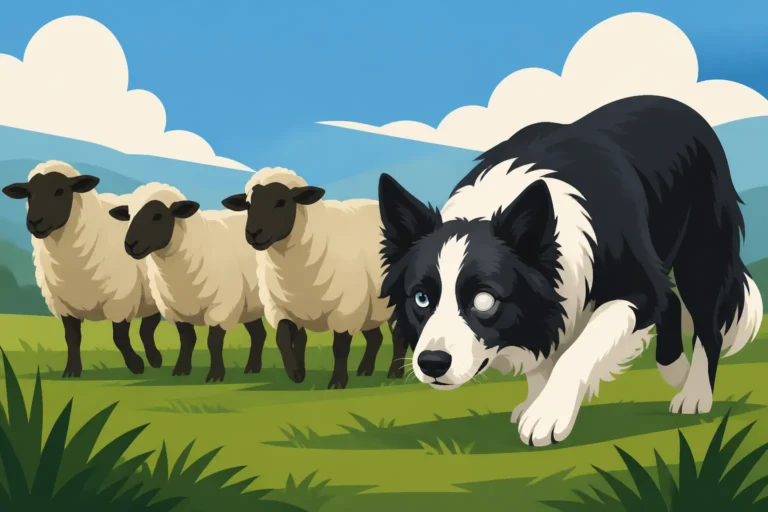
Let's be real, a Border Collie isn't just taking a leisurely stroll. Whether they're weaving through an agility course, making tight turns to gather a flock of sheep, or launching themselves after a disc, their activities demand incredible physical prowess. They're built for speed, agility, endurance, and powerful bursts of acceleration and deceleration. This kind of intense, repetitive, high-impact movement puts significant stress on their musculoskeletal system – every joint, ligament, tendon, and muscle. Unlike many other breeds, a Border Collie often views their 'work' as their sole purpose, leading them to ignore minor aches and pains until the activity ceases and the adrenaline subsides.
Why Discomfort Appears After the Activity
It's a common scenario: your Border Collie is flying around the field, looking perfectly sound, and then, a few minutes after you call it a day, or even hours later once they've had a chance to cool down, you notice a subtle (or not-so-subtle) limp. Why the delay? Adrenaline is a powerful thing. During periods of intense activity, the body releases adrenaline and endorphins that can effectively mask pain signals. Your dog's innate drive to perform can override the sensation of discomfort, allowing them to push through what might be a minor injury or strain. Once the excitement dies down, the body cools, and those natural painkillers dissipate, the underlying issue makes itself known. It's also when inflammation, if present, can begin to set in, causing stiffness and soreness.
Initial Assessment: What to Look For at Home
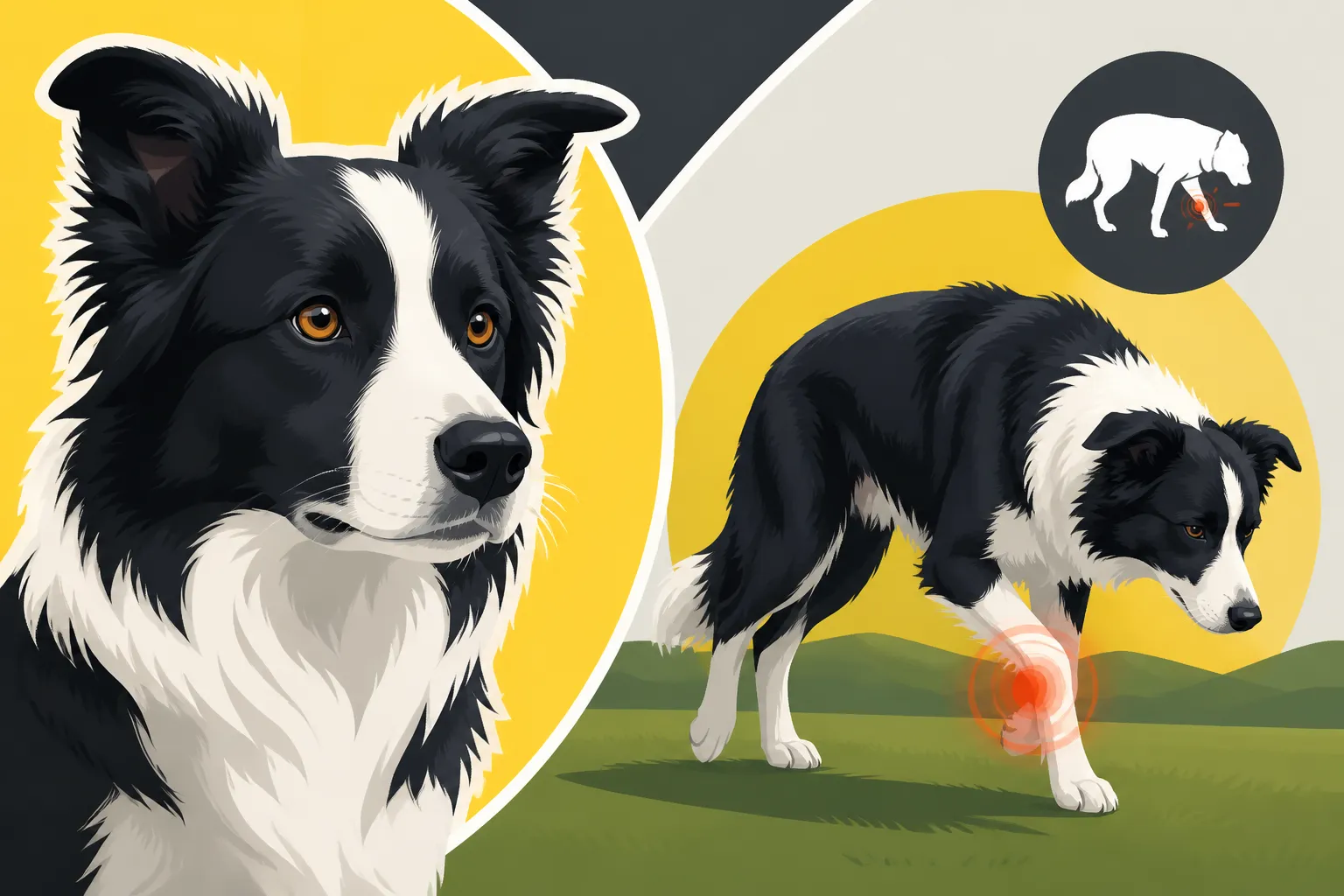
When you first notice your Border Collie limping, take a deep breath. Your immediate goal is to gather as much information as possible before deciding on the next steps. Start by gently observing them. Which leg seems to be affected? Is it a front leg or a hind leg? Is the limp constant, or does it only appear when they put weight on it, or when they turn a certain way?
Once you have an idea of the affected limb, you can do a more hands-on check. Gently run your hands down each leg, comparing it to the opposite, unaffected limb. Feel for any heat, swelling, or obvious bumps. Carefully flex and extend each joint – the shoulder, elbow, wrist (carpus), hip, knee (stifle), and ankle (hock). Watch your dog's reaction. Do they flinch, pull away, or vocalize when you touch a particular area? Don't forget their paws! Check between the paw pads for thorns, cuts, embedded debris, or broken nails. Sometimes, the simplest culprit is the easiest to miss. Also, observe their gait again if you can get them to move a little. Do they bunny hop, drag a paw, or seem reluctant to extend a limb fully? All these observations will be invaluable when you speak to your veterinarian.
Common Culprits Behind Your Border Collie's Post-Work Limp
The range of potential causes for a limp in such an active breed can feel overwhelming, but many stem from the inherent demands of their work. Knowing the most common issues can help you pinpoint what might be going on.
Soft Tissue Injuries: Strains and Sprains
These are arguably the most frequent culprits behind a post-work limp. A strain involves damage to a muscle or tendon (which connects muscle to bone), while a sprain affects a ligament (which connects bone to bone). Both happen when these tissues are stretched or torn beyond their capacity, often during sudden movements, twists, or impacts.
For a Border Collie, imagine them making a sharp, pivot turn at full speed during a sheepdog trial, or landing awkwardly after a high jump in agility. These actions can easily lead to a muscle strain in the shoulder, a common injury that can cause noticeable lameness. Similarly, an Iliopsoas Strain and Why a Border Collie Slows on Turns is a deep muscle injury in the groin area, often seen in dogs that perform explosive movements or tight turns, leading to a stiff, shortened gait or reluctance to jump. They might also develop Shoulder Lameness in a Border Collie That Weaves, which can manifest as a subtle head bob or a short stride on the affected leg. The soft tissues in the hocks (ankles) or carpi (wrists) are also vulnerable, especially with repetitive impact or sudden stops. Rest is often the first line of defense, but a vet visit is crucial to determine the severity and rule out more serious damage.
Pad and Toe Injuries
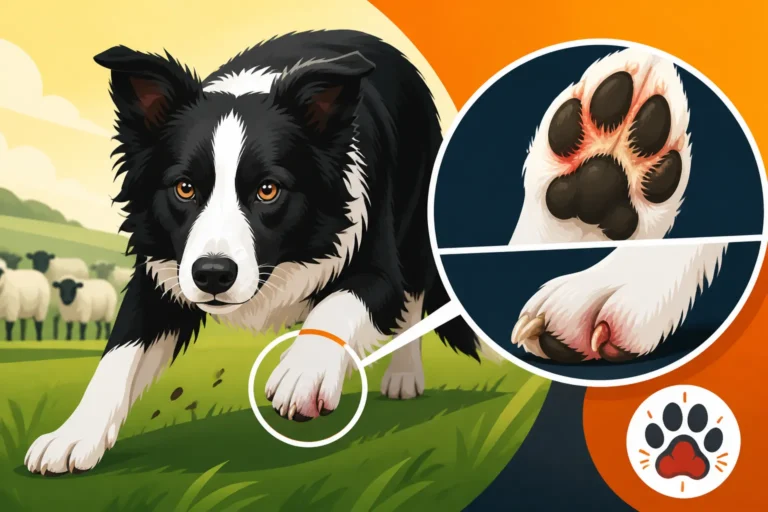
It’s easy to overlook the ground-level issues when you’re worried about a limb, but your Border Collie’s feet take an immense pounding. Working on varied terrain—from rough pasture and rocky trails to abrasive artificial turf or even hot pavement—can lead to a host of problems. Minor cuts, scrapes, or abrasions on the paw pads can become painful when pressure is applied after intense activity. Foreign bodies like sharp thorns, burrs, or grass seeds can embed themselves between the toes or deep in the pads, causing persistent irritation and limping. A common issue is a broken or torn nail, which can be incredibly painful, especially if it's torn close to the quick. These kinds of Toe and Pad Injuries on a Working Border Collie often cause immediate, pronounced lameness. Regularly inspecting your dog's paws, especially after a working session, is vital for early detection. Maintaining proper nail length and considering protective boots for certain terrains can also help in Toughening a Border Collie's Pads for Rough Ground and preventing these common injuries.
Joint Issues: Acute Flare-ups
Sometimes, a limp isn't a new injury but an exacerbation of an existing underlying joint condition. Border Collies, like many active breeds, can be prone to conditions such as hip and elbow dysplasia. While some dogs with hip dysplasia might run all day without obvious signs, intense exercise can trigger an acute flare-up of pain and inflammation, leading to a limp once they cool down. Even Hip Dysplasia in a Border Collie That Runs All Day can become evident after significant exertion. Similarly, elbow dysplasia can cause chronic discomfort, and a hard day's work can push it over the edge.
As Border Collies age, Osteoarthritis in a Border Collie by Eight becomes a more common concern. The wear and tear on their joints from years of high-impact activity can lead to degenerative joint disease. While they might manage fine with moderate activity, a particularly strenuous day can cause significant stiffness and pain post-work. Another serious joint issue to consider is a partial or complete tear of the cranial cruciate ligament (CCL), often referred to as a "cruciate tear." Even a minor tear or strain in the ligament, especially in an athletic dog, can result in a limp that becomes more apparent after activity. Cruciate Tears in a Border Collie often require surgical intervention for full recovery, making early detection important.
Overuse and Fatigue
Not every limp signifies a serious injury. Sometimes, it’s simply a case of overuse and muscle fatigue. If your Border Collie has had an exceptionally strenuous day, perhaps more than they’re conditioned for, or if they’re just starting back into heavy work after a break, their muscles can become very sore, similar to how we feel after a tough workout. This soreness can manifest as a stiff, reluctant gait or a subtle limp. While less alarming than a tear or break, it’s still a sign that you might be pushing them too hard, too fast. It's essential to build up their fitness gradually and ensure they have adequate rest days to recover. Pushing a dog through extreme fatigue increases their risk of more serious injuries.
When to Seek Veterinary Attention and Management
Knowing when to simply rest your dog and when to rush to the vet can be a challenging call. It's about being observant and understanding the severity of the situation.
Urgent vs. Watch and Wait Scenarios
Deciding whether to call the vet immediately or observe for a day or two depends on the nature and severity of the limp.
Call the vet immediately if you observe any of the following:
- Non-weight bearing: Your Border Collie refuses to put any weight on the limb at all, holding it up continuously. This suggests severe pain or a significant injury like a fracture or complete ligament tear.
- Obvious deformity or swelling: If the limb looks bent at an unnatural angle, or there's pronounced, sudden swelling around a joint or bone.
- Intense pain response: If your dog vocalizes loudly, snarls, or tries to bite when the area is gently touched.
- Limping accompanied by other symptoms: Such as lethargy, fever, loss of appetite, or signs of shock.
- Acute onset after a known trauma: For example, a bad fall or collision.
You can likely "watch and wait" for 24-48 hours with rest if:
- The limp is mild and intermittent.
- Your dog is still willing to put some weight on the limb.
- There's no obvious swelling or deformity.
- Your dog is otherwise bright, alert, and eating normally.
- The limp seems to improve slightly with rest.
During this "watch and wait" period, strictly enforce rest. No running, jumping, or strenuous walks. Short, leashed potty breaks only. If the limp doesn't improve or worsens after a day or two, it's time for a vet visit.
Diagnostic Steps Your Vet Might Take
When you bring your Border Collie to the vet for a limp, expect a thorough examination. Your vet will start with a full physical and orthopedic assessment, carefully palpating each joint and muscle, and observing your dog's gait. They'll be looking for pain, heat, swelling, and any abnormal movement.
To get a clearer picture, your vet might recommend:
- Radiographs (X-rays): These are crucial for identifying fractures, dislocations, signs of osteoarthritis, and assessing joint health, including hip and elbow dysplasia.
- Blood tests: While less common for acute limps, they can rule out underlying systemic issues or inflammation.
- Sedation: Sometimes, a dog is too painful or anxious to allow a full orthopedic exam. Mild sedation can help the vet get a more accurate assessment.
- Advanced imaging: For more complex cases, or if X-rays are inconclusive, your vet might suggest an ultrasound (for soft tissue), CT scan, or MRI (for detailed views of soft tissues like ligaments, tendons, and spinal cord issues).
Rest, Rehabilitation, and Prevention
Once a diagnosis is made, treatment will vary. For many soft tissue injuries and mild joint flare-ups, the cornerstone of recovery is strict rest. This means crate rest or restricted movement for several weeks. Your vet might prescribe anti-inflammatory medications to manage pain and reduce swelling.
Following the initial rest period, rehabilitation is often critical, especially for athletic Border Collies. This can include:
- Cold/Heat Therapy: Applying ice packs to acute injuries to reduce swelling, and heat packs to chronic issues to improve blood flow and flexibility.
- Gentle Massage: To help relax muscles and improve circulation.
- Physiotherapy/Canine Rehabilitation: A certified canine rehabilitation therapist can develop a tailored exercise program using techniques like therapeutic exercises, underwater treadmill, and laser therapy. This structured approach helps rebuild strength, improve flexibility, and restore proper movement. Don't underestimate the impact of these therapies; Physiotherapy Costs for a Sport Border Collie can be an investment, but it's often essential for a full return to function.
- Gradual Return to Activity: It's vital to ease your Border Collie back into their normal routine, gradually increasing the duration and intensity of exercise. Pushing them too hard, too soon, can lead to re-injury. If your dog had a cruciate tear and underwent surgery, a structured plan for Returning a Border Collie to Agility After TPLO is absolutely essential.
Prevention is key!
- Proper conditioning: Ensure your Border Collie is adequately conditioned for the intensity of their work. Don't go from zero to sixty.
- Warm-ups and Cool-downs: Just like human athletes, dogs benefit from a gentle warm-up before intense activity and a cool-down period afterward to prevent stiffness and injuries.
- Avoid over-exercising: While Border Collies have immense stamina, even they have limits. Don't push them past obvious signs of fatigue. Be mindful of Impact Work Before a Border Collie Turns Two, as their growth plates are still developing.
- Maintain a healthy weight: Excess weight puts extra strain on joints.
- Regular vet check-ups: Catching subtle issues early can prevent them from escalating.
Nutritional Support and Joint Supplements
Diet plays a supporting role in joint health and recovery. Quality dog food that provides balanced nutrition is fundamental. For dogs prone to joint issues or those recovering from injury, certain supplements can be beneficial:
- Omega-3 Fatty Acids: EPA and DHA, found in fish oil, have anti-inflammatory properties that can help reduce joint pain and promote overall health.
- Glucosamine and Chondroitin: These are natural components of cartilage and are often recommended to support joint health, help repair cartilage, and improve joint lubrication. Many high-quality joint supplements contain these ingredients. You might find them in products specifically formulated as Joint Supplements for a Border Collie Doing Agility.
- MSM (Methylsulfonylmethane): Another supplement that may help with inflammation and pain relief.
Always discuss any supplements with your veterinarian before adding them to your Border Collie's regimen, as they can advise on appropriate dosages and potential interactions.
The Role of Pet Insurance
Let's be honest, unexpected veterinary bills for limps, strains, or even serious surgeries like a TPLO can be incredibly expensive. This is where pet insurance can be a real lifeline. Having a good pet insurance policy, like those offered by Healthy Paws, can significantly reduce the financial stress when your Border Collie needs extensive diagnostics, specialized treatments, or long-term rehabilitation. Many owners find peace of mind knowing that if their active dog suffers an injury or develops a chronic joint condition, they won't have to choose between their dog's health and their savings account. Healthy Paws, for instance, often covers accidents, illnesses, surgeries, and even alternative therapies when prescribed by a vet. Investing in a policy early, before any pre-existing conditions arise, means you're prepared for whatever an active Border Collie's working life might throw at you. It can help ensure your beloved companion receives the best possible care without you having to worry about the vet bill, especially if your dog requires ongoing support for something like Osteoarthritis in a Border Collie by Eight or repeated physiotherapy.
Here’s a quick overview of common limp causes and initial management:
| Injury/Condition | Key Symptoms After Work | First Aid/Initial Action | When to See a Vet Immediately |
|---|---|---|---|
| Soft Tissue Strain/Sprain | Subtle limp, tenderness to touch, mild swelling, reluctance to fully extend leg. | Strict rest, cold compress (first 24-48 hrs). | If non-weight bearing, severe pain/swelling. |
| Pad/Toe Injury | Lifting paw, licking paw, visible cut/thorn, broken nail. | Clean wound, remove debris (if safe), bandage if bleeding. | Deep puncture, severe bleeding, limping persists after inspection. |
| Joint Flare-up (Arthritis/Dysplasia) | Stiffness, reduced range of motion, more pronounced limp after rest. | Rest, gentle warmth, anti-inflammatory if prescribed. | Sudden worsening, new severe pain, inability to get up. |
| Cruciate Ligament Injury | Sudden lameness, holding leg up, "toe-touching" gait, swelling around knee. | Strict rest, avoid weight-bearing. | Always, as soon as possible. |
| Overuse/Fatigue | General stiffness, mild limp, resolves quickly with rest. | Rest, gentle stretching (if pain-free). | If limp persists beyond 24-48 hours. |
Disclaimer
The information provided in this article is for educational purposes only and is not a substitute for professional veterinary advice. If your Border Collie is limping or showing any signs of pain or discomfort, please consult with your veterinarian for an accurate diagnosis and treatment plan. Self-diagnosing or delaying professional medical attention can lead to worsening conditions.