Toughening a Border Collie’s Pads for Rough Ground
It's heartbreaking to see your usually boundless Border Collie start limping or hesitating on rough terrain, isn't it? You want them to be able to zoom across fields, navigate rocky trails, or work stock all day without a second thought, but then you notice those tender pads, maybe even a cut or a wear spot, and your heart sinks. This guide is all about giving you practical, realistic strategies to toughen up your Border Collie's paw pads, making them more resilient to the demands of an active life on challenging ground, and ensuring their comfort and soundness for years to come.
The Reality of Rough Terrain and Border Collie Pads
Our Border Collies are bred for tough work and relentless activity, but even their naturally robust paws aren't impervious to the constant wear and tear of modern environments. Whether it's sharp gravel, hot asphalt, icy crusts, or abrasive stubble fields, the ground beneath their feet can take a serious toll. Understanding why their pads are vulnerable and what common terrains pose the biggest threat is the first step toward proactive care.
Why Paw Pads Are Vulnerable
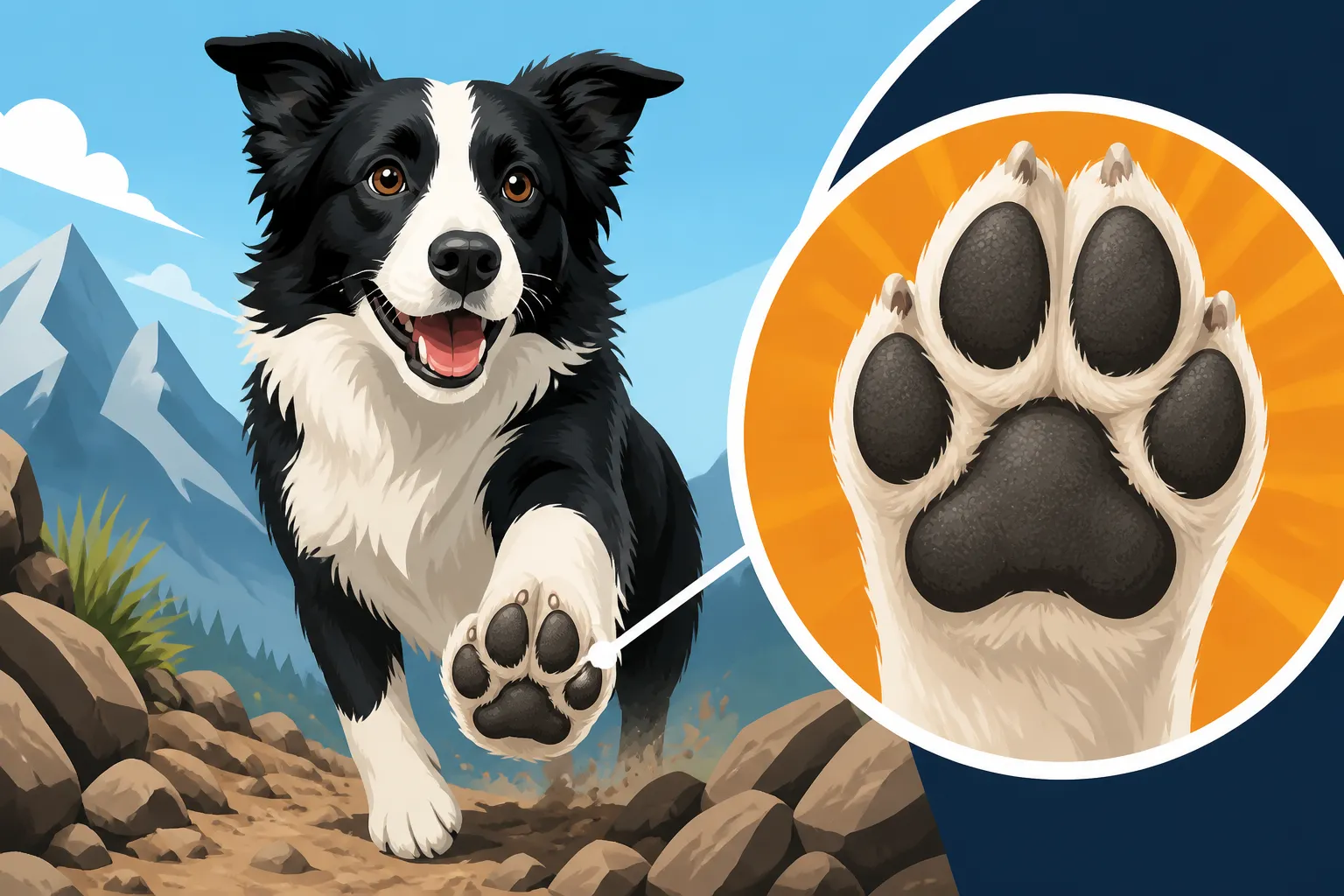
A Border Collie's paw pads are incredibly complex structures, designed to absorb shock, provide traction, and offer some level of protection. They're made of thick, pigmented, fatty tissue covered by highly keratinized skin, which is essentially a specialized form of very tough skin. However, despite their thickness, they don't have sweat glands (except between the pads for cooling), and they rely on being gradually conditioned to handle stress. Think of it like a marathon runner's feet – you wouldn't expect them to tackle 26 miles on bare asphalt without proper training and shoe choice. Likewise, a Border Collie used to soft grass will find rough concrete or sharp shale much more challenging. The issue often isn't a lack of toughness inherent to the breed, but rather a lack of appropriate conditioning for the specific surfaces they encounter.
Common Terrain and Their Impact
Different surfaces inflict different kinds of damage. Hot asphalt in summer can burn pads, leading to blisters and painful peeling. Icy, abrasive surfaces in winter can cause cracks and frostbite. Rocky trails and gravel roads are notorious for causing cuts, abrasions, and bruising. Stubble fields, especially after harvest, can be like walking on a thousand tiny knives, leading to countless small nicks and irritation, which you often don't see until the dog is already limping. Even extended work on sand can be surprisingly abrasive, grinding down the tough outer layer. It's a constant battle, and if your Border Collie is working or playing hard on varied terrain, paying close attention to Pad Damage on a Border Collie Working Stubble becomes essential.
Recognizing Early Signs of Trouble
The subtle cues your Border Collie gives you are key. They might start hesitating before stepping onto a particular surface, or they might shift their weight uncomfortably. A mild limp after a long walk or work session, especially on rough ground, is a major red flag. Visually, look for redness, tenderness when you touch their pads, slight abrasions, or tiny nicks. Sometimes, you'll only notice it when you're Checking a Border Collie Over After Field Work, discovering a small cut that's just starting to bother them. Don't wait for them to be overtly lame or bleeding; catching these issues early can prevent a small problem from escalating into a painful injury that sidelines your active companion.
Gradual Acclimation: The Core of Toughening
The most effective way to toughen your Border Collie's pads is through a structured, gradual exposure program. There's no magic bullet or overnight fix; it's about building resilience slowly, allowing their paw pads to adapt naturally to increasing levels of stress. This approach mirrors how athletes condition their bodies, and it's vital for their long-term soundness.
Starting Slow and Steady
Begin by introducing your Border Collie to slightly rougher textures for very short periods. If they’re mostly used to grass, start with a few minutes on a paved sidewalk or a very fine gravel path. The key here is minutes, not hours. A five-minute walk on a new surface can be enough initially. The goal isn't to create calluses instantly, but to stimulate the pads to thicken and become more resilient without causing damage. Think of it as introducing resistance training to a muscle – you start with light weights. This helps prevent issues like Running a Young Border Collie on Concrete too intensely too soon, which can be detrimental to their developing joints and pads.
Increasing Exposure Over Time
As your Border Collie's pads adapt, you can gradually increase the duration and intensity of exposure. If they handled five minutes on pavement well, try ten minutes the next day, or introduce a slightly rougher patch of ground for a minute or two. Over weeks and months, you'll be able to build up to longer walks on gravel, rocky paths, or even short bursts on tougher stubble. This isn't just about walking; it includes playtime. A game of fetch on a well-worn dirt track is different from one played on sharp gravel. Always remember to make these increases incremental, listening to your dog's feedback, and never pushing them past discomfort.
Observing Your Dog's Tolerance
Your Border Collie will tell you when they're reaching their limit. Watch their gait: are they still moving freely and happily, or are they starting to shorten their stride, lift their paws more frequently, or even lick their feet? Observe their energy levels and willingness to engage. If they seem reluctant to continue, it's time to stop, rest, and check their paws. It’s far better to err on the side of caution and end a session early than to push them to the point of injury. Consistency is more important than intensity when it comes to pad toughening. Regular, moderate exposure will yield better long-term results than sporadic, intense sessions that risk injury.
Nutritional and Topical Support for Stronger Pads
Beyond gradual acclimation, you can give your Border Collie's paw pads a helping hand through internal and external support. What they eat, and what you apply to their paws, can play a significant role in maintaining optimal pad health and resilience, especially for working dogs or those involved in high-impact sports.
The Role of Diet in Pad Health
A dog's overall health, including the condition of their skin and paws, is heavily influenced by their diet. High-quality food rich in essential fatty acids (Omegas 3 and 6) can contribute significantly to healthy skin and stronger, more pliable paw pads. Think about your own skin when you're dehydrated – it's prone to cracking. Well-nourished skin, including that on the pads, is more resilient. Look for dog foods that list omega fatty acids, often derived from fish oil or flaxseed. Some owners even add specific supplements, such as a high-quality fish oil, to their dog's daily meals. Consult with your vet or a canine nutritionist to ensure you're providing a balanced diet that supports the demands of your active Border Collie, especially if they are a Feeding a Border Collie That Works Two Hours a Day type of dog. Brands like Ollie often focus on whole, nutritious ingredients that can contribute to overall skin and coat health, which extends to the pads.
Topical Balms and Waxes
Topical products can create a protective barrier and moisturize the pads, preventing excessive drying and cracking, especially in extreme weather. Paw balms, waxes, and specialized creams are readily available. These often contain ingredients like beeswax, shea butter, vitamin E, and natural oils.
For instance, a good paw wax can create a breathable, protective layer that guards against abrasive surfaces, hot pavement, and salt/ice in winter. It's like putting a clear coat of protection on their pads. Apply it before heading out on particularly challenging terrain. For dry or cracked pads, a moisturizing balm can help soften the keratinized skin, improving its elasticity and preventing further cracking. You can often find a wide variety of these products, from popular brands to smaller artisanal ones, available on platforms like Amazon or Chewy. Always choose products specifically formulated for dogs and check the ingredients for anything your dog might be sensitive to.
Considering Protective Gear
While the goal is to toughen the pads, there are times when boots or protective paw wear are absolutely necessary. This isn't about coddling; it's about common sense and injury prevention. For example, if you're hiking a particularly jagged, rocky trail where cuts are almost guaranteed, or if you're working your dog in deep snow and ice where Ice Balls in a Border Collie's Feathered Feet can cause discomfort and damage, boots are a lifesaver.
They are also crucial if your Border Collie has a minor injury that needs to heal but you still need to walk them. Training your dog to wear boots can take time, so introduce them slowly and positively. Some dogs take to them quickly, others need more convincing. Look for boots that are durable, breathable, and offer good traction. While not a daily solution for toughening, they are an indispensable tool for specific, high-risk situations.
Daily Care and Long-Term Prevention
Toughening pads isn't just about what you do before a big outing; it's a continuous process woven into daily care. Consistent attention to their paws and making informed decisions about their activity can prevent many common problems and keep your Border Collie working happily for longer.
Post-Exertion Pad Checks
After every walk, run, or work session, especially on rough or varied ground, make it a habit to perform a thorough paw check. This is simple but incredibly effective preventative medicine. Gently lift each paw and examine the pads for any redness, cuts, punctures, splinters, thorns, or excessive wear. Pay close attention to the areas between the pads, where foreign objects love to lodge themselves. This is also where you might find early signs of inflammation or soreness. If you find anything concerning, clean the area gently and apply a protective balm if needed. Catching a small thorn before it causes an infection can save you a lot of trouble down the line. It's part of the comprehensive care needed for Feet, Pads and Legs on a Working Border Collie.
Maintaining Overall Foot Health
Pad health is intertwined with overall foot health. Keeping their nails trimmed to an appropriate length is paramount. Overly long nails can splay the toes, alter gait, and put unnecessary pressure on the pads, making them more susceptible to injury. Learning How Often a Border Collie's Nails Need Cutting and mastering the technique (or having a professional do it) is critical. If your Border Collie has feathered feet, keeping the hair trimmed between the pads can prevent matting, which collects debris and can pull on the skin, leading to discomfort and increased risk of injury. Regularly washing their paws, especially after muddy or sandy outings, helps remove irritants and keeps the skin clean.
When to Seek Veterinary Advice
While you can do a lot at home, there are times when professional veterinary intervention is necessary. If you notice deep cuts, persistent limping, excessive swelling, signs of infection (pus, foul odor), or if your Border Collie is in significant pain, don't hesitate to contact your vet. They can properly clean and treat wounds, prescribe antibiotics if necessary, and rule out more serious issues like broken toes or severe sprains. Early veterinary care can prevent minor injuries from becoming chronic problems that affect your dog's ability to work or play. Remember, your vet is your partner in maintaining your Border Collie's active lifestyle and ensuring they stay sound, preventing conditions like The Cruciate Tear an Agility Border Collie Gets which can sometimes be exacerbated by poor foot mechanics.
| Pad Care Strategy | Description | Benefits | Best For |
|---|---|---|---|
| Gradual Acclimation | Slowly introducing paws to varied, rougher terrains over time | Builds natural pad thickness and resilience | All Border Collies, especially young or less conditioned |
| High-Quality Diet | Ensuring adequate protein and essential fatty acids | Promotes healthy skin, stronger, more pliable pads | All Border Collies, particularly active and working dogs |
| Topical Paw Balms | Moisturizing and conditioning creams/salves | Prevents cracking, dryness; softens hardened pads | Dogs with prone-to-dryness pads, or during recovery |
| Protective Paw Wax | Creates a barrier against elements and abrasion | Guards against hot pavement, ice, salt, sharp debris | Before walks on extreme surfaces/weather conditions |
| Dog Boots/Paw Wear | Physical barrier for extreme conditions or injury protection | Prevents cuts, burns, frostbite; allows healing | Extreme terrain, harsh weather, existing paw injuries |
| Regular Pad Checks | Daily visual and tactile inspection of paws | Early detection of injuries, foreign objects, irritation | All Border Collies, essential for active/working dogs |
| Nail Trimming | Keeping nails short to maintain proper paw structure | Prevents splaying, reduces pad pressure, improves gait | All Border Collies, year-round |
Disclaimer
This article is for general informational purposes only and does not constitute professional advice. Laws, prices and regulations vary by location and change over time. Consult a qualified professional for guidance on your specific situation.