Ivermectin and the MDR1 Border Collie
It's absolutely terrifying to think you might be giving your beloved Border Collie something that could harm them, especially when that something is a routine medication. The reality is, for a small but significant number of Border Collies, a common drug like Ivermectin can be incredibly dangerous, even fatal, due to a specific genetic mutation. This guide is here to walk you through exactly what the MDR1 gene mutation means for your Border Collie, why Ivermectin is a no-go, and how you can ensure your dog stays safe and healthy.
Understanding the MDR1 Gene Mutation in Border Collies
When you hear about drug sensitivities in certain breeds, it often boils down to something called the MDR1 gene. It sounds technical, but understanding it is absolutely crucial for the well-being of your Border Collie. This isn't just a quirky sensitivity; it's a fundamental difference in how their bodies process certain medications.
What is the MDR1 Gene and Its Role?
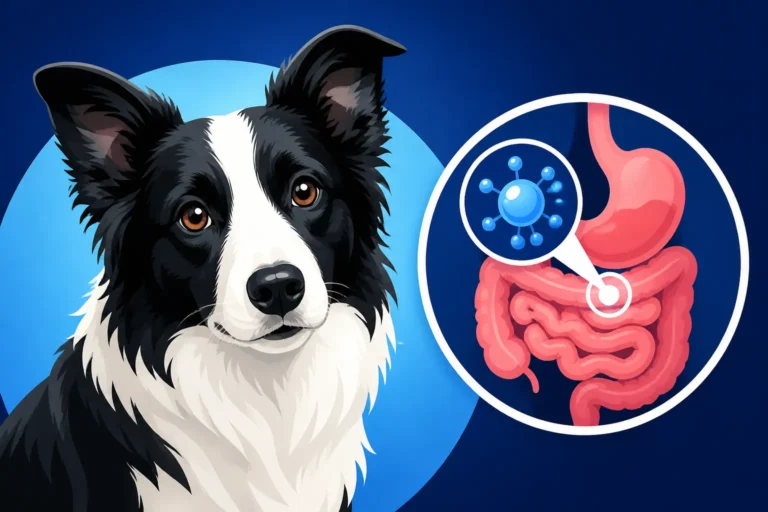
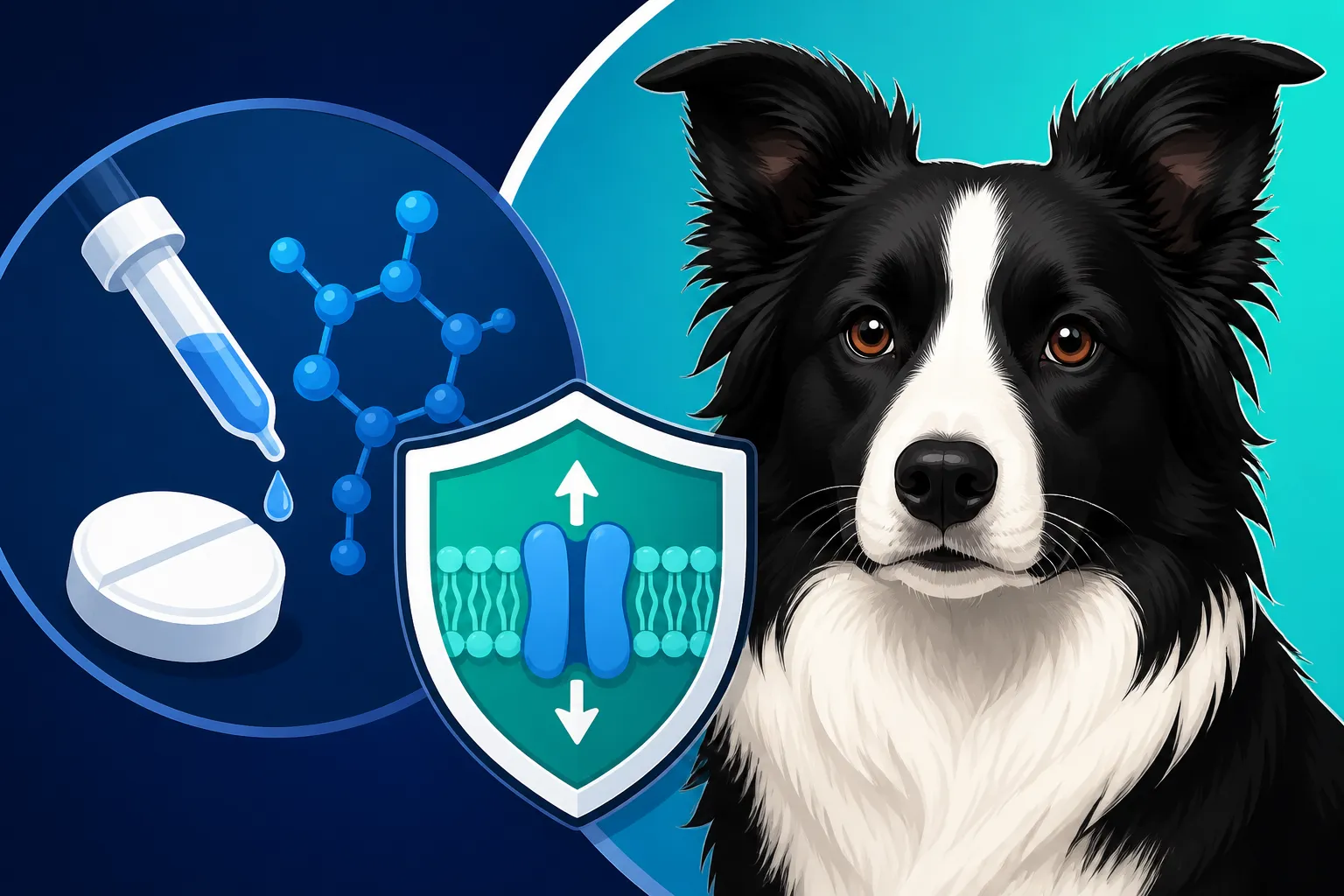
The MDR1 gene, short for Multi-Drug Resistance 1, is responsible for producing a protein called P-glycoprotein. Think of P-glycoprotein as a vital bouncer or a protective shield within your dog's body. Its main job is to pump certain drugs and toxins out of cells and, most importantly, to prevent them from crossing the blood-brain barrier. The blood-brain barrier is like an exclusive VIP section in the brain, designed to keep harmful substances out and protect the delicate neurological tissue. P-glycoprotein is key to maintaining that barrier's integrity.
When a dog has a normal, functioning MDR1 gene, this P-glycoprotein works efficiently, actively transporting drugs back out of the brain, kidneys, liver, and intestines. This ensures that potentially harmful substances don't accumulate to toxic levels in sensitive areas, particularly the central nervous system. It's a critical detoxification system, working tirelessly behind the scenes to keep your dog safe from a wide array of compounds.
Why Border Collies Are Particularly Affected
While the MDR1 mutation is most famously associated with Collies, it's not exclusive to them. Border Collies, with their shared herding dog ancestry, also carry this mutation, although generally at a lower rate than some of their distant cousins. It's estimated that a small percentage, perhaps one to two percent, of Border Collies in certain populations carry this genetic alteration. This means that while it's less prevalent, it's still a significant concern you absolutely cannot ignore.
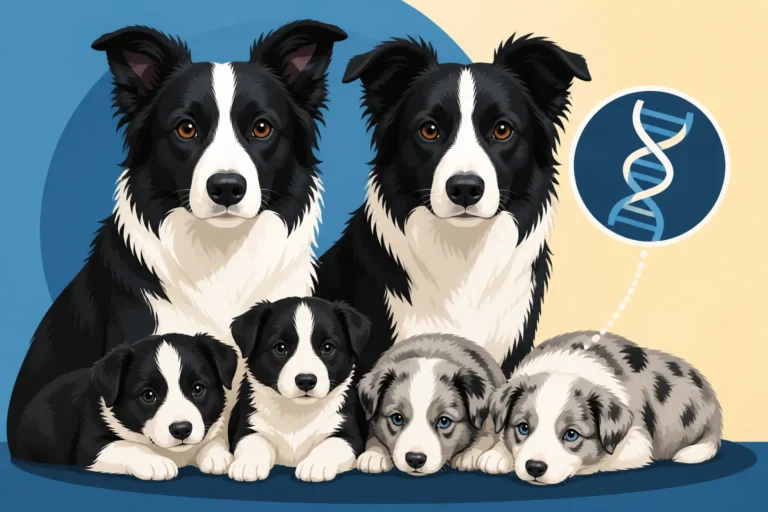
The presence of this mutation in Border Collies is a direct link to their common heritage with other herding breeds. If a Border Collie inherits two copies of the mutated gene (one from each parent), they will produce little to no functional P-glycoprotein. This makes them highly susceptible to drug toxicity. Even those who are carriers, meaning they have one normal and one mutated copy, can sometimes show some level of sensitivity, especially at higher drug dosages, though they are usually less severely affected than those with two copies. Understanding this breed-specific risk is the first step in proactive care. You might find it interesting to delve deeper into why Border Collies carry MDR1 less than Collies.
The Different Genetic Statuses: Clear, Carrier, Affected
When it comes to the MDR1 gene, your Border Collie can fall into one of three categories, and knowing which one your dog is can literally be a lifesaver. These statuses are determined through a simple genetic test, and they dictate how their body will respond to certain medications.
A "Clear" Border Collie has two normal copies of the MDR1 gene. This means their P-glycoprotein system is fully functional, and they can metabolize drugs normally, without the specific sensitivities associated with the mutation. They won't pass the mutation on to any offspring. This is the ideal scenario, giving you peace of mind regarding MDR1-sensitive drugs.
A "Carrier" Border Collie has one normal copy and one mutated copy of the MDR1 gene. While they often produce enough functional P-glycoprotein to prevent severe toxicity at standard drug dosages, they are still somewhat compromised. It's critical that your vet knows if your dog is a carrier, as they might still recommend caution or dosage adjustments for certain medications. Crucially, carriers can pass the mutated gene on to their puppies.
An "Affected" Border Collie has two copies of the mutated MDR1 gene. This is the most concerning status. These dogs produce very little to no functional P-glycoprotein. For them, drugs that would normally be harmless can rapidly accumulate to toxic levels in the brain and other organs because there's no "bouncer" to keep them out. These dogs are at extreme risk if given certain medications, particularly Ivermectin. It's absolutely vital that every vet and care provider for an affected dog is aware of their status, as even routine medications could have devastating consequences.
The Danger Zone: Ivermectin and the MDR1 Border Collie
Among the list of drugs that can cause severe reactions in MDR1-affected Border Collies, Ivermectin stands out as one of the most well-known and dangerous. Its widespread use in both veterinary and agricultural settings makes understanding its risks paramount for any Border Collie owner.
How Ivermectin Becomes Toxic
For a Border Collie with a functional MDR1 gene, Ivermectin is typically processed and pumped out of the brain thanks to the P-glycoprotein. However, in an MDR1-affected Border Collie, this protective mechanism is absent or severely deficient. When Ivermectin is administered or ingested, it freely crosses the blood-brain barrier. Instead of being actively expelled, it accumulates in the central nervous system.
This accumulation of Ivermectin in the brain acts as a neurotoxin. It interferes with crucial neurotransmitters, particularly gamma-aminobutyric acid (GABA), which normally helps to calm nerve activity. When Ivermectin disrupts GABA's function, it leads to overstimulation of the nervous system, resulting in a cascade of severe neurological symptoms. Even at doses considered safe for a "clear" dog, Ivermectin can be profoundly toxic to an "affected" Border Collie, leading to a medical emergency.
Symptoms of Ivermectin Toxicity
Recognizing the signs of Ivermectin toxicity is critical, as prompt veterinary intervention can make a difference. The symptoms can vary depending on the dosage and the dog's individual sensitivity, but they generally reflect neurological impairment. Initially, you might notice subtle changes, but they can quickly progress to life-threatening conditions.
Early signs often include lethargy, stumbling, and disorientation. Your dog might seem "out of it," unusually sleepy, or have trouble coordinating their movements. This can progress to a wobbly, uncoordinated gait, known as ataxia, where they might look like they're drunk. You might also observe increased salivation or drooling. As the toxicity deepens, more severe neurological symptoms emerge.
These can include tremors or muscle twitching, dilated pupils, and even blindness. In the most severe cases, affected dogs can experience seizures, comas, and ultimately, respiratory failure leading to death. The onset of these symptoms can be quite rapid after exposure, often within hours, so time is truly of the essence if you suspect Ivermectin ingestion. These symptoms highlight why it's so important to know which drugs an MDR1 Border Collie cannot have.
Common Sources of Ivermectin Exposure
Ivermectin isn't just found in prescription dewormers. It's actually quite prevalent in various forms, making accidental exposure a real concern. Being vigilant about potential sources is a key part of protecting your MDR1-affected Border Collie.
One of the most common sources, ironically, can be other animal medications. Ivermectin is a widely used dewormer for livestock such as cattle, sheep, and horses. Dogs, particularly those on farms or in rural areas, can easily ingest it by eating the feces of treated animals or by having access to pasture areas where these animals graze or where spills of livestock dewormers might occur. Even residual amounts in fields can pose a risk if your Border Collie is working or playing in those areas.
Another significant source, often overlooked, is certain heartworm preventatives. While most modern heartworm medications contain Ivermectin at very low doses that are generally safe even for MDR1-affected dogs, some older or specific formulations might have higher concentrations. It's crucial to discuss your dog's MDR1 status with your vet when choosing a heartworm preventative. For many owners, understanding options for Heartworm Prevention for an MDR1 Border Collie is a primary concern. Always double-check labels and consult your veterinarian before administering any new medication, especially if your dog's MDR1 status is unknown or affected.
Testing for MDR1 and Proactive Management
If you own a Border Collie, particularly one from a lineage with unknown history or a rescue, getting them tested for the MDR1 mutation isn't just a recommendation – it's a responsible, proactive step that can prevent a medical crisis. Knowledge truly is power when it comes to this genetic condition.
Getting Your Border Collie Tested
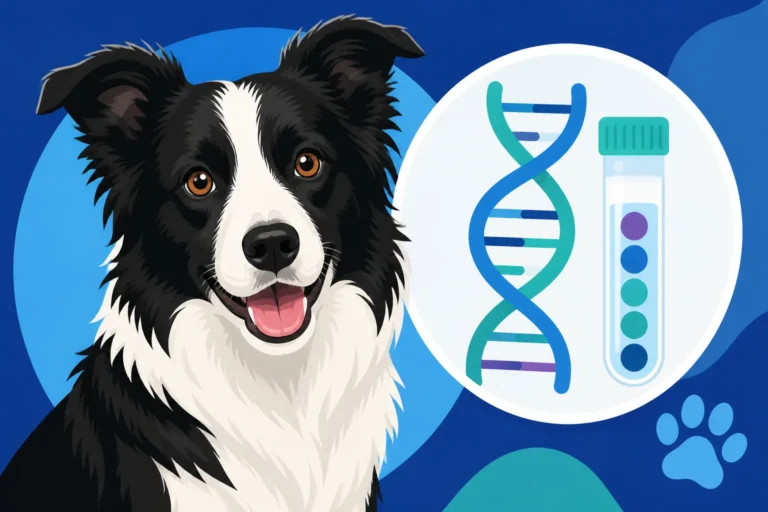
Fortunately, testing for the MDR1 gene mutation is straightforward and non-invasive. It typically involves a simple cheek swab that you can often do yourself at home or have your veterinarian perform. The process is quick, painless, and yields definitive results that will inform your dog's care for their entire life.
Several reputable laboratories offer MDR1 testing. One of the most well-known is the Washington State University's Veterinary Clinical Pharmacology Lab (VCPL), which pioneered much of the research into this mutation. Other commercial genetic testing companies like Embark Veterinary and Optimal Selection also include MDR1 as part of their comprehensive genetic panels. You simply collect a DNA sample, send it to the lab, and await the results. These results will clearly indicate whether your dog is Clear, a Carrier, or Affected, providing invaluable information for their medical record and future treatment plans. Considering The Border Collie Genetic Panel and What It Screens for can give you an even broader picture of your dog's health predispositions.
Communicating MDR1 Status to Your Vet
Once you have your Border Collie's MDR1 test results, the next critical step is to ensure this information is prominently noted in their veterinary records. This isn't a detail to be overlooked or mentioned in passing; it's a piece of information that needs to be front and center, visible to every veterinarian, veterinary technician, or emergency vet who might treat your dog.
When you go for routine check-ups, bring a copy of your dog's genetic test results with you and explicitly ask the clinic to flag their chart with "MDR1 Affected" or "MDR1 Carrier" as appropriate. Make sure they understand the implications. It’s a good idea to discuss this not only with your primary vet but also with any emergency vet clinics you might use. This proactive communication ensures that in any situation, particularly an emergency where you might not be present or able to communicate effectively, your dog receives appropriate and safe medical care. This diligent approach is key to Telling a Vet a Border Collie Is MDR1 Affected.
Safe Alternatives and Preventatives
Knowing your Border Collie's MDR1 status empowers you and your veterinarian to make informed choices about medications. For dogs that are MDR1 affected or even carriers, there are plenty of safe and effective alternatives to Ivermectin and other problematic drugs.
When it comes to deworming, your vet can recommend products containing active ingredients like pyrantel, fenbendazole, or praziquantel, which are generally safe for MDR1-affected dogs. For flea and tick prevention, many popular topical and oral medications, such as those containing fipronil (found in Frontline) or isoxazolines (like afoxolaner in Nexgard or sarolaner in Simparica), are typically safe.
The most common concern usually revolves around heartworm prevention. While the very low doses of Ivermectin in monthly heartworm preventatives are often considered safe for carriers and even affected dogs, many vets prefer to err on the side of caution. Alternatives like milbemycin oxime (Interceptor, Sentinel) or moxidectin (Advantage Multi, ProHeart) are excellent choices for MDR1-affected Border Collies. Always have an open discussion with your vet about all medications, supplements, and preventatives your dog is taking, or might need, to ensure they are cleared for their specific MDR1 status. This is truly about avoiding an adverse drug reaction and safeguarding your companion.
Living Safely with an MDR1 Border Collie
Caring for an MDR1-affected Border Collie doesn't have to be a constant source of anxiety. With awareness and proactive measures, you can create a safe environment and ensure they live a full, happy, and healthy life. It's all about diligent management and educating everyone involved in their care.
Environmental Precautions for MDR1 Dogs
Beyond just medication, it's crucial to be mindful of your Border Collie's environment, especially if you live near farms or in areas where livestock are present. Accidental ingestion is a very real threat. Many livestock dewormers contain high concentrations of Ivermectin and other MDR1-problematic drugs.
Avoid letting your Border Collie roam unsupervised in pastures where cattle, sheep, or horses have recently been treated with dewormers. These animals will excrete the medication in their feces, which can be highly attractive to dogs, leading to toxic exposure. Even spilled or discarded containers of livestock medication can be a hazard, so ensure all such products are stored securely and out of reach. If your dog comes into contact with suspicious animal waste or a contaminated area, immediately consult your vet. Early intervention can be crucial in these situations.
Educating Others: Sitters, Groomers, and Trainers
Your Border Collie's MDR1 status isn't just your secret to keep; it's vital information for anyone who will be caring for your dog. This includes pet sitters, dog walkers, groomers, trainers, and even close family members who might watch your dog. They need to understand the implications of the MDR1 mutation and which medications are absolutely off-limits.
Create a clear, concise document outlining your dog's MDR1 status and a list of contraindicated drugs. Include your vet's contact information and instructions on what to do in case of suspected exposure. Emphasize that any medication, even over-the-counter remedies, should be cleared by you or your vet before being given. For groomers, this might involve ensuring they don't use any medicated shampoos or topical treatments that could contain problematic ingredients without your explicit approval. For sitters, ensure they are aware of environmental hazards and know not to give any "people food" or shared pet medications without your go-ahead.
Emergency Protocols for Suspected Exposure
Despite all precautions, accidents can happen. If you ever suspect your MDR1-affected Border Collie has ingested Ivermectin or another dangerous drug, immediate action is paramount. Do not wait to see if symptoms develop.
First, contact your veterinarian or an emergency veterinary clinic right away. Inform them specifically that your dog is MDR1 affected and what you suspect they ingested. Be ready to provide as much detail as possible: what substance, how much, and when it happened. Follow their instructions precisely. They might advise you to induce vomiting if the ingestion was very recent, but only do this if directed by a vet, as it can sometimes do more harm than good depending on the substance and the dog's condition.
The vet will likely initiate supportive care, which can include activated charcoal to absorb toxins, intravenous fluids to help flush the system, and medications to manage neurological symptoms like seizures. There's no specific antidote for Ivermectin toxicity, so treatment focuses on minimizing absorption and supporting your dog's vital functions until the drug can be metabolized and eliminated from their system. These unexpected emergencies can be financially devastating, highlighting the value of having a good pet insurance policy, perhaps from a provider like Healthy Paws, in place. Every second counts in these situations, so having a plan and contact numbers readily available can make all the difference.
Safe Drug Guide for MDR1 Border Collies
Here's a quick reference for common drugs and their general safety for MDR1-affected Border Collies. Always consult your veterinarian before administering any medication.
| Drug Category | Example Active Ingredients | Safety for MDR1 Dogs (General) | Notes |
|---|---|---|---|
| Antiparasitics | Ivermectin, Loperamide, Selamectin (high dose) | AVOID / HIGH RISK | Highly toxic, especially Ivermectin. Loperamide can cause neurological issues. |
| Milbemycin Oxime, Moxidectin (low dose) | Generally Safe | Common in heartworm preventatives at low doses. Always confirm with vet. | |
| Pyrantel, Fenbendazole, Praziquantel, Emodepside | Generally Safe | Common dewormers, usually well-tolerated. | |
| Antibiotics | Erythromycin | Use with Caution | Can interact with P-glycoprotein. Discuss alternatives. |
| Amoxicillin, Doxycycline, Metronidazole | Generally Safe | Common antibiotics, generally safe for MDR1 dogs. | |
| Chemotherapy Drugs | Doxorubicin, Vinblastine, Vincristine | Use with Caution / AVOID | Potentially problematic, may require significant dose adjustments or alternatives. |
| Pain Medications | Butorphanol, Acepromazine | Use with Caution | Can have increased sedative effects. Lower doses or alternatives often preferred. |
| Carprofen, Meloxicam (NSAIDs) | Generally Safe | Common NSAIDs for pain and inflammation, typically safe. | |
| Steroids | Prednisolone, Dexamethasone | Generally Safe | Common steroids, generally safe. |
| Anti-Seizure Meds | Phenobarbital | Generally Safe | Used for epilepsy, generally safe. |
This table provides a general overview, but individual responses can vary, and new research is always emerging. Your vet is your best resource for specific medication protocols tailored to your Border Collie.
Disclaimer
The information provided in this article is for educational and informational purposes only and does not constitute veterinary advice. Always consult with a qualified veterinarian regarding any medical concerns or before making any decisions about your pet's health and treatment.