The Age a Border Collie Starts to Slow
It’s a moment every Border Collie owner eventually faces: you notice a slight dip in that boundless energy, a hint of stiffness, or a little less enthusiasm for the tenth retrieve. For a breed synonymous with tireless drive and youthful vigor, recognizing the signs that your Border Collie is starting to slow down can be both surprising and a little bittersweet. This comprehensive guide will help you understand the typical aging timeline for these incredible dogs, identify the subtle shifts in their behavior and physical capabilities, and equip you with practical strategies to ensure their senior years are filled with comfort, joy, and continued engagement.
Understanding the Border Collie Aging Timeline
The phrase "slowing down" can conjure images of a sudden halt, but for most Border Collies, it's a gradual evolution. Their incredible athleticism means they often mask early signs of discomfort or fatigue far longer than many other breeds. However, even the most driven Border Collie will eventually begin to show the whispers of age.
When "Slowing Down" Typically Begins
Generally speaking, Border Collies are considered "senior" around 7 to 10 years of age. For a breed that can live for 12 to 15 years, and often much longer, this means they spend a significant portion of their lives as seniors. However, it's crucial to remember that this is a broad guideline, not a strict rule. Just like people, individual dogs age at different rates. Some Border Collies, particularly those from incredibly robust working lines with excellent genetics and meticulous care throughout their lives, might seem to defy age, remaining incredibly spry and active well into their double-digit years. You might even find yourself marveling at The Border Collie That Stays Sound Into Its Teens. On the flip side, some dogs, perhaps due to earlier injuries, intense competition careers, or underlying health conditions, might start showing signs of slowing a bit sooner.
The first signs are often incredibly subtle. It might be that your dog doesn't spring out of bed quite as quickly, or they might take an extra minute to settle after a vigorous play session. Perhaps they don't quite push as hard during a game of fetch, or their recovery time after a long hike seems just a touch longer. These aren't dramatic changes, but rather nuanced shifts that you, as their dedicated owner, are most likely to pick up on first. It's not about them becoming "old" overnight; it's about acknowledging a new phase in their life where their incredible physical capacities might need a little more support and understanding.
Factors Influencing a Border Collie's Seniority
Several key factors play a significant role in how and when a Border Collie begins to show its age. Understanding these can help you proactively support your dog and even potentially extend their comfortable, active years.
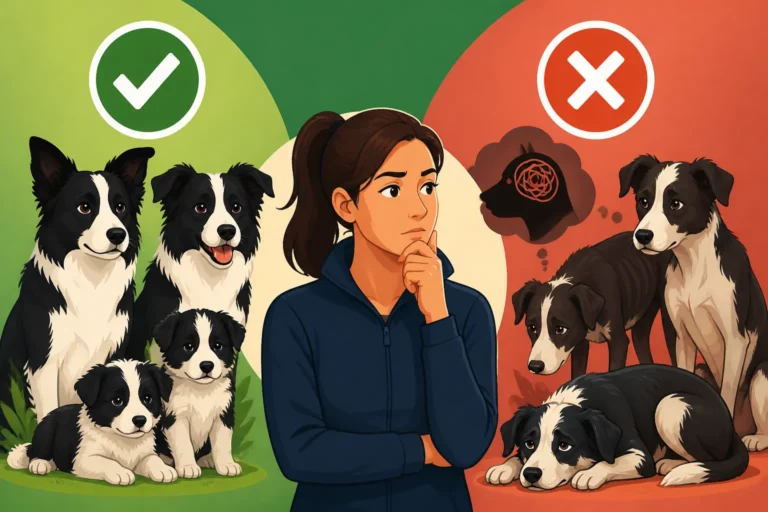
First and foremost, genetics are a major player. Dogs from lines known for longevity and a lower incidence of age-related diseases are naturally set up for a healthier senior phase. This is why responsible breeders focus on health testing and transparency, aiming to produce puppies with the best possible genetic foundation. Things like understanding The Border Collie Genetic Panel and What It Screens can provide insight into potential predispositions early on.
Beyond genetics, a Border Collie's lifestyle throughout their younger and middle years has a profound impact. A dog that has consistently received appropriate, varied exercise without excessive high-impact stress, maintained a healthy weight, and eaten a high-quality diet is likely to age more gracefully. Conversely, a dog that has been overweight, received inadequate nutrition, or pushed through intense activities without proper conditioning or recovery might experience age-related issues, particularly joint problems, at an earlier stage. For instance, a dog that has always been active, such as one with Hip Dysplasia in a Border Collie That Runs All Day, might see these pre-existing conditions exacerbate as they age, requiring earlier intervention and management.
Environmental factors, like living conditions, access to veterinary care, and even mental stimulation, also contribute. A dog in a clean, safe, stimulating environment with regular vet check-ups is more likely to thrive than one in a less ideal situation. Furthermore, consistent and early veterinary care, catching and addressing health issues promptly, can make a huge difference in their overall lifespan and quality of life as they transition into seniority.
Recognizing the Subtle and Obvious Signs of Aging
When your Border Collie begins to slow down, the changes might manifest in a variety of ways, ranging from slight alterations in their daily routine to more noticeable physical and behavioral shifts. It’s important to pay close attention to these cues, as they are your dog’s way of communicating their changing needs.
Changes in Energy and Stamina
Perhaps the most common and noticeable sign that a Border Collie is starting to slow down is a gradual reduction in their energy levels and stamina. This doesn't mean they'll suddenly become a couch potato, but their characteristic intensity might mellow.
You might observe that your once indefatigable companion is less enthusiastic to embark on a long walk or play session. Instead of being ready to go at a moment's notice, they might require a bit more coaxing, or they may simply choose to lie down and observe rather than join in every activity. Their play sessions might become shorter, and they might tire out more quickly than before, opting for a nap in a sunny spot after just a brief burst of activity. A dog that used to run for an hour straight might now be content with a brisk thirty-minute walk, and you'll notice they need more time to recuperate afterwards. They might not keep up with younger dogs at the park as easily, preferring to stick closer to your side. This isn't a sign of them losing their spirit, but rather a physical limitation emerging. It's often tough to see your dedicated companion with The Old Border Collie That Still Wants to Gather but simply can't push themselves as hard anymore. They still have the heart, but their body just needs a bit more grace.
Physical and Behavioral Shifts
Beyond a dip in energy, aging Border Collies often exhibit various physical and behavioral changes that signal their journey into seniority. These can impact their daily comfort and interactions.
One of the most common physical changes is stiffness or decreased mobility. You might notice your Border Collie hesitating before jumping into the car or onto the couch, or perhaps taking more time to stand up after lying down for an extended period. This morning stiffness, or stiffness after a nap, is often an early indicator of developing arthritis or other joint issues, such as Osteoarthritis in a Border Collie by Eight. Their gait might become a little less fluid, or they might develop a slight limp that comes and goes, especially after exercise. Regular veterinary check-ups can help identify these issues early and implement pain management strategies.
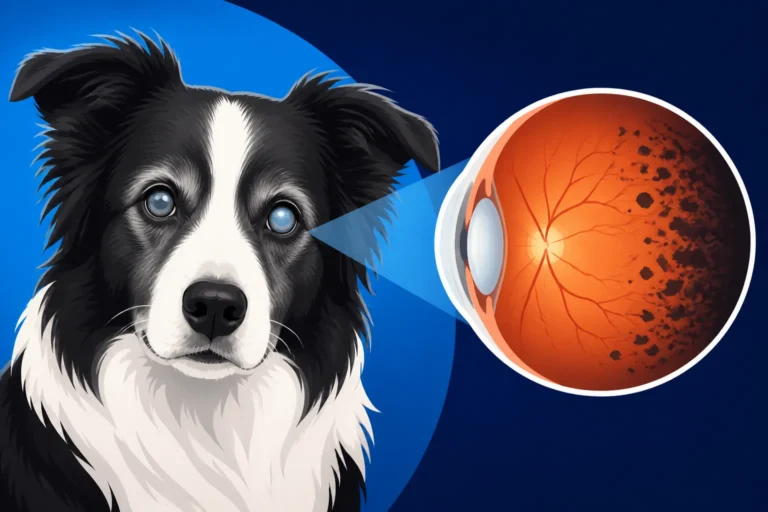
Sensory changes are also frequent. Their hearing might not be as sharp as it once was; they might not respond to their name or the jingle of keys from another room. Similarly, their eyesight can begin to diminish, leading to a bit more hesitancy in dimly lit areas or when navigating unfamiliar surroundings. While significant vision loss like Cataracts in a Middle-Aged Border Collie is more obvious, subtle changes can still impact their confidence.
Behaviorally, some Border Collies experience shifts in their cognitive function. This can range from mild confusion to more pronounced signs of what's known as Canine Cognitive Dysfunction in an Old Border Collie. You might notice them getting disoriented in familiar surroundings, staring blankly at walls, forgetting commands they once knew perfectly, or changes in their sleep-wake cycle, such as pacing at night. Their interaction with family members might also change; some become more clingy, while others might seem more withdrawn. These changes can be distressing to witness, but understanding them is the first step toward providing appropriate support.
| Age Range (Approx.) | Common Signs of Slowing | Recommended Actions |
|---|---|---|
| 7-9 Years | Subtle decrease in stamina, longer recovery, occasional stiffness, more naps. | Adjust exercise duration, consider joint supplements, twice-yearly vet checks. |
| 10-12 Years | More pronounced stiffness, slower to rise, reduced interest in long activities, some hearing/vision changes, occasional confusion. | Introduce ramps, soft bedding, senior diet, regular vet visits, explore cognitive support. |
| 13+ Years | Significant mobility issues, notable sensory decline, increased cognitive changes, altered sleep patterns, increased need for comfort. | Focus on comfort, short gentle walks, consistent routine, attentive veterinary care for pain and symptom management. |
Supporting Your Senior Border Collie's Health and Happiness
As your Border Collie enters their golden years, your role shifts slightly from managing boundless energy to nurturing their comfort and well-being. Proactive adjustments in their routine, care, and environment can make a tremendous difference in their quality of life.
Adapting Exercise Routines
It’s a common misconception that senior dogs need less exercise. While the intensity and duration may need adjusting, senior Border Collies still benefit immensely from regular physical and mental activity. The key is adaptation.
Instead of long, high-impact runs or hours of fetch, consider shorter, more frequent, and lower-impact activities. Gentle walks in varied environments, allowing for plenty of sniffing opportunities, can be incredibly enriching without overtaxing their joints. Swimming, if accessible and enjoyed by your dog, is an excellent non-weight-bearing exercise that can maintain muscle tone without stressing joints. A Border Collie's mind remains sharp, so providing mental stimulation is paramount. This can involve puzzle toys, teaching new, low-impact tricks, or revisiting familiar commands to keep their brain engaged. Many older dogs excel at Scentwork for a Border Collie Between Trial Seasons, as it's a mentally demanding activity that doesn't require speed or agility. The goal is to keep them moving and thinking, but always listening to their body and allowing them to set the pace. Don’t push them; encourage them gently.
Nutritional and Veterinary Care Adjustments
Proper nutrition becomes even more critical as a Border Collie ages. Their metabolic rate slows, and their dietary needs change to support joint health, maintain a healthy weight, and manage any emerging health conditions.
Transitioning to a high-quality senior dog food formula can be beneficial. These foods are typically lower in calories to prevent weight gain (which exacerbates joint issues) but rich in nutrients that support aging bodies, such as antioxidants, omega-3 fatty acids, and sometimes joint-supporting ingredients like glucosamine and chondroitin. You might also consider adding specific Joint Supplements for a Border Collie Doing Agility or just generally for an aging companion, after consulting with your veterinarian. Regularly monitoring their weight is crucial to ensure they remain lean and don't put unnecessary strain on their joints.
Regular veterinary check-ups become even more vital in the senior years. Instead of annual visits, your vet might recommend twice-yearly exams. These appointments allow for early detection of age-related issues like kidney disease, heart conditions, dental problems, or developing cancers. Yearly Bloodwork for a Border Collie becomes a critical diagnostic tool, providing insights into organ function and overall health. Don't underestimate the power of early intervention; catching issues before they become advanced can significantly improve your dog's quality of life and potentially extend their healthy years. Many owners find that having pet insurance, like a comprehensive plan from Healthy Paws, provides immense peace of mind during these years, as the costs of diagnostics, medications, and specialized treatments for senior-related ailments can quickly add up.
Creating a Comfortable and Safe Environment
As your Border Collie's mobility and senses decline, making adjustments to their home environment can greatly enhance their comfort and safety.
Provide plenty of soft, supportive bedding that cushions their joints. Orthopedic beds are an excellent investment for senior dogs, offering superior support and warmth. If your dog struggles to jump onto furniture or into the car, consider purchasing ramps or dog stairs. These small changes can prevent painful jumps and make daily activities much easier for them. For dogs experiencing vision or cognitive decline, try to keep furniture arrangements consistent to minimize confusion and potential accidents. Place non-slip mats on slippery floors to provide better traction, especially in areas where they get up or move around frequently. If your Border Collie has Deafness in a Border Collie, ensure their environment is safe and they are not startled easily.
Consider their access to water and food. Raised bowls can be more comfortable for dogs with neck or back pain. Make sure water is always easily accessible in multiple locations, as hydration is key for senior health. Creating a quiet, comfortable "den" area where they can retreat and rest undisturbed is also valuable, especially in busy households. These thoughtful adjustments demonstrate your care and allow your beloved companion to navigate their aging world with greater ease and dignity.
Common Health Concerns in Older Border Collies
While every Border Collie is an individual, certain health concerns are more prevalent as they age. Being aware of these common issues can help you recognize symptoms early and work with your veterinarian to manage them effectively.
Joint Issues and Mobility Challenges
For a breed renowned for its agility, speed, and endurance, it’s perhaps unsurprising that joint health often becomes a primary concern in their senior years. Years of chasing, jumping, weaving, and quick turns can take a toll on cartilage and ligaments.
Arthritis, or osteoarthritis, is a degenerative joint disease that becomes increasingly common with age. This condition leads to pain, stiffness, and reduced range of motion as the protective cartilage in joints wears down. Existing conditions like hip and elbow dysplasia, even if managed well in younger years, can worsen significantly as a Border Collie ages. You might notice your dog struggling to get up, lagging behind on walks, or even showing signs of pain like whimpering or reluctance to be touched in certain areas. Managing Signs an Old Border Collie Is in Pain is crucial for their quality of life. The good news is that there are many effective treatments available today, including anti-inflammatory medications, pain relievers, physical therapy, acupuncture, and even regenerative medicine. Regular check-ups with your vet can help develop a comprehensive pain management plan to keep your dog comfortable. Having pet insurance, such as a plan from Healthy Paws, can be incredibly beneficial here, as treatments for chronic conditions like arthritis can be ongoing and costly, helping to cover everything from vet visits to medications and specialized therapies.
Sensory and Cognitive Decline
Just like humans, older Border Collies can experience a decline in their senses and cognitive abilities. These changes, while sometimes challenging, can be managed with understanding and adaptation.
Loss of hearing is common, ranging from partial deafness to complete Deafness in a Border Collie. You might find your dog no longer responds to verbal commands or the doorbell, or seems to sleep through noises that once would have roused them. For deaf dogs, relying on hand signals and visual cues becomes paramount. Being mindful not to startle them when approaching from behind is also important. Vision can also deteriorate due to conditions like cataracts, glaucoma, or age-related retinal changes. While significant vision loss can be distressing, dogs adapt remarkably well, especially in familiar environments. Keep furniture in consistent locations and use verbal cues to guide them.
Perhaps one of the most heartbreaking aspects of canine aging is cognitive decline, often referred to as Canine Cognitive Dysfunction (CCD). As mentioned before, Canine Cognitive Dysfunction in an Old Border Collie can manifest as disorientation, altered sleep patterns, changes in social interaction, and house-soiling accidents. It's truly like watching your brilliant dog slowly lose themselves. While there's no cure, there are medications and supplements that can help manage symptoms and slow the progression of the disease. Enriching their environment with gentle mental stimulation, maintaining a consistent routine, and providing plenty of comfort and reassurance can also make a big difference. Working closely with your veterinarian is key to diagnosing and managing CCD. Knowing that a trusted partner like Healthy Paws can help shoulder the financial burden of these specialized diagnostics and long-term medications provides immense relief, allowing you to focus on your dog's care without added stress.
Disclaimer
The information provided in this article is for general informational purposes only and is not a substitute for professional veterinary advice. Always consult with a qualified veterinarian for any health concerns or before making any decisions about your Border Collie's diet, exercise, or medical care.