Breeding Decisions Around Border Collie Collapse
For anyone deeply invested in the health and future of Border Collies, few conditions cast as long a shadow as Border Collie Collapse (BCC). This perplexing neurological disorder can turn a vibrant, working dog into a wobbly, disoriented shadow of its former self in mere minutes, leaving owners and breeders alike searching for answers and solutions. This guide aims to navigate the complexities of BCC from a breeding perspective, offering insights into responsible practices, current knowledge, and the crucial decisions breeders must make to safeguard the health of their lines.
Understanding Border Collie Collapse as a Breeding Concern
Border Collie Collapse is a heartbreaking condition that manifests during or immediately after periods of intense exercise or high excitement. It's not just a minor inconvenience; it's a profound physiological response that can severely impact a dog's quality of life and working ability. For breeders, understanding the nuances of BCC is the first step toward making responsible choices for their future litters.
What BCC Actually Is and Its Triggers
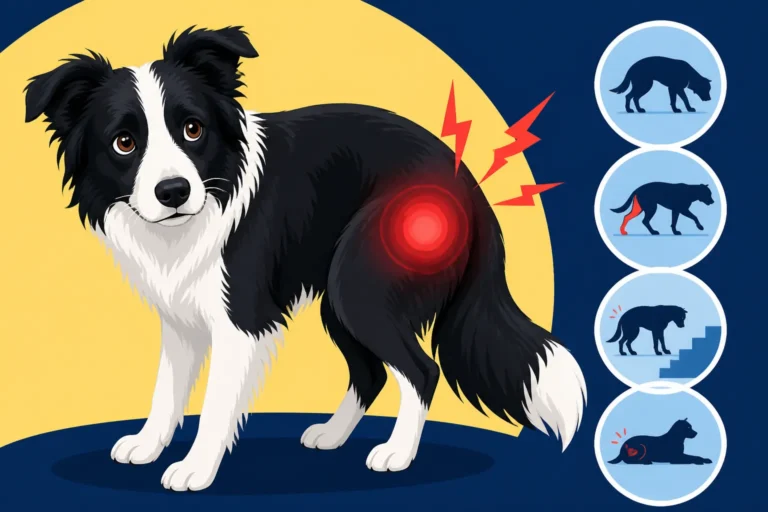
Imagine your otherwise perfectly healthy Border Collie, full of drive and energy, suddenly developing a strange, uncoordinated gait mid-fetch or during a sheepdog trial. Their back legs might drag, their eyes might glaze over, and they might look completely disoriented. This is often What a Border Collie Collapse Episode Looks Like. It's not heatstroke, it's not hypoglycemia (low blood sugar), and it's not a seizure, although it can be mistaken for these things. Border Collie Collapse is a distinct neurological syndrome, characterized by progressive weakness, disorientation, and hyperthermia (high body temperature) that develops rapidly.
The triggers are remarkably consistent: high-intensity exercise, particularly repetitive activities like sustained fetching, agility courses, or demanding stock work, especially when combined with high levels of excitement or stress. A dog can be fine for five, ten, or even fifteen minutes, then suddenly their body starts to give out. It’s a baffling phenomenon, especially since many of these dogs are otherwise extremely fit and healthy athletes. Owners often share stories of their dogs collapsing Why a Border Collie Collapses Five Minutes In into a session, completely taking them by surprise. This is precisely why managing Border Collie Collapse and What Sets It Off requires careful observation and proactive measures to prevent episodes from occurring.
The Genetic Link: Why It's a Breeder's Responsibility
The primary reason BCC is such a significant concern for breeders is its strong familial pattern, suggesting a clear genetic component. While the exact mode of inheritance is still under investigation, and it may well be polygenic (meaning multiple genes are involved), the evidence strongly points to genetics playing a major role. Breeders frequently observe that BCC tends to Whether Border Collie Collapse Runs in Families, with multiple affected dogs appearing in certain lines, even if the parents themselves never show symptoms. This makes it incredibly frustrating, as a seemingly healthy breeding pair could still produce affected offspring.
This genetic suspicion places a heavy ethical burden on breeders. The goal of responsible breeding is not just to produce beautiful or talented dogs, but healthy ones. Ignoring a known incidence of BCC in a line, or breeding dogs that have had episodes, is a disservice to the breed and to future owners. It’s a complicated situation because, unlike conditions with a clear single-gene marker, BCC doesn't have a simple "clear by parentage" solution right now. Breeders must navigate this uncertainty with integrity, aiming to reduce the prevalence of this debilitating condition within the Border Collie population.
Navigating Testing and Genetic Information
For many genetic conditions, breeders rely on readily available DNA tests that provide clear "clear," "carrier," or "affected" results. This allows for straightforward decisions to avoid producing affected puppies. However, with Border Collie Collapse, the situation is far more complex, presenting significant challenges in a breeding program.
The Current State of Genetic Testing for BCC
One of the most frustrating aspects of Border Collie Collapse for breeders and owners alike is the lack of a definitive genetic test. Unlike conditions such as Collie Eye Anomaly (CEA) or Trapped Neutrophil Syndrome (TNS), for which breeders can run a comprehensive The Border Collie Genetic Panel and What It Screens and get clear results, no specific gene marker for BCC has been conclusively identified or made commercially available. This means that while we know BCC has a genetic component, we don't currently have a simple blood test or cheek swab to determine if a dog is genetically predisposed or a carrier.
This absence of a clear test leaves breeders in a difficult position. They cannot simply test their breeding stock and remove affected or carrier individuals from their program with certainty. Instead, they must rely on other, less definitive methods to assess risk, such as careful observation of symptoms, environmental triggers, and, most importantly, thorough pedigree research. The ongoing research into BCC is a beacon of hope, with dedicated scientists working to unravel the genetic mysteries, but until a test is available, breeders must proceed with caution and a commitment to minimizing risk based on available information.
Pedigree Analysis and Record Keeping
In the absence of a direct genetic test, pedigree analysis and meticulous record-keeping become absolutely paramount for Border Collie breeders concerned about BCC. This involves more than just knowing a dog’s registered name and titles; it requires a deep dive into the health history of every dog in the pedigree, going back several generations. Breeders should be actively seeking information about any relatives – parents, siblings, aunts, uncles, and offspring – who have exhibited BCC symptoms. This data is critical for assessing the potential risk of a particular mating.
This kind of in-depth analysis necessitates open communication within the Border Collie community. Responsible breeders should be willing to share health information about their dogs, including any known instances of BCC in their lines, even if it's not a pleasant topic to discuss. Equally, puppy buyers have a role to play by keeping their breeder informed if their dog ever experiences collapse episodes. Establishing a transparent network where information on conditions like BCC is openly shared (while respecting privacy) helps to build a clearer picture of which lines are carrying the predisposition. Furthermore, maintaining detailed records of every puppy sold, including follow-up on their health and any reported issues, allows breeders to build a comprehensive health database for their own lines. When you're Asking a Border Collie Breeder for Test Results, don't forget to inquire about any known history of collapse in their dogs or their relatives.
Ethical Breeding Practices for Managing BCC Risk
Given the current lack of a direct genetic test for Border Collie Collapse, ethical breeding practices take on an even greater significance. Breeders must combine their knowledge of pedigrees with sound judgment and a strong commitment to the health of the breed. This often means making difficult choices, but these choices are essential for minimizing the impact of BCC.
Making Informed Mating Decisions
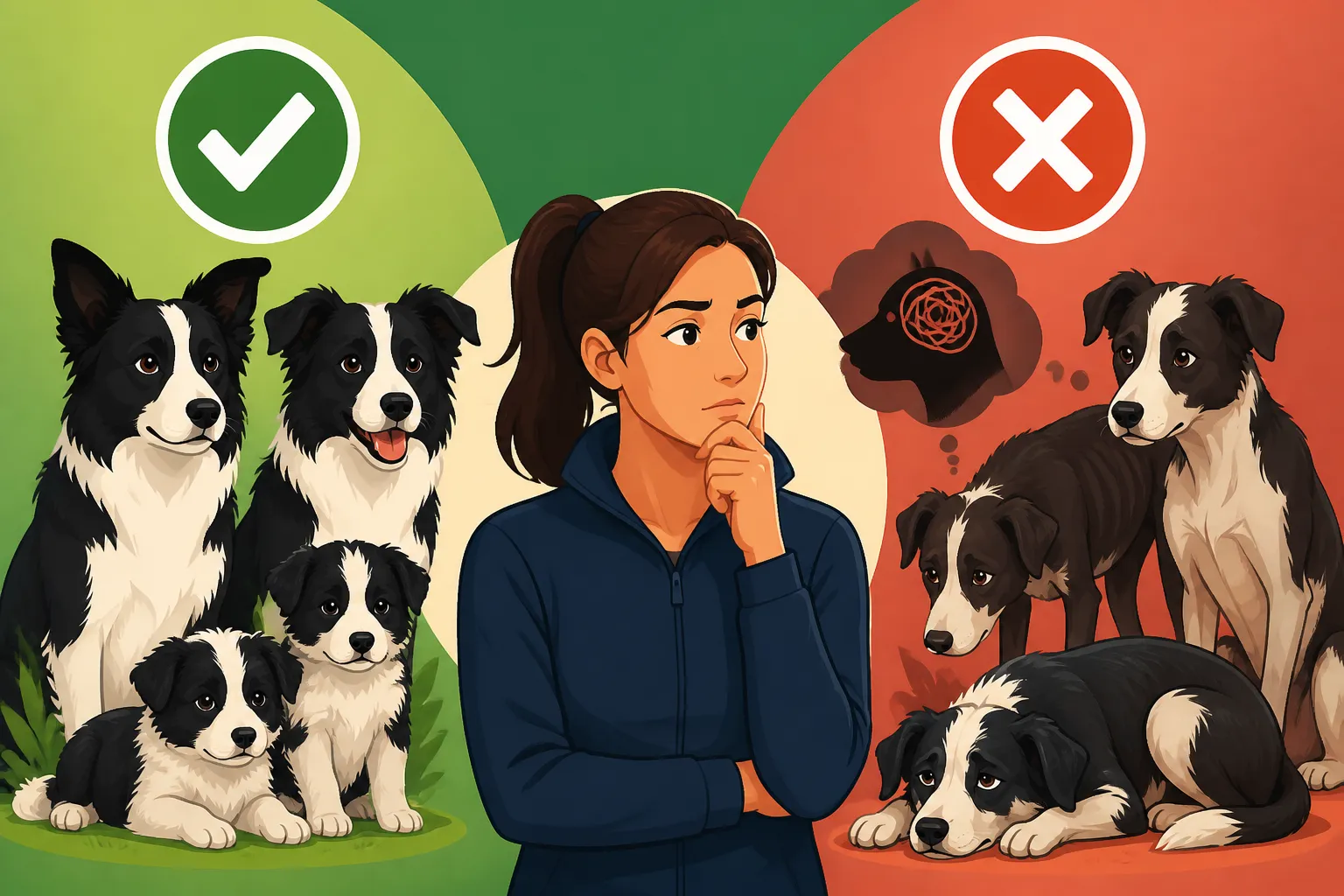
When considering a breeding pair, breeders should rigorously evaluate the risk of BCC in both the prospective sire and dam. This means not breeding any dog that has personally experienced a confirmed episode of Border Collie Collapse, regardless of their other desirable traits. While this might be a tough decision, breeding an affected dog is a direct route to perpetuating the condition. Furthermore, breeders should be extremely cautious about breeding dogs from lines with a high incidence of BCC among close relatives, even if the individual dog appears unaffected. The adage "the proof is in the progeny" holds true here – if a dog consistently produces affected offspring, it should be removed from the breeding program, regardless of its own health status.
For lines where BCC has appeared but is not widespread, breeders might consider "breeding away" from those specific problematic ancestors, or using an outcross that comes from lines with no known history of BCC. It's a tricky balancing act, as breeders strive to maintain genetic diversity and preserve other valuable traits, but health must always be the priority. This diligent approach helps to ensure that breeders are making responsible decisions that prioritize the long-term well-being of the breed, aiming to reduce the likelihood of future generations suffering from this debilitating condition.
Transparency and Buyer Education
Beyond making wise mating choices, ethical breeders have a responsibility to be completely transparent with prospective puppy buyers about the potential for Border Collie Collapse. This means openly discussing any known instances of BCC in their lines, even if the risk seems low for a particular puppy. Providing honest information about the condition, its symptoms, and the current challenges in genetic testing helps set realistic expectations for new owners. Buyers need to understand that even with the most careful breeding practices, there’s a possibility that BCC could manifest, as the genetics are still largely unknown.
A comprehensive conversation should cover management strategies, such as avoiding high-stress, repetitive exercise and recognizing early signs of collapse. This education is vital not only for the well-being of the puppy but also for the peace of mind of the new owner. It’s also important to discuss the financial implications of potential health issues. For example, a good pet insurance policy, like those offered by Healthy Paws, can be incredibly valuable in managing veterinary costs should a dog develop BCC or any other health condition. Having this conversation upfront ensures buyers are well-prepared and can make informed decisions about welcoming a Border Collie into their home. A detailed What a Border Collie Breeder's Contract Usually Requires should also outline any guarantees and the breeder's commitment to supporting the new owner, including guidance on health concerns.
Supporting Owners and the Future of BCC Research
The journey with Border Collie Collapse doesn't end with breeding decisions; it extends to supporting owners and actively contributing to ongoing research. A holistic approach to managing BCC involves continuous learning, communication, and collaboration within the Border Collie community.
Guidance for Puppy Buyers and Existing Owners
For those who have already brought a Border Collie into their home, or are planning to, understanding how to manage the risk of BCC is paramount. If you suspect your Border Collie is showing symptoms of BCC, the first step is always to consult with your veterinarian for a proper diagnosis. It’s important to rule out other conditions that might mimic BCC, such as cardiac issues, low blood sugar, or even certain seizure disorders. Once BCC is suspected or confirmed, management primarily revolves around understanding and avoiding triggers.
This often means rethinking exercise routines. Instead of endless, high-intensity retrieving or agility runs, focus on diverse activities that provide mental stimulation and varied physical exertion. Incorporate more sniffing games, short training sessions, or walks with varied terrain, allowing for plenty of breaks. Recognizing the early signs of fatigue or disorientation and calling a halt to activity immediately is crucial for Stopping a Border Collie Before an Episode Starts. Owners should also learn to identify what specifically causes their dog to collapse, whether it’s the excitement of a crowded trial, the intensity of repeated jumps, or simply sustained running. Some dogs, for example, might be fine on a long, steady hike but collapse after just a few minutes of manic ball chasing. Being observant and proactive is key to keeping your dog safe and comfortable.
Contributing to Research and Collective Knowledge
The future of understanding and ultimately eradicating Border Collie Collapse lies in scientific research. Breeders and owners have a vital role to play in supporting these efforts. If your dog is diagnosed with BCC, consider participating in studies conducted by veterinary universities or research institutions. Providing detailed case histories, blood samples, or even post-mortem tissue samples can offer invaluable data to scientists working to identify the genetic markers for this condition. For instance, the University of Minnesota's College of Veterinary Medicine has been at the forefront of BCC research, and they often seek owner participation. Knowing Where Border Collie Collapse Is Being Researched can guide you to opportunities to contribute.
This collective effort is a powerful tool. Every piece of information, every reported case, helps to build a larger picture that researchers can analyze to pinpoint the underlying causes. By working together, the Border Collie community can accelerate the discovery of a definitive genetic test, which would revolutionize breeding decisions and ultimately lead to a healthier future for the breed. Furthermore, having a reliable pet insurance plan, such as one from Healthy Paws, can make it easier for owners to pursue advanced diagnostics or specialized veterinary care, which in turn can provide crucial data for ongoing research efforts.
Breeding Considerations for Border Collie Collapse
When making breeding decisions, it's essential to assess the risk factors present in prospective parents. This table outlines common scenarios and recommended approaches for Border Collie Collapse.
| Scenario | Sire's History | Dam's History | Breeding Recommendation | Rationale |
|---|---|---|---|---|
| High Risk | Confirmed BCC episodes | Confirmed BCC episodes | Do NOT breed. | Guaranteed to pass on genetic predisposition; highly irresponsible. |
| High Risk (Affected Parent) | Confirmed BCC episodes | Clear, but from a line with BCC | Do NOT breed. | Even if one parent is clear, the affected parent will contribute significantly to affected offspring. |
| Moderate Risk (Affected Relative) | Clear, but a close relative (sibling, parent) affected | Clear, but a close relative (sibling, parent) affected | Proceed with extreme caution, consider outcross. | Increased likelihood of both parents carrying the predisposition, even if individually unaffected. |
| Low to Moderate Risk (Affected Extended Relative) | Clear, with BCC in extended pedigree (grandparent, aunt/uncle) | Clear, with BCC in extended pedigree (grandparent, aunt/uncle) | Proceed with caution, monitor progeny closely. | Lower immediate risk, but still suggests genetic presence. Track offspring diligently. |
| Lowest Known Risk | Clear, no known BCC in pedigree | Clear, no known BCC in pedigree | Breed, but remain vigilant. | Best current option. Still monitor, as BCC can appear without prior known history due to complex inheritance. |
Disclaimer
The information provided in this article is for general informational purposes only and does not constitute veterinary advice. Always consult with a qualified veterinarian for any health concerns or before making any decisions about your dog's health or breeding program. Research into Border Collie Collapse is ongoing, and information may change as new discoveries are made.