Canine Cognitive Dysfunction in an Old Border Collie
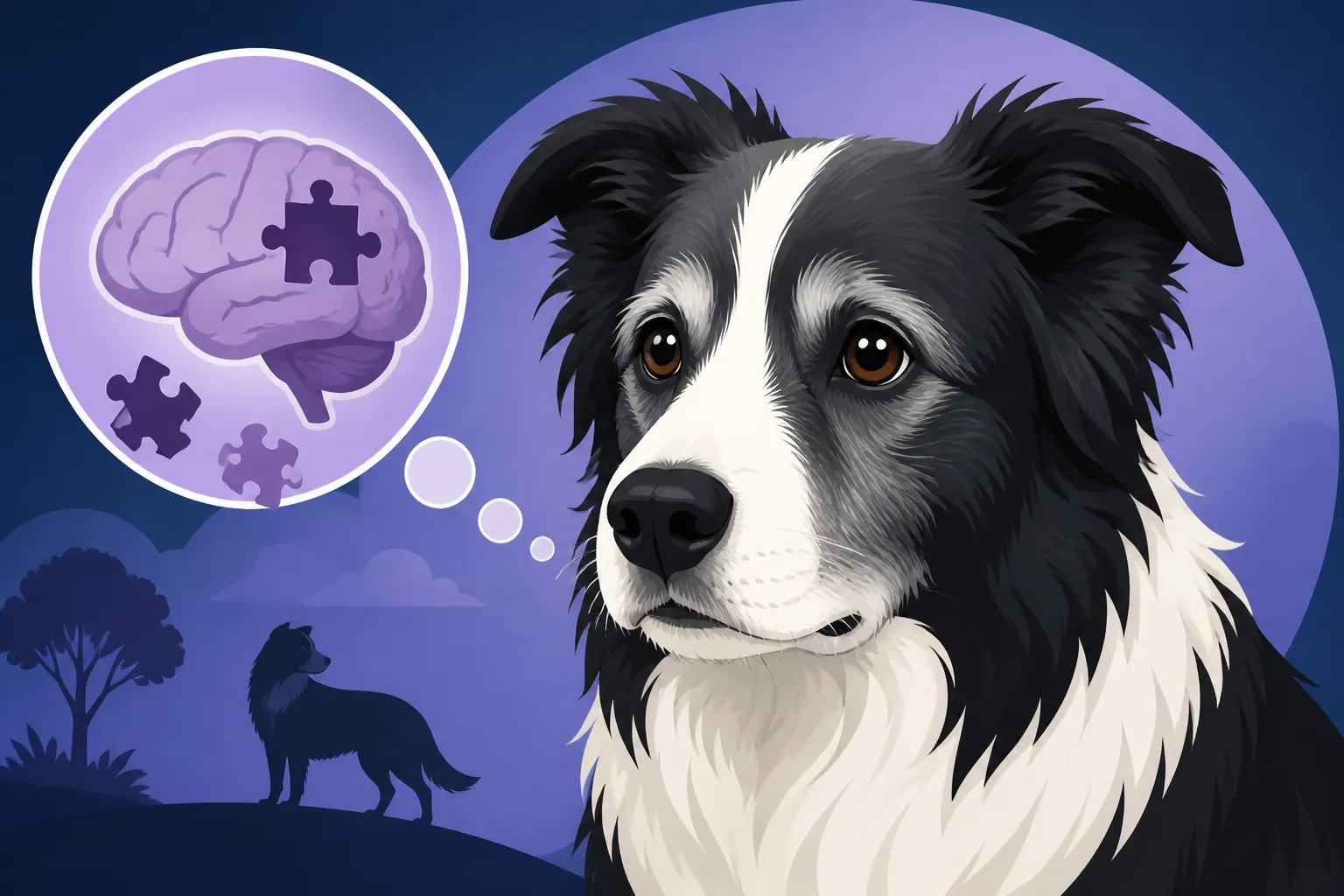
It’s heartbreaking, truly, to watch our once-vibrant, sharp Border Collies start to fade as they age. One moment they're anticipating your every whisper, the next they seem utterly lost in a familiar room or bark at shadows that aren't there. This isn't just "old age" in the simple sense; it could very well be Canine Cognitive Dysfunction (CCD), a frustrating, confusing, and often misunderstood condition that affects our beloved canine companions much like Alzheimer's affects humans. This guide will help you understand what CCD looks like in your highly intelligent Border Collie, explore why they might seem particularly susceptible, and, most importantly, provide compassionate strategies for managing and supporting them through this challenging period of their golden years.
What Canine Cognitive Dysfunction Looks Like in a Border Collie
Canine Cognitive Dysfunction manifests in a variety of ways, and it can be particularly striking in a breed as intelligent and engaged as a Border Collie. When a dog known for its sharp mind and unwavering focus begins to exhibit these signs, it's often more noticeable and, frankly, more distressing for owners. It's like watching a star athlete suddenly forget the rules of the game they once dominated.
Changes in Awareness and Interaction
One of the first things you might notice is a subtle shift in your Border Collie's typical zest for life. The dog that used to greet you at the door with an enthusiastic wag and perhaps a toy might now offer only a mild acknowledgment, or even appear not to notice you’ve arrived. Their deep, perceptive "Border Collie stare" might become vacant, less focused.
They might lose interest in games they once adored, like fetch or puzzle toys, or even seem confused by them. Commands they knew backwards and forwards – "lie down," "steady," "that'll do" – might be met with a blank look or simply ignored. This isn't deliberate defiance; their brain is genuinely struggling to process and respond. Imagine your dog, who once could anticipate your next move on the trial field, now struggles to remember simple household rules. It’s a profound change in their very essence.
Disorientation and Confusion
This is often one of the most alarming symptoms. Your Border Collie might start getting stuck in corners, behind furniture, or in other places that were never an issue before. They might wander aimlessly through the house or yard, seemingly without purpose, or try to go out the wrong door. Many owners report their dogs standing at the hinge side of a door, pushing, utterly bewildered as to why it won't open.
During walks, they might lose their way in familiar areas or stare blankly into space, as if they’ve forgotten where they are or what they’re supposed to be doing. When an old Border Collie misses the whistle, it might not just be hearing loss; it could be that their brain simply isn't registering the command or connecting it to the action anymore. This disorientation can be incredibly frightening for the dog and stressful for you, as you realize their world is becoming less coherent.
Alterations in Sleep-Wake Cycles
Many Border Collies with CCD develop what’s often called "sundowning," similar to what humans with dementia experience. They might become restless, anxious, or vocal during the late afternoon, evening, and overnight hours. This can manifest as pacing, whining, barking for no clear reason, or constantly needing to go outside.
Conversely, they might sleep much more deeply and for longer periods during the day, becoming less engaged in daily household activities. This inversion of their natural rhythm can be incredibly disruptive for the entire family. You might find yourself exhausted from managing their nocturnal restlessness, wondering if you’ll ever get a full night’s sleep again. It’s important to remember that this isn't willful misbehavior; it's a symptom of their deteriorating cognitive function.
House-Soiling and Other Behavioral Shifts
Another common and frustrating sign of CCD is a regression in housetraining. Your perfectly house-trained Border Collie might start having accidents indoors, seemingly forgetting their cues to go outside or even relieving themselves in their bed. This isn't out of spite; it's a loss of memory, control, or awareness.
Beyond housetraining, you might observe other significant behavioral changes. Some Border Collies become more anxious, displaying increased separation anxiety or becoming clingy. Others might become irritable, snapping or growling more readily, especially if surprised or uncomfortable. There can be changes in appetite – either increased hunger or decreased interest in food. They might start vocalizing more, barking or howling at odd times, or cease vocalizing much at all. The playful, confident dog you knew might slowly be replaced by a shadow of their former self, easily startled or prone to agitation.
Why Border Collies Seem Prone to CCD
While any breed can develop Canine Cognitive Dysfunction, it can feel particularly poignant, and perhaps even more common, in Border Collies due to their inherent intelligence and high drive. It's not necessarily that they are biologically more prone, but rather that the symptoms are often magnified against the backdrop of their once-sharp minds.
The Aging Brain and Breed Predisposition
Just like humans, a dog’s brain undergoes changes as it ages. Neurons can degrade, plaque can build up, and neurotransmitter levels can decrease, all contributing to a decline in cognitive function. For a Border Collie, whose entire working life and identity are often wrapped up in their problem-solving abilities, their phenomenal memory, and their intense focus, the impact of these changes can seem devastating.
The very traits that make them extraordinary — their ability to learn hundreds of words, to execute complex sequences of commands, and to think independently on the sheep field — are precisely what we notice declining first. It's a stark contrast to their peak performance. While there isn't definitive genetic evidence showing Border Collies are more biologically susceptible to the disease itself, their high cognitive baseline means any dip is starkly apparent. We often discuss How Long a Border Collie Lives, and as they reach those senior years, cognitive decline becomes a very real consideration.
Differentiating CCD from Other Ailments
This is perhaps one of the most critical aspects of dealing with an older Border Collie exhibiting concerning symptoms. Many age-related health issues can mimic or exacerbate signs of CCD, making accurate diagnosis essential. It’s absolutely vital to work closely with your veterinarian to rule out other treatable conditions.
For example, a dog that seems disoriented might actually be experiencing vision or hearing loss, not purely cognitive decline. A Border Collie that appears confused or restless might be in pain from arthritis or other joint issues. Signs an Old Border Collie Is in Pain can manifest as pacing or an inability to settle. Changes in housetraining could be due to urinary tract infections, kidney disease, or even diabetes. Increased vocalization or anxiety might be a symptom of thyroid issues or even a brain tumor.
Before assuming it's solely CCD, your vet will likely recommend a thorough physical exam, bloodwork (it's always good to schedule Yearly Bloodwork for a Border Collie), a urinalysis, and potentially imaging or other specialized tests. These diagnostic steps are crucial to ensure you're not missing a treatable condition. Conditions like Epilepsy in a Border Collie Between One and Five can sometimes present with cognitive changes later in life or post-seizure confusion, so a full history is important. Even something like Cancer in an Older Border Collie can sometimes have neurological symptoms depending on its location. Reliable pet insurance providers like Healthy Paws can often help offset the costs of these extensive diagnostics, which can be a real lifeline during such an uncertain time.
The Role of Lifelong Mental Stimulation
While we can't completely prevent aging, a life rich in mental stimulation may help build "cognitive reserve," potentially delaying the onset or lessening the severity of CCD symptoms. Border Collies thrive on mental challenges; it’s what they’re bred for. A dog that has spent its life learning tricks, engaging in dog sports, solving puzzles, or working livestock has constantly exercised its brain.
However, even with the most mentally stimulated Border Collie, decline can still occur. When The Age a Border Collie Starts to Slow, their incredible drive might still be there, but their ability to execute tasks or problem-solve diminishes. This makes the transition to cognitive decline particularly hard for their owners, as it feels like a piece of their dog’s core identity is slipping away. It’s a harsh reminder that even the "smartest dog in the world" isn't immune to the effects of time.
Managing Life with a Border Collie Experiencing CCD
Living with a Border Collie with Canine Cognitive Dysfunction demands immense patience, empathy, and adaptability. It's about meeting them where they are and creating an environment that supports their changing needs, rather than expecting them to conform to their former selves.
Environmental Enrichment and Routine
A predictable daily routine becomes incredibly important for a dog experiencing CCD. Familiarity helps reduce anxiety and confusion. Try to feed, walk, and offer potty breaks at consistent times each day. Keep their environment as stable as possible; avoid moving furniture or changing their resting spots unnecessarily.
For environmental enrichment, think simple and safe. While your Border Collie might no longer excel at complex puzzle feeders, simpler versions can still offer mental engagement. Scent games, where they use their nose to find treats in obvious places, can be wonderfully enriching and less taxing than intricate puzzles. Gentle, consistent physical exercise – short, familiar walks – is still beneficial for both body and mind, but recognize that their stamina may not be what it was. Remember, the goal is comfort and reduced stress, not peak performance.
Dietary Support and Supplements
Nutrition plays a surprisingly important role in supporting an aging brain. Many veterinarians recommend diets formulated for senior dogs, especially those enriched with antioxidants, omega-3 fatty acids (like DHA and EPA), and medium-chain triglycerides (MCTs). These ingredients are believed to support brain health and provide an alternative energy source for brain cells. Brands like Purina Pro Plan Veterinary Diets Neurocare or Hill's Prescription Diet b/d are specifically designed to help manage CCD symptoms.
Supplements, under veterinary guidance, can also be beneficial. Omega-3s, S-adenosylmethionine (SAMe), and certain B vitamins are often recommended. Discuss these options with your vet to determine the best course for your individual dog. The investment in these specialized diets and supplements might seem daunting, but organizations like Healthy Paws, with their comprehensive pet insurance plans, often help cover prescribed dietary needs and veterinary-recommended supplements when tied to a diagnosed condition.
| Symptom Category | Typical CCD Manifestations | Other Potential Causes to Rule Out |
|---|---|---|
| Disorientation | Getting stuck, wandering, getting lost in familiar places. | Vision impairment, hearing loss, inner ear infection, brain tumor. |
| Interaction Changes | Less greeting, ignoring commands, reduced play interest. | Pain (arthritis), depression, hypothyroidism, deafness, vision loss. |
| Sleep-Wake Cycles | Restlessness at night, pacing, increased daytime sleep. | Pain, anxiety, hyperthyroidism, bladder issues, medication side effects. |
| House-Soiling | Accidents indoors, forgetting potty training. | Urinary tract infection, kidney disease, diabetes, mobility issues. |
| Behavioral Changes | Increased anxiety, irritability, vocalization, appetite shifts. | Pain, fear, thyroid imbalance, other neurological conditions, medication. |
Veterinary Interventions and Medications
There are medications available that can help manage the symptoms of CCD and, in some cases, slow its progression. Selegiline (brand name Anipryl) is one such medication, approved for use in dogs with CCD. It works by increasing dopamine levels in the brain and can improve alertness, social interaction, and housetraining. However, it's not a cure and doesn't work for every dog.
Your veterinarian might also prescribe other medications to address specific symptoms, such as anti-anxiety medications if your Border Collie is suffering from severe sundowning or generalized anxiety. Regular check-ups are even more important now, as your vet can monitor your dog’s response to treatment and adjust as needed. Remember, Retiring a Border Collie From Stock Work is often just the beginning of their senior care journey, and managing conditions like CCD becomes paramount.
Creating a Supportive Home Environment
Patience is truly a virtue when caring for a Border Collie with CCD. They are not being disobedient; they are genuinely struggling. Avoid scolding or punishing them for accidents or confusion, as this will only increase their anxiety and erode your bond.
Provide soft, easily accessible resting spots. If they have trouble with stairs, consider ramps or limiting their access to certain areas. Nightlights can help with disorientation during nighttime wandering. Keep dangerous items out of reach, especially if they are exploring new behaviors like chewing inappropriate objects. Offer comfort and reassurance with gentle petting and a soothing voice. It’s also important for families with small children to understand that the dog’s behavior might be unpredictable, so supervision is key.
Supporting Your Older Border Collie's Quality of Life
The journey through Canine Cognitive Dysfunction with your Border Collie is an emotional one. It requires a significant shift in perspective, moving from expecting a highly capable partner to providing gentle, compassionate care for a vulnerable senior.
Adjusting Expectations and Embracing the Changes
It's natural to grieve the loss of the dog you once knew, the one who could track a sheep across a thousand acres and interpret your every unspoken command. You might feel frustrated, sad, or even guilty. It's crucial to acknowledge these feelings. Understand that your Border Collie is doing the best they can with a brain that is failing them.
Instead of focusing on what they can no longer do, celebrate the moments of clarity, the quiet cuddles, and the continued love they offer. Perhaps they still want to gather a few toys into a pile, even if the "work" is less intense. The Old Border Collie That Still Wants to Gather highlights that the drive often remains, even when the execution falters. Embrace the new ways you can connect. A gentle hand, a comforting word, and a safe, stable environment become their most important needs. Remember the amazing life they’ve lived, the adventures you’ve shared, and cherish every single day you have left with them.
When to Consider Palliative Care or Euthanasia
This is, without a doubt, the most agonizing decision any pet owner faces. As CCD progresses, there may come a point where your Border Collie's quality of life diminishes significantly, despite all your efforts. This might manifest as severe and constant disorientation, extreme anxiety or fear, inability to rest, or a complete loss of joy in life.
Work closely with your veterinarian to assess your dog's overall quality of life. Consider factors like their ability to eat and drink, manage pain, maintain hygiene, engage in any positive interactions, and experience comfort. There are "quality of life scales" you can use as a guide. It's about asking if they are having more good days than bad, and if the interventions you're providing are truly alleviating suffering or merely prolonging it.
This decision is deeply personal, and there is no right or wrong answer. It is an act of profound love to release them from suffering. Just as we acknowledge What Ends a Border Collie's Working Life in terms of physical capacity, we must also recognize when cognitive decline reaches a point where their spirit is no longer able to thrive. Many owners find peace in understanding that they gave their Border Collie the best possible life, right up to the very end, ensuring their final moments are peaceful and filled with love.
Disclaimer
The information provided in this article is for general informational purposes only and is not a substitute for professional veterinary advice. Always consult with a qualified veterinarian for any health concerns or before making any decisions related to your Border Collie's health and treatment.