Signs an Old Border Collie Is in Pain
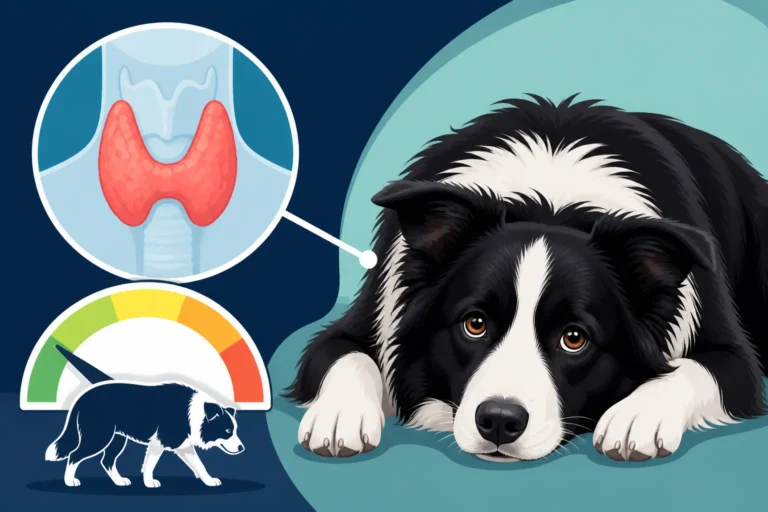
It’s a tough truth, but our beloved Border Collies, with their boundless energy and unwavering drive, eventually slow down. As they move into their golden years, from roughly eight years old and beyond, recognizing pain becomes a critical part of their care. They're masters at hiding discomfort, often pushing through even when hurting, which makes it incredibly challenging for us as owners to spot the subtle signals. This comprehensive guide will help you understand and identify the often-missed signs that your older Border Collie might be experiencing pain, ensuring you can intervene early and provide the comfort they deserve.
The Nuances of Behavioral Shifts in an Aging Border Collie
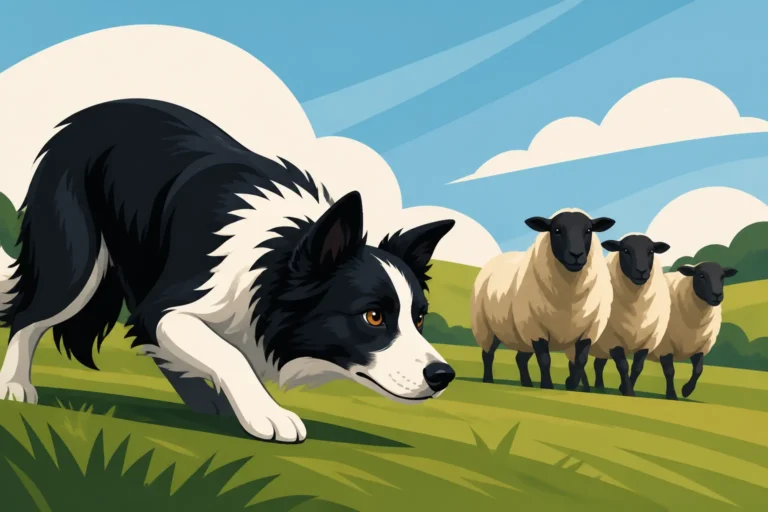
One of the trickiest aspects of identifying pain in an older Border Collie is that their initial indicators are often behavioral, not overtly physical. They don't always limp dramatically or cry out. Instead, you might notice subtle shifts in their daily habits and interactions that, when pieced together, tell a story of discomfort. This stoicism is deeply ingrained, a carryover from their working heritage where showing weakness could be detrimental.
Changes in Their Signature Drive and Enthusiasm
Your Border Collie's entire identity is often tied to their intense focus and tireless energy. So, when that starts to wane, it's a huge red flag. It’s easy to dismiss a dog slowing down as simply "getting old," but that reduction in enthusiasm could very well be a coping mechanism for pain. Perhaps your dog, who once lived for the frisbee, now hesitates before chasing or brings it back more slowly. Maybe the excitement for a walk around the block is diminished, or they cut it short, often stopping to sniff excessively, or lagging behind you.
Consider the dog who used to greet you at the door with a full-body wiggle and a toy, but now just raises their head from their bed. This isn't laziness; it's often a sign that getting up and moving is uncomfortable. They might still want to engage, but the physical effort is simply too much. This also extends to activities like swimming, which many Border Collies adore. If your water dog now shies away from the lake or struggles to get in and out, it could be a clear indication of joint pain or muscle stiffness, preventing them from enjoying their favorite pastimes. This decline in activity level is a significant indicator, often preceding more obvious physical signs. You might also notice them losing their keen edge for work, something discussed further in What Ends a Border Collie's Working Life.
Alterations in Social Interaction and Affection
A Border Collie in pain might also change how they interact with their human family and other pets. Sometimes, pain can make a normally affectionate dog reserved, or even irritable. If your dog, who usually solicits belly rubs, suddenly flinches when you touch their back or hindquarters, that's a direct signal of localized pain. They might start avoiding certain interactions altogether. For instance, a Border Collie who used to love playing with the kids might now retreat to another room when the children get rowdy, not because they dislike them, but because sudden movements or accidental bumps cause pain.
Conversely, some dogs become more clingy when in pain, seeking comfort from their owners. They might follow you from room to room more closely, or rest their head on your lap more frequently than usual. This can be confusing because it seems like increased affection, but it can also be a quiet plea for help. Look for any deviation from their normal social patterns. If your dog suddenly seems less interested in playtime with other dogs, or even snaps at a housemate for getting too close, it’s not just a mood swing; it could be a pain response, indicating an underlying issue like Osteoarthritis in a Border Collie by Eight.
Physical Manifestations of Discomfort
While behavioral changes are often the first hint, physical signs will eventually become apparent as pain progresses. These can range from subtle alterations in gait to noticeable changes in their physical appearance or grooming habits. It’s crucial to observe your senior Border Collie with a critical eye, noticing anything that doesn't quite seem right, even if it's not a full-blown limp.
Changes in Gait, Posture, and Movement
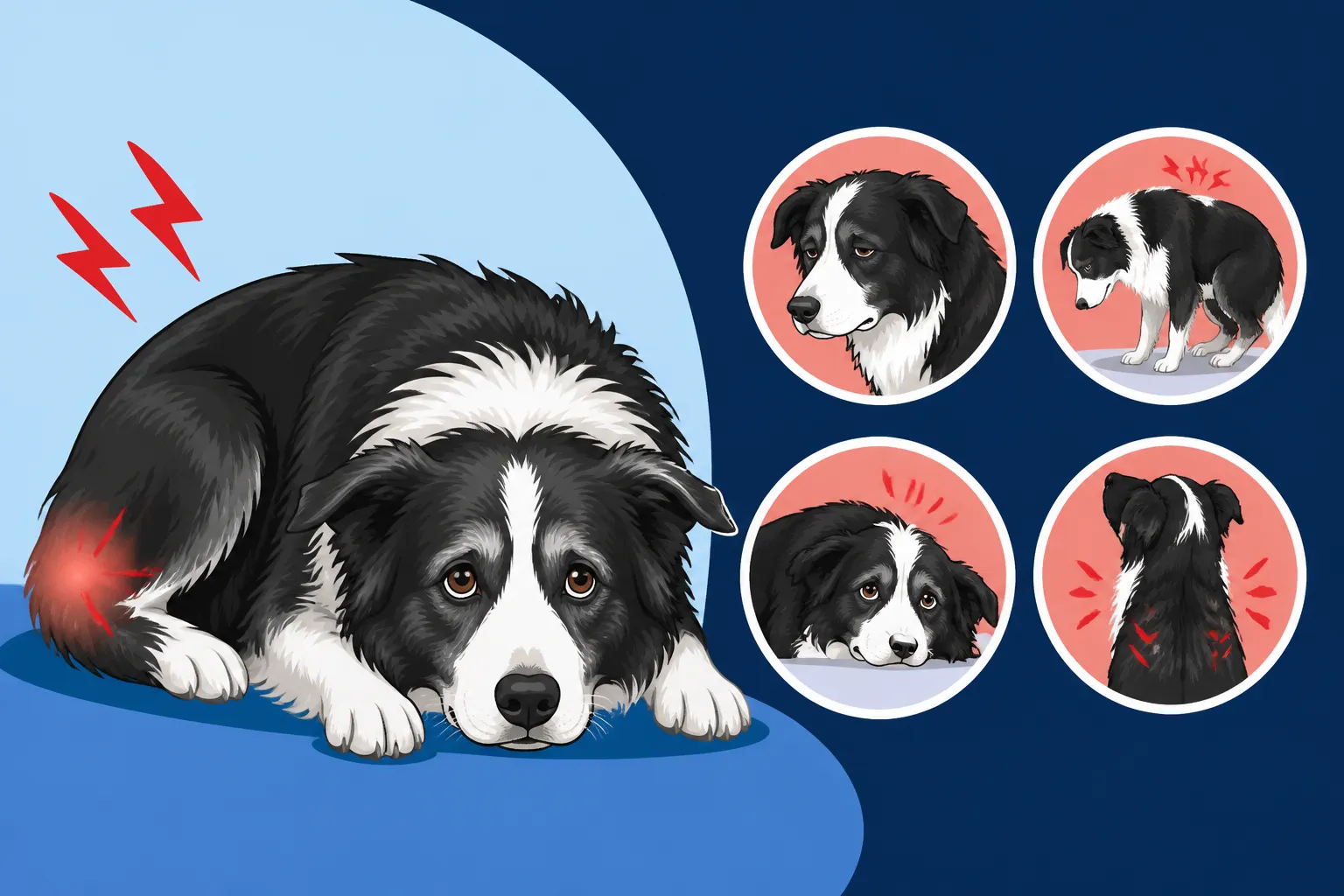
This is perhaps the most direct physical indicator of pain. Your Border Collie's once fluid, agile movement might become stiff, hesitant, or uneven. Pay close attention during different activities. Do they struggle to get up after lying down for a while? Do they seem to "bunny hop" with their hind legs when running, rather than using each leg independently? This can be a sign of hip discomfort, a common issue in older dogs. You might also notice a decreased range of motion. For example, they might not jump onto the sofa as easily as they once did, or they might refuse to go up or down stairs, opting instead to wait for assistance.
Watch them walk, both on and off-leash. Do they hold their head lower? Is their tail carriage different, perhaps tucked more than usual? A hunched back or a reluctance to stretch can point to spinal pain. Sometimes, a dog might shift their weight, putting less pressure on a painful limb, which can lead to muscle atrophy in the affected leg over time. Even subtle changes in how they stand, like favoring one leg slightly, are important to note. An older Border Collie should ideally still move with relative ease, even if slower. Any notable change in their familiar stride warrants investigation, as it could indicate issues such as Hip Dysplasia in a Border Collie That Runs All Day or Cruciate Tears in a Border Collie.
Here's a quick reference table for common physical pain signs:
| Area of Body | Common Signs of Pain | Potential Underlying Issues |
|---|---|---|
| Hindquarters | Reluctance to jump, difficulty rising, "bunny hopping" when running, dragging feet, reduced tail wag. | Hip dysplasia, arthritis, lower back pain, nerve issues. |
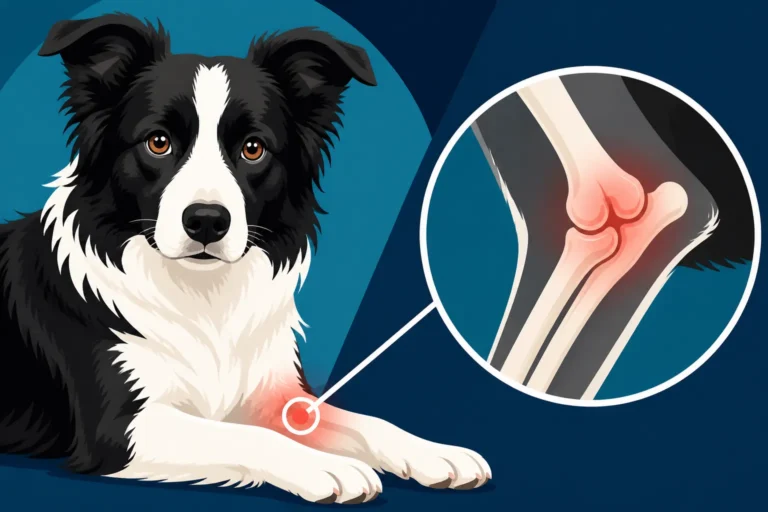
| Front Legs/Shoulders | Limping, stiffness after rest, favoring one leg, difficulty reaching for toys, slow to lie down. | Elbow dysplasia, shoulder injuries (common in agility dogs), arthritis, soft tissue injuries. |
| Neck/Spine | Hunched posture, reluctance to turn head, crying out when lifted, guarding movement, stiffness. | Arthritis, intervertebral disc disease (IVDD), muscle strain. |
| Paws/Feet | Licking/chewing paws excessively, sensitive to touch, limping without clear injury, reluctance to walk on rough surfaces. | Arthritis in toes, broken nails, pad injuries, interdigital cysts. |
| General | Shaking/trembling, panting heavily without exertion, restlessness, loss of appetite, changes in elimination posture. | Systemic pain, chronic disease, neurological issues. |
Changes in Grooming Habits or Appearance
Pain can also manifest in how your Border Collie grooms themselves, or in their overall physical condition. An older dog might start excessively licking or chewing a particular area of their body – a paw, a leg, or their flank. This isn't always an allergy; often, it's a way for them to try and soothe discomfort in that spot. Over time, this licking can lead to skin irritation, hair loss, or "hot spots."
On the flip side, some dogs in pain might neglect their grooming. If your once fastidious Border Collie now has a dull, unkempt coat, or if you notice mats developing in areas they used to keep clean, it could be that the act of reaching or bending to groom themselves is simply too painful. This is particularly true for rough-coated Border Collies who require regular maintenance. A loss of muscle mass, especially over the hips or spine, is another subtle but significant sign. While some muscle wasting is normal with age, a noticeable decrease, particularly on one side, can indicate that your dog is not using that limb properly due to pain. Regularly checking their body condition, as outlined in The Weekly Once-Over a Working Border Collie Gets, can help catch these changes early.
Alterations in Routine and Interaction
Beyond obvious physical signs and shifts in behavior, pain can subtly weave its way into your Border Collie's daily routine, disrupting habits you've come to expect. These disruptions might seem minor in isolation, but together they paint a clearer picture of chronic discomfort.
Sleep Patterns and Restlessness
A dog in pain often struggles to find a comfortable position to rest or sleep. You might notice your senior Border Collie circling multiple times before lying down, shifting positions frequently during the night, or getting up and moving to a different spot more often than usual. They might spend less time in deep sleep and seem generally more restless. This isn't just about being finicky; it’s a desperate attempt to alleviate pressure on sore joints or muscles. Imagine trying to get comfortable when every position aches.
Conversely, an increase in overall sleep or lethargy can also be a sign of pain. If your once-active Border Collie is now sleeping for longer stretches during the day, or seems unusually sluggish even after a good night's rest, they might be conserving energy to cope with chronic discomfort. This can be tricky to differentiate from normal aging, but if it's a sudden or marked change, it's worth investigating. Always consider if the increased rest is due to genuine fatigue or simply avoiding movements that cause pain.
Appetite, Hydration, and Elimination Habits
Pain can have a profound impact on a dog's appetite and digestive system. While a complete refusal to eat is usually a sign of acute illness, a gradual decrease in appetite or a change in eating habits can be pain-related. Perhaps they're reluctant to bend down to their food bowl, especially if they have neck or back pain. In such cases, raising the food and water bowls can make a significant difference. If your dog chews more slowly, or drops food more often, it could also indicate dental pain, which is very common in older dogs but often overlooked.
Changes in water intake and elimination can also signal discomfort. An increase in thirst might point to underlying health issues like kidney disease, which can cause generalized malaise. A reluctance to squat fully to urinate or defecate, or an awkward posture during these actions, clearly indicates pain in the hips, knees, or spine. They might even have more accidents inside the house if it's too painful to hold it or get outside in time. Any unusual straining or changes in stool consistency should also be noted, as they could be related to digestive issues exacerbated by stress or underlying conditions. Observing these daily routines provides valuable clues to your dog's overall well-being.
What to Do When You Suspect Pain
Identifying pain is the first crucial step, but what comes next is equally important. It can feel overwhelming to think your energetic companion is hurting, but there are concrete steps you can take to help them.
Consult Your Veterinarian Immediately
If you suspect your Border Collie is in pain, the absolute first step is to schedule a comprehensive veterinary examination. Do not delay. Your vet needs to be your partner in this. Be prepared to provide a detailed history of the changes you've observed, no matter how small or seemingly insignificant. Mention specific instances, like "He used to jump into the car with no problem, but now he hesitates and needs a lift," or "She stopped wanting to play with the ball after about ten minutes, whereas before she'd go for hours."
Your vet will perform a thorough physical exam, checking joints, muscles, and reflexes. They might manipulate limbs to assess range of motion and pain response. Depending on their findings, they may recommend diagnostic tests such as X-rays to look for Hip and Elbow Scores in a Border Collie or arthritis, blood work to check for systemic inflammation or organ function, or even advanced imaging like an MRI in more complex cases. While these diagnostics can feel expensive, having a clear diagnosis is vital for effective treatment. Many pet owners find that pet insurance, such as plans offered by Healthy Paws, can significantly alleviate the financial stress associated with these essential investigations and ongoing care. Don't be afraid to ask for explanations of any medical terms or procedures.
Explore Pain Management Strategies
Once a diagnosis is made, your vet will work with you to create a pain management plan. This is rarely a one-size-fits-all solution; it often involves a multi-modal approach combining different therapies.
Medication: Non-steroidal anti-inflammatory drugs (NSAIDs) are commonly prescribed to reduce inflammation and pain. There are several different types available, and your vet will choose the most appropriate one for your dog, monitoring for side effects. Other medications, like gabapentin, might be used for neuropathic pain. It’s important to give these medications exactly as prescribed and never to give human pain relievers, which can be toxic to dogs.
Supplements: Joint supplements containing glucosamine, chondroitin, and MSM can help support cartilage health and reduce inflammation. Omega-3 fatty acids, like fish oil, also have anti-inflammatory properties and can benefit joint health and coat quality. Discuss these options with your vet to ensure they are appropriate and won't interact with other medications.
Physical Therapy and Rehabilitation: This is an increasingly vital component of pain management. A certified veterinary physical therapist can teach you exercises to improve strength, flexibility, and balance. Techniques like hydrotherapy (underwater treadmill), therapeutic ultrasound, laser therapy, and massage can greatly improve comfort and mobility. These therapies can be incredibly beneficial for an aging Border Collie, helping to maintain muscle mass and range of motion.
Environmental Modifications: Simple changes at home can make a huge difference. Provide orthopedic dog beds to cushion sore joints. Use ramps or steps to help your dog get into cars or onto furniture. Ensure non-slip rugs on slick floors to prevent falls and reduce strain when moving. Keep food and water bowls elevated if your dog struggles to bend down. For Border Collies struggling with pain, minimizing opportunities for re-injury and making their environment more comfortable is key to improving their quality of life, extending their comfort well into their golden years, even for those who still want to work, as discussed in Keeping a Border Collie With BCC in Work.
Alternative Therapies: Acupuncture and chiropractic care, performed by a licensed veterinary professional, are increasingly recognized for their role in chronic pain management for dogs. These therapies aim to reduce pain, improve nerve function, and enhance overall well-being. Always ensure any practitioner is fully qualified and experienced in treating animals.
Remember, managing pain in an older Border Collie is an ongoing process. Regular vet check-ups, especially Yearly Bloodwork for a Border Collie, are essential to monitor their condition, adjust medications, and explore new treatments as needed. With careful observation, proactive veterinary care, and a loving, supportive home, you can ensure your loyal companion enjoys their senior years with as much comfort and dignity as possible. Healthy Paws is just one of the many resources that can help owners prepare for the financial aspects of these crucial interventions.
Disclaimer
This article is for general informational purposes only and does not constitute professional advice. Laws, prices and regulations vary by location and change over time. Consult a qualified professional for guidance on your specific situation.