Thyroid Levels in a Border Collie That Slowed Down
It’s heartbreaking to see your usually vibrant, go-go-go Border Collie start to slow down. One day they're chasing frisbees with boundless energy, and the next they seem a little less enthusiastic about that morning walk, a bit more sluggish to get up, or perhaps their once-lustrous coat looks a little… off. This change isn't just "getting old" for many Border Collies; it can often be a tell-tale sign that something deeper is going on with their health, and investigating their thyroid levels is a crucial step to understanding why their drive might be dropping.
Recognizing the Subtle Signs of a Slowing Border Collie
When you live with a Border Collie, you become intimately familiar with their incredible drive and boundless energy. So, when that starts to wane, it's not something you easily overlook. But sometimes, the signs aren't as obvious as a dog refusing to run. They can be far more subtle, making you second-guess yourself, wondering if you’re just imagining things or if your beloved companion is truly changing.
Beyond Just Less Energy: Behavioral Changes
A Border Collie that's "slowing down" doesn't necessarily mean they've stopped running altogether. Often, it begins with a decrease in their characteristic intensity and enthusiasm. Maybe they used to be right at the door, vibrating with excitement at the mention of "walk," and now they take a moment longer to get up. Or perhaps their once razor-sharp focus during training sessions is a little dulled, their responses slower, less precise. They might still participate, but the spark, the sheer joy in the work, seems diminished.
You might notice they're less keen on their favorite games, like an endless game of fetch or a challenging puzzle feeder. They might sleep more during the day, or simply choose to lie down more frequently rather than being constantly on alert for the next activity. For a breed known for its relentless drive and need for mental engagement, any reduction in this innate "go" can be a significant red flag, suggesting that their system isn't running at its usual optimal capacity. This isn't just a physical slowdown; it's often a mental and emotional shift too, as the energy required for their high cognitive function also dips.
Physical Clues That Point to a Metabolic Shift
Beyond the behavioral changes, there are often physical indicators that, when pieced together, can paint a clearer picture. One of the most common, and often frustrating, signs is unexplained weight gain. You haven't changed their diet, their exercise might even be the same (or only slightly reduced), yet the pounds are creeping on. This isn't just aesthetic; it’s a strong sign that their metabolism isn’t firing correctly.
Their coat might lose its characteristic sheen, becoming dull, dry, or even brittle. You might notice increased shedding, or areas where the fur seems thinner. Some Border Collies might develop a "puppy coat" texture, soft and fluffy, even in adulthood. Another common complaint is intolerance to cold; your dog might seek out warm spots more frequently, shiver more easily, or seem uncomfortable in temperatures they previously handled with ease. In more advanced cases, you might even observe a puffy appearance, particularly around the face, or a generalized thinning of hair on the flanks and tail. These symptoms are often mistakenly attributed to normal aging or seasonal changes, but together, they whisper of an underlying metabolic imbalance that warrants a closer look.
Understanding Hypothyroidism in Border Collies
Hypothyroidism is a condition that, while not as common in Border Collies as in some other breeds like Golden Retrievers or Doberman Pinschers, can certainly affect them and drastically impact their quality of life. It’s essentially an underactive thyroid gland, meaning it's not producing enough of the hormones essential for the body to function properly.
What the Thyroid Does and Why It Matters
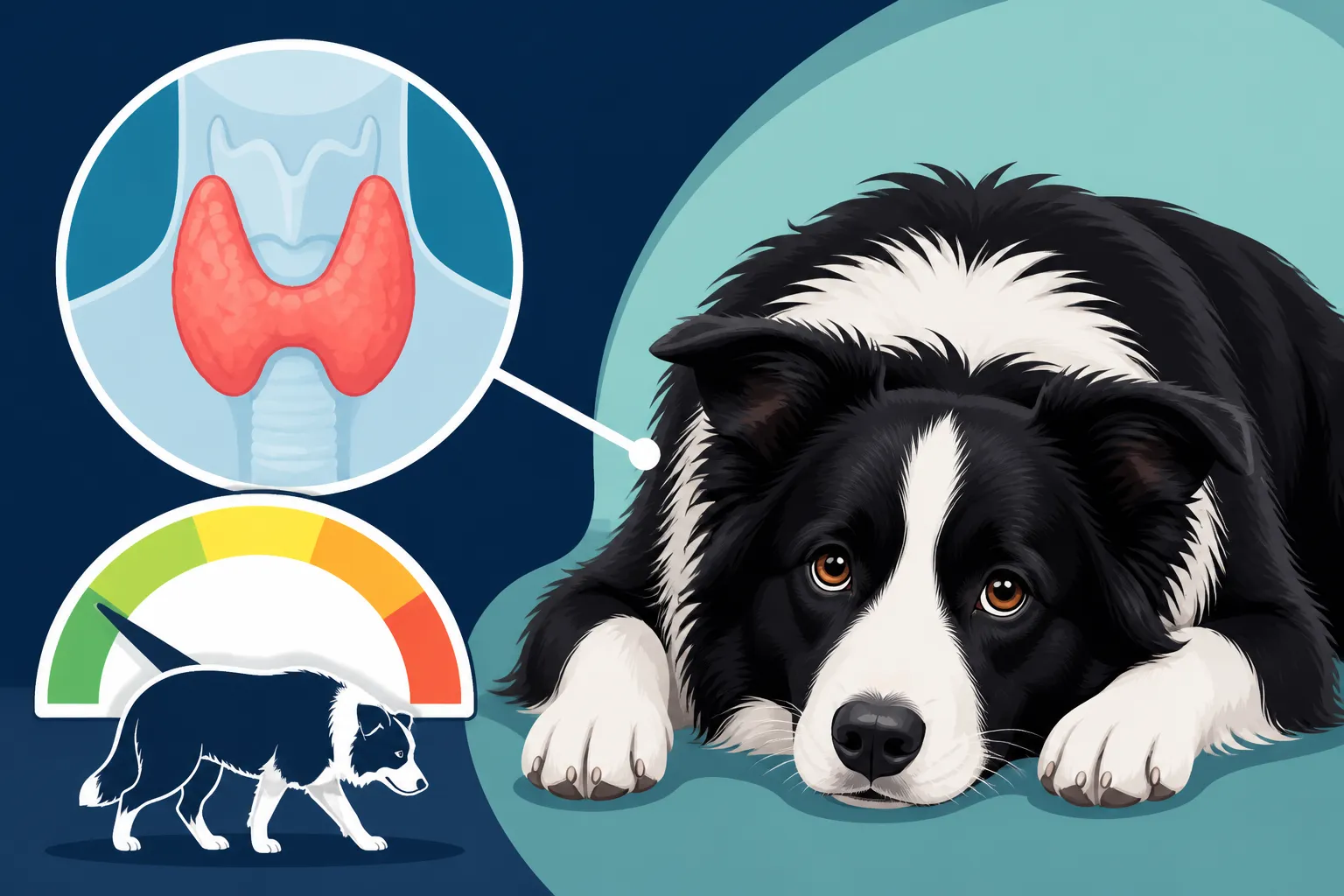
The thyroid gland is a small, butterfly-shaped gland located in your dog’s neck. Don't let its size fool you; it's a powerhouse, producing hormones (primarily thyroxine, or T4, and triiodothyronine, or T3) that regulate metabolism in almost every cell in the body. Think of these hormones as the throttle for your dog's internal engine. They control how quickly calories are burned, how fast new cells are made, how efficiently organs work, and even play a role in heart rate, body temperature, and brain function.
When the thyroid isn't producing enough of these vital hormones, the entire system slows down. It's like trying to run a race car with a sputtering engine – everything becomes sluggish. This systemic slowdown is precisely why the symptoms of hypothyroidism are so wide-ranging and can affect so many different aspects of your Border Collie's health and behavior, from their energy levels to their coat quality and even their mental sharpness. This is why you might notice their drive drops with its thyroid function.
Common Causes of Hypothyroidism in Dogs
In the vast majority of cases (over 95%) of canine hypothyroidism, the cause lies within the thyroid gland itself. The two primary culprits are:
- Lymphocytic Thyroiditis: This is an autoimmune disease where the dog's own immune system mistakenly attacks and destroys the thyroid gland tissue. Over time, this destruction leads to a significant reduction in hormone production. It's believed to have a genetic component, which is why breeders should always consider the health history of their lines, although a specific "hypothyroidism gene" hasn't been identified in Border Collies like it has for some other conditions.
- Idiopathic Thyroid Atrophy: This refers to the gradual wasting away or shrinkage of the thyroid gland for unknown reasons. The gland simply atrophies and stops producing hormones. It results in the same outcome as lymphocytic thyroiditis, but without the immune system involvement.
Less common causes can include congenital defects (born with an underdeveloped thyroid), iodine deficiency (rare in commercial dog foods), or side effects from certain medications. While Border Collies are generally a robust breed, understanding the potential for these conditions is key to early diagnosis and management. When considering The Border Collie Genetic Panel and What It Screens, while hypothyroidism isn't typically on it, it highlights the importance of comprehensive health awareness.
The Diagnostic Process: Getting a Clear Picture
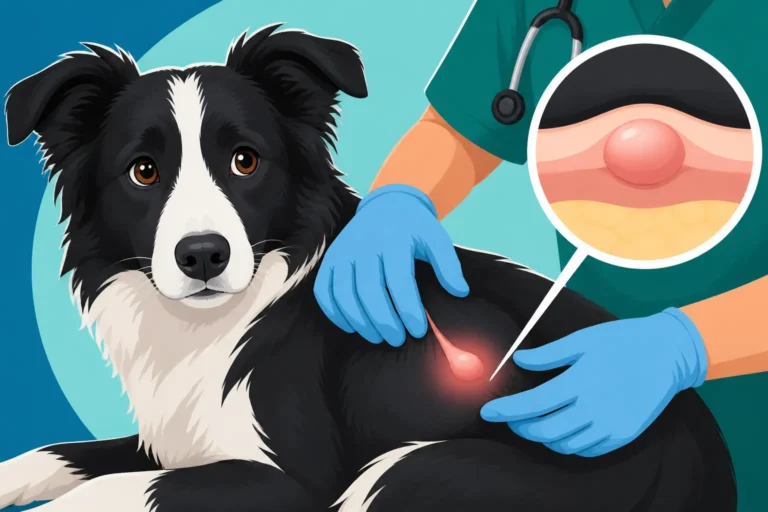
If you suspect your Border Collie is showing signs of hypothyroidism, the first step is always a visit to your veterinarian. They’ll perform a thorough physical examination, discuss your observations, and likely recommend blood tests to assess thyroid function. It's not as simple as a single "yes or no" test, however. A full thyroid panel is essential to get an accurate diagnosis.
Here's what a comprehensive thyroid panel usually includes:
- Total T4 (TT4): This measures the total amount of thyroxine (T4) in the blood, both free and bound to proteins. It's a good initial screening tool.
- Free T4 (FT4) by Equilibrium Dialysis: This is considered the most accurate measure of the biologically active thyroid hormone. It's less affected by non-thyroidal illnesses or certain medications that can skew total T4 results.
- Total T3 (TT3) & Free T3 (FT3): Less useful for diagnosing hypothyroidism in dogs compared to T4, but can sometimes offer additional context.
- Canine Thyroid-Stimulating Hormone (cTSH): This hormone is produced by the pituitary gland in the brain. If thyroid hormone levels are low, the pituitary gland tries to compensate by releasing more TSH to stimulate the thyroid. So, a high cTSH value in conjunction with low T4/FT4 is a strong indicator of primary hypothyroidism.
- Thyroid Autoantibodies (TgAA): These tests look for antibodies that target the thyroid gland itself, which can confirm an autoimmune cause (lymphocytic thyroiditis).
It's crucial to understand that a single low T4 reading isn't enough for a diagnosis. Many non-thyroidal illnesses (like infections, kidney disease, or even just stress) can cause a temporary dip in thyroid hormone levels, a phenomenon known as "euthyroid sick syndrome." Certain medications, such as steroids or some anti-inflammatory drugs, can also suppress T4 levels. Therefore, your vet will look at the entire picture, considering all test results, your dog's clinical signs, and ruling out other potential conditions.
To illustrate the typical ranges your vet will be looking at, here's a simplified table:
| Test | Normal Border Collie Range | Typical Hypothyroid Border Collie Range |
|---|---|---|
| Total T4 (TT4) | 1.0 – 4.0 µg/dL (or higher, depending on lab) | Consistently below 1.0 µg/dL |
| Free T4 (FT4) | 8.0 – 35 pmol/L (or 0.8 – 3.5 ng/dL) | Consistently below 8.0 pmol/L (or 0.8 ng/dL) |
| cTSH | 0.0 – 0.5 ng/mL (or slightly higher) | Often elevated above 0.5 ng/mL |
| TgAA | Negative | Positive (indicates autoimmune cause) |
Note: These ranges are approximate and can vary slightly between veterinary laboratories. Your veterinarian will interpret your dog's specific results in context.
Your vet might also suggest Yearly Bloodwork for a Border Collie that includes these thyroid tests, especially as your dog ages, to catch any changes early.
Managing and Treating Hypothyroidism
Receiving a diagnosis of hypothyroidism can feel overwhelming, but the good news is that it's a very manageable condition. Treatment is straightforward and, for most dogs, highly effective, allowing them to return to their energetic, intelligent selves.
Lifelong Medication and Monitoring
The cornerstone of treatment for hypothyroidism is synthetic thyroid hormone replacement, specifically levothyroxine. This medication simply replaces the hormones that your dog's thyroid gland isn't producing enough of. It's generally given orally, usually twice a day, and it's crucial to administer it consistently at the same times each day. Many vets recommend giving it separate from meals or other medications, as certain foods (especially those high in calcium) and other drugs can interfere with its absorption.
It’s important to understand that this is typically a lifelong medication. There's no cure for hypothyroidism; rather, it’s managed by supplementing the missing hormones. The goal is to find the lowest effective dose that alleviates symptoms and brings blood thyroid levels into the normal range. Your vet will start with a specific dose, and then, after about 6 to 8 weeks, they'll perform follow-up blood tests (a recheck thyroid panel) to ensure the medication is working and the dose is correct. Once stable, your Border Collie will likely need annual blood tests to monitor their thyroid levels and ensure the dosage remains appropriate as their body changes over time. Consistency is absolutely key to successful management.
What to Expect During and After Treatment
Once treatment begins, you should start to see improvements, though it's usually a gradual process, not an overnight miracle.
- Energy and Mental Alertness: Many owners report seeing a noticeable boost in their Border Collie’s energy levels and mental sharpness within a few weeks, often even within the first two weeks. They might start engaging more in play, show more enthusiasm for walks, and their general demeanor might brighten. This return of mental 'spark' is often what owners cherish most.
- Coat and Skin: Improvements in coat quality typically take longer, often 1 to 3 months, or even longer for more severe cases. You'll see new, healthier hair growth, a reduction in shedding, and a return of their natural sheen. Any skin issues related to the condition, such as dryness or recurrent infections, should also begin to resolve.
- Weight Management: Weight loss, if your dog gained weight due to hypothyroidism, will also be gradual. The increased metabolism will help, but you'll still need to ensure they're on an appropriate diet and getting sufficient exercise. It's often easier to get them back to their optimal working weight once their thyroid is balanced.
It's vital to maintain open communication with your vet throughout this process. Report any changes, positive or negative, and don't hesitate to ask questions. Remember, the goal is to get your Border Collie back to being the active, engaged companion you know and love. Pet insurance providers like Healthy Paws often cover chronic conditions like hypothyroidism once the policy is in effect and the waiting period is over, which can significantly help with the costs of lifelong medication and regular blood work.
Other Reasons a Border Collie Might Slow Down
While hypothyroidism is a significant consideration when a Border Collie slows down, it's far from the only possible cause. Our canine companions can experience a range of health issues that manifest in similar ways, and a comprehensive veterinary workup is crucial to pinpoint the exact problem.
Age-Related Changes and Arthritis
It’s a natural part of life that as our dogs age, they don't have the same boundless energy they did as puppies. This is particularly true for a breed as high-drive as the Border Collie, known for staying sound into its teens. However, "slowing down" due to age isn't just about less vigor; it often goes hand-in-hand with the development of osteoarthritis or other joint issues. Conditions like Hip Dysplasia in a Border Collie That Runs All Day or Osteoarthritis in a Border Collie by Eight can cause chronic pain and stiffness, making movement uncomfortable and leading to a reduction in activity.
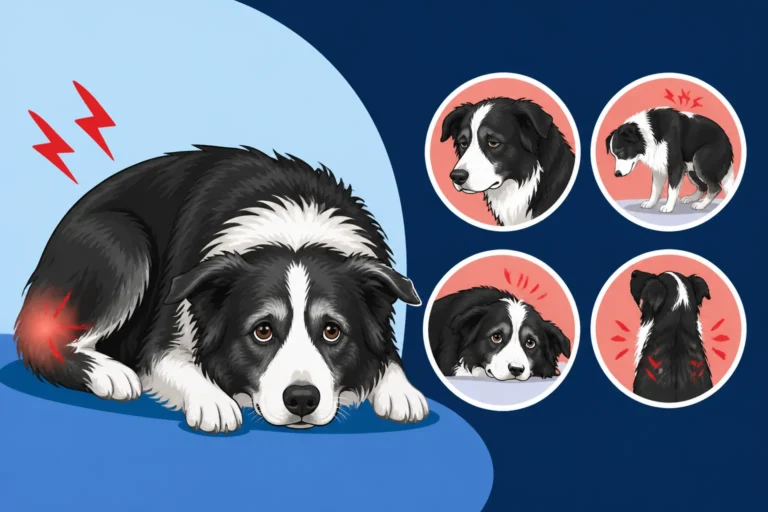
A dog with joint pain might be reluctant to jump, climb stairs, or even get up from a lying position. They might limp, have a stiff gait, or vocalize when touched in certain areas. It’s important to differentiate these signs from metabolic slowdowns, though they can certainly coexist. For instance, a hypothyroid dog might also be arthritic, making the diagnosis more complex. Your vet might recommend X-rays or a physical exam focused on joint mobility to rule out or confirm these orthopedic problems. Managing arthritis often involves pain medication, joint supplements, physical therapy, and appropriate exercise modifications.
Other Medical Conditions to Consider
Beyond thyroid issues and joint problems, a myriad of other medical conditions can cause a Border Collie to become lethargic, lose weight, or generally slow down. These include:
- Cardiac Disease: Heart conditions, such as dilated cardiomyopathy or valvular disease, can reduce the heart's efficiency in pumping blood, leading to fatigue, reduced exercise tolerance, coughing, and even fainting.
- Kidney Disease: As dogs age, kidney function can decline. Dogs with Kidney Disease in an Older Border Collie often show signs like increased thirst and urination, loss of appetite, weight loss, and lethargy as toxins build up in their system.
- Diabetes: Similar to humans, dogs can develop diabetes, which can cause increased thirst and urination, weight loss despite a good appetite, and lethargy.
- Anemia: A low red blood cell count can lead to weakness, pale gums, and reduced energy.
- Cancer: Unfortunately, Cancer in an Older Border Collie is a reality, and various forms can cause general malaise, lethargy, weight loss, and other non-specific symptoms. Regular veterinary check-ups are vital for early detection.
- Infections or Parasites: Chronic infections (bacterial, viral, fungal) or heavy parasite infestations can drain a dog's energy and lead to a host of symptoms.
This is why a thorough diagnostic workup by your veterinarian is so critical. They will often recommend a comprehensive blood panel (including a complete blood count and chemistry profile), urinalysis, and potentially other tests like X-rays, ultrasounds, or even specialized cardiac workups, depending on the symptoms. This holistic approach ensures that no stone is left unturned in determining the true cause of your Border Collie's changes.
Mental Enrichment and Behavioral Factors
Sometimes, the "slowing down" isn't strictly medical in origin, but behavioral. Border Collies are renowned for their intelligence and intense need for mental stimulation. If they aren't getting enough appropriate outlets for their minds, they can become bored, frustrated, and even depressed, which can manifest as lethargy or a general lack of enthusiasm. It might look like they're slowing down, but in reality, they're just mentally disengaged.
Simply walking a Border Collie for miles isn't always enough to satisfy their complex brains. They need puzzles, training sessions, scent work, herding practice (even if it's just big-ball herding in the yard), or other challenging activities. If their daily routine consists of lying around waiting for a short walk, they might appear "slow" when in fact they're simply understimulated. It's not uncommon for owners to mistakenly believe their Border Collie needs less exercise as they age, when in fact, they still need significant mental engagement, just perhaps in a less physically demanding way. Reassessing What a Border Collie Does With Its Whole Day and introducing new forms of enrichment, like advanced trick training or canine sports adapted for older dogs, can often reignite their spark. This ties directly into why Exercise, Work and What Actually Settles a Border Collie involves so much more than just physical exertion.
Living Your Best Life with a Hypothyroid Border Collie
Getting a diagnosis of hypothyroidism is a pivotal moment, but it's really just the beginning of a new chapter where you actively manage your Border Collie's health. With proper care, they can absolutely continue to live a full, happy, and active life.
Maintaining an Optimal Lifestyle
The key to a thriving hypothyroid Border Collie lies in consistency and attention to detail.
- Consistent Medication: This is non-negotiable. Administer levothyroxine precisely as prescribed by your vet, at the same times each day, and according to instructions regarding food and other medications. Missing doses or giving them erratically will hinder their progress.
- Regular Veterinary Checks: Adhere to the follow-up blood tests as recommended by your vet. These aren't just for adjusting dosage initially but for long-term monitoring. Regular annual check-ups, including Yearly Bloodwork for a Border Collie, are crucial to catch any other developing health issues early and ensure the thyroid medication dosage remains optimal.
- Appropriate Diet and Weight Management: Hypothyroidism can make weight gain easier, so ensure your Border Collie is on a high-quality, balanced diet suitable for their age and activity level. Work with your vet to maintain an ideal body condition score, which is vital for their overall health and joint longevity.
- Continued Mental and Physical Exercise: Even with balanced thyroid hormones, a Border Collie still needs mental and physical engagement. While their maximum intensity might naturally temper with age, they still thrive on activity. Tailor their exercise to their individual capabilities, focusing on mental challenges like puzzle toys, training new tricks, or scent work, alongside walks and play sessions. If they have co-existing conditions like arthritis, adjust activities to be joint-friendly.
Investing in a good pet insurance plan from a provider like Healthy Paws can truly ease the financial burden of managing chronic conditions. The cost of lifelong medication and regular blood tests can add up, and having coverage for these expenses allows you to focus solely on your dog's well-being without stressing over the bills.
Advocating for Your Dog at the Vet
You know your Border Collie better than anyone. You see their subtle cues, their daily routines, and their personality shifts. Because of this, you are their best advocate. Don't be afraid to come to your vet appointments prepared with a list of all the symptoms you've observed, even if they seem minor or unrelated. Keep a journal of changes in energy, appetite, coat quality, and behavior.
Ask questions about the diagnostic process, treatment options, and what to expect. If you're unsure about anything, seek clarification. For instance, if you’re concerned about The Age a Border Collie Starts to Slow, discuss it with your vet, alongside any specific behaviors you’ve noticed. A good veterinarian will appreciate your attentiveness and willingness to be an active participant in your dog's health journey. Together, you and your vet form a team dedicated to helping your Border Collie live the longest, happiest, and most vibrant life possible.
Disclaimer
The information provided in this article is for general informational purposes only and is not a substitute for professional veterinary advice, diagnosis, or treatment. Always seek the advice of your veterinarian or other qualified animal health provider with any questions you may have regarding a medical condition. Never disregard professional veterinary advice or delay in seeking it because of something you have read in this article.