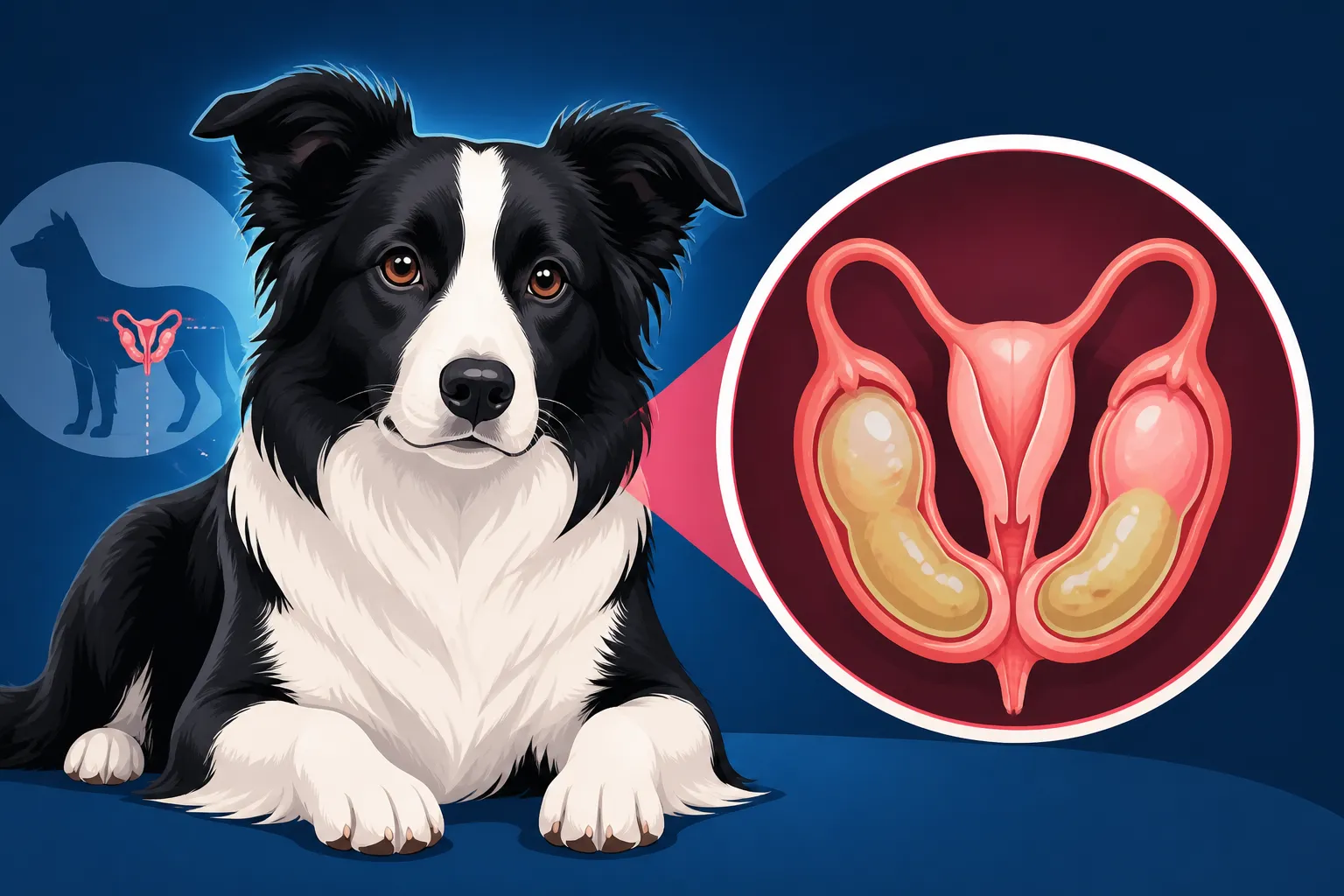
Pyometra in an Unspayed Border Collie
It’s a deeply worrying moment for any Border Collie owner, especially those with unspayed females, when your usually vibrant, intelligent dog starts to seem… off. You notice she’s a bit lethargic, perhaps drinking more water than usual, and suddenly, you’re plunged into a frantic search for answers. Pyometra, a severe uterine infection, is often the silent culprit behind these vague symptoms, and it's a condition that demands immediate attention. This guide is here to walk you through what pyometra is, how to recognize its signs, and why quick action is absolutely crucial for your beloved Border Collie.
Understanding Pyometra: A Silent Threat to Unspayed Females
Pyometra is essentially a bacterial infection of the uterus, leading to an accumulation of pus. It exclusively affects unspayed female dogs, typically within weeks or months after an estrus cycle (heat). It's a progressive and often life-threatening condition that, if left untreated, can lead to sepsis, kidney failure, and ultimately, death. For a breed as active and resilient as the Border Collie, whose working life can extend well into their senior years, maintaining reproductive health is paramount.
The Hormonal Rollercoaster and Bacterial Invasion
The root cause of pyometra lies in the hormonal changes an unspayed female experiences after going through a heat cycle. Following estrus, the hormone progesterone remains elevated for several weeks, causing the uterine lining to thicken and become glandular. This creates a perfect, nutrient-rich environment for bacteria, which can ascend from the vagina into the uterus.
Most commonly, the culprit is E. coli, a bacterium naturally found in the digestive tract and feces. If the cervix, which is usually tightly closed, relaxes even slightly during this period, bacteria can easily gain entry. Once inside, with the thickened, progesterone-primed uterine lining, the bacteria multiply rapidly, leading to infection and pus accumulation. It’s a cruel twist of nature that a normal physiological process can pave the way for such a dangerous condition.
Open vs. Closed Pyometra: Why Early Detection is Key
Pyometra can manifest in two forms: "open" or "closed," and understanding the difference is vital for early detection, as the symptoms can vary dramatically.
Open Pyometra:
With open pyometra, the cervix remains at least partially open, allowing the pus and discharge from the infected uterus to drain out through the vulva. This often presents as a thick, foul-smelling, bloody, brown, or yellow-green discharge. While the sight of discharge is alarming, it actually allows some of the toxins to leave the body, sometimes leading to less severe systemic illness initially. However, it’s still a serious infection requiring urgent veterinary care. The visible discharge can be a blessing in disguise, prompting owners to seek help sooner.
Closed Pyometra:
This is the more dangerous form and, unfortunately, often harder to detect in its early stages. In closed pyometra, the cervix is completely sealed, trapping all the pus and toxins within the uterus. This means there's no visible discharge. The uterus continues to fill, stretching to an incredible size, and the toxins are absorbed directly into the bloodstream. This leads to rapid onset of severe systemic illness, including fever, extreme lethargy, vomiting, and profound dehydration. Because there's no outward sign of infection, owners might mistakenly attribute the symptoms to something less serious, delaying critical treatment. The internal pressure and toxicity can cause the uterus to rupture, spilling infection into the abdominal cavity, which is almost always fatal. This is why awareness is so crucial, especially for breeds known for their stoicism, like our Border Collies.
Recognizing the Subtle and Obvious Signs of Pyometra
One of the biggest challenges with pyometra is that the early signs can be incredibly subtle, easily mistaken for general malaise or just an "off day." Our Border Collies, being naturally driven and often stoic about pain, might mask their discomfort until the infection is quite advanced. This makes it imperative for owners to be vigilant and know what to look for, especially in the weeks and months following a heat cycle.
Behavioral Changes That Signal Trouble
Before any physical symptoms become obvious, you might notice changes in your Border Collie's behavior. She might seem less enthusiastic about her usual activities – that ball that always got her excited now just sits there, or her eagerness to herd has dwindled. This can be heartbreaking for owners who cherish their dog's boundless energy and sharp mind.
Look for a general decrease in energy levels or an unusual sluggishness. She might be less playful, more withdrawn, or reluctant to engage in walks or training sessions. You might also observe an increased need to rest or sleep. Sometimes, a Border Collie might show restlessness, struggling to get comfortable, or displaying discomfort when touched around her abdomen. This subtle shift from her normal, high-drive self should be a red flag, prompting closer observation. Many owners regret not having noticed these early signs, chalking it up to a tiring day, only to realize later it was the onset of something much more serious.
Physical Symptoms to Watch For
As the infection progresses, more overt physical signs will start to appear. These are symptoms that absolutely warrant an immediate trip to the veterinarian.
Increased Thirst and Urination (Polydipsia/Polyuria): This is one of the most common signs, present in both open and closed pyometra. The toxins produced by the bacteria affect kidney function, causing dogs to drink excessive amounts of water and, consequently, urinate more frequently. You might find yourself refilling her water bowl more often, or notice more frequent requests to go outside.
Vaginal Discharge (Open Pyometra Only): As mentioned, this is the hallmark of open pyometra. The discharge can vary in color from reddish-brown to yellow-green, and is often thick and foul-smelling. Don't mistake it for a normal post-heat discharge, which should be clear or light and odorless. Any pus-like, discolored, or malodorous discharge is a medical emergency.
Lethargy and Depression: Your otherwise bouncy Border Collie might become markedly subdued. She won't have her usual zest for life, her eyes might appear dull, and she may seem generally unwell. This lethargy can progress to severe weakness if the infection advances.
Vomiting and Loss of Appetite: The systemic effects of the infection often lead to nausea. Your Border Collie might refuse her food, even favorite treats, and may start vomiting. This can quickly lead to dehydration, further exacerbating her condition.
Abdominal Distension: In cases of closed pyometra, as the uterus fills with pus, her abdomen may become noticeably swollen or distended. It might feel taut or painful to the touch. This is a very serious sign, indicating a large amount of trapped infection.
Fever: While not always present, a fever (rectal temperature above 102.5°F or 39.2°C) is a common indicator of infection. If your dog feels unusually warm, it’s worth taking her temperature if you know how.
Here's a quick comparison of the two types of pyometra to help you differentiate symptoms:
| Symptom | Open Pyometra | Closed Pyometra |
|---|---|---|
| Vaginal Discharge | Present, often foul-smelling, colored (pus/blood) | Absent |
| Lethargy/Depression | Moderate to severe | Severe, rapid onset |
| Increased Thirst/Urination | Common | Very common, often pronounced |
| Vomiting/Loss of Appetite | Common | Common and often more severe |
| Abdominal Distension | Less common, or mild | Common, can be very noticeable and painful |
| Fever | Variable, can be present | More frequently present, often higher |
| Overall Illness | Can be severe, but often develops slower | Rapidly progresses to life-threatening sepsis |
It’s easy to dismiss early signs, especially in such an energetic breed, but remember that a Border Collie's drive often means they push through discomfort longer than other dogs. This is why being tuned into her normal routines and behavior is your best defense against missing crucial signs. If you notice any of these symptoms, don't wait. Early intervention is critical.
The Urgency of Diagnosis and Treatment
Once you suspect pyometra, every minute truly counts. This isn't a condition that will resolve on its own, and delaying treatment significantly increases the risk of life-threatening complications. Getting your Border Collie to the vet immediately is not just recommended, it's an absolute necessity.
What to Expect at the Vet
When you arrive at the veterinary clinic, be prepared to provide a detailed history of your dog's symptoms, including when her last heat cycle was. The vet will perform a thorough physical examination, checking for fever, abdominal pain, and any signs of discharge.
Diagnostic Steps:
- Bloodwork: A complete blood count (CBC) will often show an elevated white blood cell count, indicating infection. Blood chemistry may reveal signs of dehydration or kidney issues caused by the toxins.
- X-rays: Abdominal X-rays can often reveal an enlarged, fluid-filled uterus, especially in cases of closed pyometra where the uterus can be significantly distended.
- Ultrasound: An abdominal ultrasound is usually the most definitive diagnostic tool. It allows the veterinarian to clearly visualize the uterus, identify the presence of pus, and assess the thickness of the uterine wall. This is crucial for confirming the diagnosis and ruling out other conditions.
The diagnostic process is usually quite swift once pyometra is suspected. The goal is to confirm the condition quickly so treatment can begin without delay. For owners, this can be an incredibly stressful time, but knowing the steps helps prepare you for what's ahead.
Treatment Options: When Surgery is Essential
For most cases of pyometra, particularly closed pyometra, the definitive and safest treatment is an emergency ovariohysterectomy, which is essentially a spay operation.
Emergency Ovariohysterectomy:
This surgical procedure involves removing the infected uterus and ovaries. It is performed under general anesthesia and is much more complex than a routine spay. The infected uterus can be fragile and enlarged, making the surgery technically challenging and carrying a higher risk of complications, such as rupture of the uterus, which could lead to widespread abdominal infection (peritonitis). However, it is the most effective way to eliminate the infection and prevent recurrence.
Recovery from an emergency pyometra spay typically involves a hospital stay, intravenous fluids, antibiotics, and pain management. Your Border Collie will need careful monitoring, and you'll need to follow post-operative care instructions meticulously, including restricting activity during the healing process. While the cost of emergency surgery can be substantial, making pet insurance from companies like Healthy Paws a wise consideration, it is truly life-saving. Many owners find that plans from providers like Healthy Paws help manage these unexpected, critical veterinary expenses.
Medical Management:
In very specific, rare circumstances, if the dog is an invaluable breeding animal and the pyometra is open and mild, medical management with prostaglandins might be considered. This treatment aims to open the cervix, expel the pus, and kill the bacteria. However, it carries significant risks, including incomplete uterine emptying, uterine rupture, and high recurrence rates. It's also not suitable for closed pyometra, as the trapped pus would have nowhere to go. Medical management is rarely recommended and only attempted under strict veterinary guidance, with the full understanding of the associated risks, often with the recognition that surgery is still the most reliable solution.
The decision for treatment is almost always made with the urgency of saving your dog's life. Trust your vet's recommendation; they are guiding you toward the best chance of survival and recovery for your beloved Border Collie.
Prevention is Always Better: Spaying Your Border Collie
While emergency surgery can save a Border Collie's life, the best treatment for pyometra is to prevent it from ever happening. For most pet owners, this means spaying their female Border Collie. It's a routine procedure with numerous health benefits that far outweigh the risks of keeping an unspayed female.
The Overwhelming Benefits of Spaying
Spaying, or ovariohysterectomy, removes both the ovaries and the uterus, eliminating the possibility of pyometra entirely. Once spayed, your Border Collie will never experience heat cycles, significantly reducing certain behavioral challenges, such as attracting intact males or the stress of managing a dog in heat.
Beyond pyometra, spaying offers several other crucial health benefits:
- Elimination of Mammary Cancer Risk: Spaying before the first heat cycle almost completely eliminates the risk of mammary (breast) cancer, a common and aggressive cancer in intact female dogs. Each subsequent heat cycle increases this risk.
- Prevention of Ovarian and Uterine Cancers: With the removal of these organs, your Border Collie can't develop cancers associated with them.
- Prevention of Unwanted Pregnancies: This is perhaps the most obvious benefit, but it's important for preventing the strain on rescue organizations and reducing the number of homeless dogs.
While some owners worry about the impact of spaying on a Border Collie's drive or energy, particularly those involved in demanding sports or work, the procedure itself doesn't typically alter a dog's fundamental personality or work ethic. Many highly successful working and sport Border Collies are spayed. Concerns about joint health and early spaying are sometimes raised; it's a topic worth discussing with your veterinarian to determine the optimal timing for your individual dog, especially if she's a rapidly growing puppy. For more information on this, you might find our article on Spaying a Border Collie Early and Its Joints helpful.
When to Consider Spaying
The optimal age for spaying a Border Collie is a conversation to have with your veterinarian, taking into account your dog's individual health, breed-specific considerations, and your lifestyle. Traditionally, many vets recommend spaying around six months of age, before the first heat cycle, to gain the maximum benefit in preventing mammary cancer.
However, recent research has explored the potential implications of early spaying on musculoskeletal development, particularly in larger breeds or active working dogs. Some owners and vets now advocate for waiting until a Border Collie is more mature, perhaps after her first heat cycle or closer to 12-18 months of age, to allow for full growth plate closure. This decision should be made collaboratively with your vet, weighing the benefits of preventing pyometra and cancer against any potential, albeit smaller, risks associated with timing. Regardless of the exact timing, integrating a spay into your Border Collie's care plan, alongside yearly bloodwork for a Border Collie and regular preventative health checks, is a cornerstone of responsible ownership. This proactive approach ensures a healthier, happier, and potentially longer life for your canine companion, adding to how long a Border Collie lives.
It's a big decision, but for the vast majority of Border Collie owners who aren't planning to ethically breed their dogs, spaying is the most responsible and loving choice to protect them from pyometra and a host of other health problems. The peace of mind alone is invaluable, knowing you've removed a potentially deadly threat from your dog's future. For those concerned about potential costs of unforeseen health issues, exploring pet insurance options from a trusted provider like Healthy Paws can provide a financial safety net for significant events like emergency surgeries or chronic conditions.
Living with an Unspayed Border Collie: A Note of Caution
If you've made the conscious decision to keep your Border Collie unspayed, perhaps for breeding purposes, you take on a significant responsibility for vigilance. You must be intimately familiar with her heat cycles and monitor her health meticulously in the weeks and months following each one. This includes maintaining excellent hygiene, especially around her vulva, and being hyper-aware of any changes in behavior or physical symptoms.
You'll need a very close relationship with your veterinarian, ensuring regular check-ups and being prepared for potential emergencies. Remember that even with the best care, pyometra can still strike. It's a constant, underlying risk. If you are serious about breeding, understanding the genetic panel for Border Collies and the various health screenings is crucial, but it doesn't negate the risk of pyometra itself. The commitment to an unspayed female requires a deep understanding of her reproductive health and an unwavering dedication to her welfare. Ultimately, the decision rests with you, but always prioritize your Border Collie's health and longevity.
Disclaimer
This article is intended for informational purposes only and does not constitute veterinary advice. If you suspect your Border Collie has pyometra or any other medical condition, please consult a qualified veterinarian immediately. Prompt veterinary attention is crucial for the successful treatment of pyometra.