What a Border Collie Rescue Charges and Screens For
Bringing a Border Collie into your life, especially through rescue, is a profoundly rewarding experience, but it often comes with a unique set of questions and expectations. Many prospective adopters feel overwhelmed by the process, wondering about the costs involved and the depth of scrutiny they might face. This guide aims to demystify what a Border Collie rescue charges and the comprehensive screening processes they undertake to ensure a perfect, lifelong match for these intelligent and active dogs.
Understanding the Mission and Ethos of Border Collie Rescues
Before diving into the specifics of fees and applications, it’s essential to grasp the core philosophy behind Border Collie rescues. These organizations aren't just kennels; they are dedicated networks of volunteers, foster homes, and passionate advocates committed to finding the absolute best possible futures for Border Collies in need. They often step in when a Border Collie is surrendered because a family could not keep up with its demands, or when a dog has been abandoned or neglected. Their mission is rooted in understanding the breed's unique needs and temperament, and every step of their process reflects that deep commitment.
Why Rescues Prioritize Compatibility Over Quick Placement
It's easy to fall in love with a Border Collie's intelligent eyes and boundless energy, but rescue organizations know that these traits, if misunderstood, are often the very reasons these dogs end up in rescue in the first place. Their priority isn't just to move dogs out quickly, but to ensure that each dog finds a home where its specific personality, energy levels, and quirks are not just tolerated, but celebrated and properly managed. This means they are looking for a true partnership between dog and owner. They've seen firsthand the heartbreak when a mismatch occurs, leading to a dog being surrendered again, sometimes multiple times. This is why their screening might feel rigorous – it's born from experience and a profound care for the dogs' well-being. They want to prevent scenarios like Rehoming the Border Collie a Family Could Not Keep Up With, ensuring the dog's next home is its forever home.
They are often dealing with dogs that might have complex histories, from those surrendered at eighteen months because they were "too much dog" to those who have never known a stable home. The goal is to set both dog and adopter up for success, which means being transparent about a dog's needs and diligently vetting potential homes. They understand that a home might be perfect for one Border Collie but entirely unsuitable for another, given the breed's wide spectrum of personalities and histories, even within working lines.
The Types of Border Collies You'll Find in Rescue
When you start looking at rescue organizations, you might be surprised by the sheer variety of Border Collies available. You won't just find puppies; in fact, mature dogs often make up a significant portion of rescue populations. These dogs range from young adults who were simply too much for their previous families – perhaps exhibiting typical Border Collie behaviors like intense herding instincts, shadow chasing, or high anxiety if under-exercised – to older dogs whose owners have passed away or who are facing health challenges. You might encounter working lines who failed on stock, or pet lines whose owners underestimated their need for mental and physical engagement beyond a simple walk.
Many rescues will have dogs of all ages, temperaments, and even coat types, from the classic black and white rough-coated dogs to smooth-coated varieties and various color patterns. Some dogs come with impeccable manners, while others require significant behavioral rehabilitation. For example, some may need help with their house training, or they might have never been properly socialized. Rescues often have dogs with known quirks, such as being fearful of strangers or having high prey drive, and they work hard to understand these traits through foster care before placement. You might find a dog who was The Border Collie Surrendered at Eighteen Months due to a lack of understanding of its needs, or an older dog looking for a quieter, yet still engaging, retirement home. The diversity truly reflects the challenges and triumphs of living with this incredible breed.
The Adoption Fee: More Than Just a Price Tag
When you adopt from a reputable Border Collie rescue, you'll be asked to pay an adoption fee. This isn't a purchase price; rather, it's a contribution that helps the rescue cover the extensive costs associated with taking in, rehabilitating, and caring for the dogs. It’s important to see this fee not as a profit-making venture, but as a critical component that allows the rescue to continue its life-saving work. These organizations operate on thin margins, often relying heavily on donations and volunteer efforts.
What the Standard Adoption Fee Covers
A typical Border Collie adoption fee covers a significant amount of veterinary care and other necessities that the rescue has already invested in your future companion. This generally includes:
- Spay/Neuter Surgery: Almost all rescues ensure that dogs are spayed or neutered before adoption, preventing further unwanted litters and often improving certain behavioral traits.
- Vaccinations: Dogs will be up-to-date on core vaccinations (rabies, distemper, parvovirus, etc.), protecting them and the community from preventable diseases.
- Microchipping: This vital service ensures that if your dog ever gets lost, it has a much higher chance of being reunited with you.
- Parasite Treatment: Flea, tick, and heartworm preventative treatments are standard, as well as deworming.
- Veterinary Examination: Each dog receives a thorough health check by a veterinarian, addressing any immediate concerns.
- Basic Supplies: Often, the dog will come with a leash, collar, and perhaps some food to help with the transition.
Beyond these tangible items, the fee also contributes to the less visible costs: emergency medical treatments, specialized behavioral training, food, transport, and the general overhead of running a rescue operation. This can include anything from paying for an urgent surgery to funding a foster home's expenses for a dog undergoing rehabilitation. It’s an investment in the dog's past, present, and future well-being.
Why Fees Can Vary for Different Dogs
You might notice that adoption fees aren't always a flat rate across the board. Rescues often have a sliding scale, and there are several reasons for this variation. Puppies and highly sought-after younger dogs, for instance, might have slightly higher fees. This isn't because they're 'worth more,' but because their fees help subsidize the care of older, sicker, or less adoptable dogs who may require more extensive and costly medical attention. A puppy might have only needed routine vaccinations and a spay/neuter, while an older dog could have required dental work, extensive blood panels, or even specialized surgery.
Conversely, senior dogs or those with chronic health issues might have reduced adoption fees, or even be part of a "fospice" (foster + hospice) program where the rescue continues to cover medical costs. Dogs with behavioral challenges that require ongoing training might also see adjusted fees. The goal is always to find the right home, and sometimes lowering the financial barrier for a specific dog helps achieve that. When you see a higher fee for a younger, healthier dog, understand that it often directly enables the rescue to save another dog with greater needs.
Comparing Rescue Fees to Breeder Costs
It’s natural to compare the cost of adopting a Border Collie from a rescue to purchasing one from a breeder. While rescue fees cover pre-adoption medical care, the initial outlay from a breeder can seem higher, covering things like stud fees, prenatal care for the mother, and initial puppy vaccinations. However, with a breeder, you're also often paying for a specific pedigree, predictable lineage, and usually a puppy with a known genetic history. Yet, even with a breeder, a puppy should arrive with Papers a Border Collie Puppy Should Arrive With and certain health guarantees, which are factored into the purchase price.
The true value of a rescue dog's fee, however, lies in the known health status and initial vetting. A rescue Border Collie, having already received its initial vet care, microchip, and spay/neuter, often comes with a significant portion of those initial "new puppy" expenses already handled. This can be a huge relief, as these early costs can quickly add up. Consider the unforeseen costs of a The Untested Border Collie That Costs You at Four, which can be substantial if you buy from an irresponsible breeder. By contrast, a rescue often includes comprehensive veterinary evaluation as part of its process, giving you a clearer picture of your new dog's health from day one. You'll still need to budget for ongoing care, of course, and considering The Annual Border Collie Budget Nobody Plans For is always wise, no matter where your dog comes from.
Comprehensive Screening: Protecting Both Dog and Adopter
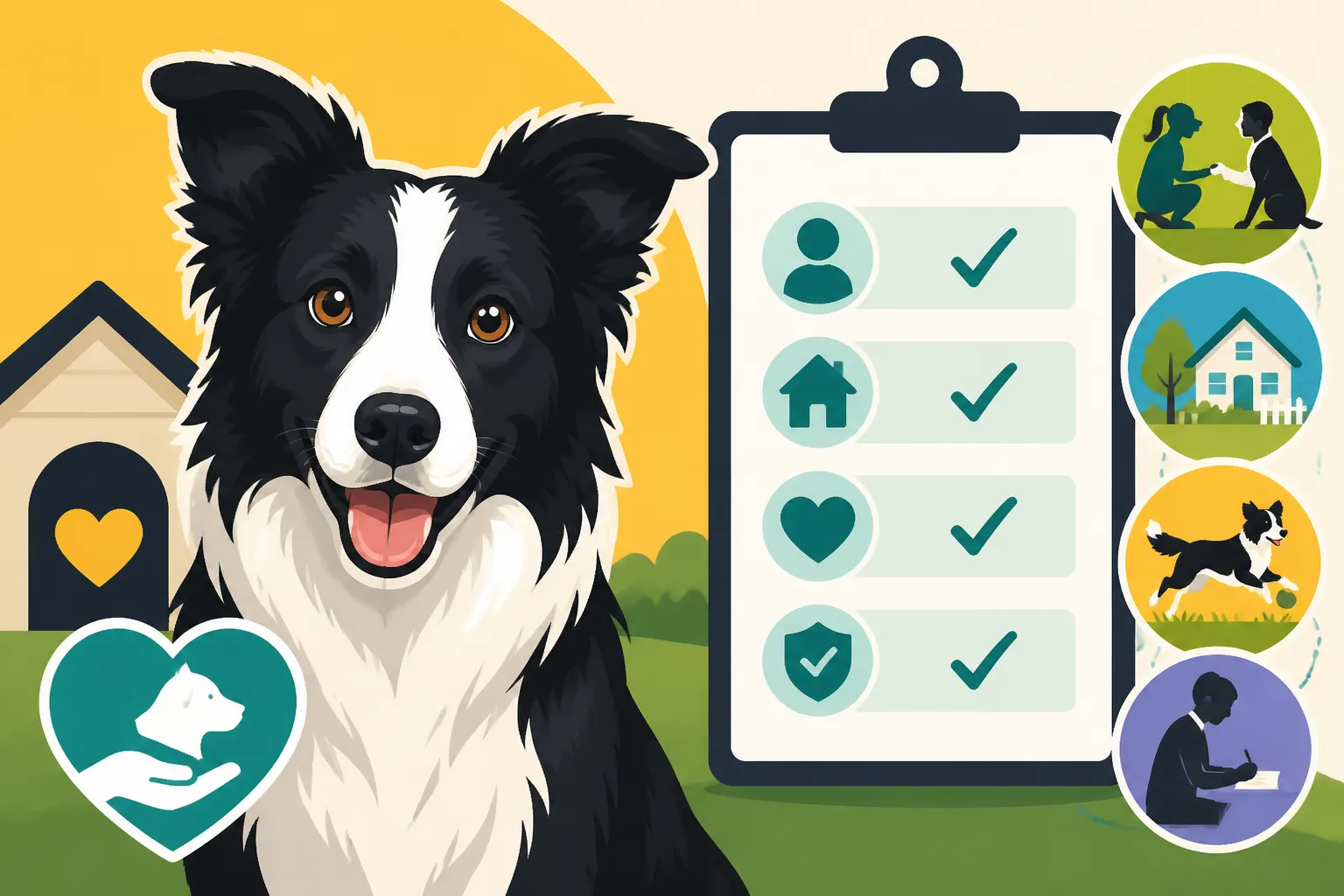
Reputable Border Collie rescues employ a thorough screening process for potential adopters. This isn't meant to be intimidating; rather, it’s a detailed, multi-step approach designed to ensure that each dog is placed in a stable, suitable, and loving environment, and that adopters are fully prepared for the commitment of owning a Border Collie. This diligence helps prevent mismatches and ensures the welfare of these intelligent and often demanding dogs.
The Initial Application: Your First Step
The journey to adopting a rescue Border Collie almost always begins with a detailed application form. This isn't just a basic questionnaire; it's designed to gather comprehensive information about your lifestyle, living situation, and experience with dogs, especially high-energy breeds like Border Collies. Expect questions about:
- Your Home Environment: Do you own or rent? If renting, can you provide landlord approval? What kind of yard do you have, and how is it secured? (They'll be very interested in Fencing a Yard a Border Collie Cannot Leave!)
- Household Members: Who lives in your home? Are there children, and if so, their ages and experience with dogs? Are there other pets, and how do they interact with new animals?
- Your Lifestyle: What are your working hours? How much time will the dog spend alone? What are your plans for exercise and mental stimulation for a Border Collie?
- Dog Experience: Have you owned Border Collies or similar breeds before? What challenges have you faced, and how did you address them?
- Expectations: What are you looking for in a dog? What do you envision a typical day looking like with your new Border Collie?
Be honest and thorough in your answers. This initial application forms the foundation of the rescue's understanding of you as a potential adopter. It helps them identify if you're a good fit for the breed in general, and then helps them match you with a specific dog whose needs align with what you can offer.
Veterinary References and Personal Checks
Beyond the application, rescues almost universally require veterinary references for anyone who has previously owned a pet. This is a crucial step to verify responsible pet ownership habits. They will typically call your current or former veterinarian to confirm:
- Regular Veterinary Care: That your past pets received annual check-ups, vaccinations, and appropriate preventative care.
- Spay/Neuter History: That previous pets were spayed or neutered.
- Timely Treatment: That you sought veterinary attention when pets were ill or injured.
If you don't have a current vet, or haven't owned a pet before, rescues will often ask for personal references instead. These individuals should be able to speak to your character, reliability, and your commitment to caring for a pet. They aren't looking for perfection, but rather a consistent history of providing good care. For instance, if you mention using services like Healthy Paws for pet insurance or Chewy for regular food deliveries, this can sometimes illustrate your commitment to responsible pet care, though directly citing companies is not the main goal of these checks. It's about demonstrating your ability and willingness to provide continuous, high-quality care. This step helps rescues avoid situations where dogs might end up neglected again.
Understanding Behavioral Questionnaires
Many Border Collie rescues go a step further with behavioral questionnaires, especially given the breed's intensity. These questions delve into your understanding of common Border Collie traits and how you plan to manage them. For example:
- How would you handle a dog with a strong herding instinct towards children or other pets?
- What is your approach to exercise and mental enrichment beyond a simple walk around the block?
- How would you manage a dog that exhibits anxiety or separation issues?
- What is your philosophy on training methods (positive reinforcement, etc.)?
These questions are designed to gauge your realistic expectations and preparedness. They understand that most people aren't professional dog trainers, but they want to see that you've thought about these challenges and are willing to learn and adapt. Rescues are keen to educate potential owners about potential issues, for example, why Border Collies can become obsessive, or how much mental work tires a Border Collie faster than purely physical exercise. They want to avoid scenarios where a family is surprised by a Border Collie's drive and ends up having to rehome it again. Be prepared to discuss your understanding of the breed's energy levels, its need for structure, and your plans for fulfilling its intelligent mind.
The Home Visit: Ensuring a Suitable Environment
After your application and references have been processed, the rescue will typically schedule a home visit. This is often the most nerve-wracking part for prospective adopters, but it's a standard and invaluable component of the adoption process. It’s not about judging your interior decorating skills; it's about ensuring your home truly is a safe, appropriate, and stimulating environment for a Border Collie. Many people wonder Whether a Border Collie Rescue Home-Checks You – and the answer is almost always yes!
What Rescues Look For During a Home Check
During a home visit, a rescue volunteer will come to your residence to get a firsthand sense of the environment where the Border Collie will live. They are observing several key aspects:
- Safety and Security: Is your yard securely fenced? Are there any obvious escape routes or hazards? Inside, are there any dangers the dog could access?
- Space and Layout: Is there enough indoor space for a dog of this size and energy level? Where will the dog sleep, eat, and have its "down time"?
- Interaction with Family: If you have children or other pets, they'll observe how they interact with each other and discuss how introductions with the new dog will be handled.
- Dog-Proofing: Have you considered how you'll manage a curious and intelligent Border Collie in your home? They might ask about where you'll store food (perhaps from brands like Chewy or Ollie) or other tempting items.
- Realistic Expectations: The volunteer will discuss your daily routine, exercise plans, and how the dog will be integrated into family life, ensuring your expectations align with the realities of Border Collie ownership.
This is also your opportunity to ask questions, discuss any concerns, and get expert advice from someone who understands the breed. It's a two-way street designed to build confidence in the match. They might suggest adjustments, like reinforcing a gate or moving a fragile item, to better prepare for your new family member.
Addressing Specific Border Collie Needs in Your Home
Border Collies have particular requirements that rescues look for during a home visit. It's not just about having a yard, but about how that yard is used and secured. A small, insecure yard, for example, might be a red flag, especially if the dog has a history of escaping or fence-running. They'll want to ensure you have a plan for active exercise, whether it's daily runs, agility training, or regular hikes, because a Border Collie needs far more than a casual stroll. You might be asked about your plans for mental stimulation, such as puzzle toys or training sessions, which are crucial for preventing boredom and destructive behaviors.
They'll also consider if your lifestyle allows for the consistent attention and routine a Border Collie thrives on. While a Border Collie can adapt to various living situations, a rescue will want to be sure you've thought about considerations like Living With a Border Collie in an Apartment if that's your situation, and how you'll compensate for the lack of constant outdoor access. They'll look for evidence that you understand that simply having land isn't enough; active engagement is key. The rescue wants to ensure you're not just providing space, but also the mental and physical outlets essential for a Border Collie's happiness and health.
Preparing Your Home for a Border Collie's Arrival
After a successful home visit and approval, the rescue will usually provide guidance on how to prepare your home for your new Border Collie. This includes advice on safe spaces, training equipment, and establishing a routine. You’ll want to have a secure crate if you plan to crate train, appropriate toys that can withstand a Border Collie's enthusiasm (and often, destructive tendencies!), and a comfortable bed. Consider what you'll feed your new dog, perhaps exploring options from Chewy or fresh food services like Ollie.
It's also important to "dog-proof" your home, removing anything a curious or anxious Border Collie might chew on or ingest. Setting up a quiet, safe zone for the dog to decompress in during the initial days is crucial, especially if they are coming from a stressful situation like a shelter or a busy foster home. Establishing a routine for feeding, exercise, and potty breaks from day one will help your new Border Collie adjust more quickly. Remember, these dogs thrive on consistency and knowing what to expect. This preparation isn't just for the dog's comfort; it's for your peace of mind as you embark on this exciting new chapter.
Post-Adoption Support and Resources
The relationship with a reputable Border Collie rescue doesn't end when you take your new companion home. In fact, many rescues view adoption as the beginning of an ongoing partnership, offering continued support and resources to ensure a successful integration and a lifelong bond. This commitment is another reason why adopting from a rescue is such a valuable experience.
Follow-Up Checks and Ongoing Advice
Most Border Collie rescues conduct follow-up checks, either through phone calls, emails, or even another visit, to see how the dog is settling in. These checks are a chance for you to ask questions about any challenges you're facing, whether it's house-training regression, separation anxiety, or just figuring out your dog's quirks. They want to hear about both the successes and the struggles. This is particularly helpful if you've adopted a dog with a complex history, such as Adopting a Border Collie With a Bite History or one that was Adopting a Border Collie That Was Never Exercised. The rescue can offer experienced advice or put you in touch with resources tailored to your specific situation.
They are invested in the success of the adoption and are usually your first port of call for any concerns. This continuous line of communication can be incredibly reassuring, especially for first-time Border Collie owners who might feel overwhelmed by the breed's energy and intelligence. They understand that dogs, much like people, take time to adjust, and they are there to help navigate those initial weeks and months.
Training Resources and Behavioral Support
Border Collies are highly intelligent and require consistent training and mental stimulation. Recognizing this, many rescues provide or recommend training resources. This might include:
- Recommended Trainers: A list of positive reinforcement trainers in your area who understand the Border Collie breed.
- Behavioral Handouts: Information on common Border Collie behaviors, how to manage them, and tips for successful training.
- Workshops or Classes: Some rescues even host their own training workshops or partner with local facilities to offer discounted classes.
- Mentorship: Connecting you with experienced Border Collie owners or handlers who can offer practical advice and support.
This support is invaluable, especially if you find yourself struggling with a particular behavior or simply want to deepen your bond through training. They understand that The Cost of Retraining a Rescued Border Collie can add up, so they often provide guidance to help you manage initial challenges. They want to see you succeed in engaging your Border Collie's mind, perhaps through obedience, agility, or even trick training, fostering a happy, well-adjusted companion.
The Importance of a Strong Support Network
Beyond the rescue itself, building a local support network can be incredibly beneficial for Border Collie owners. This could include:
- Local Border Collie Groups: Online forums or in-person meetups where you can connect with other owners, share experiences, and get advice.
- Dog Sports Clubs: Participating in activities like agility, obedience, flyball, or herding can provide both you and your Border Collie with physical and mental outlets and connect you with like-minded individuals.
- Trusted Veterinarian: Establishing a good relationship with a vet who understands the breed's common health concerns, such as hip and elbow issues or drug sensitivities like MDR1. Considering pet insurance options from providers like Healthy Paws from early on can also provide peace of mind for unexpected vet bills.
Having this network means you have a sounding board, a source of encouragement, and access to a wealth of collective experience. Owning a Border Collie is a unique journey, and having others who understand the breed’s particular demands and joys can make all the difference. Rescues often foster these communities, knowing that a supported owner is more likely to be a successful and happy owner.
| Feature | Standard Rescue Fee Coverage | Typical Breeder Purchase |
|---|---|---|
| Spay/Neuter | Usually included | Additional cost |
| Initial Vaccinations | Usually included | Initial series often included, boosters extra |
| Microchip | Usually included | Additional cost |
| Health Check (Vet) | Comprehensive exam included | Initial puppy exam included |
| Parasite Treatment | Included (flea, tick, deworming) | Initial deworming, ongoing preventatives extra |
| Temperament Assessment | Extensive through foster care | Basic assessment (puppies) |
| Behavioral Support | Ongoing advice & resources | Limited to none |
| Known History | Often detailed history (if available) | Lineage and parent history |
| Age of Dog | Any age | Typically puppies |
| Genetic Testing | May be known if available from prior owner or rescue tests for common conditions | Parents often health tested |
Disclaimer
This article is for general informational purposes only and does not constitute professional advice. Laws, prices and regulations vary by location and change over time. Consult a qualified professional for guidance on your specific situation.