Hip and Elbow Scoring Fees for a Border Collie
It’s a heart-sinking moment when you realize your incredibly agile Border Collie, the dog that lives to run and work, might be experiencing discomfort in their joints. For such an active breed, hip and elbow dysplasia are serious concerns that can cut short a dog's working life or even impact their daily comfort. Understanding the commitment and process of getting your Border Collie screened for these genetic conditions, including the associated fees, is a crucial step for any responsible owner or prospective puppy parent. This guide will walk you through everything involved in hip and elbow scoring, from why it matters to what you can expect financially.
Understanding Hip and Elbow Dysplasia in Border Collies
Border Collies are renowned for their athleticism, intelligence, and relentless drive. They excel in demanding activities like herding, agility, flyball, and competitive obedience. This high level of physical activity, while natural for the breed, also puts significant stress on their joints, making conditions like hip and elbow dysplasia particularly impactful. These are not just "old dog" problems; they can manifest in young, active Border Collies, sometimes with devastating effects on their quality of life.
What is Hip Dysplasia and Why Does It Matter for Border Collies?
Hip dysplasia is a condition where the hip joint doesn't form correctly, leading to a loose or unstable fit between the ball (femoral head) and socket (acetabulum). Instead of smoothly gliding, the joint components rub and grind, causing deterioration over time. This can result in pain, lameness, and eventually, crippling osteoarthritis. For a Border Collie, whose very essence often revolves around powerful hindquarter drive and explosive movements, a dysplastic hip can be a literal showstopper. It can impede their ability to run, jump, turn quickly, and even comfortably lie down. Imagine a working dog struggling to gather sheep or an agility dog failing to clear hurdles—it's heartbreaking for both dog and handler. The importance of screening is paramount for breeders looking to produce sound offspring and for owners hoping for a long, active life with their canine partner.
What is Elbow Dysplasia and Its Impact?
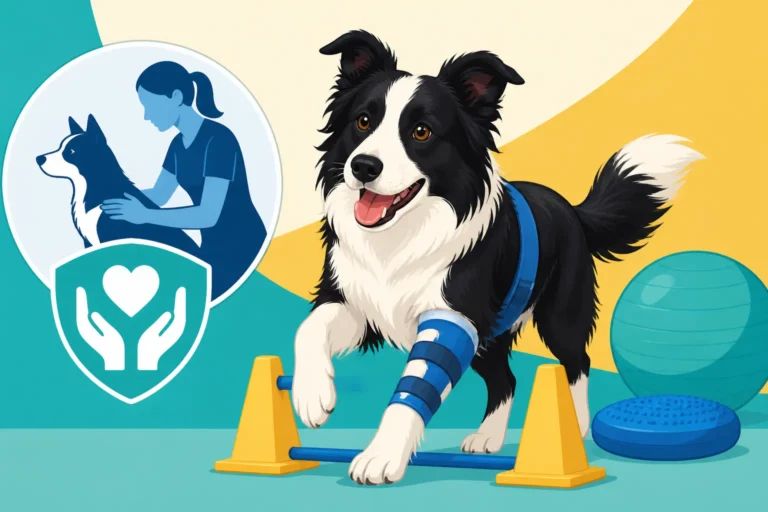
Elbow dysplasia is a more complex condition, encompassing several developmental abnormalities of the elbow joint, including ununited anconeal process (UAP), fragmented coronoid process (FCP), osteochondrosis dissecans (OCD), and incongruity. All these issues lead to an ill-fitting joint, causing pain, inflammation, and degenerative joint disease. Symptoms can appear early, often between four to twelve months of age, presenting as lameness, stiffness, or reluctance to exercise. For a Border Collie, whose forelimbs are critical for balance, propulsion, and absorbing impact during turns and jumps, elbow dysplasia can be debilitating. It can lead to a noticeable limp, difficulty with stairs, and a general reduction in their willingness to perform the vigorous activities they love. When you see a Border Collie with Elbow Dysplasia and the Border Collie Forelimb, it’s clear how much this condition can diminish their quality of life.
The Crucial Role of Genetic Screening
While environmental factors like diet and exercise play a role in how hip and elbow dysplasia manifest, the underlying predisposition is largely genetic. This is why genetic screening, specifically hip and elbow scoring, is so vital for Border Collies. It allows breeders to make informed decisions, reducing the incidence of these painful conditions in future generations. For pet owners, understanding your dog's joint health early can help you make proactive choices about their exercise regimen, diet, and potential preventive care. It’s part of a broader commitment to canine health, much like understanding The Border Collie Genetic Panel and What It Screens for other inherited diseases. Early knowledge is power, enabling you to safeguard your Border Collie's comfort and mobility for as long as possible.
The Process of Hip and Elbow Scoring
Getting your Border Collie's hips and elbows scored isn't as simple as a quick vet visit. It's a precise diagnostic procedure designed to provide accurate and objective assessments of joint conformation. This process typically involves several key stages, each requiring careful planning and execution to ensure reliable results.
Initial Vet Consultation and Preparation
Before any X-rays are taken, you'll need an initial consultation with your veterinarian. This appointment serves several purposes. Firstly, the vet will perform a thorough physical examination to assess your dog's overall health and discuss their medical history. They'll check for any existing lameness or signs of joint pain that might influence the results or the need for the procedure. This is also the time to discuss which scoring method you prefer (OFA, PennHIP, or BVA, which we'll cover later) and to understand the risks associated with sedation or anesthesia.
Your vet will likely recommend that your Border Collie fasts for a certain period before the appointment, usually 8-12 hours, to ensure their stomach is empty for sedation. This helps prevent aspiration if they become nauseous. Make sure to discuss any current medications your dog is on, as some might need to be adjusted or withheld before sedation. Choosing the right time is important too; typically, dogs are scored after their growth plates have closed, usually around two years of age for official OFA certifications, though preliminary evaluations can be done earlier. Knowing The Age a Border Collie Should Be Hip-Scored is crucial for accurate results.
The Radiography Procedure Itself
The actual hip and elbow scoring procedure involves taking specialized X-rays of your dog's joints. To get the precise positioning required for accurate evaluation, your Border Collie will need to be sedated or placed under general anesthesia. This isn't just about keeping them still; it allows the veterinary staff to manipulate their legs and hips into very specific, often uncomfortable, positions that wouldn't be possible in an awake animal. For example, hips require extension and internal rotation, while elbows need flexion and specific angles to visualize all joint surfaces.
A skilled veterinary technician or assistant, under the vet's supervision, will carefully position your dog on the X-ray table. Multiple views are typically taken for each joint to capture comprehensive images. The goal is to minimize rotation and ensure symmetry, as even slight misalignments can lead to inaccurate scoring. After the X-rays are taken, your dog will be monitored closely as they recover from the sedation. Most Border Collies are able to go home the same day, though they might be a bit groggy or unsteady for several hours. This is an uncomfortable but necessary part of getting a clear picture of their joint health.
Submission and Review by Experts
Once the X-ray images are taken, they don't just stay with your local vet. For official scoring, these radiographs are submitted to a recognized veterinary organization for expert review. In the United States, this is typically the Orthopedic Foundation for Animals (OFA) or the PennHIP program. In the UK and other regions influenced by British standards, the British Veterinary Association (BVA) Hip and Elbow Dysplasia Scheme is common.
These organizations employ a panel of board-certified veterinary radiologists who independently evaluate the images. They look for specific indicators of dysplasia, such as laxity in the hip joint, evidence of degenerative changes, or specific lesions in the elbow. Each radiologist assigns a score or grade, and these independent assessments are then compiled to provide an official, objective evaluation of your Border Collie's joint health. This multi-expert review system helps ensure consistency and impartiality, providing you with a standardized and internationally recognized assessment of your dog's hips and elbows.
Deconstructing the Costs: What You'll Pay for Scoring
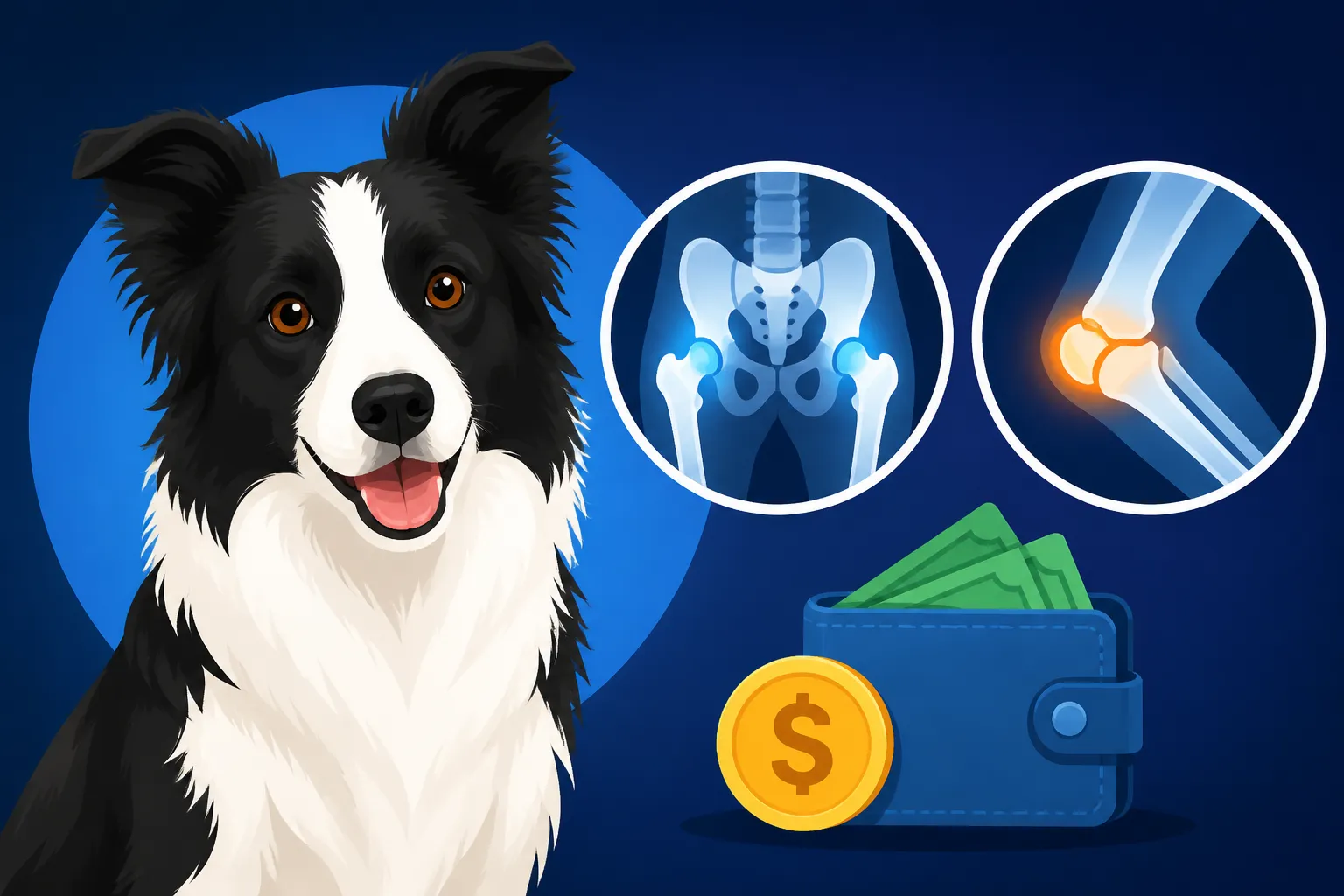
It's no secret that veterinary care can be a significant investment, and specialized procedures like hip and elbow scoring are no exception. The costs involved can vary quite a bit depending on your location, the specific veterinary clinic, and the scoring method chosen. It's important to understand the different components that contribute to the overall bill so you can budget appropriately. Many owners find it helpful to factor these kinds of diagnostic costs into their overall financial planning for their dog, alongside things like food and toys from places like Chewy, or even specialized diets from providers like Ollie that support active dogs.
Veterinary Clinic Fees for Sedation and X-rays
The largest portion of your bill will typically come from the veterinary clinic itself. This covers the professional fees for the veterinarian's time, the use of their equipment, and the drugs required for sedation or anesthesia.
- Sedation/Anesthesia: Because precise positioning is paramount, sedation or general anesthesia is almost always required. The cost will depend on your dog's weight, the specific drugs used, and the monitoring protocols in place (e.g., IV fluids, pulse oximetry, ECG). Some clinics might offer different tiers of anesthesia monitoring.
- Radiography: This includes the cost of taking the X-rays, processing the images, and the veterinary technician's time involved in positioning your dog. Multiple views are needed for a comprehensive assessment of both hips and elbows, which adds to the cost compared to a single diagnostic X-ray.
- Pre-Anesthetic Bloodwork: Your vet will almost certainly recommend pre-anesthetic blood tests to ensure your Border Collie is healthy enough to undergo sedation. This screens for underlying issues that could complicate anesthesia, such as kidney or liver disease. This is a vital safety measure.
- Pain Medication/Post-Procedure Care: While generally not a painful procedure, some dogs might receive mild pain relief or anti-inflammatories, and you'll get instructions for post-sedation care at home.
These combined veterinary fees can represent a substantial outlay, often ranging from several hundred dollars to well over a thousand, depending on the factors mentioned.
Official Registry Submission Fees (OFA, PennHIP, BVA)
Beyond the vet clinic's charges, there are separate fees associated with submitting the X-rays to the official registries for evaluation. These fees cover the administrative costs of processing your submission, the expert review by radiologists, and the issuance of official certificates.
- OFA (Orthopedic Foundation for Animals): OFA offers different fees for preliminary evaluations (done before two years of age) versus final certification (done at two years or older). The fee often covers the evaluation of both hips and elbows if submitted together. You'll also typically pay for the physical certificate itself.
- PennHIP: PennHIP is generally more expensive than OFA because its methodology involves three distinct X-ray views and requires specific training and certification for the veterinarians who perform the procedure. The fee covers the specialized analysis and the PennHIP report, which provides a distraction index (DI) to quantitatively measure hip laxity.
- BVA (British Veterinary Association): For those adhering to European standards or importing dogs, BVA scoring also involves a submission fee per dog, which covers the panel of experts' review of both hip and elbow radiographs.
These submission fees are typically separate from the vet clinic's bill and are paid directly to the respective registry. They ensure that the evaluation is performed by recognized experts and the results are recorded officially.
Potential Additional Costs (Pre-Screening, Follow-up)
It's always wise to anticipate a few additional costs that might arise:
- Preliminary X-rays: Some owners opt for preliminary hip and elbow X-rays when their Border Collie is younger (e.g., around 12-18 months), especially if they're a promising sport prospect, to get an early indication of joint health. These prelims incur veterinary fees similar to the official scoring but may have a lower or no official registry fee if they are not submitted for official certification. This is a common practice for those with Hip Dysplasia in a Border Collie That Runs All Day concerns for younger dogs.
- Repeat X-rays: In some cases, the initial X-rays might not be clear enough for an accurate evaluation, or positioning errors might occur. If this happens, your vet might recommend repeating the X-rays, which would incur additional vet fees for sedation and imaging.
- Consultation with Specialists: If the scoring reveals significant dysplasia, you might choose to consult with a veterinary orthopedic specialist for further advice on managing the condition, which would involve additional consultation fees.
- Therapeutic Treatments: In the event of a poor score, you might start your Border Collie on joint supplements, anti-inflammatory medications, or even physical therapy, all of which represent ongoing costs. This underscores the value of pet insurance, as many plans, like those offered by Healthy Paws, can help cover treatment costs for conditions not deemed pre-existing.
Choosing the Right Scoring Method
When it comes to hip and elbow scoring, you're generally faced with a choice between a few recognized methods, each with its own approach and benefits. The most common in North America are OFA and PennHIP, while the BVA scheme is prevalent in the UK and other parts of the world. Understanding the differences is key to making an informed decision for your Border Collie.
OFA vs. PennHIP: A Comparative Look
In the United States, the two primary methods for evaluating hip joint health are the Orthopedic Foundation for Animals (OFA) and the PennHIP method. They differ significantly in their approach and the information they provide.
The OFA system relies on a single, extended hip radiograph (often taken with an elbow view simultaneously) of an anesthetized or heavily sedated dog. Three independent radiologists evaluate this single image and assign a qualitative score: Excellent, Good, Fair (all considered passing), Borderline, or Mild, Moderate, or Severe Dysplasia. The OFA only certifies hips after a dog is 24 months old, though preliminary readings can be done earlier. The strength of OFA is its widespread recognition, its relatively lower cost, and its simplicity for most veterinarians to perform. What an OFA Hip Grade Means for a Border Collie can guide you on what to expect from the results.
PennHIP, developed at the University of Pennsylvania, is a more quantitative and generally considered more sensitive method for detecting hip laxity. It involves three distinct radiographs: a distraction view, a compression view, and an extended view (similar to OFA). The distraction view, in particular, measures the "distraction index" (DI), which is a numerical value indicating how loose the hip joint is. This measurement can be taken as early as 16 weeks of age, offering much earlier insight into a dog's predisposition to hip dysplasia. PennHIP requires veterinarians to undergo special training and certification to perform the procedure. While it tends to be more expensive, its ability to provide a quantitative risk assessment at a younger age is a significant advantage for breeders and owners who want the earliest possible data.
| Feature | OFA (Orthopedic Foundation for Animals) | PennHIP |
|---|---|---|
| Methodology | Qualitative evaluation of a single extended hip radiograph. | Quantitative evaluation using three radiographs (distraction, compression, extended). |
| Assessment | Graded as Excellent, Good, Fair, Borderline, Mild, Moderate, Severe. | Distraction Index (DI) numerical score for laxity, compared to breed average. |
| Minimum Age | 24 months for final certification (prelims earlier). | 16 weeks of age. |
| Cost | Generally lower veterinary and submission fees. | Generally higher veterinary and submission fees, requires certified vet. |
| Information | Provides a grade for soundness. | Provides a quantifiable risk assessment for hip laxity. |
| Acceptance | Widely recognized by breeders and breed clubs. | Increasingly recognized for its predictive power, particularly for breeders. |
Understanding BVA Scoring for European Lines
If you've imported a Border Collie from the UK or Europe, or if you're a breeder working with lines from those regions, you'll likely encounter the British Veterinary Association (BVA) Hip and Elbow Dysplasia Scheme. This system uses a different scoring methodology than OFA or PennHIP.
For hip scoring under the BVA scheme, radiologists examine nine specific features of each hip, assigning a score from 0 to 6 for each feature. The scores for both hips are then added together to give a total hip score, ranging from 0 to 106 (0 being the best, 106 being the worst). Each breed has an established "breed mean score," and a dog's score is assessed relative to this mean. The lower the score, the better.
For elbow scoring, each elbow is graded on a scale of 0 to 3, where 0 is clear of dysplasia and 3 indicates severe dysplasia. Only the highest score for either elbow is recorded as the dog's overall elbow grade. A score of 0 is ideal. The BVA system is highly respected internationally and provides a detailed breakdown of joint quality, making it a valuable tool for breeders aiming to reduce the incidence of dysplasia in their lines.
Making an Informed Decision for Your Border Collie
Choosing the right scoring method depends on your goals. For breeders, especially those looking for the earliest possible indicators or wanting to use quantitative data for breeding decisions, PennHIP might offer a more comprehensive and predictive assessment, despite its higher cost. For pet owners who simply want to confirm their dog's soundness for an active life and get an official "pass" or "fail," OFA might be sufficient and more budget-friendly.
If you're unsure, discuss the pros and cons of each method thoroughly with your veterinarian. Consider their experience with each procedure and which one they feel would provide the most relevant information for your individual Border Collie and your specific needs. Regardless of the method chosen, the act of getting your dog scored is a testament to responsible ownership and a commitment to their long-term health and well-being. It's a proactive step that can lead to fewer surprises down the road, and helps ensure your athletic companion can continue to enjoy activities without undue pain, as detailed in articles like Hip Dysplasia in a Border Collie That Runs All Day.
The Value Beyond the Dollar: Why These Scores Are Worth It
Looking at the figures for hip and elbow scoring can feel daunting, and it's easy to wonder if the investment is truly justified. However, for a breed as active and prone to joint issues as the Border Collie, the value of these scores extends far beyond the immediate financial outlay. It's an investment in their future, your peace of mind, and the well-being of the breed as a whole.
Informed Breeding Decisions and Puppy Health
For breeders, hip and elbow scoring is not merely recommended; it's an ethical imperative. By screening prospective breeding stock, breeders gain critical information about the genetic predisposition their dogs carry. This allows them to make informed choices, pairing dogs with excellent joint health to significantly reduce the likelihood of producing puppies afflicted with dysplasia. Without this screening, breeders are essentially guessing, and the consequences can be devastating for the puppies and their future families.
Think of it this way: a responsible breeder aiming to produce healthy Border Collie puppies would never skip genetic tests for conditions like Collie Eye Anomaly (CEA) or Trapped Neutrophil Syndrome (TNS). Hip and elbow scoring falls into the same category of essential health clearances. A breeder who can show you official, passing scores for their breeding dogs is demonstrating a commitment to health and transparency. This means you, as a puppy buyer, have a much higher chance of bringing home a sound puppy, reducing your future vet bills and emotional distress. You can always ask a Border Collie breeder for test results, and they should be proud to share them.
Proactive Health Management for Your Own Dog
Even if you have no plans to breed your Border Collie, knowing their hip and elbow status is invaluable for proactive health management. If your dog scores well, it gives you confidence to pursue strenuous activities like agility or competitive herding, knowing their joints are structurally sound. Of course, you’ll still want to take precautions, like appropriate warm-ups and cool-downs, and gradual conditioning.
On the other hand, if your Border Collie receives a less-than-ideal score, even "Fair" or "Borderline," it provides a crucial heads-up. This early knowledge empowers you to:
- Adjust Exercise Regimens: You might modify the intensity or type of exercise, opting for swimming or straight-line running over high-impact jumps and tight turns, helping to slow the progression of degenerative changes.
- Implement Preventive Care: Your vet might recommend joint supplements (glucosamine, chondroitin, fish oil), weight management strategies (like those you might discuss with a specialized food service such as Ollie), or specific physical therapy exercises to support joint health.
- Monitor for Symptoms: You'll be more attuned to subtle signs of pain or lameness, allowing for earlier intervention if problems arise. This proactive approach can significantly delay the onset and severity of osteoarthritis, and for a Border Collie who loves to work, this can mean a longer, more comfortable active life.
For some, knowing Whether a Pet Border Collie Needs Hip Scores can be a difficult decision, but the benefits for their long-term comfort are clear.
The Long-Term Financial and Emotional Savings
While the upfront cost of hip and elbow scoring can seem high, consider it an insurance policy against potentially far greater expenses and heartache down the road. If a Border Collie develops severe hip or elbow dysplasia later in life, the treatment costs can be astronomical.
- Medical Management: Chronic pain often requires ongoing medication, including anti-inflammatories, pain relievers, and joint-protective injections. These can add up to hundreds or even thousands of dollars annually for the rest of your dog's life.
- Surgical Interventions: Severe dysplasia may necessitate expensive surgical procedures like Femoral Head Ostectomy (FHO) or Total Hip Replacement (THR) for hips, or various arthroscopic procedures for elbows. These surgeries, plus post-operative rehabilitation, can easily run into thousands of dollars per joint. For instance, Cruciate and Shoulder Claims on a Border Collie Policy can be very expensive, highlighting the need for good insurance coverage.
- Quality of Life: Beyond the financial strain, there's the emotional toll of watching your once-vibrant Border Collie suffer from chronic pain, struggling to do the very things they were born to do. Preventing or mitigating such suffering is truly priceless.
Investing in hip and elbow scoring is a smart financial decision that can save you a fortune in future veterinary bills. More importantly, it’s an investment in your Border Collie's comfort, happiness, and ability to live a full, active life by your side. It’s part of the comprehensive care that accounts for Fourteen Years of Border Collie Bills, ensuring a lifetime of partnership and joy.
Disclaimer
This article is for general informational purposes only and does not constitute professional advice. Laws, prices and regulations vary by location and change over time. Consult a qualified professional for guidance on your specific situation.