Whether a Border Collie Rescue Home-Checks You
So, you're dreaming of bringing a Border Collie into your life, and like many, you're thinking about giving a rescue dog a second chance. It's a wonderful, compassionate choice, but then the questions start bubbling up: Will they come to my house? What are they even looking for? Is my home "good enough?" This guide is here to walk you through the often misunderstood process of home checks by Border Collie rescues, demystifying what can feel like an intimidating hurdle and helping you prepare for success.
Understanding the Rescue Process: Why Home Checks Are Standard
It’s completely normal to feel a little bit like you’re being judged when a rescue asks to come to your home. You’ve probably spent hours researching the breed, envisioning life with a smart, energetic Border Collie, and now you have to open your private space to strangers. But here’s the thing: rescue organizations aren't trying to find fault; they're trying to ensure the best possible match for a dog that has often already faced significant upheaval. Their ultimate goal is to prevent a dog from ending up back in the shelter system. Think of it less as an interrogation and more as a detailed conversation in your natural environment. They have a responsibility to the dogs in their care, and a home check is a critical part of fulfilling that responsibility. It’s their way of making sure your lifestyle and living situation align with the demanding needs of this incredible breed.
The Philosophy Behind Home Checks
The core philosophy behind a rescue home check is rooted in safeguarding the dog's future. Many of these dogs come from situations where their previous owners simply couldn't handle their intense drive, intelligence, or energy. Perhaps they were left alone for too long, leading to destructive behaviors, or maybe they just weren't getting the mental and physical stimulation a Border Collie absolutely requires. Rescues see firsthand the heartbreaking reality of dogs being Rehoming the Border Collie a Family Could Not Keep Up With. They invest significant time, money, and emotional energy into rehabilitating these dogs, addressing any health issues, and working on behavioral quirks. Because of this, they are extremely diligent about placement.
A home check allows the rescue to get a real-world sense of the environment the Border Collie will be living in. It’s about more than just checking boxes on a form; it’s about observing the nuances of your home life. Do you have a secure yard? Are there other pets or children? What's the general activity level in the house? These are all crucial factors that impact a Border Collie's ability to thrive. They want to ensure that the dog they place with you won't become just another statistic, another dog surrendered because the fit wasn't quite right. It’s a step that demonstrates their commitment to these animals’ long-term well-being, and while it might feel intrusive, it comes from a place of deep care for the dogs.
What a Rescue Agency Is Looking For
When a rescue organization performs a home check, they're typically looking at a comprehensive range of factors, all centered around the dog's safety, welfare, and potential for a happy, fulfilling life. The first thing on many minds is safety and security. They'll want to assess your fencing, if you have a yard, to ensure it's adequate for an intelligent, often athletic Border Collie who might be prone to jumping or digging. A six-foot fence is often preferred, and they'll want to see that there are no obvious escape routes or hazards. For those living in apartments, they'll be looking for plans for exercise, mental stimulation, and how the dog will get potty breaks, understanding that A Border Collie in a Third-Floor Apartment requires a different approach than one with a sprawling yard.
Beyond physical security, they'll evaluate the overall living conditions. Is the home generally clean and well-maintained? Are there obvious dangers, like exposed wires or toxic plants, that could harm a curious dog? They'll also consider the home environment in relation to the specific Border Collie you're interested in. If the dog has a history of anxiety around children, for instance, they'll want to understand how a family with young kids plans to manage that. If the dog needs significant space, they’ll want to see that your home can provide it. Ultimately, they're building a holistic picture to determine if your home can offer the consistent, safe, and stimulating environment a Border Collie needs to truly flourish. They’re essentially checking for things that might lead to a dog being The Border Collie Surrendered at Eighteen Months due to unmet needs.
What to Expect During a Border Collie Home Check
The idea of someone coming to inspect your home can feel a bit nerve-wracking, almost like an audit! But it’s really not meant to be that way. Most rescue volunteers are passionate dog people who want to help you succeed. They’re not there to judge your housekeeping skills or your interior décor. Instead, they're focused entirely on the practicalities of dog ownership and whether your environment is a good fit for a Border Collie. Knowing what to expect can significantly ease any anxiety you might feel about the process.
The Initial Contact and Pre-Screening
Before anyone even sets foot in your door, you’ll typically go through an initial application and pre-screening process. This usually involves filling out a detailed form about your living situation, your experience with dogs, your lifestyle, and why you want a Border Collie. Many rescues will also conduct a phone interview at this stage. This is their first opportunity to get a sense of who you are and whether you meet their basic requirements. They might ask about your work schedule, how many hours the dog would be alone, your plans for exercise and training, and your understanding of the breed’s specific needs. For example, they’ll want to know if you understand that Why Walking a Border Collie Is Not Enough and that they need significant mental engagement.
During this pre-screening, be honest and open. This isn't the time to embellish or minimize aspects of your life. If you live in an apartment, say so. If you work long hours, explain your plan for dog walkers or doggy daycare. Transparency builds trust with the rescue and helps them guide you towards a Border Collie that genuinely fits your circumstances, rather than one that might struggle. They may also ask for references during this phase, so be prepared to provide contact information for your veterinarian and perhaps a personal reference or two who can speak to your character and pet ownership history.
The In-Person Visit: What's Being Assessed
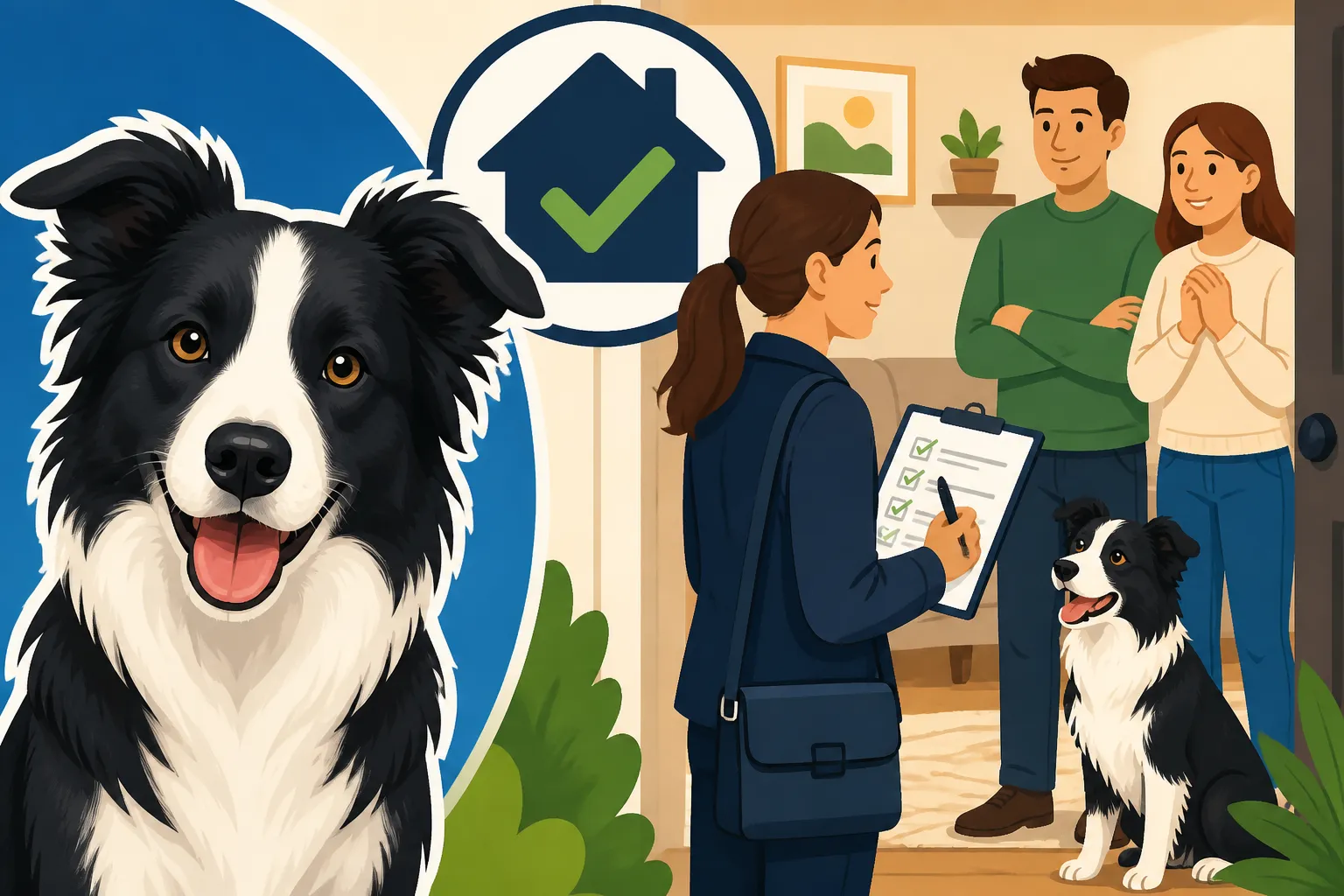
When the volunteer arrives for the in-person visit, they'll want to see the areas of your home where the dog will spend its time. This means the living spaces, the yard (if applicable), and where the dog will sleep. They’ll likely observe how secure your yard is, checking the height and condition of fences, looking for gaps, and noting any potential hazards like pools without covers or toxic plants. If you’re considering Fencing a Yard a Border Collie Cannot Leave, they’ll want to discuss your plans for installation or existing security. They’re not usually looking for a perfect show home, but rather a safe, clean, and functional environment.
Inside the home, they'll be gauging the general atmosphere. Is it calm? Is it chaotic? Again, it's about matching the dog to the home. A very shy Border Collie might struggle in a bustling, loud household, while an outgoing one might thrive. They'll also note where the dog's crate or bed will be. Is it in a quiet, safe spot? Do you have a secure kennel run if needed for a dog that destroys and replaces toys or furniture when left alone? They might talk to you about your routine, how you plan to manage the dog during the day, and what your emergency plans are. This visit is also an excellent opportunity for you to ask any lingering questions you have about the specific dog or the rescue process in general.
Common Concerns and How to Address Them
It’s natural to have concerns about a home check, and some issues come up more frequently than others. One major concern for Border Collie rescues is yard security. If your fence isn’t quite six feet high, or if there are gaps, be prepared to discuss your plans for upgrades. Perhaps you have a strong training plan for recall, or you intend to keep the dog on a long line in the yard. Transparency here is key. Another common point is how much time the dog will be alone. Border Collies are highly social and intelligent dogs who can suffer from separation anxiety or develop destructive habits if left isolated for long periods. If you work a traditional nine-to-five, have a solid plan in place – dog walker, doggy daycare, or family members who can check in – and be ready to articulate it.
| Concern | What the Rescue is Looking For | How You Can Prepare/Address It |
|---|---|---|
| Fence Security | No gaps, adequate height (often 6ft for BCs), sturdy. | Point out repairs, discuss plans for improvements, show secure gate latches. |
| Time Alone | Plans for mental/physical stimulation during absences. | Outline daily schedule, mention dog walkers/daycare, demonstrate enrichment toys (e.g., Puzzle Feeders a Border Collie Cannot Solve Twice). |
| Child/Other Pet Safety | Understanding of safe introductions, management plans. | Discuss previous experience, show secure areas for separation, explain supervision plans. |
| Home Hazards | Exposed wires, toxic plants, small chokeables, chemicals. | Secure loose items, remove dangerous plants, store cleaners safely. |
| Exercise/Enrichment | Realistic understanding of Border Collie needs. | Detail daily exercise routine, mention training classes, demonstrate knowledge of mental games (e.g., scent work). |
| Financial Preparedness | Ability to cover vet care, food, training. | Show evidence of stable income, discuss pet insurance (e.g., Healthy Paws), demonstrate responsible pet ownership. |
Don't be afraid to ask for advice! Rescues are a wealth of knowledge. If they identify a potential issue, approach it as a collaborative problem-solving session rather than a criticism. They want to help you make it work, so listen to their suggestions and be open to making adjustments if necessary. For instance, if they're concerned about a busy street near your yard, perhaps you can demonstrate how you plan to always supervise the dog when it’s outside, or even The Thirty-Foot Line a Border Collie Recall Needs you use for safe, long-distance training.
Beyond the Home Check: Other Adoption Requirements
While the home check is a significant part of the adoption process, it's typically just one piece of a larger puzzle that rescues use to ensure a successful placement. They want to gather as much information as possible to make an informed decision, minimizing the chances of a dog needing to be rehomed again. This holistic approach is why they often have several other requirements designed to assess your suitability as a Border Collie owner.
Veterinary References and Personal References
Almost every reputable rescue will ask for veterinary references, especially if you’ve owned pets before. This isn't just a formality; it's a way for them to confirm that you are a responsible pet owner who provides consistent, preventative care for your animals. They'll likely call your current or previous vet to inquire about your pets' vaccination history, spay/neuter status, and whether you sought prompt medical attention for any illnesses or injuries. They're looking for a pattern of proactive care, which is crucial for a breed like the Border Collie, known for both their incredible athleticism and potential for certain health issues like Hip and Elbow Scores in a Border Collie or Epilepsy in a Border Collie Between One and Five. Having a solid history of taking care of your pets tells the rescue that you’ll do the same for their Border Collie.
Personal references serve a different, but equally important, purpose. These are people who know you well and can speak to your character, reliability, and commitment. They might be asked about your lifestyle, how you interact with animals, or your general responsibility. Choose references who know you genuinely well, who are articulate, and who understand the commitment involved in owning a Border Collie. Perhaps they've seen you interact with other dogs, or they know how dedicated you are to your current pets. These references provide an outside perspective, helping the rescue build a more complete picture of who you are as a potential adopter.
Application Forms and Adoption Contracts
The application form is usually your very first step, a detailed document that asks about everything from your living situation and family members to your prior pet experience, work schedule, and what kind of exercise and training you plan to provide. It's extensive for a reason: Border Collies are not "beginner" dogs, and rescues want to ensure you have a realistic understanding of their needs. Be as thorough and honest as possible in your answers. Many rescues even offer a chance to purchase pet supplies through partners like Chewy, highlighting what you’ll need to set up for success, from sturdy crates to engaging toys.
The adoption contract is the final, legally binding document you'll sign if approved. This contract outlines your responsibilities as the adopter and the rescue's commitments. It typically includes clauses about providing adequate food, water, shelter, and veterinary care, agreeing to keep the dog as an indoor pet (or in secure working kennels as appropriate for a working dog), and often stipulates that if you can no longer keep the dog, it must be returned to the rescue. Some contracts might also include conditions around training requirements or specific veterinary procedures, such as finishing puppy vaccinations or getting the dog spayed/neutered if it's too young at adoption. It’s a serious document, and understanding every clause is vital. This contract is designed to protect the dog throughout its life and is a testament to the rescue’s commitment to its welfare.
The Adjustment Period and Follow-Ups
Bringing a new dog into your home, especially a rescue Border Collie who may have a history of instability or Adopting a Border Collie That Was Never Exercised, is a huge adjustment for everyone involved. Rescues understand this deeply and often provide support during this critical period. They may offer advice on settling your new dog, dealing with common behavioral issues, or integrating them with existing pets or children. Many rescues also recommend specific training resources or even provide discounted access to trainers who understand the Border Collie temperament.
It’s not uncommon for rescues to conduct follow-up checks, either by phone or sometimes even with another home visit, a few weeks or months after adoption. This isn't a sign of distrust, but rather a genuine desire to see how the dog is settling in and to offer continued support. They want to ensure that the match was indeed a good one and to help troubleshoot any challenges that might arise. This commitment to follow-up demonstrates their deep care for the dogs and reinforces their mission to find forever homes. It also provides a safety net for adopters, knowing there's a resource to turn to if unexpected issues, like The Cost of Retraining a Rescued Border Collie, crop up. They really do want to see both you and your new companion thrive.
Choosing the Right Rescue for Your Border Collie
Finding the right Border Collie rescue isn't just about finding a dog; it's about partnering with an organization that shares your values and provides excellent support. There are many rescues out there, and doing your homework is essential to ensure you're working with a reputable group that truly puts the dogs first. This partnership begins long before you even meet your potential new family member.
Reputable Rescue Organizations
When you start your search, look for rescues that specialize in Border Collies or herding breeds. These organizations will have a deep understanding of the breed's unique needs, temperament, and potential challenges. A good rescue will be transparent about their process, from application to adoption fee (What a Border Collie Rescue Charges and Screens For), and will be keen to educate you. They’ll have a thorough screening process, including home checks, vet checks, and reference checks, because they are committed to finding the best possible match. Beware of rescues that seem too eager to place a dog without asking many questions or without a robust screening process. This can be a red flag that they aren't prioritizing the dog's long-term welfare.
You’ll also want to look for rescues that provide comprehensive care for their dogs. This means all dogs are spayed or neutered, up-to-date on vaccinations, microchipped, and have received any necessary medical attention. They should also be transparent about any known behavioral issues a dog might have, such as fear of loud noises or Adopting a Border Collie With a Bite History, and provide guidance on how to manage them. For instance, many will partner with food delivery services like Ollie for nutritious meals during foster care, or recommend pet insurance like Healthy Paws for adopted dogs. A reputable rescue will want you to be fully informed about the dog’s history and needs, ensuring that you're prepared for what’s ahead.
Questions to Ask the Rescue
You're not just being vetted; you should also be vetting the rescue! Don't be shy about asking questions. This is a two-way street. Here are some key questions to consider:
- What is the dog’s history? Ask about where the dog came from, how long it's been in their care, and any known history of abuse, neglect, or behavioral issues. Be specific – if they mention it's a Why Border Collie Rescues Are Full of Teenagers, ask about the common challenges of adopting dogs at that age.
- What veterinary care has the dog received? Confirm vaccinations, spay/neuter status, microchipping, and any other medical treatments. Ask if they provide any medical records or if the dog comes Whether a Rescued Border Collie Comes Vetted.
- How does the dog behave in a foster home? Foster parents can provide invaluable insights into a dog's true personality, its quirks, its energy levels, and how it interacts with people, children, and other pets. Ask about its house training, leash manners, and any Whether Border Collies Are More Noise-Sensitive issues.
- What kind of support do you offer post-adoption? Do they have a behavioral hotline? Can they recommend trainers experienced with Border Collies? What happens if the adoption doesn't work out?
- What is your policy on returns? A good rescue will always take a dog back if the placement doesn't work, rather than having the dog end up in another shelter.
Asking these questions demonstrates your commitment and helps you find a rescue that aligns with your expectations. It empowers you to make an informed decision and ensures you feel supported throughout your journey with your new Border Collie.
Disclaimer
This article is for general informational purposes only and does not constitute professional advice. Laws, prices and regulations vary by location and change over time. Consult a qualified professional for guidance on your specific situation.