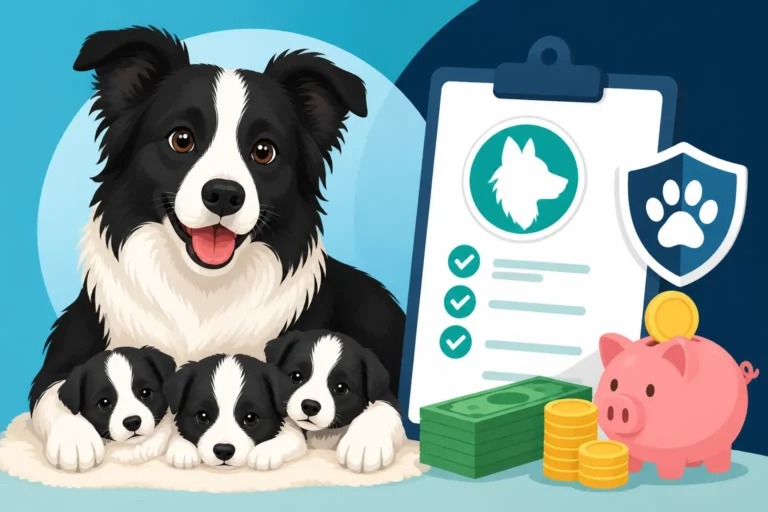
Saving Instead of Insuring a Border Collie
It’s a scenario many of us Border Collie owners know all too well: you’re trying to plan your finances, and then you look at your energetic, intelligent, sometimes utterly relentless canine partner, and a wave of anxiety hits. What if they get sick? What if there’s an accident? The vet bills can be astronomical, and while pet insurance is a popular option, it often comes with its own set of confusing policies, exclusions, and ever-increasing premiums. This guide will explore the alternative: building a robust savings fund specifically for your Border Collie's health needs, offering you peace of mind and financial control without the complexities of a third-party policy.
The Appeal of Self-Insurance for Border Collie Owners
Let's be honest, the thought of huge, unexpected veterinary bills can keep any Border Collie owner up at night. These are active, intelligent dogs, prone to certain breed-specific health challenges and, frankly, accidents that come with a high-energy lifestyle. While traditional pet insurance promises to cushion that blow, many owners find themselves questioning whether it’s truly the best fit for their family and their dog.
Why Traditional Pet Insurance Can Feel Like a Gamble
You sign up, you pay your monthly premium diligently, and then when something happens, you file a claim. And sometimes, that's where the frustration begins. Pet insurance policies, much like human health insurance, can be complex. You've got your deductibles, which you have to pay out of pocket before coverage kicks in, and then there are the reimbursement percentages, meaning you still pay a portion of the bill even after meeting your deductible. Then come the exclusions. Pre-existing conditions are almost universally excluded, and what counts as pre-existing can sometimes feel like a moving target. If your Border Collie showed even a sniffle for a specific issue before you got coverage, that condition might be forever off-limits for claims.
Think about a common Border Collie issue like hip dysplasia. If your dog gets diagnosed with it, and it's determined that there were subtle signs before you ever took out a policy, even if you didn't know about them, many insurers won't cover the substantial costs of diagnosis and treatment. This leaves owners feeling like they've paid into a system that ultimately let them down when they needed it most. For a long-term, chronic condition like epilepsy, the monthly medication costs might be covered, but initial diagnostics, like an MRI, which can run into the thousands, might not be fully reimbursed, or could be denied if the policy was taken out too late. It’s enough to make you wonder if those monthly premiums would have been better off in a savings account. Providers like Healthy Paws offer various plans, but every plan has its nuances and limitations, making it crucial to compare carefully.
The Freedom of Managing Your Own Funds
When you choose to self-insure, you take complete control of your Border Collie's healthcare budget. There are no monthly premiums that disappear whether you use them or not. Instead, every dollar you set aside is still your dollar, earning interest (however small) in your own account. This gives you immense flexibility. If your dog needs an expensive diagnostic test that an insurer might debate, you don't have to wait for approval or argue over definitions. The money is there, and you can authorize the best care immediately.
This approach means you're not bound by an insurer's choice of vets or specific treatment protocols, allowing you and your vet to make decisions based purely on your Border Collie's needs. If you decide to pursue a less conventional, but still effective, treatment that isn't typically covered by insurance, your own fund gives you that freedom. It also means no agonizing over claim forms, waiting for reimbursement, or worrying about annual limits or increasing premiums as your dog ages or develops conditions. This direct control can alleviate a lot of the stress associated with unexpected veterinary care.
Building Your Border Collie Emergency Fund
Deciding to self-insure is one thing; actually building the fund is another. It requires discipline and a realistic understanding of what Border Collie ownership truly entails financially. But with a solid plan, you can create a financial safety net that gives you peace of mind.
Setting Realistic Savings Goals
So, how much should you aim for? It’s a bit like asking how long is a piece of string, but we can make some educated guesses based on common Border Collie health scenarios. These dogs, while generally robust, can be prone to certain issues. Hip and Elbow Scores in a Border Collie are crucial, and addressing issues early can save pain and money. A major surgery, like a cruciate repair, can easily run into thousands of dollars, covering diagnostics, the procedure itself, medication, and extensive physiotherapy. Diagnostics for something like Epilepsy in a Border Collie Between One and Five might also involve thousands for MRIs and specialist consultations.
Beyond the "big ticket" items, consider the cumulative cost of ongoing care for chronic conditions. Regular medication, specialized diets, or even emergency visits for minor injuries can add up quickly. A good rule of thumb for an emergency fund is to aim for a minimum of $5,000 to $10,000 over your dog's lifetime. This might seem daunting, but remember, you're building it over time. Think about the maximum deductible and annual limit you might choose with a traditional insurance policy and aim for something similar as a starting point. The Annual Border Collie Budget Nobody Plans For can give you a deeper dive into the myriad of other expenses beyond health emergencies.
Strategies for Consistent Contributions
The key to a successful emergency fund is consistency. Treat it like a non-negotiable bill.
- Automate Savings: Set up an automatic transfer from your checking account to a dedicated savings account each payday. Even $50 a week or $100 a fortnight will accumulate quickly. If you previously paid an insurance premium, divert that exact amount into your savings.
- "Found Money" Fund: Did you get a bonus at work? A tax refund? Sell something you no longer needed? Instead of spending it, put a portion (or all!) into your Border Collie’s fund.
- Budgeting for Supplies: Look for ways to save on everyday Border Collie expenses. Buying food in bulk, utilizing subscription services for treats and toys from retailers like Chewy, or even making some of your dog’s treats can free up funds. When you save $10 on a bag of kibble, put that $10 directly into your emergency fund.
- Preventative Care Budget: Don't forget that preventing issues is often cheaper than treating them. Allocate funds for regular Yearly Bloodwork for a Border Collie, dental cleanings, and appropriate parasite control. This proactive approach not only keeps your dog healthier but also reduces the likelihood of expensive emergency situations later on.
- Consider High-Yield Savings: While interest rates can fluctuate, parking your fund in a high-yield savings account means your money is working for you, however modestly. It’s also easily accessible, which is crucial for emergencies.
Understanding Potential Border Collie Health Costs
While we hope our Border Collies live long, healthy lives, being prepared for potential health challenges is simply responsible ownership. Knowing what could arise helps you better plan your savings.
Common Ailments and Their Price Tags
Border Collies are known for their athleticism, but this also means they can be prone to certain orthopedic issues. Hip Dysplasia in a Border Collie That Runs All Day is a concern, and depending on severity, treatment can range from conservative management (medication, physical therapy) to expensive surgical interventions. A single hip replacement, for example, can be a significant cost. Similarly, Cruciate Tears in a Border Collie are not uncommon, especially in agility or working dogs. Surgical repair for a torn cruciate ligament is another procedure that can quickly empty a shallow savings account.
Beyond orthopedic concerns, Border Collies can be predisposed to neurological conditions. Epilepsy, for instance, often presents in young adult dogs. While medication can manage seizures, the initial diagnostic work-up, as mentioned, can be extensive. Long-term medication can also become a significant ongoing expense over the dog's How Long a Border Collie Lives. The Border Collie Genetic Panel and What It Screens can provide insights into potential inherited conditions, though these tests are not foolproof. Other conditions like certain eye issues (e.g., Collie Eye Anomaly) or even cancer in older dogs also carry substantial veterinary costs. These are not minor ailments; they often require specialist care, advanced imaging, and potentially lifelong management.
| Condition Type | Examples for Border Collies | Typical Intervention | Cost Impact (General) |
|---|---|---|---|
| Orthopedic | Hip/Elbow Dysplasia, Cruciate Tears, Fractures | Surgery, physical therapy, pain management | Significant (thousands) |
| Neurological | Epilepsy, Border Collie Collapse | Diagnostics (MRI), medication, specialist visits | High (hundreds to thousands) |
| Ophthalmic | Collie Eye Anomaly, Progressive Retinal Atrophy | Eye exams, specialist consultations, medication | Moderate to High (hundreds) |
| Dermatological | Allergies, Hot Spots | Medications, specialized diets, vet visits | Moderate (dozens to hundreds) |
| Emergency/Accident | Traumatic injuries, ingestion of toxins | Emergency surgery, hospitalization, diagnostics | Very High (thousands, urgent) |
| Chronic/Age-Related | Arthritis, Kidney Disease, Cancer in Older Border Collie | Long-term medication, specialized care, palliative care | Ongoing, accumulating (hundreds to thousands yearly) |
Preventative Care: Your First Line of Defense
While a savings fund is for the unexpected, a substantial portion of your Border Collie's long-term health budget should be dedicated to preventative care. This is where you proactively work to keep those expensive emergencies at bay. Regular veterinary check-ups are paramount. Your vet can catch subtle changes before they become major problems. This includes routine vaccinations, parasite control, and dental care. Think about it: a regular dental cleaning is far less expensive than treating advanced periodontal disease, which can lead to tooth extractions and even systemic infections.
Nutrition also plays a huge role. Feeding a high-quality, balanced diet supports overall health, immune function, and maintains a healthy weight, which is critical for joint health. Some owners opt for fresh food diets from services like Ollie, believing the quality ingredients contribute to better long-term health and fewer vet visits for diet-related issues. Regular, appropriate exercise – not just physical, but mental stimulation too – keeps your Border Collie fit, strong, and less prone to stress-related issues that can manifest physically. Investing in good training also reduces the risk of accidents; a solid recall, for example, can prevent your dog from running into traffic.
The Role of Responsible Ownership in Self-Insurance
Opting to save for your Border Collie's health is a testament to responsible ownership, but it goes beyond just stashing away money. It involves a commitment to proactive health management and creating a safe environment for your high-drive companion. Your vigilance and daily choices are as crucial as the balance in your savings account.
Proactive Health Management
A Border Collie isn't a "set it and forget it" kind of dog. Their health requires ongoing attention. Regular vet check-ups aren't just for vaccinations; they're an opportunity to discuss any subtle changes you've noticed in behavior, appetite, or movement. Catching a limp early, for instance, might mean conservative management and rest instead of a full-blown surgical repair for a torn ligament. It's about being tuned into your dog's normal patterns. Are they eating as usual? Is their gait smooth or is there a slight hesitancy after a long run? Knowing your dog inside and out allows you to be their best advocate.
This also means being aware of breed-specific predispositions. For example, knowing that Border Collies can be prone to issues like Border Collie Collapse and What Sets It Off means you’ll be more observant during intense exercise. If you see signs, you can adjust their activity before a full episode occurs, potentially preventing further complications or injuries. Keeping up with recommended screenings, even if not strictly required, can also be part of this proactive approach. This could involve regular eye exams or follow-up genetic testing if you have concerns, all of which fall under the umbrella of preventing larger, more costly issues down the line. Even as your Border Collie ages and you consider Retiring a Border Collie From Stock Work, preventative care becomes even more critical to manage age-related changes like Osteoarthritis in a Border Collie by Eight.
Training and Safety Measures
A well-trained Border Collie is generally a safer Border Collie, and safety directly translates to fewer emergency vet visits. Investing time in comprehensive training, especially a bomb-proof recall, is not just about manners; it's a critical safety measure. A Border Collie with a strong recall is less likely to bolt into traffic, chase wildlife into dangerous situations, or get lost and injure itself. Recall on a Border Collie That Has Locked On is a lifeline, literally.
Secure fencing is another non-negotiable. These dogs are intelligent and athletic escape artists. A high, sturdy fence around your yard prevents them from roaming and encountering hazards like cars, other aggressive animals, or toxic substances. Regular leash training, ensuring they walk politely on a lead, prevents sudden lunges that could result in injury to themselves or you. Even seemingly minor things like having appropriate, indestructible toys, rather than flimsy ones that can be ingested or broken into sharp pieces, contribute to their safety. If you take your Border Collie to trials or dog sports, understanding the risks of Sport Injuries a Border Collie Picks Up and taking steps to warm up and cool down properly can significantly reduce the chance of an injury that your emergency fund would otherwise have to cover. Your commitment to safety is a powerful component of self-insuring your beloved Border Collie.
Disclaimer
This article is for general informational purposes only and does not constitute professional advice. Laws, prices and regulations vary by location and change over time. Consult a qualified professional for guidance on your specific situation.