Physiotherapy Costs for a Sport Border Collie
The financial strain of keeping a sport Border Collie sound can hit hard, especially when injuries inevitably crop up. We pour our hearts and souls into these incredible athletes, watching them excel in agility, herding, or flyball, only to have a sudden limp or stiffness bring everything to a grinding halt. This guide is here to walk you through the often-confusing world of physiotherapy costs for your athletic Border Collie, helping you understand what to expect and how to budget for their successful recovery.
The Essential Role of Physiotherapy for Active Border Collies
When your Border Collie is pushing their physical limits, whether it's weaving through agility poles, making tight turns on sheep, or leaping for a disc, their bodies are under immense stress. It’s not just "running around" for them; it’s a demanding athletic endeavor that requires peak physical condition and, unfortunately, can lead to injuries. This is where canine physiotherapy steps in, not just as a treatment for acute issues, but often as a crucial component of maintaining their performance and extending their working lives.
Why Sport-Specific Demands Lead to Injuries
Border Collies are renowned for their incredible drive, speed, and agility. Their enthusiasm often outstrips their body's immediate capacity, or repetitive movements can cause wear and tear over time. Think about the explosive starts and stops in flyball, the sharp turns and jumps in agility that test every joint, tendon, and muscle, or the sustained effort and quick changes of direction required when working stock. These actions put specific parts of their anatomy under strain. You might see a Border Collie developing Shoulder Injuries in an Agility Border Collie from repeated impacts, or an Iliopsoas Strain in a Border Collie after a particularly powerful collection for a jump or a tight flank on sheep. These aren't just minor aches; they can be significant issues that sideline your dog and impact their quality of life. Without proper intervention, a small issue can escalate into chronic pain or a career-ending injury.
Recognizing When Your Border Collie Needs Professional Help
It’s easy to dismiss a slight limp after a hard day's work as just "tiredness," especially with a dog as stoic and driven as a Border Collie. They often try to work through discomfort, masking pain until it becomes severe. However, knowing the subtle signs is vital. Watch for changes in their gait, reluctance to perform certain movements, stiffness after rest, or even behavioral changes like irritability or decreased enthusiasm for their favorite activities. If your Border Collie is showing hesitation on a contact obstacle, taking poles down more frequently, or perhaps not driving sheep with the same intensity, it's time to consider professional assessment. A certified canine physiotherapist or a Whether a Border Collie Needs a Sports Vet can identify underlying issues before they become major problems. Early intervention with physiotherapy can prevent minor strains from turning into something much worse, like a full Cruciate Tears in a Border Collie, which can be devastating for a sport dog.
Understanding Common Physiotherapy Treatments and Their Associated Costs
Canine physiotherapy isn't a one-size-fits-all solution; it's a diverse field with many different modalities, each with its own benefits and cost implications. Understanding these can help you anticipate expenses and make informed decisions about your dog's care.
Initial Consultations and Diagnostic Fees
The first step in any physiotherapy journey is a comprehensive evaluation. This initial consultation is crucial. The therapist will conduct a thorough physical examination, observe your Border Collie's movement, and discuss their history, training routine, and any specific concerns you have. They'll assess joint range of motion, muscle mass, pain response, and neurological function. This detailed assessment allows them to formulate an accurate diagnosis and create a tailored treatment plan.
An initial consultation typically runs for a longer session, often an hour or more, and will generally be the most expensive single session fee. It can range widely depending on the clinic's location and the therapist's experience. Sometimes, this fee might include a preliminary set of exercises or advice. X-rays, ultrasounds, or other diagnostic imaging might be recommended by your vet before physiotherapy, and those costs are separate but often necessary to get a full picture of the injury, such as assessing the extent of a The Cruciate Tear an Agility Border Collie Gets.
Manual Therapies and Therapeutic Exercises
Once a diagnosis is made, the core of physiotherapy often involves a combination of hands-on manual therapies and targeted exercises.
- Manual Therapies: These include techniques like massage to reduce muscle tension, joint mobilizations to improve flexibility, and stretching to increase range of motion. These are often integral to relieving pain and restoring normal function.
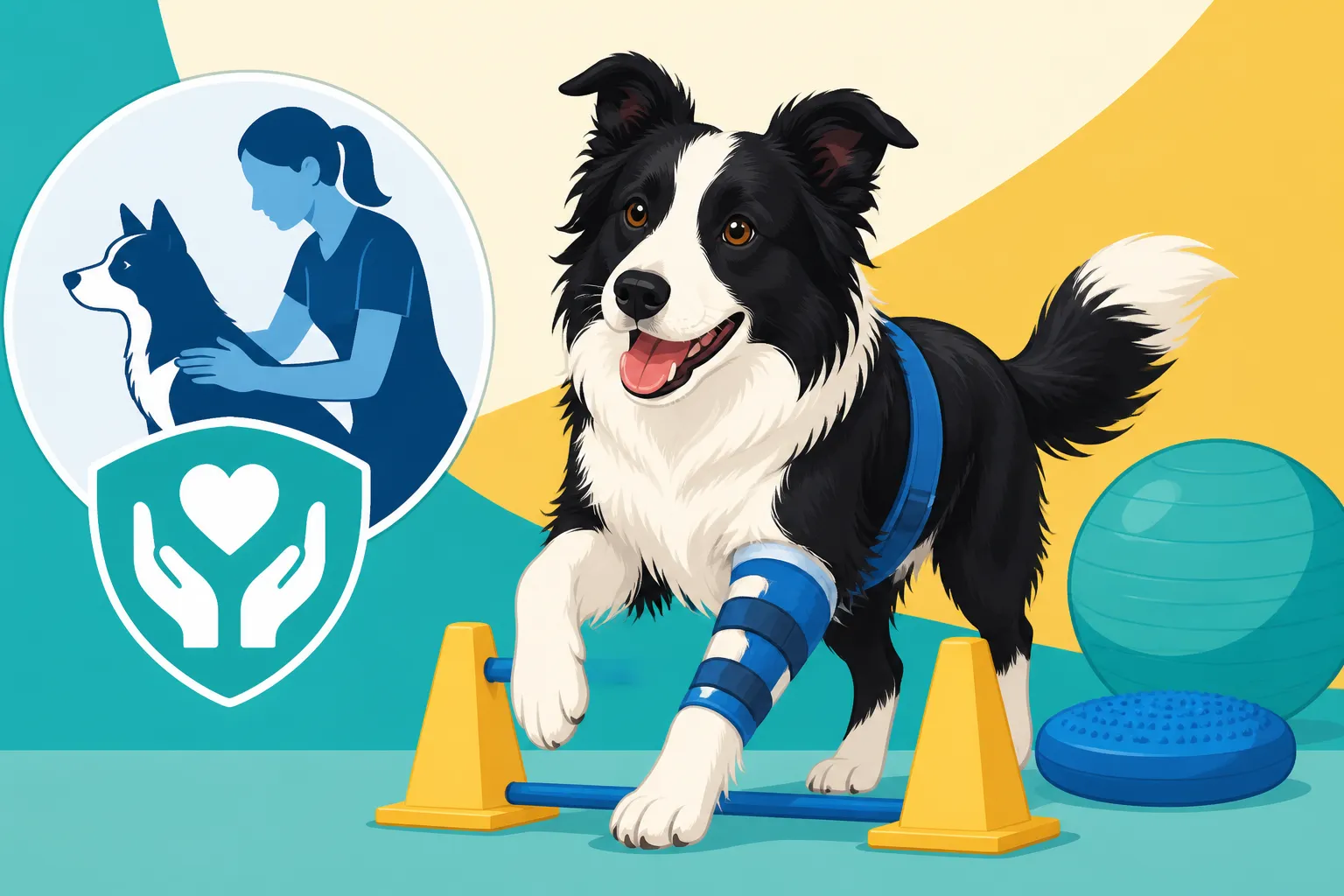
- Therapeutic Exercises: These are designed to strengthen specific muscle groups, improve balance and coordination, and enhance proprioception (the dog's awareness of its body in space). This might involve cavaletti poles, balance boards, incline work, or specific leash exercises. These exercises are often demonstrated by the therapist for you to continue at home, which is vital for recovery but also means you’re essentially getting homework.
These sessions are typically shorter than the initial consult, perhaps 30-45 minutes, and are often booked in a series. The frequency and number of sessions will depend on the severity of the injury and your dog's progress. You might start with 2-3 sessions a week and then taper down.
Advanced Modalities and Specialized Equipment
Beyond manual therapy and exercises, many clinics offer advanced modalities that can significantly aid recovery. These specialized treatments often come with their own price tag, either as add-ons to a session or as separate treatments.
- Hydrotherapy: Underwater treadmill or swimming can be incredibly beneficial, especially for dogs with joint issues or those needing non-weight-bearing exercise. The buoyancy of water reduces stress on joints while still allowing for muscle strengthening. This is fantastic for dogs recovering from Annual Limits and Border Collie Cruciate Surgery where controlled weight-bearing is essential.
- Laser Therapy (Photobiomodulation): This uses specific wavelengths of light to reduce inflammation, alleviate pain, and promote tissue healing. It's non-invasive and often used for acute injuries or chronic pain management.
- Therapeutic Ultrasound: Different from diagnostic ultrasound, this uses sound waves to create heat deep within tissues, promoting circulation and healing.
- Electrical Stimulation (TENS/NMES): These therapies use electrical currents to stimulate muscles (for strengthening or preventing atrophy) or block pain signals.
- Shockwave Therapy: Used for chronic conditions like tendon injuries, this delivers acoustic waves to stimulate healing.
Each of these modalities adds to the cost. Some clinics bundle them into a session price, while others charge separately. For example, a hydrotherapy session might be priced differently from a laser therapy session. The good news is that these technologies can dramatically speed up healing and get your Border Collie back on their feet faster, but they require careful budgeting.
Here’s a general idea of how some common physiotherapy costs might look, keeping in mind these are estimates and can vary widely:
| Service / Modality | Typical Cost Range (per session) | Notes |
|---|---|---|
| Initial Consultation | $100 – $250+ | Longer session, comprehensive assessment, treatment plan |
| Follow-up Session | $75 – $150 | Manual therapy, therapeutic exercise, often 30-45 minutes |
| Hydrotherapy (UWT/Swim) | $60 – $120 | Excellent for non-weight-bearing exercise, joint support |
| Laser Therapy | $30 – $70 (often add-on) | Reduces pain, inflammation, promotes healing |
| Therapeutic Ultrasound | $25 – $60 (often add-on) | Deep tissue heating for circulation and healing |
| Home Exercise Program | $50 – $100 (one-time fee) | Instruction and materials for owner to continue exercises at home |
| Package Deals | Varies widely | Clinics often offer discounts for purchasing multiple sessions upfront |
Remember, these figures are just to give you a shape of the cost; you'll need to check with individual clinics for their current rates.
Factors That Influence the Overall Price Tag of Canine Physio
It would be lovely if there was a flat fee for "fixing" a sport Border Collie, but the reality is that many variables play a role in the final bill. These factors can significantly impact your overall physiotherapy expenses.
Geographical Location and Clinic Reputation
Just like human healthcare, the cost of veterinary and rehabilitation services can vary dramatically based on where you live. Major metropolitan areas or regions with a high cost of living tend to have higher prices for everything, including canine physiotherapy. A specialist clinic in, say, Southern California or the Northeast might charge more than a rural practice in the Midwest. Furthermore, the reputation and experience of the clinic and its therapists can influence pricing. A clinic with highly certified and experienced practitioners, often including vets with advanced certifications in rehabilitation, might command higher fees but also potentially offer more specialized and effective treatment, making it a worthwhile investment in the long run.
The Severity and Duration of the Injury
This is perhaps the biggest cost driver. A minor muscle strain might require only a few weeks of targeted therapy, whereas a severe injury like a post-surgical cruciate repair or chronic osteoarthritis could necessitate months, or even ongoing, lifelong management. A serious injury will require more frequent, longer, and potentially more diverse sessions, stacking up the costs. If your Border Collie experiences Sport Injuries a Border Collie Picks Up that are complex, such as multiple issues or a difficult recovery, the duration and intensity of their physiotherapy program will naturally increase the total expense. Some conditions, unfortunately, require periodic maintenance therapy to keep discomfort at bay and maintain mobility.
Comprehensive Treatment Plans Versus A La Carte Sessions
Many clinics offer different pricing structures. You might pay for individual sessions, which gives you flexibility but can be more expensive per session. Alternatively, many clinics offer package deals, where you purchase a block of 5, 10, or more sessions upfront at a reduced rate. This can be a significant saving if your Border Collie requires extensive or ongoing treatment, which is often the case for serious athletic injuries. Discussing the full recommended treatment plan with your therapist and inquiring about package options is always a smart move to understand the total potential cost. A comprehensive plan, while seemingly more expensive initially, might include everything from manual therapy to hydrotherapy and a home exercise program, proving more cost-effective and beneficial in the long run than piecing together individual services.
Budgeting for Your Sport Border Collie's Recovery: Insurance, Savings, and Support
Facing a potentially large vet bill for physiotherapy can be daunting. However, with some foresight and smart planning, you can soften the financial blow and ensure your Border Collie gets the best care possible. It's all about having a strategy in place before disaster strikes. This is a significant part of The Annual Border Collie Budget Nobody Plans For.
Navigating Pet Insurance for Rehabilitation Coverage
Pet insurance can be a lifesaver for sport dog owners. Many comprehensive pet insurance policies do cover prescribed physiotherapy and rehabilitation services, especially when they are part of a treatment plan for a covered accident or illness. It's absolutely crucial to read the fine print of your policy or inquire directly with your provider, like Healthy Paws, about their coverage for these services. Some policies might have specific limits on rehabilitation, require a referral from a licensed veterinarian, or only cover certain modalities. You’ll want to know if conditions like Cruciate and Shoulder Claims on a Border Collie Policy are fully covered, and what your deductible and reimbursement rates are. Enrolling your Border Collie in a policy when they are young and healthy is ideal, as pre-existing conditions are almost universally excluded. If you're comparing providers, check if they distinguish between "accident only" and "accident and illness" plans, as rehabilitation usually falls under illness/injury.
Exploring Alternative Support and Product Options
While professional physiotherapy is paramount, there are ways to support your Border Collie's recovery and manage costs outside the clinic.
- Home Exercise Programs: Most physiotherapists will provide you with a detailed home exercise program. Diligently following this program is not just essential for your dog’s recovery but also makes the most of your investment in professional sessions by reinforcing the work done at the clinic. These exercises, often low-cost or free after the initial instruction, are critical for maintaining progress.
- Supplements: Certain supplements can support joint health and recovery. Glucosamine, chondroitin, MSM, and omega-3 fatty acids are common choices. While not a replacement for medical treatment, they can complement it. You can often find a wide range of these products from online retailers like Chewy, sometimes at more competitive prices than directly from a vet's office.
- Specialized Diets: Nutrition plays a key role in healing and maintaining a healthy weight, which reduces stress on joints. Some companies, like Ollie, offer fresh, balanced meals that can be tailored to your dog's specific needs, including those recovering from injury or managing chronic conditions. Discuss dietary changes with your vet or a veterinary nutritionist to ensure it aligns with their recovery plan.
- Acupuncture and Chiropractic Care: While often not covered by standard pet insurance, these alternative therapies are sometimes recommended by vets and physios and can be beneficial for pain management and mobility. Research local practitioners and their fees if you're considering these options.
Remember, always consult with your veterinarian or physiotherapist before introducing any new supplements or making significant dietary changes, especially when dealing with a recovering sport dog.
Planning Ahead for Lifelong Wellness and Potential Costs
The best offense is a good defense, right? Proactive care is vital for a sport Border Collie. Regular conditioning, proper warm-ups and cool-downs before and after intense activity, and a well-balanced diet can help prevent injuries. Annual vet check-ups are also crucial for catching subtle issues before they escalate. Setting aside a dedicated "pet emergency fund" can be incredibly helpful. Even if you have insurance, there will be deductibles and co-pays, and some services might not be fully covered. Consider setting up a separate savings account, even putting a small amount away each month. This way, when a sudden injury like a Cruciate Tears in a Border Collie or other major health event occurs, you’re not scrambling for funds. For sport dogs, having a budget that includes potential physical therapy costs is as important as budgeting for food and toys. It's part of the commitment to a high-performance canine athlete. You may also want to explore options for Saving Instead of Insuring a Border Collie if your risk tolerance and financial situation allow for a self-funded approach to future vet bills.
Disclaimer
This article is for general informational purposes only and does not constitute professional advice. Laws, prices and regulations vary by location and change over time. Consult a qualified professional for guidance on your specific situation.