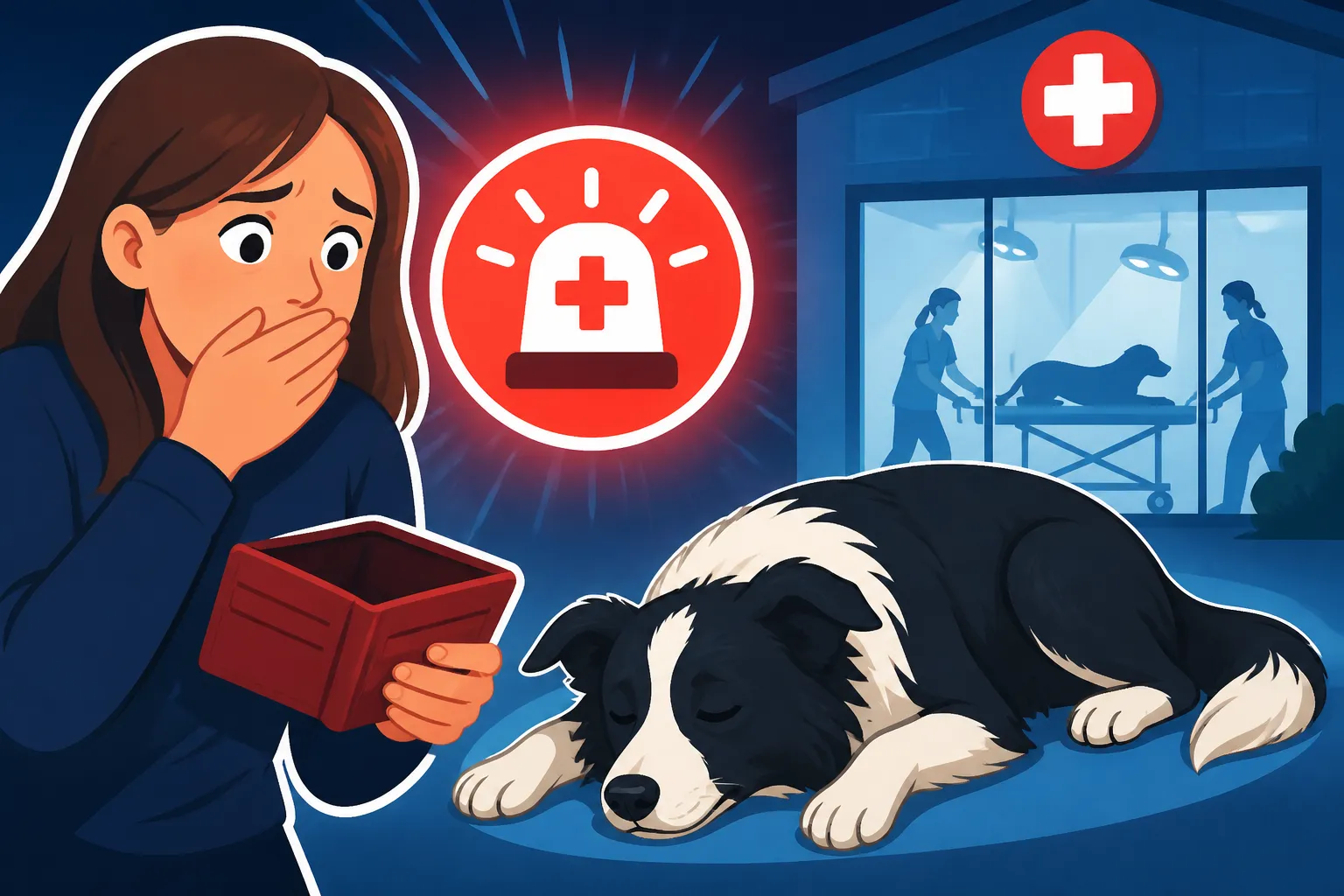
Emergency Costs the Night a Border Collie Collapses
That terrifying moment when your energetic, vibrant Border Collie suddenly collapses is every dog owner's nightmare. Your heart races, panic sets in, and all you can think about is getting them help, now. In these frightening situations, the last thing you want to worry about is the cost, but the reality is that emergency veterinary care can be surprisingly expensive, adding another layer of stress to an already traumatic experience. This guide aims to walk you through the types of costs you might encounter the night your Border Collie needs urgent medical attention, helping you understand where the money goes and how to be better prepared.
The Alarming Moment: Reacting to Your Border Collie's Collapse
One minute your Border Collie might be their usual busy self, perhaps bringing you a toy or patrolling the yard, and the next, they're down. There's no gradual onset, no subtle warning; just a sudden, horrifying loss of control. It's a jolt to the system that triggers an immediate, primal fear for their well-being. Knowing what to expect financially, even broadly, can help you navigate this crisis with a clearer head, allowing you to focus on your beloved dog.
Recognizing the Signs of Trouble
The term "collapse" itself can be quite broad, but when it comes to Border Collies, it often brings specific, alarming images to mind. We're talking about a sudden loss of strength or consciousness, where your dog simply cannot stand or move normally. They might seem disoriented, wobbly, or even unresponsive. For many Border Collie owners, a collapse episode immediately makes them think of specific breed-related issues. Is it Border Collie Collapse and What Sets It Off? Is it a seizure, perhaps The First Minute of a Border Collie Seizure? The uncertainty is agonizing.
The panic in that moment is absolute. You're trying to remember their last meal, if they ate something they shouldn't have, or if they bumped their head. Your mind races through a dozen worst-case scenarios, all while you're trying to gently assess your dog without causing further distress. You might call their name, try to coax them up, but they just can't. This inability to move, coupled with an altered mental state or breathing changes, is a clear signal that this is an emergency that cannot wait.
The Immediate Rush to Emergency Care
Once you've determined your Border Collie needs immediate help, the scramble begins. Finding your car keys, perhaps wrapping your dog in a blanket, and making that frantic call to the nearest emergency veterinary clinic. It's not the kind of call you ever want to make – the one where you're trying to relay symptoms through choked-back tears, knowing that every second counts. The drive to the clinic feels interminably long, even if it's just a few blocks.
Arriving at an emergency vet is often a blur of emotions and activity. You're ushered into a waiting area, possibly alongside other anxious pet parents, or immediately into an exam room where staff quickly take your dog to the back for assessment. There's a profound sense of helplessness as you hand over your companion, entrusting them to strangers, hoping they can fix what's wrong. In these initial moments, financial concerns are understandably secondary to the desperate need for answers and treatment. However, understanding that this immediate rush, the specialized staff, and the round-the-clock availability of an emergency clinic all come at a premium, can help temper the shock when the bill arrives.
Understanding the Initial Veterinary Assessment and Emergency Treatment
When your Border Collie is brought into the emergency clinic, a structured approach begins immediately to stabilize them and uncover the cause of their collapse. This isn't like a routine check-up; everything is geared towards rapid diagnosis and life-saving intervention. Each step in this process contributes to the overall emergency cost.
The Critical First Steps in the ER
The moment your Border Collie enters the emergency clinic, they'll undergo a process called triage. Just like in human emergency rooms, this involves a quick but thorough assessment to determine the severity of their condition and prioritize immediate needs. A veterinary technician or emergency vet will check their vital signs: heart rate, respiratory rate, temperature, gum color, and capillary refill time. They're looking for signs of shock, severe pain, or immediate life threats.
Often, the first interventions are aimed at stabilization. This might mean placing an intravenous (IV) catheter to administer fluids, which are crucial for maintaining blood pressure and hydration, especially if your dog is in shock or dehydrated. Oxygen therapy might be initiated if they're having difficulty breathing. Basic medications to address pain or nausea could also be given. While these seem like fundamental steps, each one is a service that incurs a fee, from the cost of the IV catheter itself to the specific drugs administered and the professional time involved in setting them up. They need to get your dog stable enough to even start diagnosing the underlying problem.
Diagnostic Tests to Pinpoint the Cause
Once your Border Collie is stable, the real detective work begins. The vet needs to understand why your dog collapsed. This almost always involves a series of diagnostic tests, which are a significant component of any emergency bill.
- Blood Work: A complete blood count (CBC) and a chemistry panel are standard. The CBC checks for anemia, infection, and platelet levels, while the chemistry panel assesses organ function (kidneys, liver), blood sugar, and electrolytes. These tests are vital for ruling out metabolic issues, internal bleeding, or severe infections. For a Border Collie, checking blood sugar and electrolytes is crucial, especially when considering conditions like Border Collie Collapse, where these parameters might appear normal, making diagnosis tricky.
- Imaging: X-rays are commonly used to check for issues like internal bleeding, fluid in the chest or abdomen, fractures, or foreign bodies. If there's suspicion of a more complex soft tissue issue, an ultrasound might be recommended to get a real-time view of organs. While more common for ongoing neurological issues, sometimes a collapsing Border Collie might need an initial X-ray to rule out structural damage, especially if there was any chance of trauma.
- Specialized Tests: Depending on the suspected cause, the vet might recommend an electrocardiogram (ECG) to check heart rhythm, particularly if a cardiac event is suspected. If neurological problems like a seizure are the primary concern, they might discuss more advanced imaging later, but the initial battery of tests focuses on ruling out the most immediate life threats. Differentiating between neurological events is key; for example, understanding Telling Border Collie Collapse From a Seizure often starts with ruling out other causes.
Each of these tests involves not only the cost of the equipment and disposables but also the professional time of the veterinary staff to perform and interpret them. They are essential for a proper diagnosis and treatment plan, but they quickly add up.
Life-Saving Interventions and Hospitalization
Once a diagnosis or at least a working hypothesis is established, specific treatments are initiated. This could involve powerful anti-seizure medications if your Border Collie is experiencing When a Seizing Border Collie Needs Emergency Care, or stronger pain relief if they've suffered an injury. Often, if the condition is serious or requires continuous monitoring, hospitalization in an intensive care unit (ICU) is necessary.
During hospitalization, your Border Collie will receive continuous IV fluids, regular medication doses, nutritional support if needed, and constant observation by veterinary nurses and doctors. The cost of hospitalization is typically charged on a per-day or even per-hour basis, reflecting the constant, skilled care being provided. This includes monitoring vital signs, administering treatments, and adjusting care as needed. This intensive monitoring is invaluable, but it represents a significant portion of the emergency bill, especially if your dog needs to stay for multiple nights.
Factors Influencing the Emergency Bill
The final bill for an emergency visit can vary wildly, making it incredibly difficult to predict. Several key factors play a substantial role in determining how much you'll pay the night your Border Collie collapses.
Location and Time of Service
One of the most immediate influences on cost is where and when you seek care.
- Emergency Clinics vs. Regular Vets: Emergency veterinary hospitals are specifically set up for urgent care, often boasting specialized equipment, 24/7 staffing with emergency vets and technicians, and a higher level of medical readiness. This specialization comes with a higher price tag compared to your regular daytime veterinary clinic, which may not have the same staffing or equipment after hours. If your regular vet offers emergency services, they might have a different fee schedule for after-hours calls.
- Urban vs. Rural Pricing: Just like human healthcare, veterinary costs can differ significantly based on geographic location. Clinics in major metropolitan areas typically have higher overheads (rent, staff wages) than those in more rural settings, and these costs are reflected in their service fees.
- Night, Weekend, and Holiday Surcharges: Almost all emergency veterinary clinics impose surcharges for services rendered during off-hours. This means that a consultation or procedure performed at 2 AM on a Sunday will almost certainly cost more than the exact same service performed at 10 AM on a Tuesday. These surcharges compensate staff for working undesirable hours and help maintain the round-the-clock readiness of the facility. The urgency of a collapse, unfortunately, rarely respects regular business hours.
Severity of Condition and Required Care
The nature and severity of your Border Collie's collapse are paramount in determining the cost. A minor, easily resolved issue will incur a much lower bill than a complex, life-threatening condition.
- Simple vs. Complex Cases: If your Border Collie collapses due to a mild episode of hypoglycemia that responds quickly to sugar, the costs will primarily be for the emergency exam, blood glucose test, and perhaps some oral glucose. However, if the collapse is due to severe trauma, a ruptured internal organ, or prolonged, intractable seizures, the costs skyrocket. For instance, a complex neurological event might require extensive diagnostics and inpatient care, which is inherently more expensive than a simple, responsive issue.
- Need for Specialists: In severe cases, your emergency vet might recommend consultation with a veterinary specialist, such as a neurologist, cardiologist, or internal medicine specialist. These specialists bring advanced training and equipment, and their consultation fees and specialized procedures add another layer to the overall expense.
- Duration of Hospitalization: The longer your Border Collie needs to remain hospitalized for monitoring, IV fluids, medication, or supportive care, the higher the bill will be. Daily hospitalization fees, continuous monitoring, and ongoing treatments accumulate rapidly. If a condition like Epilepsy in a Border Collie Between One and Five is suspected and requires initial stabilization and then management, those early hospitalization days can really add up.
Specific Diagnostic and Treatment Modalities
The specific tests and treatments chosen by the veterinary team will also heavily influence the final cost.
- Advanced Imaging: While X-rays and ultrasounds are common, some conditions, particularly neurological ones, may require advanced imaging like an MRI or CT scan. These procedures are highly specialized, require general anesthesia, and involve expensive equipment and interpretation by a radiologist. An MRI, for example, can add thousands to a bill. If your Border Collie had a seizure and the vet recommended What a Border Collie MRI Costs After a Seizure, you'd quickly see how quickly costs climb.
- Emergency Surgery: Should the collapse be due to an issue requiring immediate surgical intervention—such as internal bleeding, a ruptured tumor, or an intestinal obstruction—the cost will be substantial. Surgical fees include the surgeon's time, anesthesia, operating room supplies, post-operative care, and medications.
- Medications and Supplies: Every medication administered, every IV bag, every syringe, every bandage, and every lab sample sent out contributes to the bill. While individual items might seem small, their sheer volume in an emergency can lead to a surprisingly high total.
| Service/Procedure | Description | Cost Impact (Relative) |
|---|---|---|
| Emergency Exam/Triage | Initial assessment, vital signs, stabilization. | Moderate |
| IV Catheter & Fluids | Establishing venous access, rehydration, medication delivery. | Moderate |
| Bloodwork (CBC, Chemistry, Electrolytes) | Comprehensive internal health check, organ function, hydration. | Moderate-High |
| Radiographs (X-rays) | Imaging for chest, abdomen, or limbs to rule out internal issues/trauma. | Moderate-High |
| Overnight Hospitalization/ICU | Continuous monitoring, specialized care for unstable patients. | High (per night) |
| Oxygen Therapy | Supplemental oxygen for respiratory distress. | Moderate-High |
| Anti-seizure Medication (Emergency) | Immediate control of active seizures. | Moderate |
| Advanced Imaging (e.g., MRI) | Detailed brain/spinal imaging for neurological conditions. | Very High |
| Surgery (Emergency) | Procedures for internal bleeding, obstructions, or severe trauma. | Very High |
Navigating the Financial Aftermath and Planning Ahead
When your Border Collie experiences an emergency, the emotional toll is immense, but the financial strain can be significant too. It’s crucial to know what options are available to help manage these unexpected costs and how to prepare for them in the future.
The Role of Pet Insurance
Pet insurance can be a literal lifesaver in an emergency situation. Instead of facing a daunting bill outright, a good policy can reimburse you for a significant portion of the costs. However, it’s vital to understand how it works. Most pet insurance operates on a reimbursement model, meaning you pay the vet directly, and then submit a claim to your insurer for repayment.
The key to pet insurance being truly helpful for emergencies is having it before the emergency strikes. Policies almost universally exclude pre-existing conditions, so if your Border Collie has already collapsed or been diagnosed with a chronic illness, that specific condition likely won't be covered by a new policy. Many Border Collie owners wisely consider Insuring a Border Collie Against Epilepsy and Joints well before these conditions typically manifest, recognizing the breed's predispositions. When it comes to something like Border Collie Collapse, it's worth checking if Whether Any Insurer Pays for Border Collie Collapse is a covered event under a prospective policy, as some conditions can be tricky. Reputable providers like Healthy Paws offer various plans that can cover accidents and illnesses, but always read the fine print regarding waiting periods and exclusions. Think of it as a financial safety net for the unexpected.
Alternative Payment Options and Financial Aid
Even with insurance, or if you don't have it, there are other ways to manage emergency vet bills.
- Veterinary Payment Plans: Some veterinary clinics, particularly larger hospitals, may offer their own in-house payment plans. These usually require an initial down payment, with the remaining balance spread over a few months. It's always worth asking if this is an option, especially for substantial bills.
- Medical Credit Cards: Services like CareCredit are designed specifically for healthcare expenses, including veterinary care. They offer deferred interest or low-interest financing options for a period, which can be invaluable for breaking down a large bill into manageable monthly payments.
- Personal Savings and Emergency Funds: This is where being proactive really pays off. Having a dedicated emergency fund for your pets, even if it's just a few hundred dollars, can make a huge difference in those initial critical hours. This ties into the broader concept of The Annual Border Collie Budget Nobody Plans For – these unforeseen medical events need to be factored in.
- Financial Aid Programs: For owners facing severe financial hardship, there are various non-profit organizations and breed-specific rescues that may offer financial assistance for emergency veterinary care. While these programs often have strict eligibility requirements and limited funds, they can provide a crucial lifeline.
Making difficult decisions about your dog's care based on financial constraints is heartbreaking. Exploring all these avenues can help ensure your Border Collie gets the care they need without bankrupting your family.
Proactive Steps for Future Emergencies
While you can't prevent every emergency, you can certainly prepare for them.
- Build an Emergency Fund: Start small, even if it's just setting aside $20 a month. Over time, this fund can grow into a substantial buffer for unexpected medical costs.
- Regular Veterinary Check-ups: Consistent preventative care is one of the best ways to catch potential health issues before they become life-threatening emergencies. Your vet can identify subtle changes that might indicate an underlying condition, allowing for earlier, less costly intervention. Annual exams and bloodwork, even for a seemingly healthy Border Collie, are essential.
- Understand Your Breed's Predispositions: Border Collies are generally robust, but they do have known genetic predispositions and health concerns. Being aware of conditions like Border Collie Collapse, epilepsy, or certain joint issues (which might lead to falls or pain leading to collapse) can help you monitor your dog more closely. Discussing these with your breeder and vet can inform your preventative strategy.
- Research Pet Insurance: Even if you decide against it, understanding the offerings from companies like Healthy Paws or comparing different policies can clarify the potential benefits and costs. Look at what typical Annual Limits and Border Collie Cruciate Surgery might be, or what conditions are covered for a young dog.
- Maintain a Healthy Lifestyle: A balanced diet, appropriate exercise, and a mentally stimulating environment contribute to your Border Collie's overall health and resilience. While even the healthiest dogs can have emergencies, keeping them in peak condition can reduce the likelihood of certain issues. For routine supplies, online retailers like Chewy and subscription services like Ollie can help you manage regular food and essential item costs, freeing up budget for those emergency situations.
Planning ahead, both financially and medically, is the best way to ensure that when your Border Collie needs you most, you're ready to provide the best care possible, without the added burden of overwhelming financial stress. These dogs give us their all, and being prepared for their health needs is a critical part of being a responsible owner.
Disclaimer
This article is for general informational purposes only and does not constitute professional advice. Laws, prices and regulations vary by location and change over time. Consult a qualified professional for guidance on your specific situation.